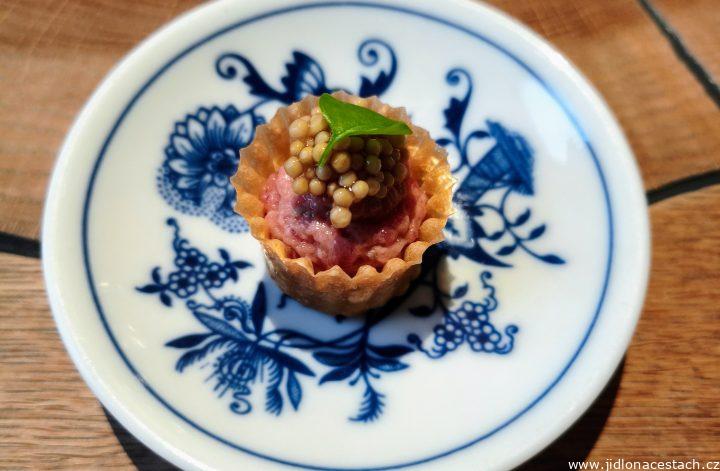
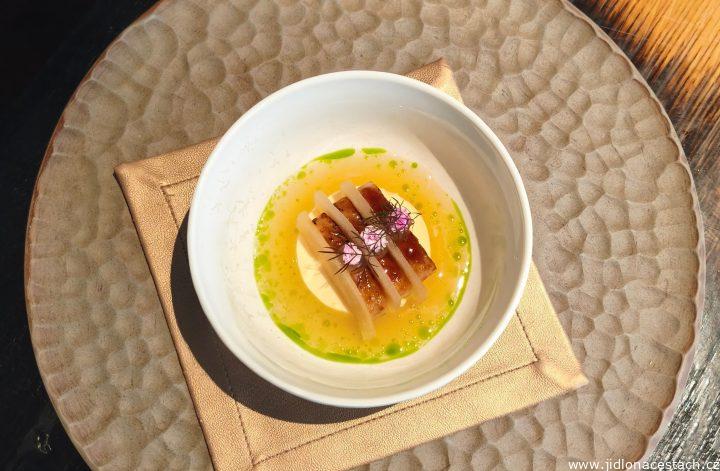
It is Monday, six o’clock in the evening. In restaurant reservation books, this is the most ungrateful time – the beginning of the week, when most establishments are just waking up from the weekend. Heavy wet snow is falling outside the windows, and meteorologists are warning of black ice that could turn Prague streets into a skating rink. An ideal evening to stay home in the warmth.
Yet, when you open the door of El Camino tapas in Vinohrady, you encounter a reality that is every restaurateur’s dream: it is full to the last seat.
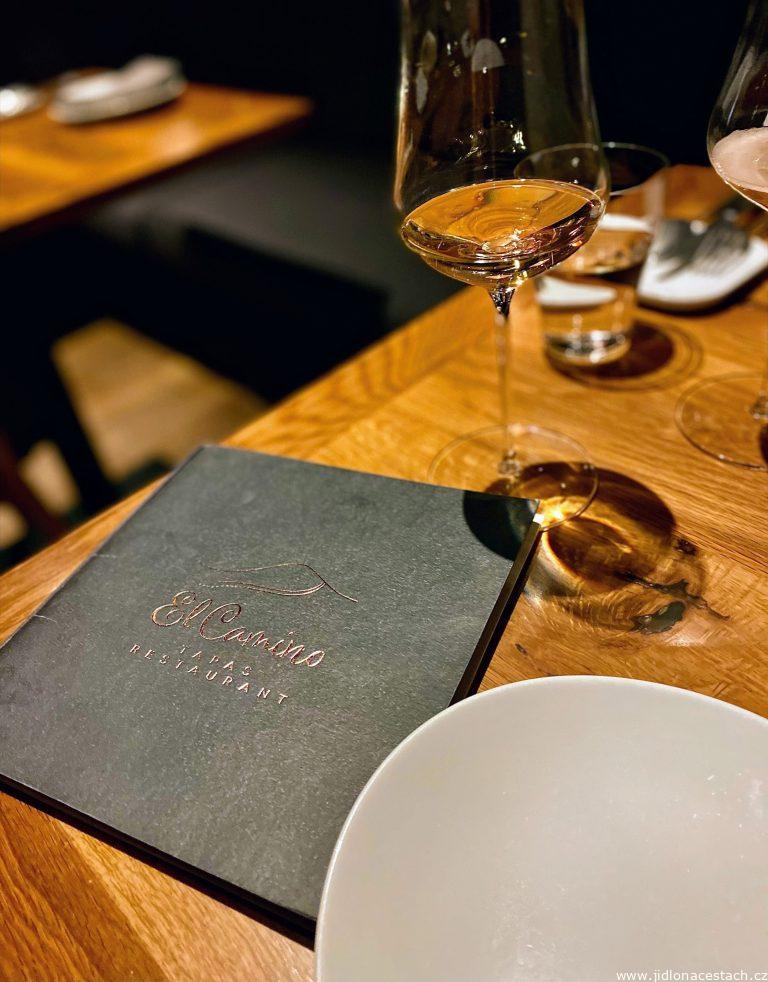
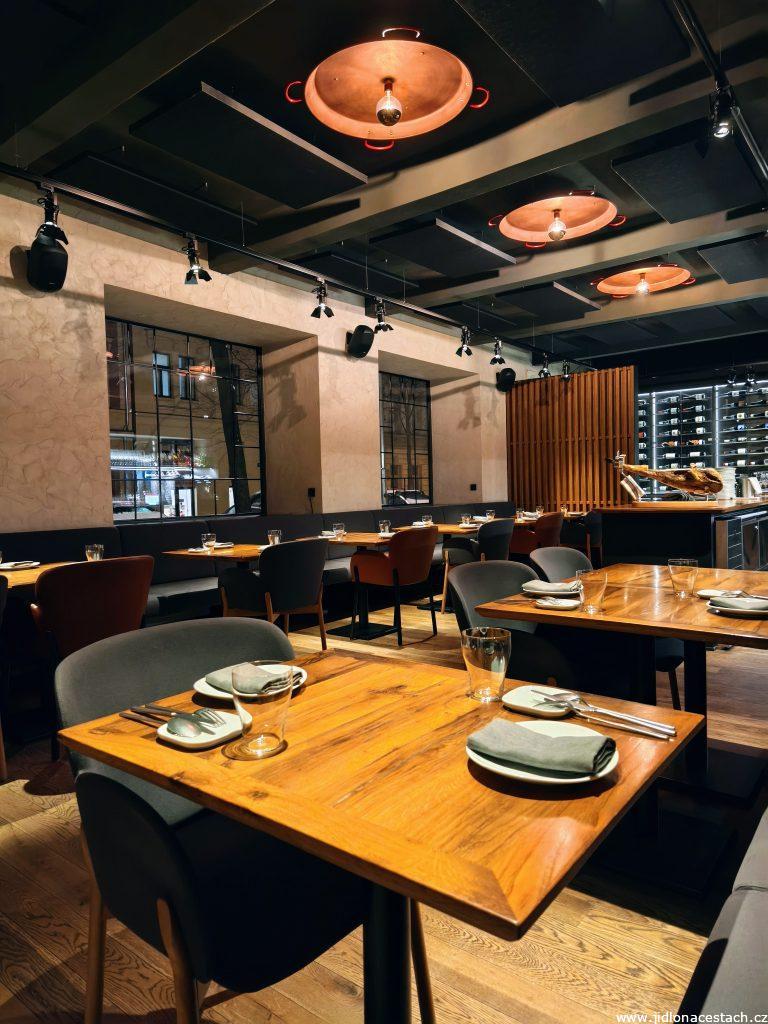
Dim lights, the clinking of glasses with cava, and a scent that transports you two thousand kilometers to the southwest. El Camino tapas is the result of David Böhm’s desire to bring Spanish hospitality to Prague.
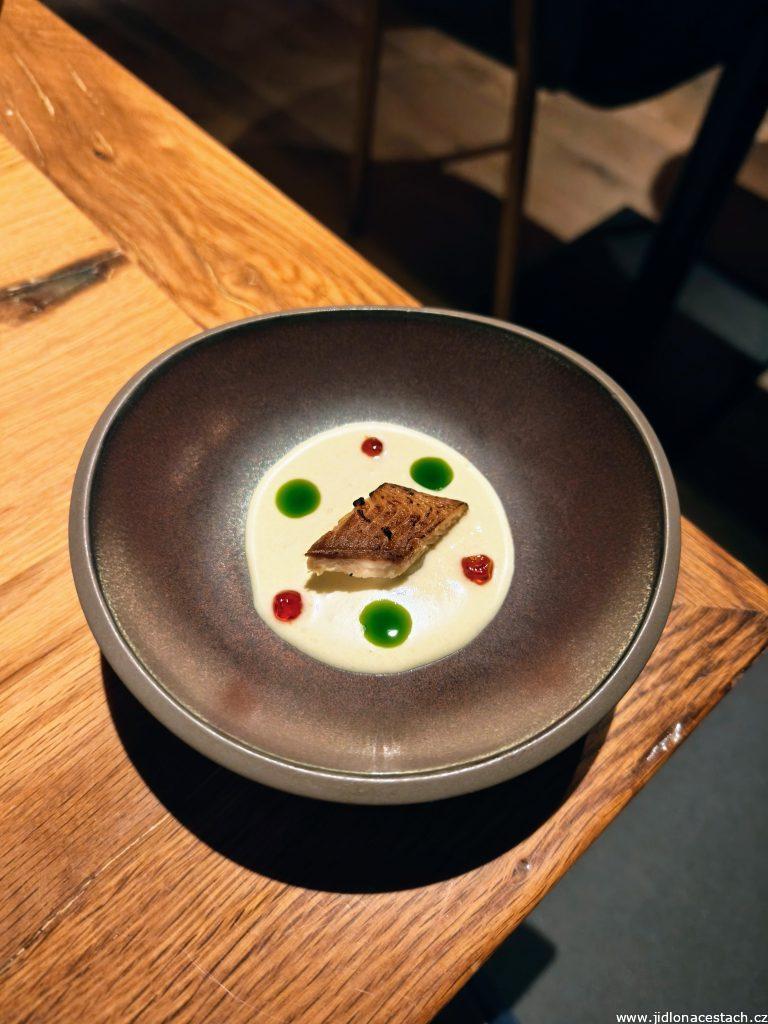
The word “tapas” sometimes has an unfortunate connotation in the Czech context – bowls of olives and dried-out cheese with wine.
The concept here is closer to what they call alta cocina in a small format in Spain. It is not about “snacking”, but a full-fledged tasting experience.

Even when passing the bar, you cannot miss the whole leg of Jamón Ibérico. It is not just any ham, but the Cebo de Campo category – the second highest level of Iberian ham coming from free-range pigs with natural movement that are partially grain-fed.
When the mini tasting portion lands on our table, we immediately see the marbled structure; the fat melts even at room temperature. The taste is nutty, intense, and long.

And while we finish the last slice, the time comes for the main decision of the evening. El Camino offers a specific system to enjoy the local cuisine to the fullest – in the form of a so-called shared menu. Do not be fooled by the name, however. At El Camino, you do not (usually) take food from a single plate in the middle of the table.
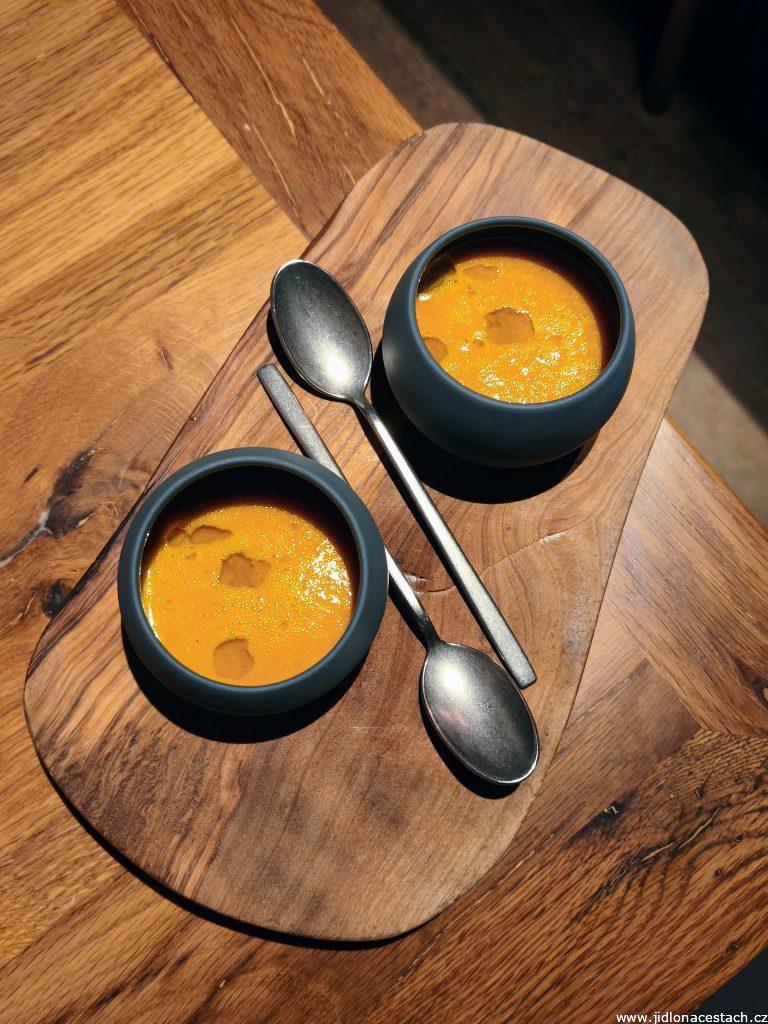
The concept here is more comfortable. “Sharing” here means dining together – everyone at the table tastes the same dishes at the same time, but each guest receives their own, precisely served bowl or plate.
It is an ideal compromise: you share the theme and conversation over the same food, but you enjoy the comfort of your own space and portion. There are three options to choose from: a four-, five-, and six-course tasting with dessert at the end.
El Camino means “the way” in Spanish. On ours, the gastronomic one, we let ourselves be guided by the staff’s recommendations. After wild salmon perfectly combined with cider and one of the most traditional Spanish dishes that most of the world does not know, migas, we move through a creamy fish and shellfish soup to the scallops.
It is right here that the conversation falls completely silent for the first time to make room for pure gastronomic enthusiasm.
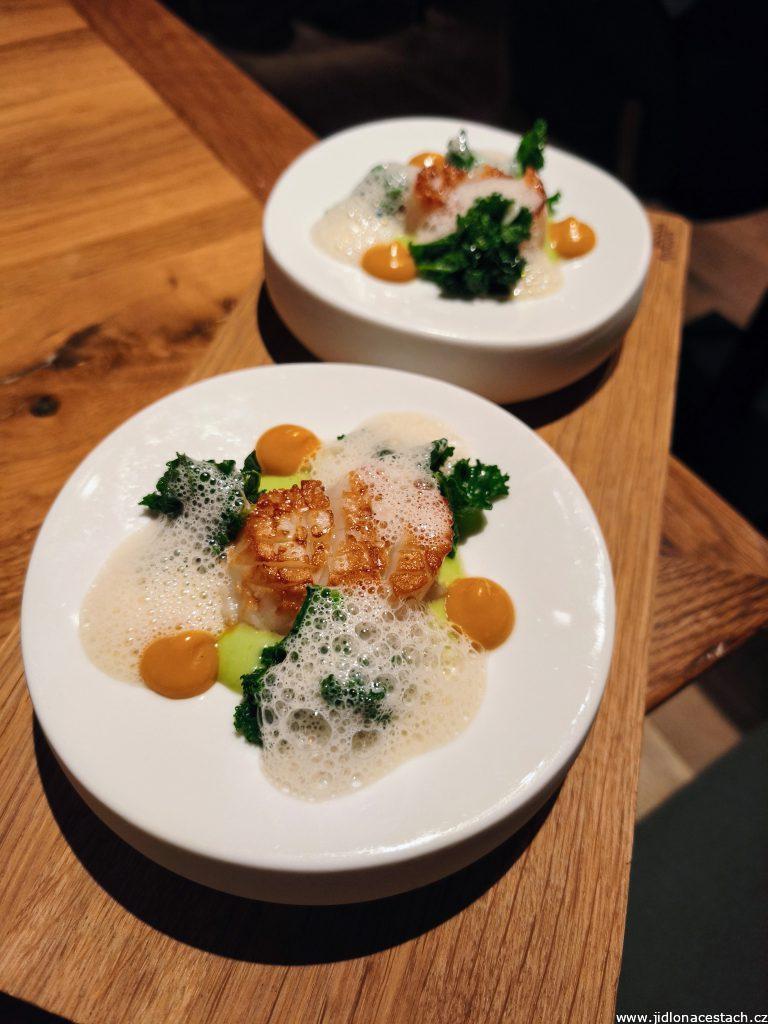
Scallops are a tricky ingredient; a second too long and they are rubbery. These are prepared perfectly, caramelized on the surface but not overcooked inside. The combination with kale, seaweed pil pil sauce, and pepper marmalade is amazing.
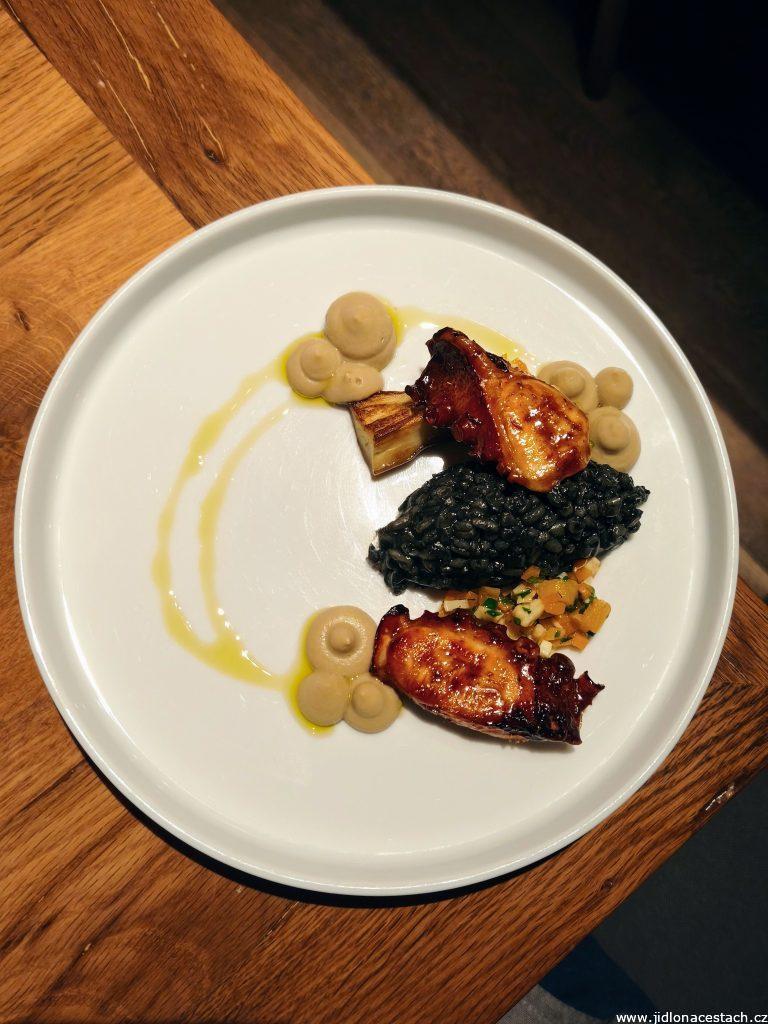
And then there is the octopus “a la moruno”. The reference to Moorish influences in Spanish cuisine is obvious. The taste of cumin mixes with the smoky taste of smoked eggplant. Tabbouleh colored with sepia ink balances the dish pleasantly with its earthiness. The octopus is soft as butter, yet retains its structure.
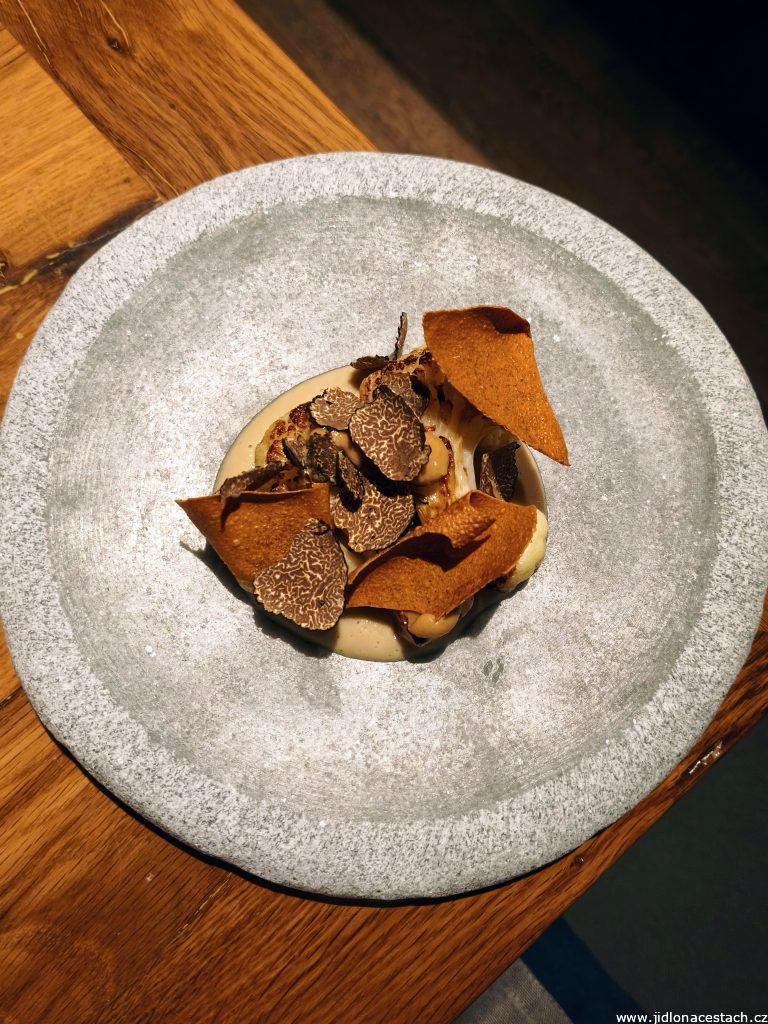
After the distinctive cauliflower with truffle, we get to the main meat courses of the evening.
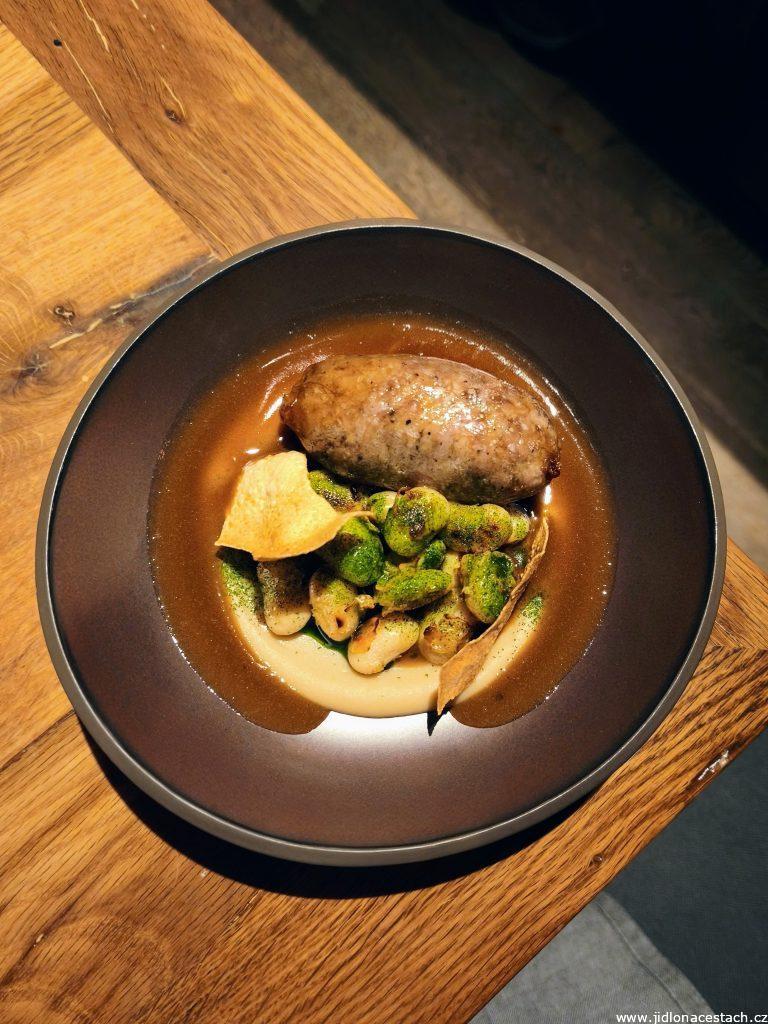
Duck butifarra is a variation on a Catalan sausage. Here it is served with white beans and a strong duck sauce. It is comfort food in its most luxurious form. The beans are buttery, the sausage juicy, and the sauce so strong that we would want to sop it up with bread to the last drop.
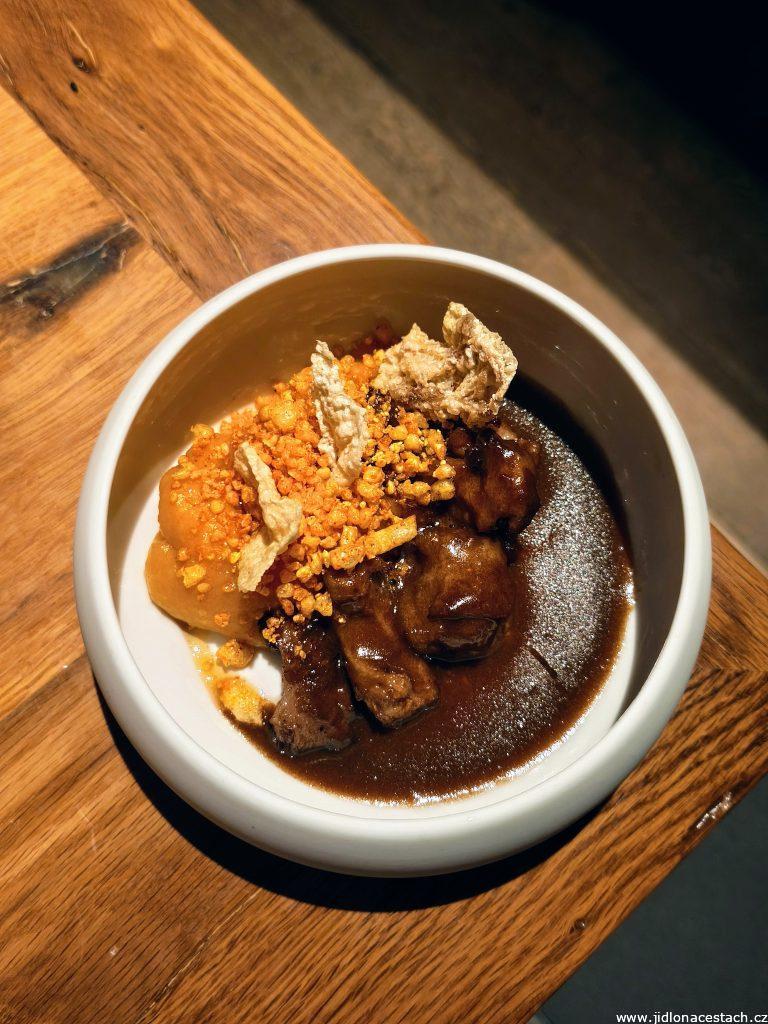
The finale of the meat part of our menu belongs to Ibérico pork. Meat from black pigs is known for its quality; at El Camino, they complement it with patatas revolcanas (mashed potatoes with paprika) and – surprisingly for many – a pork ear chip.
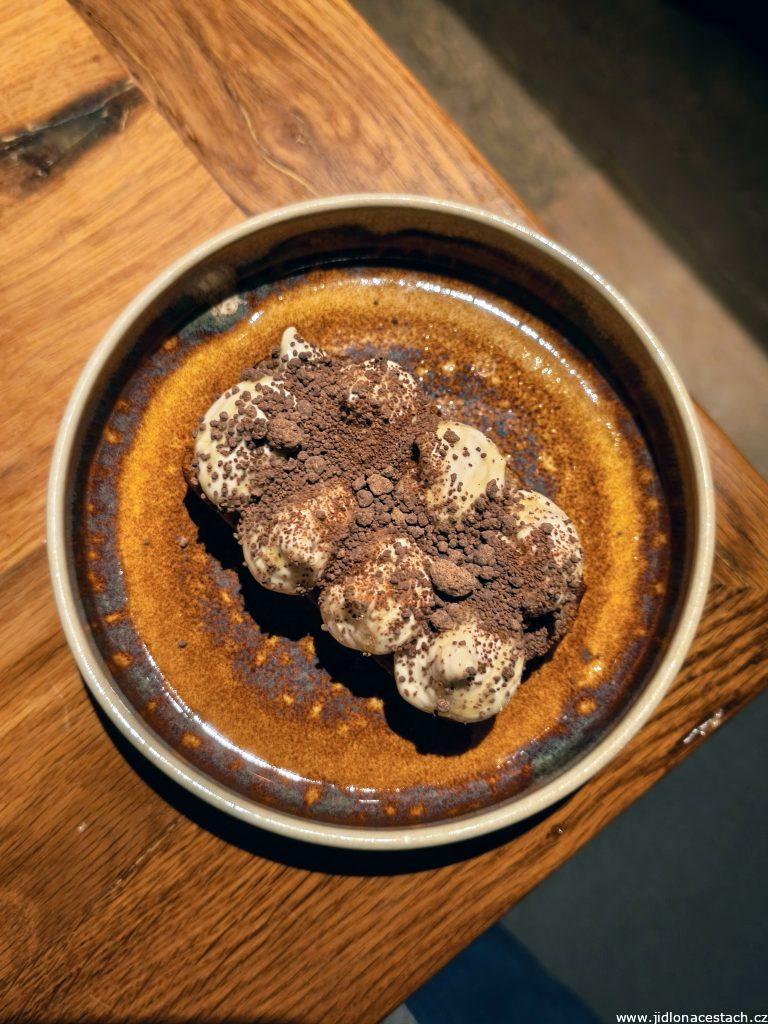
At El Camino, everyone at the table can choose their dessert separately. Torrijas is the Spanish version of French toast, but much richer. Here it is soaked in milk and spices, toasted to golden perfection, and served with salted caramel ice cream and a drop of Oloroso sherry. It is a dessert that disappears from the plate faster than you can say “tinto de verano“.

Banana bread with rum and smoked honey elevates the well-known homemade classic to a more interesting dessert without seeming overcombined.
You would look for the “wine pairing” column in vain on the El Camino website, and yet you can experience it here – in absolute personalization.
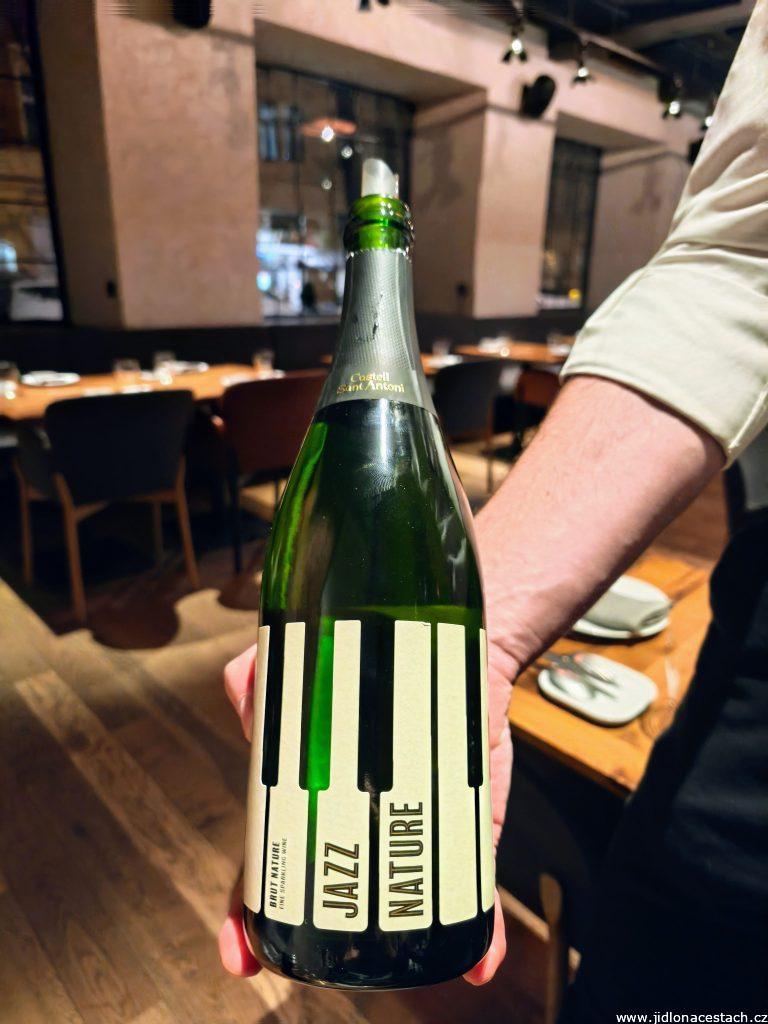
The welcome drink in a Spanish restaurant cannot be anything other than cava; Jazz Nature from the Castell Sant Antoni winery is a small tribute to jazz harmony. The Canals family let this wine age on the lees for 24 months. The blend of Xarel·lo, Macabeu, and Parellada varieties opens up notes of green apple, peaches, and white flowers in the glass. It is a lively, elegant cava with perfectly balanced acidity.
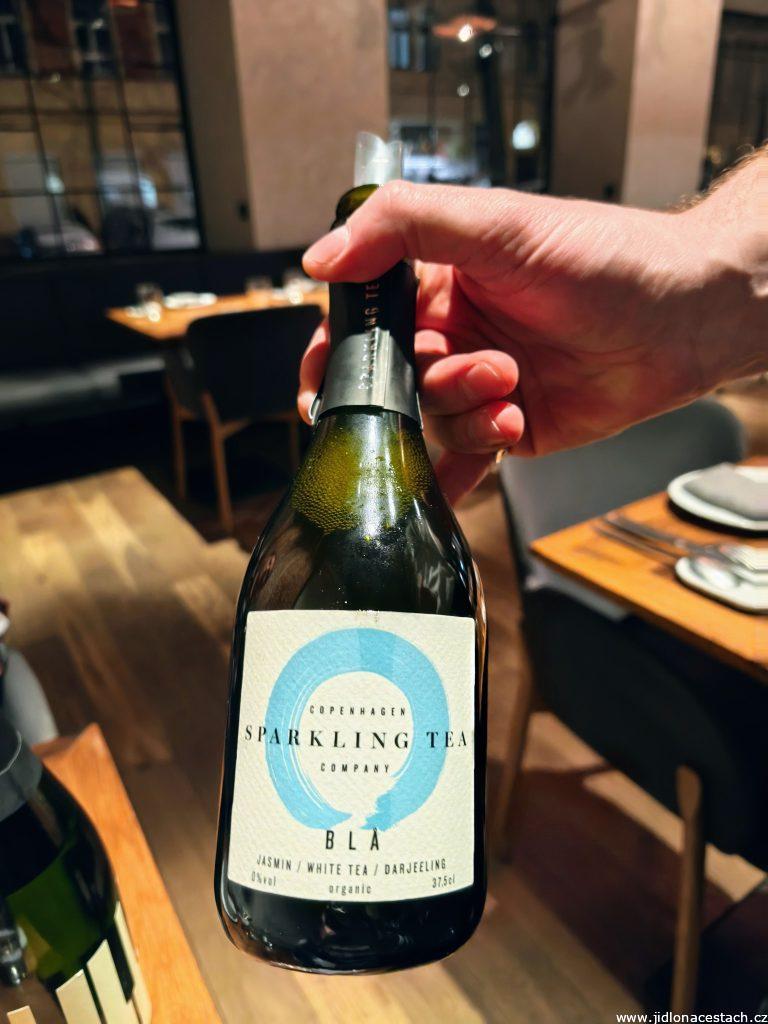
I planned to stay alcohol-free the whole evening and just “taste” wines from my companion. I was resigned to a carafe of water; when I announced this to the staff, there was just a small conspiratorial wink, and Copenhagen Sparkling Tea Blå landed on the table. Something I absolutely would not have expected here. In that moment, I was “theirs” and “they were mine”.
This Danish sparkling tea is a beautiful example that the absence of alcohol does not mean the absence of taste or complexity. Blå (“blue”) tea is built on notes of jasmine and chamomile, underscored by the depth of green teas and the gentle tannins of Darjeeling in the finish.
The four-course menu plus dessert costs 1,450 CZK (58 EUR) at El Camino, five courses and dessert cost 1,650 CZK (66 EUR), and six courses and dessert then 1,850 CZK (74 EUR).
In the Gault&Millau gastronomic guide for 2025, the El Camino restaurant received a high rating of 14 points out of twenty possible (two toques); it will likely be missing from the Czech Michelin guide for 2026, which is a great shame. It would deserve an award not only for its exemplary hospitality.
Bon appétit!
Restaurant website: elcaminotapas.cz/en/
🇨🇿 Roasted pork meat with sauerkraut and dumplings? Try tacos, pho, or shakshuka! Czech cuisine is great, but exploring world cuisine will open new dimensions for you. Sign up for my newsletter and get for free exclusive access to information about excellent dishes from Turkey, Spain, or Israel!