Iskan (شارع إسكان) is a legendary street food street in the heart of Kurdish Erbil that never sleeps, where smoke from grills mingles with the scent of fresh bread until the early morning hours.
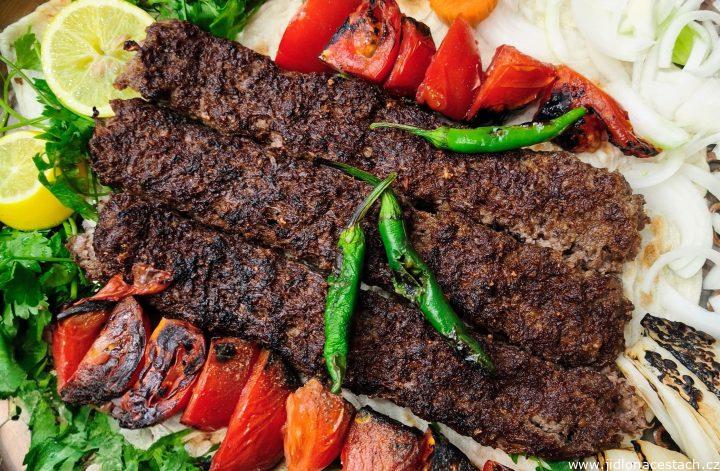
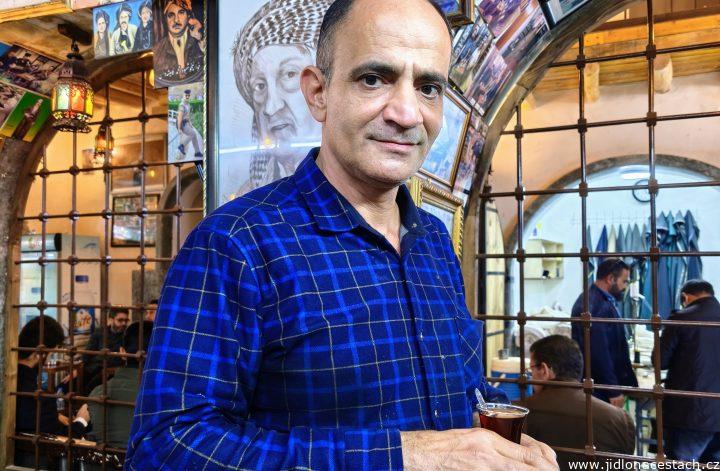
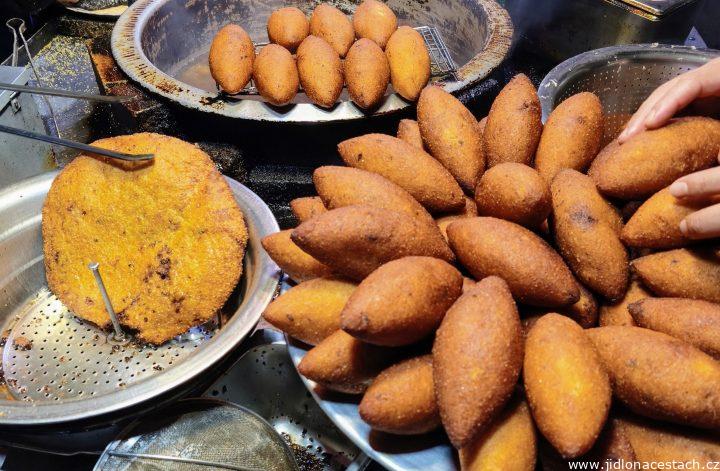
If you find yourself in the capital of Iraqi Kurdistan and love food, your steps will lead you here sooner or later. At night, it is a vibrant corridor lined with dozens of open kitchens, carts, and stalls where food is prepared right before your eyes. Grilled meat, kebabs, pacha, kubba, daheen, or strong Iraqi tea, you will find it all here.

Visually, it is chaos in the best sense of the word. Neon signs in Kurdish and Arabic, mountains of stacked meat, steam rising from giant pots, and the constant movement of waiters with trays full of tea weaving between plastic chairs scattered across the sidewalk.

The history of Iskan Street is not as old as the citadel towering over the city, but it is just as key to Erbil’s modern identity. Paradoxically, the turning point for its gastronomic boom was the war and instability in the region. In times when other parts of Iraq suffered from conflicts, Erbil was a relatively safe haven. Iskan became a meeting place, an escape from reality, and a space where people could eat cheaply and well. The concentration of stalls here emerged organically. One successful vendor attracted another, until an ecosystem was formed that works on the principle of healthy competition – if your food isn’t fresh and tasty, you won’t survive in the flood of other options.

The street’s specific nightlife has a prosaic reason: the hot climate. During the day, when temperatures climb to fifty degrees for most months of the year, the city rests. Only after sunset, when the air cools down, do people come out. Iskan comes fully alive around 10 PM and lives until dawn.

Food preparation at Iskan is theater. Grilling is done exclusively over charcoal. Chefs turn dozens of skewers at once and use fans to stoke the coals to achieve higher heat. Everything happens quickly, efficiently, and without unnecessary frills. At many stalls, the customer first buys a token, which they then simply hand to the chef.

Food at Iskan is not consumed in silence and solitude. You sit on simple plastic chairs right on the sidewalk, surrounded by the noise of the street. Everything around you is alive, buzzing.

You don’t leave Iskan just full. You leave with the feeling that for a moment, you became part of the wild, beating heart of the city.