What to Eat in Bordeaux
Bordeaux is a port city on the Garonne, the capital of southwestern France and the heart of a wine region whose name is familiar even to people who don't drink wine. The vineyards start just past the last houses: the Médoc on the left bank, Pomerol and Saint-Émilion on the right, sweet Sauternes to the south. I spent a week in Bordeaux and quickly realized there's no getting away from wine here - it runs through the local cooking too, from sauces to desserts.
Bordeaux and Wine
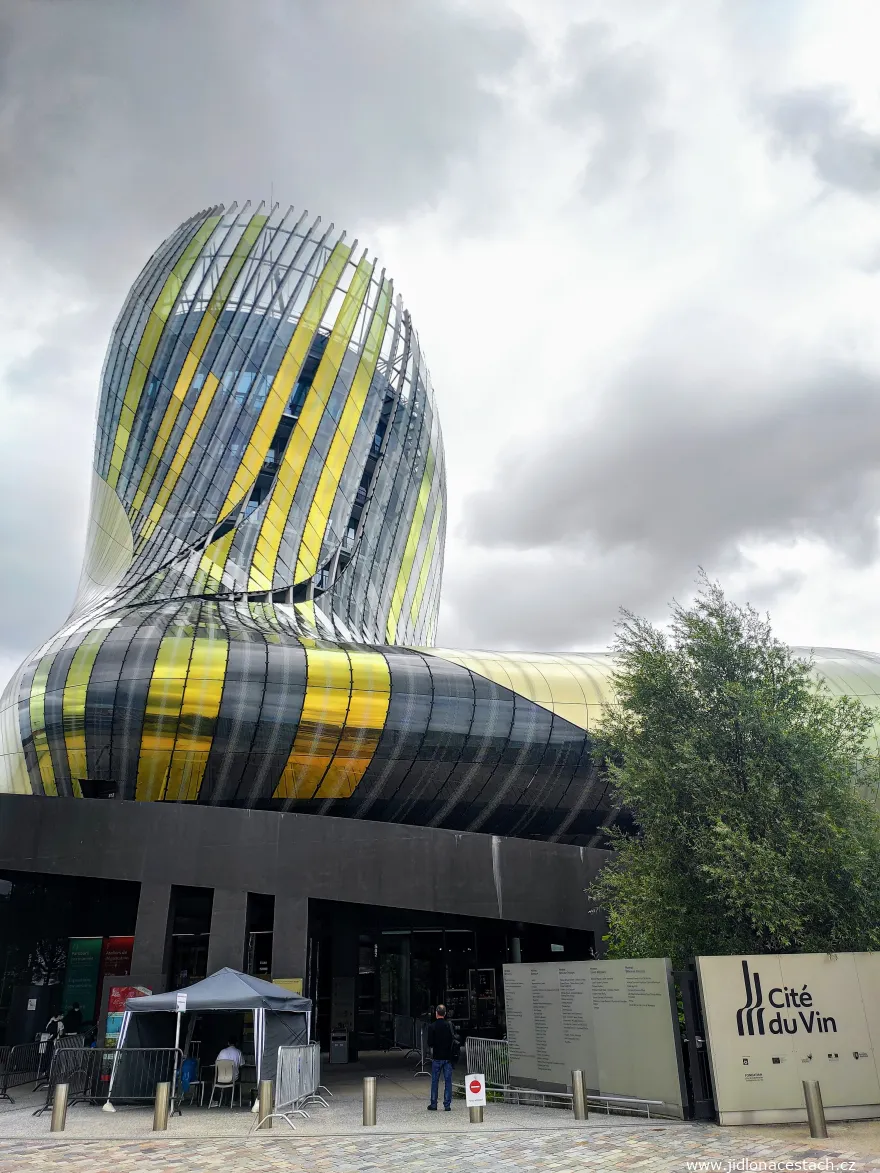
With 111,000 hectares and sixty appellations, the Bordeaux vineyards make up the largest AOC region in France. The map is best read by riverbank: the left bank and the Médoc belong to cabernet sauvignon and wines that age for decades, while the right bank around Saint-Émilion, where merlot dominates, is the softer, rounder side of French wine. If you want to understand wine before you start drinking it, head to La Cité du Vin, the interactive museum on the banks of the Garonne - everything in it is there to be touched, sniffed and clicked on. The visit ends with a glass on the eighth-floor belvedere, with a view out over the city and the river.
For the vineyards themselves I set off for Saint-Émilion, a medieval village on a limestone ridge half an hour by train from the city - in 1999 it became the first wine landscape in the world to make the UNESCO list. Of all the vineyards I've walked through on my travels, none has been more beautiful than this one: I planned a day trip and stayed two days. I tasted the wine right in the limestone cellars, where it ages just a few metres below the streets and some of which you can visit for free.

What to Eat in Bordeaux
- Canelé. A small fluted cylinder with a dark caramelized crust and a moist, almost custardy center flavored with rum and vanilla. It's the symbol of Bordeaux: the local brotherhood of pastry makers has trademarked the spelling with a single "n", and nobody here will accept a pale, underbaked one as a canelé.
- Entrecôte à la bordelaise. Beef steak with a sauce of red wine, shallots and bone marrow. The recipe originated among Bordeaux's coopers and cellar masters; winemakers grilled the meat over vine cuttings gathered during the winter pruning.
- Huîtres du Bassin d'Arcachon. Oysters from the Arcachon Bay outside the city. In the Gironde they've been eaten with crépinettes, small flat sausages, since the 19th century - the easiest place to try the combination is the Marché des Capucins market hall in Bordeaux in the morning.
- Bordeaux AOC. The red wines that made the city famous. You can taste them on the belvedere at La Cité du Vin and in the cellars of the surrounding appellations.
- Sauternes. A sweet dessert wine from the appellation south of the city. It owes its concentrated sweetness to noble rot, brought on by the autumn mists where the cold Ciron meets the warmer Garonne; it's also served with canelé.
- Macarons de Saint-Émilion. Single-shell almond macarons with no filling, baked to a tradition that goes back to 1620, when the Ursuline nuns settled in the village. I bought my box right at the workshop of the woman who holds the recipe today - you'll notice the coarsely ground almonds from the very first bite.
- Caviar d'Aquitaine. Caviar from sturgeon farmed in the Gironde, which today accounts for about 80% of French production; since 2025 it has been protected by the IGP mark. It carries on the tradition of fishing for wild sturgeon in the local estuary, which took hold here in the 1920s.
- Lamproie à la bordelaise. Lamprey stewed in red wine and its own blood, a recipe that dates back to the Middle Ages. It's caught by the last dozen or so fishermen in the estuaries of the Gironde and the Dordogne, and the season only runs from March to May.
- Dunes blanches. Crisp little choux pastries filled with whipped vanilla cream and dusted with sugar to look like the white dunes near Arcachon. Arcachon pastry chef Pascal Lucas came up with them in 2007, and today there's a shop in Bordeaux itself too.
- Puits d'amour. "Well of love" - a choux pastry shell filled with caramelized crème Chiboust. It comes from Captieux in the south of the Gironde, and it's still baked by the local Seguin house, which also has a shop in Bordeaux.
- Tricandilles. Pork intestines fried until crisp, once grilled over vine cuttings. A Gironde delicacy from the days when Bordeaux's slaughterhouses processed offal on a large scale.
- … and dozens more French dishes on the list: What to Eat in France.


Where to Eat in Bordeaux
- La Table de Montaigne. The gastronomic restaurant of the Palais Gallien boutique hotel, a few minutes from the historic center. It serves a seasonal tasting menu as a carte blanche menu: you don't choose, the kitchen sends out whatever it feels like cooking. This is where I first got into fine dining. When I stood in the doorway in shorts and cautiously asked whether I was dressed appropriately, the manager replied: "You are always dressed correctly, sir." There aren't many seats, so book ahead.
- Cassonade. A pastry shop that specializes in canelé, with several branches in the center; it also sells through a window onto the street, so you can grab a bag and head straight off around town. This is where I tried canelé myself - the crust cracked the moment I pressed it with my fingers. Go for the darkest ones, and be warned: one canelé is never enough.

In the end, what got me most in Bordeaux was a shelf in the La Cité du Vin shop: among wines from what seemed like every continent stood a Pálava from the Sonberk winery in Moravia. Bordeaux sees wine as the whole world - and it counts Moravia in.
Enjoy eating your way around Bordeaux!



Saint-Émilion: A Wine Village Near Bordeaux
Fewer than two thousand locals and more than a million visitors a year - and even at the height of the season I had the lanes to myself. Saint-Émilion is a medieval wine village near Bordeaux with a church carved into the rock, cellars under the streets and a wine classification the châteaux keep fighting over in court. Here is what to see, what to taste and why it deserves at least two days.

Macarons de Saint-Émilion: Convent Macarons Without a Filling
In the wine village of Saint-Émilion they bake a macaron with no cream, no coloring and no second half - just coarsely ground almonds, egg whites and sugar. The recipe has supposedly been guarded since 1620 by a convent of Ursuline nuns, though these days the box makes the case better than any archive. What does the original version of France's famous sweet taste like, and why can't you buy it outside Bordeaux?

La Cité du Vin: The Wine Museum in Bordeaux
The glass building on the bank of the Garonne is meant to suggest wine swirling in a glass - even if half the guidebooks call it a decanter. Inside La Cité du Vin you sniff your way through aromas trapped under glass domes, you click through videos in whatever order you like, and the tour ends with a glass of wine on the eighth-floor belvedere. In the shop I even came across a Moravian Pálava.

La Table de Montaigne: The Bordeaux Restaurant That Got Me Into Fine Dining
For a long time I skipped the better restaurants on my travels. La Table de Montaigne, the gourmet restaurant of the Palais Gallien hotel in Bordeaux, changed that in a single evening: a tasting menu the guest doesn't choose, a manager who took one look at my shorts, paid me a compliment and showed me to a table, and the start of a habit: working out where I'll eat before every trip.

Canelé: The Bordeaux Treat With a Caramel Crust
Canelé is a small fluted cylinder from Bordeaux, baked in a copper mold until the crust is almost black and the center is like custard. Its name comes from the flutes on classical columns, its origin from a legend about nuns and from a guild that was forbidden to use milk and sugar.