What to Eat in Armenia: Typical Armenian Food and Specialties
In Armenia you can look over a baker's shoulder and watch a craft thousands of years old: a flatbread slapped onto the inside wall of a clay oven dug into the ground. That is Armenian cooking in a nutshell - one of the oldest cuisines in the world, and one that never stopped cooking the old way. At the crossroads of Persia, Turkey, Georgia, the Arab world and Russia it picked up influences from every direction, and still stayed true to itself.
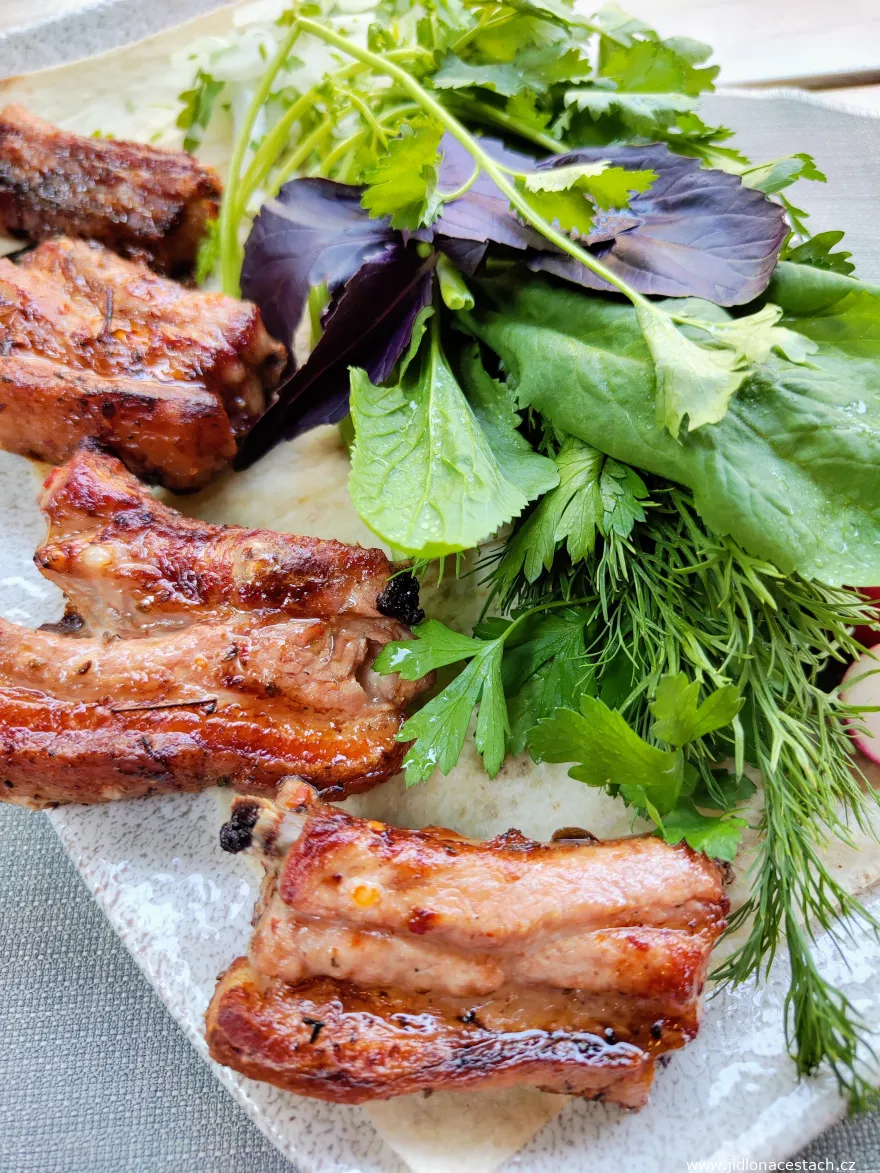
Armenia feeds its guests generously: meat off the grill, grain porridges, pulses and a mountain of herbs, fresh and dried. Matsun yogurt goes into almost everything - into soup, alongside tolma, into a drink - and vegetables here mean mostly eggplant, tomatoes and peppers. Before the food arrives there is bread on the table: thin lavash and fluffy matnakash always turn up, no need to order them.
Bread here is cutlery, wrapper and emergency rations all in one. You scoop meat off the grill with lavash, you wrap cheese and herbs in it, and dried it keeps for a good six months. Understand why Armenians hold bread in such reverence and you understand the rest of their cooking.
The Armenian National Dish
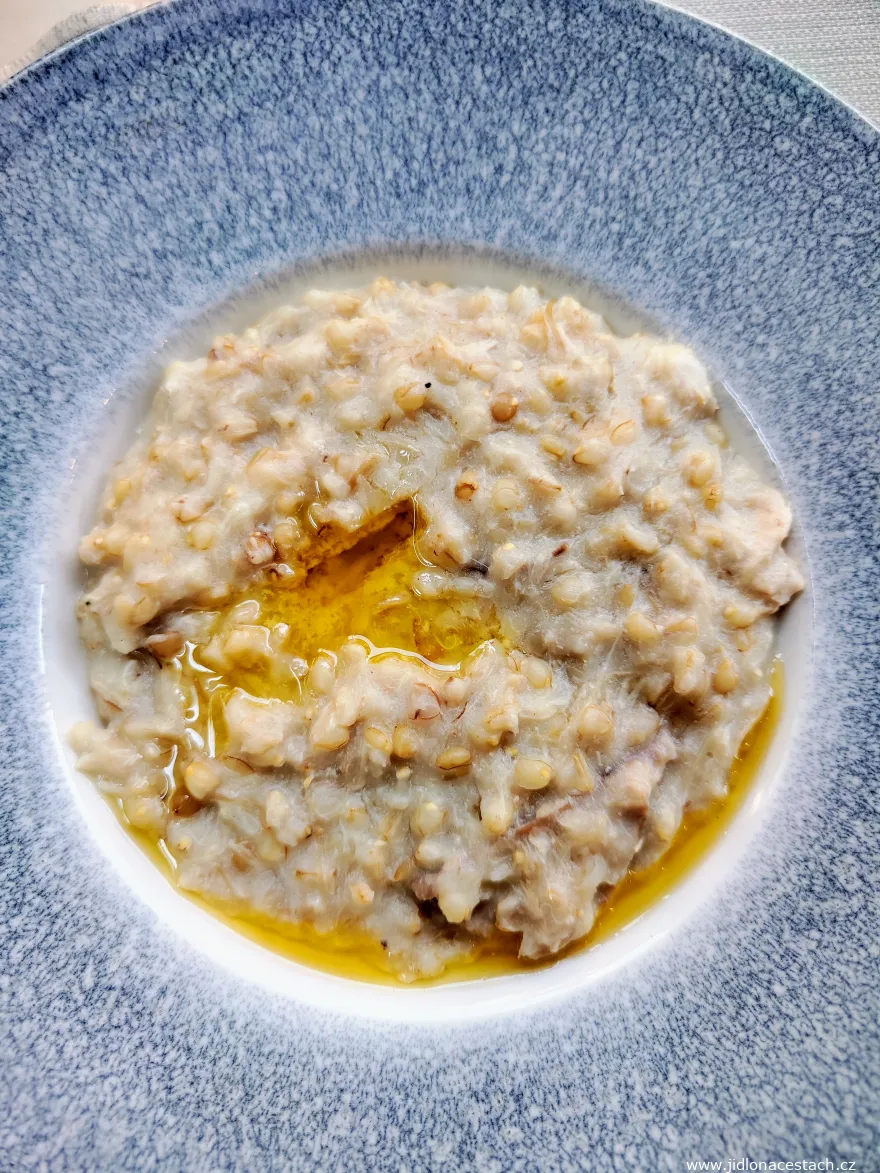
The national dish is harissa: a porridge in which korkot, hulled cracked wheat, cooks with meat until the two melt into a single stringy mass. It is stirred for hours with a wooden paddle and comes to the table under a slick of melted butter. For centuries it was the food of weddings, feast days and Easter morning.
But harissa is not just festive food - it is the dish that kept Armenians alive. The defenders of Musa Dagh lived on practically nothing else through the whole siege of 1915. Every September it is cooked again at the memorial in Musaler, in great cauldrons - one for every defender who died.
Typical Armenian Food
You smell an Armenian celebration before you see it: khorovats over the mangal, meat that has spent hours resting in an onion marinade. It comes off the skewers straight onto lavash. And the grill does not stop at meat - vegetable khorovats means eggplant, peppers and tomatoes charred whole and then stripped of their blackened skins.
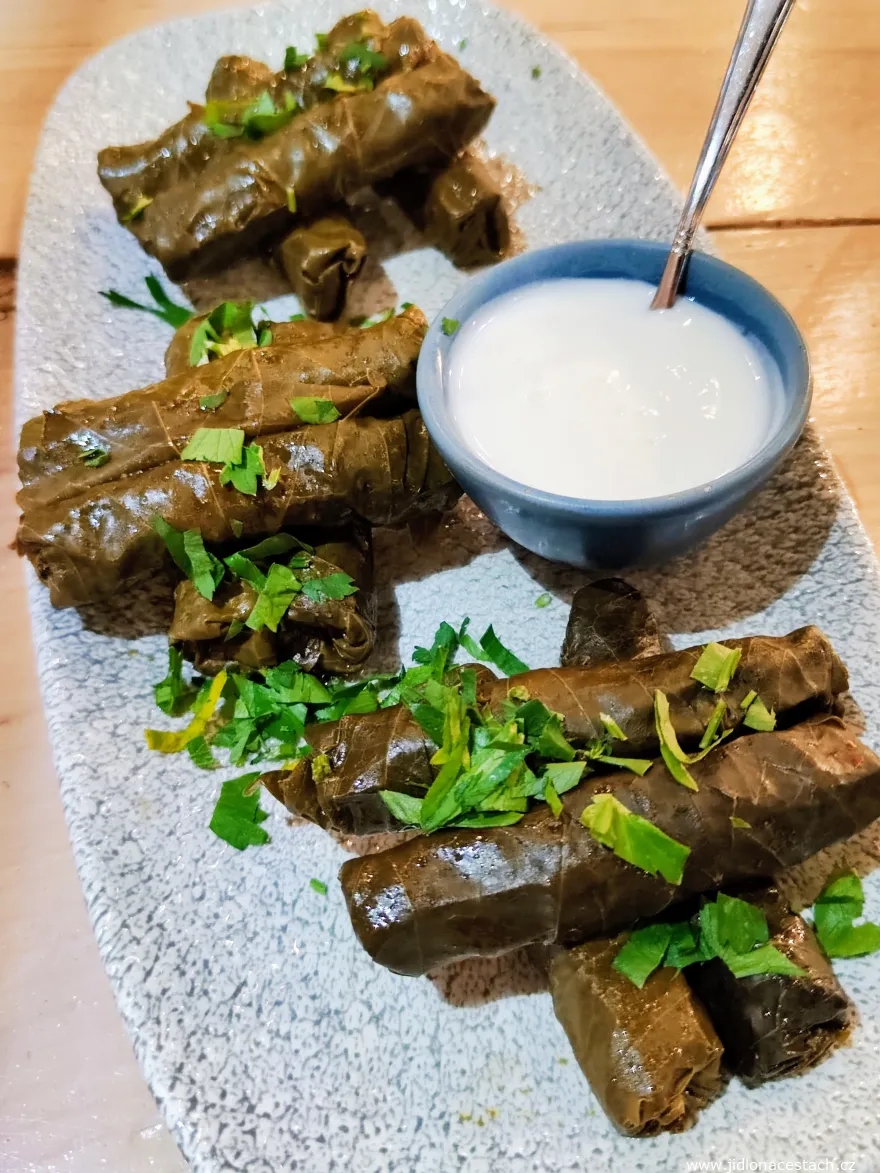
Just behind khorovats comes tolma: ground meat and rice wrapped in vine leaves. Armenians count more than fifty versions - in summer the filling goes into vegetables, and the New Year table calls for Lenten pasuts tolma made with cabbage leaves. With a bowl of matsun stirred with garlic alongside; there is no other way.
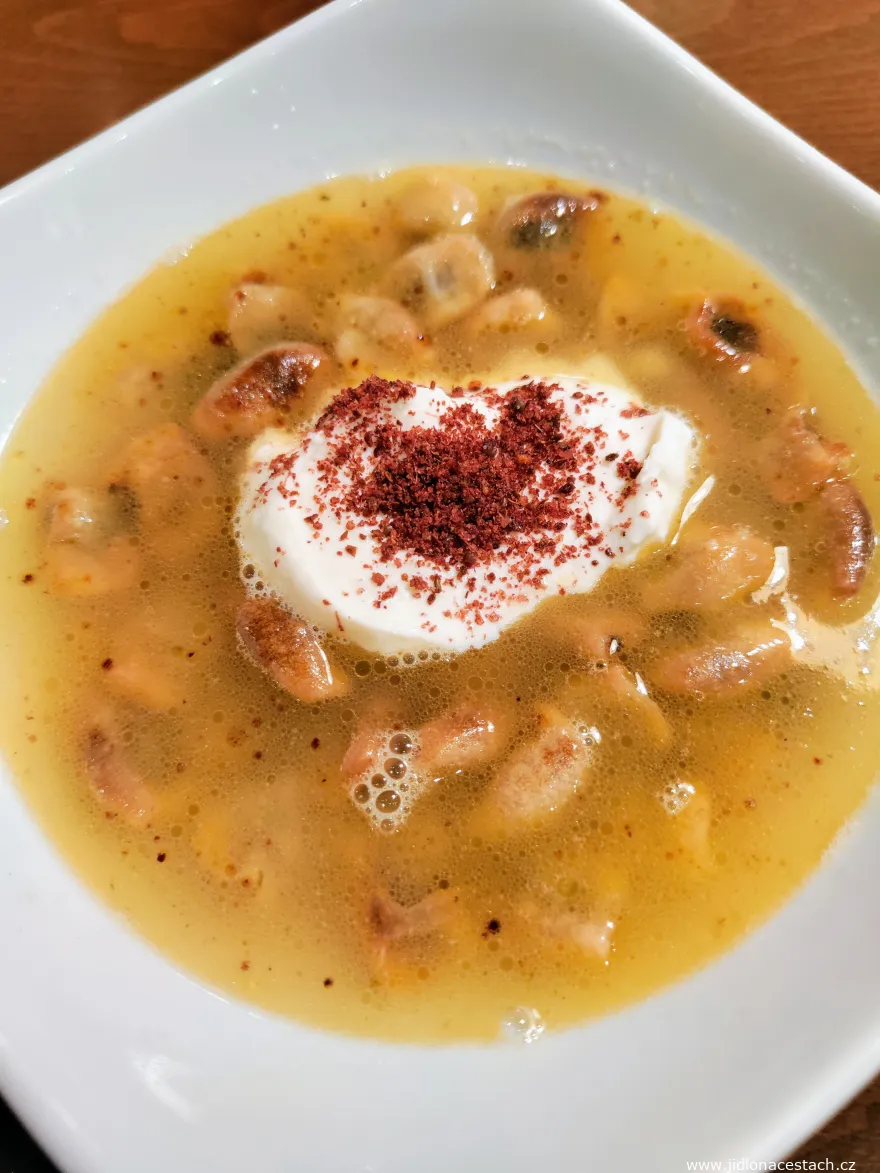
Everything stuffed and baked is a story in itself: ghapama, a pumpkin packed with rice, dried fruit and honey, baked manti dumplings swimming in chicken broth, or the herb flatbread zhengyalov hats. And then the soups: yogurt spas, hearty khashlama of meat and vegetables cooked in big pieces, and mutton putuk, named after the clay pot it comes to the table in.
What to Eat in Armenia
- Harissa. Hulled cracked wheat korkot and meat cooked down into one thick porridge and finished with butter. The national dish that helped Armenians survive the siege of Musa Dagh.
- Khorovats. Grilled meat off the mangal, marinated with onion beforehand. The number one order at every celebration.
- Vegetable khorovats. Whole eggplant, pepper and tomato off the grill, peeled of their charred skins afterwards. Vegetables that hold their own as a course.
- Tolma (dolma). Ground meat and rice in a vine leaf, with garlicky matsun alongside. Armenians know more than fifty versions.
- Ghapama. A hollowed-out pumpkin filled with rice, dried fruit, walnuts and honey and baked whole. Festive food with a song of its own.
- Manti (mantapur). Small dumplings that Armenia does not steam but bakes. Flooded with chicken broth and matsun, they take the name mantapur.
- Spas. A tart soup of matsun and dzavar wheat. Hot it warms you in winter, cold it refreshes you in summer.
- Nraneh. Lamb soup sharpened with pomegranate juice.
- Putuk. Mutton and chickpeas cooked slowly in the small clay pot that gives the soup its name. The pot goes from the oven straight to the table.
- Khashlama. Big pieces of meat, potato and vegetables cooked together in an aromatic broth. A mountain classic - back home we would call it cauldron goulash.
- Gouvaj. Lamb baked with vegetables under a lid of flatbread. The bread soaks up the juices as it bakes and gets eaten with it.
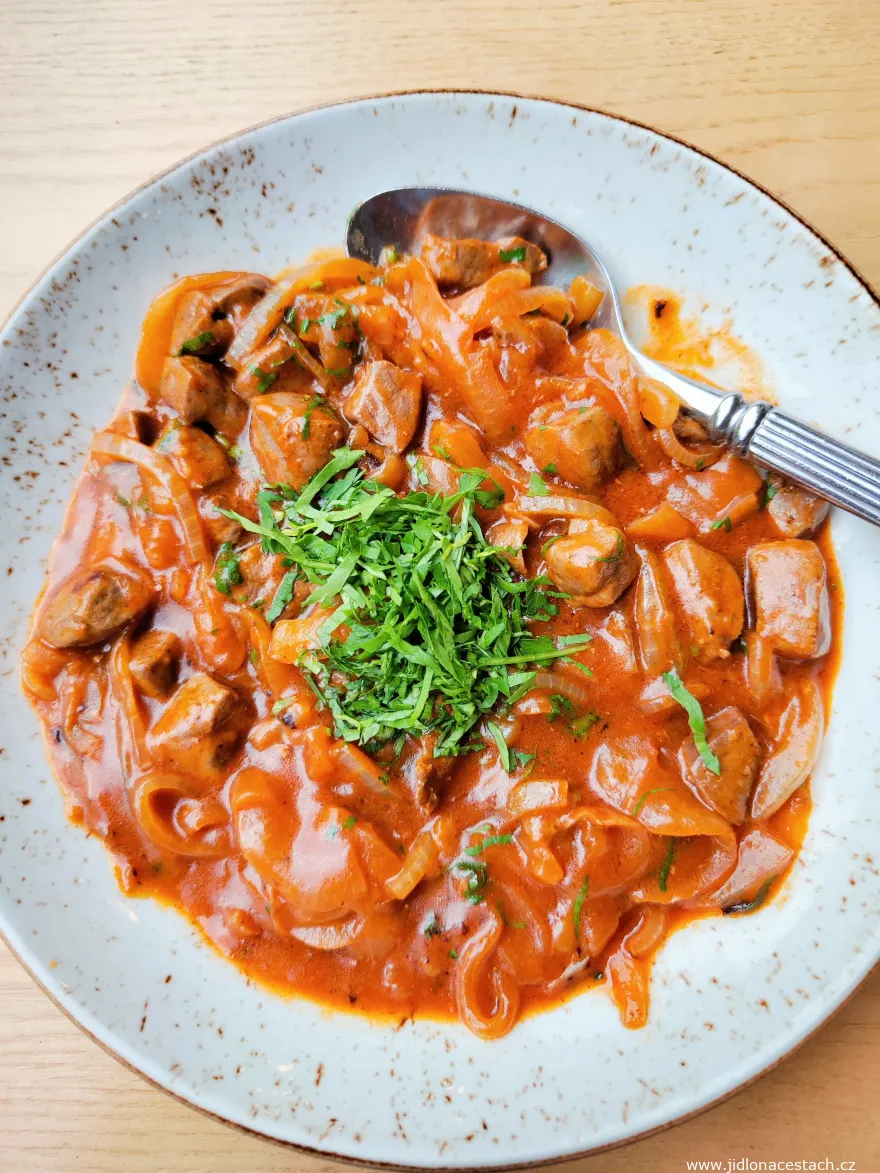
- Tjvjik. Liver fried golden with onion, usually with tomatoes added. The name is said to imitate the hiss of the pan.
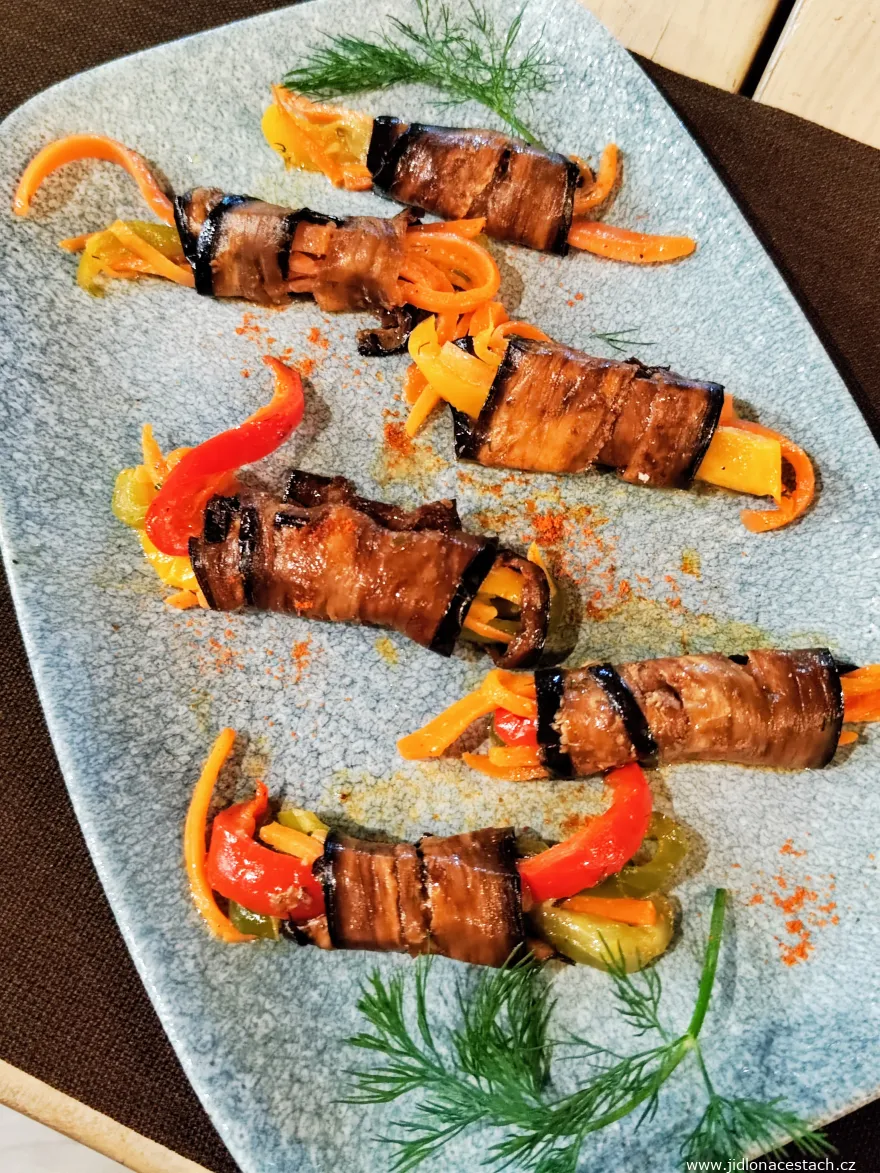
- Voloran. Rolls of fried eggplant filled with carrot, pepper and onion. A vegan dish that meat eaters reach for too.
- Arishta. Noodles that are dried, toasted in a dry pan and only then boiled. The toasting gives them a faintly nutty note.
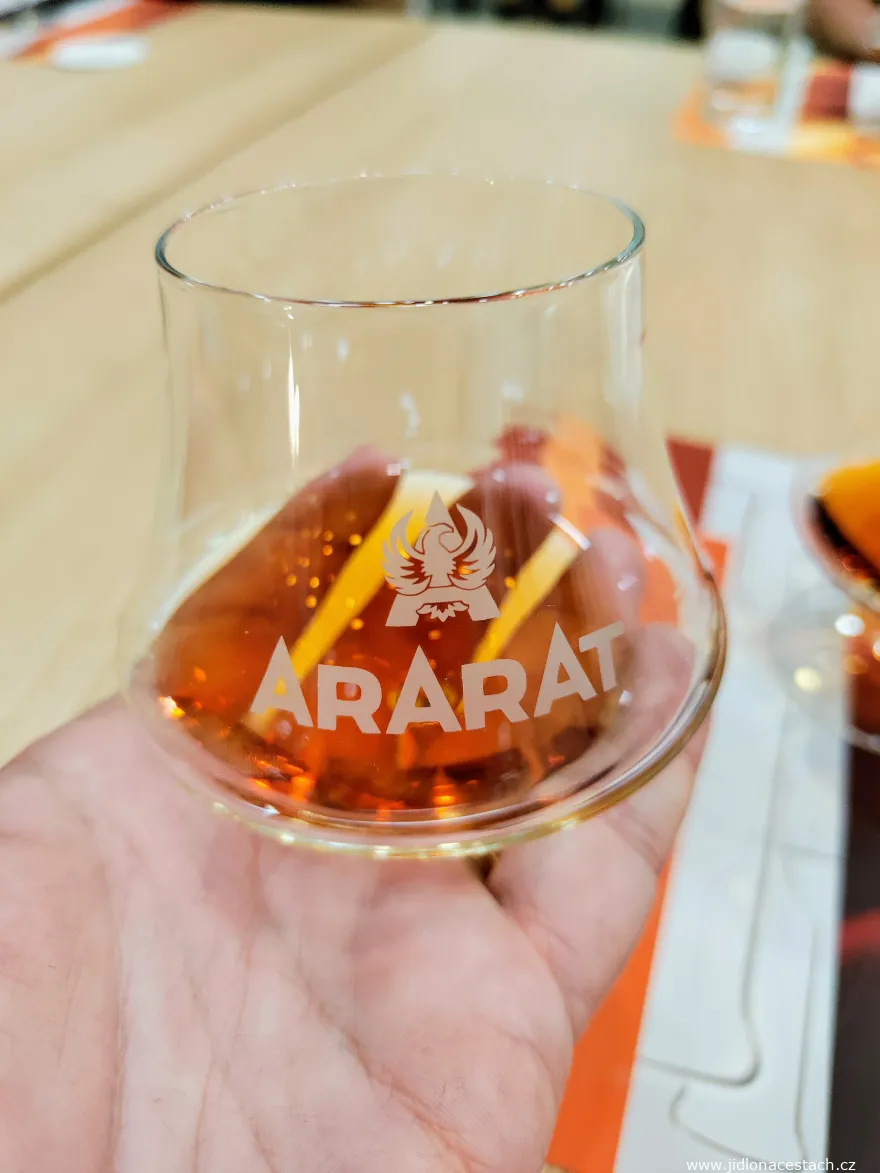
- Ararat brandy. A spirit from a Yerevan distillery founded in 1887; at home nobody calls it anything but cognac. The country's most famous liquid export.
- Noy brandy. Yerevan's second brandy, aged in cellars on the site of an old fortress. It is named after Noah.
- Aveluk. Wild sorrel dried in braids and soaked before cooking. It goes into salad with walnuts and into soup with lentils.
- Basturma. Beef air-dried in a chaman crust of fenugreek, paprika and garlic. Try it in an omelet for breakfast.
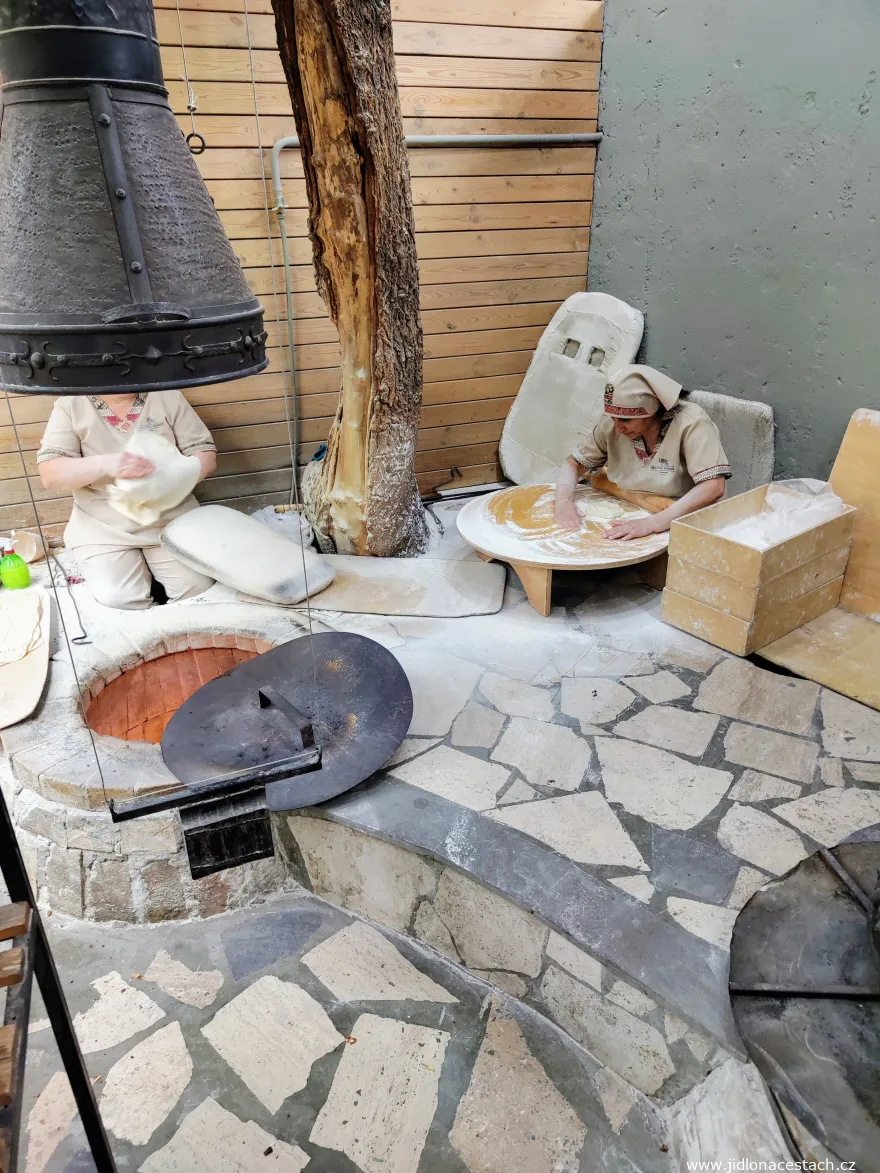
- Lavash. A flatbread baked in a few dozen seconds on the wall of a tonir oven. Lavash baking was added to the UNESCO list in 2014.
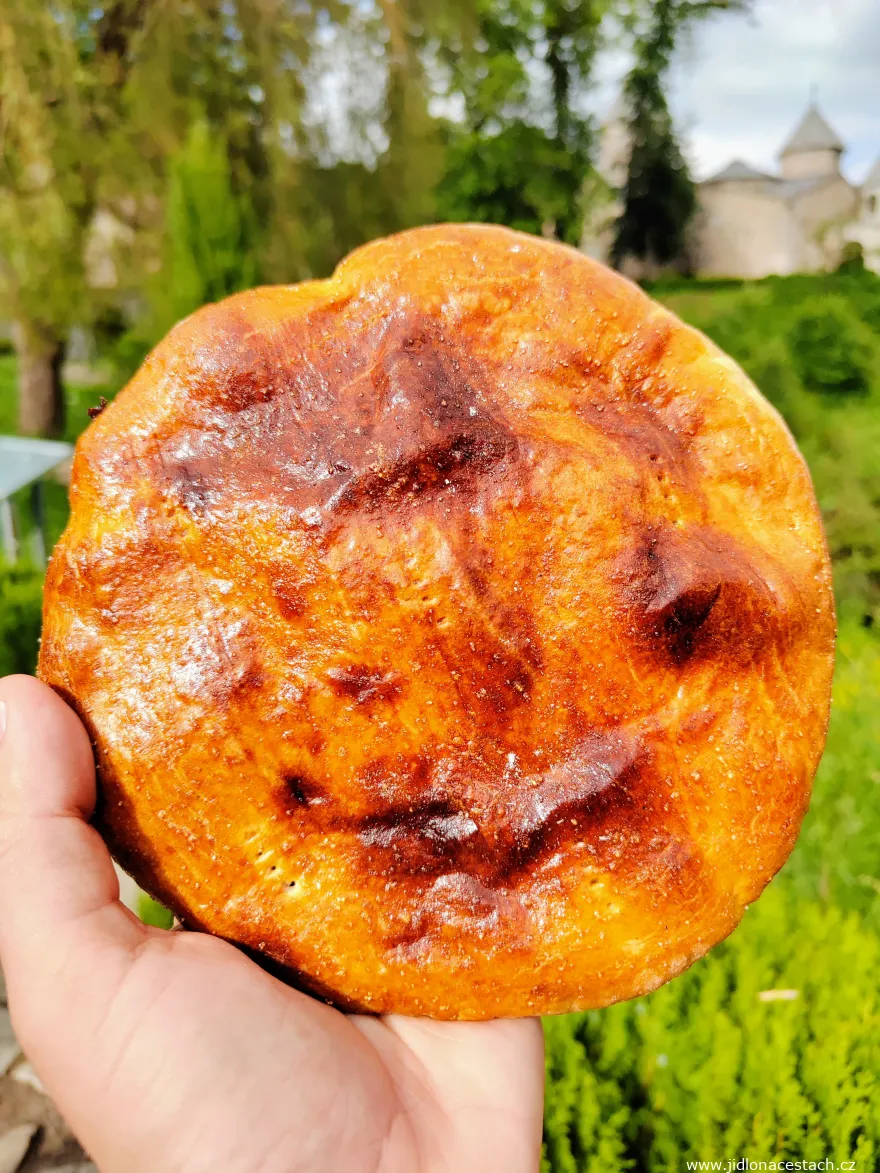
- Matnakash. A leavened loaf with grooves the baker draws in the dough with his fingers. It is at its best next to a bowl of soup.
- Zhengyalov hats. A flatbread hiding ten to twenty kinds of herbs depending on the season. The pride of Artsakh and the south of the country.
- Lahmajun. A flatbread as thin as paper, spread with ground meat and vegetables - Armenian pizza with a pedigree from Aleppo in Syria. Washed down with tan.
- Ishkhan. A trout that lives only in Lake Sevan; in Armenian, prince. It reaches the plate from farms only, since fishing in the lake is banned.
- Gata. A buttery cake with a sweet khoriz filling. It looks different from region to region, and at New Year a lucky coin is baked into it.
- Tan. Matsun stirred with water and salt. It is like Turkish ayran, only thinner.
- Jermuk. Mineral water with a faint salty edge, from the spa town of the same name. One of the best-known Armenian brands.
- Armenian wine. The Areni and Voskehat grapes that grow nowhere else. The winemaking tradition here goes back to the oldest winery in the world.
- Baklava Gavar. Baklava from the town of Gavar: 22 to 25 sheets of pastry, walnuts and hot honey. It is on Armenia's cultural heritage list.
- Sujukh. Walnut halves on a string, coated in thickened grape juice, doshab. No Armenian New Year starts without this sweet.
- Armenian apricots. Fruit with Armenia written into its Latin name, Prunus armeniaca. Come in season and do not leave without trying them.
- Khash. A broth of beef trotters simmered for 8 to 10 hours. Winter morning food, eaten with lavash and garlic.
- Matsun. The yogurt that tan, spas and the sauce for tolma cannot do without. Making it is part of Armenia's cultural heritage.
- Chechil cheese. Salty ropes of string cheese twisted into a braid.
- Horats panir. Literally buried cheese: salted and scented with herbs, it ages for months in a clay vessel under the ground. I never worked up the courage for it in the summer heat.
- Pomegranate wine. Usually semi-sweet, with an earthy note. In Armenia the pomegranate stands for fertility and abundance.

Typical Armenian Drinks
The day in Armenia is framed by surch coffee - finely ground, brewed in a cezve and pulled off the heat at the exact moment the foam rises. Then you can have your future read from the upturned cup; fortune-telling from the grounds is apparently still going strong here. Tea is mostly herbal, most often wild mountain mint.
With food you drink tan: matsun stirred with water and a pinch of salt. It is thinner than Turkish ayran, and locals swear by it especially with fatty food. Restaurants mix it fresh and shops sell it bottled - sparkling, or with cucumber, mint or dill. Among the waters Jermuk rules, from a spa town Armenians like to compare to Carlsbad; the town itself is worth a stop.
Beer comes only third in the Armenian pecking order, behind wine and spirits - though more of it is made than wine. Xenophon wrote about Armenian beer almost twenty-two centuries ago; back then they called it garejur, barley water. Today you reach for Kilikia from Yerevan or the pale lagers from Gyumri.
There are few places in the world where wine has been made longer than in Armenia. The Areni-1 cave yielded a winery some 6,100 years old, and the native Areni and Voskehat grapes grow nowhere else. Today's Armenian wine proudly traces its line back to that find, and pomegranate wine, mostly semi-sweet, adds variety.
The flagship, though, is still brandy, which Armenians stubbornly call cognac. Ararat is distilled at a plant dating to 1887, Noy ages on the site of the former Erivan Fortress. Both brands grew from the same roots and now face each other across the Hrazdan River - and both let visitors in for a tour with a tasting.
How to Enjoy Armenian Food to the Fullest
- Try harissa before anything else. Restaurants with traditional cooking lead with the national dish, and it comes with a story: for Armenians, harissa is a symbol of the nation's survival.
- With khorovats, do not stop at the meat. Pork ribs off the mangal are the classic, but the grilled eggplant, gently smoky and buttery soft, was the best I have ever eaten.
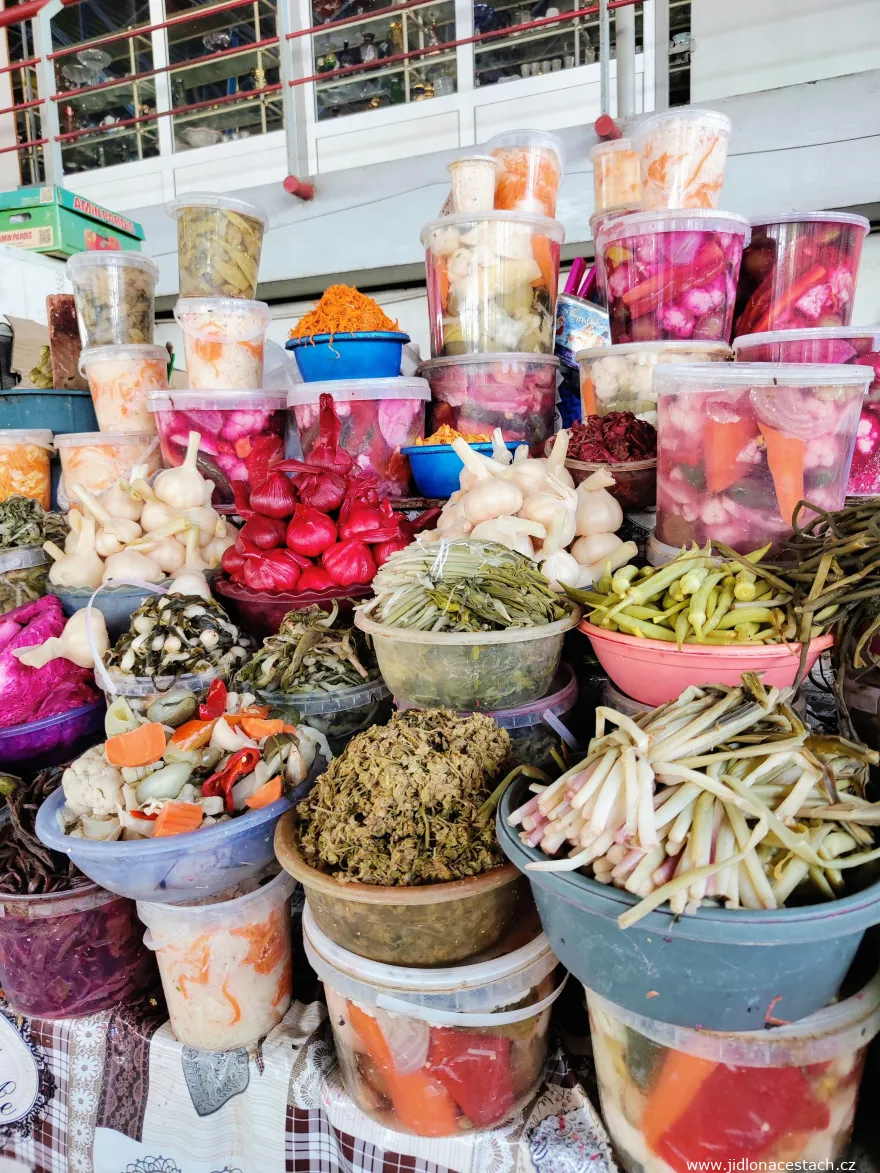
- Set aside a morning for the GUM Market. You can taste the dried fruit, spices and herbs right at the counter of Yerevan's biggest market. Just bring cash, and ask the price up front for anything sold by weight.
- Taste the brandy at the source. Ararat and Noy sit a few minutes apart in Yerevan, so you can manage both tours in a day - and each distillery has a completely different feel.
- Have dinner with a duduk. Tavern Yerevan serves traditional dishes to live music and dancing; in some places you pay a small cover charge for a table by the stage, and it is worth it.
- Order your tan freshly mixed. Tan and a basket of lavash go with every meal - and tan mixed on the spot tastes nothing like the bottled kind.
- Do not miss the apricot season. Fresh Armenian apricots are sweeter and juicier than the ones we get back home. Dried ones survive the trip in a suitcase and rank among the best souvenirs from Armenia.
The Best Armenian Food
If I had to pick three personal favorites, the best Armenian food for me is:
- Tjvjik. I love liver, and the Armenian version is the best I know: perfectly tender, with onion and tomato sauce. One of the tastiest things I came across in Armenia.
- Nraneh. Lamb soup with pomegranate juice sounded like an experiment, but the meat fell apart and the broth was perfect. One of the most interesting flavors of the whole trip.
- Manti. I ordered baked mantapur whenever it was on the menu. Crisp dumplings, broth and tart matsun simply work together.
How to Say Thank You for Armenian Food
The full Armenian thank you is "shnorhakalutyun" (Շնորհակալություն) - a word that ties tongues in knots, Armenian ones included. In everyday speech the French loanword "mersi" (մերսի) wins out, or the stronger "shat mersi" - thanks a lot. Feel free to use it yourself - nobody will take offense.
You will win the cook over with the idiom "dzerkerd dalar" (Ձեռքերդ դալար), literally "may your hands flourish" - it is a compliment for good work done by hand, and a good meal counts. And before you dig in, wish the others "bari akhorzhak" (Բարի ախորժակ) - bon appétit; the kh sounds like the ch in loch.
Regional Armenian Cuisine and Specialties
Gegharkunik (Lake Sevan and Gavar)
Lake Sevan is home to the endemic ishkhan trout - strictly protected today, so what reaches the plate comes from farms. Gavar on the western shore is home to the recipe for baklava of 22 to 25 layers, brought there by people resettled from Bayazet.
Vayots Dzor (Areni and Jermuk)
Wine country. Near the village of Areni archaeologists found the Areni-1 cave with the oldest winery in the world, and on the first Saturday of October the wine flows there at a festival with hundreds of samples. The spa town in the same region gives us Jermuk mineral water - at the colonnade you can fill up for free from springs at different temperatures.
Shirak (Gyumri)
The country's second city is the place for pilafs and stews, and brews its own Gyumri beer. Its pastry chefs make yaghli, a sheet of dough layered with oil and buried under powdered sugar.
Syunik and Artsakh
Home of the zhengyalov hats flatbread. Which herbs end up inside is down to the season; the recipe passes from mother to daughter.
Aragatsotn (Ashtarak)
Ashtarak makes sharots, a sweet sujukh of walnuts dipped in spiced grape juice. It is made at the end of summer so that it is on the table at New Year.
Interesting Facts About Armenian Food
- Lavash baking has been protected by UNESCO since 2014. Women bake it in groups: they stretch the dough over a hay-stuffed cushion, slap it onto the oven wall and it is done in under a minute. In 2016 five neighboring countries had the culture of the lavash flatbread inscribed as well - Armenia was not part of that one.
- A tonir is not built, a tonir is dug. The clay oven sunk into the ground was regarded in pagan times as the sun's reflection on earth, and anyone who could not afford a sacrificial animal sacrificed bread instead. On top of that, the oven heated the house.
- The oldest known winery in the world lies in an Armenian cave. Areni-1 preserved a press, fermentation vessels and vine remains some 6,100 years old - more than a thousand years older than comparable finds.
- The apricot is named after Armenia in Latin: Prunus armeniaca. Armenians describe the orange stripe on their flag as apricot, and the duduk, the national instrument whose music UNESCO lists, is carved from apricot wood.
- The official end of the word cognac is approaching. An agreement with the European Union allows brandy to be labeled cognac on the home market until 2032 and for export until 2043 - after that the name will be France's alone.
- Ghapama has a hit song of its own. "Hey Jan Ghapama", made famous by the singer Harout Pamboukjian, is about a pumpkin that feeds a hundred guests. Lifting the pumpkin lid in a cloud of fragrant steam is a small show in itself.
- Tolma is the subject of a Caucasian dispute. The inscription of dolma as an Azerbaijani tradition on the UNESCO list in 2017 had Armenia up in arms - the answer was a tolma festival of their own and a place on Armenia's national heritage list.
- The name harissa was supposedly coined by St. Gregory the Illuminator. Legend has it he had meat and grain cooked for the poor in Vagharshapat and ordered "hareq zsa" - stir it. Linguists put their money on an Arabic verb meaning to crush, but the legend lives on.
- Khash is a breakfast dish. The broth of trotters simmers for 8 to 10 hours overnight, and in the cold months people get up early for it - best in a decent-sized group.
- The pomegranate used to count children. By old custom the bride threw one at the door - however many seeds jumped out, that was how many children she could expect.
- The New Year gata has a coin inside. Whoever's piece it clinks in is due a lucky year.
- Czechoslovaks left their mark on Armenian beer too. The Kotayk brewery in Abovyan was built in the 1970s by Czechoslovak experts - the third big name in Armenian brewing alongside Kilikia from Yerevan and the lagers from Gyumri.

Enjoy Armenia and the best Armenian food!



Khorovats: Armenian Grilled Meat
Khorovats is the Armenian way of grilling meat over charcoal: chunks of beef, lamb, pork or chicken mixed with onion, threaded onto skewers and served on lavash bread with fresh herbs. The word simply means "grilled", so there's a vegetable khorovats too, and no celebration in Armenia happens without something off the mangal.

Tjvjik: Armenian Fried Liver with Onions
Tjvjik is Armenian liver fried with onions, these days usually stewed in tomato as well, and it takes its name from the noise it makes in the pan; Armenians use the same word for a fidgety child. In 1961 it got its own comedy film, with a plot that turns on one piece of beef liver. Where else liver is fried like this, how tjvjik is eaten and what it cost me in Yerevan.

Tolma: Armenian Stuffed Grape Leaves
Grape leaves wrapped around minced meat and rice, braised and served with garlic matsun yogurt - tolma is one of the main dishes on the Armenian table and a dish the whole region lays claim to. I'll explain why the tolma festival is named after a word linguists reject, how the Armenian version differs from the Turkish one, and I'll describe the tolma made with beef tenderloin at Lavash in Yerevan.

Mantapur: Baked Manti Dumplings in Armenian Broth
Mantapur is an Armenian soup made from manti - small dumplings filled with beef and onion, known across half of Asia, but only Armenian cuisine bakes to a golden brown and tops with chicken broth and yogurt. I traced the baked version from a 1914 cookbook in Merzifon all the way to the menu of Anteb Restaurant in Yerevan.

Ishkhan: The Endemic Trout of Lake Sevan
Ishkhan is a salmonid fish that in the wild lives only in Armenia's Lake Sevan. Its name means prince in Armenian, and it earned it for its looks, its delicate flesh and its need for clean water. Fishing in the lake has been banned since 1978 and the fish on your plate comes from a hatchery, so the Red Book protects it while the restaurants by the lake cook it as a matter of course. I ate mine steamed on the shore of Sevan.

Voloran: Fried Eggplant Rolls with a Vegetable Filling
In the Armenian dictionary voloran means a bend in the road; on the plate it is a slice of fried eggplant rolled around carrot and pepper that stay al dente. The eggplant roll is at home across the whole South Caucasus and the former Soviet Union, not in a single country - Georgia fills it with walnuts, Turkey with meat and Yerevan with vegetables. It's a cold appetizer that arrives before the meat.

Zhengyalov Hats: The Armenian Flatbread Filled With Raw Herbs
Zhengyalov hats is an Armenian flatbread of thinly rolled unleavened dough with a mound of raw chopped herbs baked inside - everything from nettle and sorrel to cilantro and violet leaves. It comes from Artsakh and the south of the Syunik province, and today it's sold all over Armenia. No meat, no cheese, no eggs, and just one secret: knowing what to pick in the meadow.

Khashlama: Armenian One-Pot Braised Meat
Armenian khashlama comes together in a single pot with almost no water: over three hours on a low flame the bone-in meat gives up its own juices, and tomatoes and onions supply the rest. The name means "boiled" - a leftover from the days of the cauldron. Georgia and Azerbaijan serve quite different dishes under the very same name.

Ghapama: The Armenian Festive Stuffed Pumpkin
Ghapama is a whole pumpkin stuffed with rice, dried fruit, nuts and honey, baked with its own lid on and cut open only at the table. The Armenian festive dish Harout Pamboukjian sings about has a Turkish name, an American pumpkin and cousins that all turn out to be something else. I tasted the savory version with beef tenderloin in Yerevan.

Gouvaj: Lamb Baked Under a Bread Lid
Gouvaj is lamb and vegetables baked in a ceramic dish that is sealed with a round of bread dough instead of a lid. It takes its name from the Turkish pot güveç, and Western Armenian cooking from around Gaziantep brought it to Yerevan. I ate gouvaj at Anteb Restaurant in Yerevan, where you break the charred lid with a spoon and eat it instead of bread, while the meat underneath falls into soft threads.