What to Eat in Bari
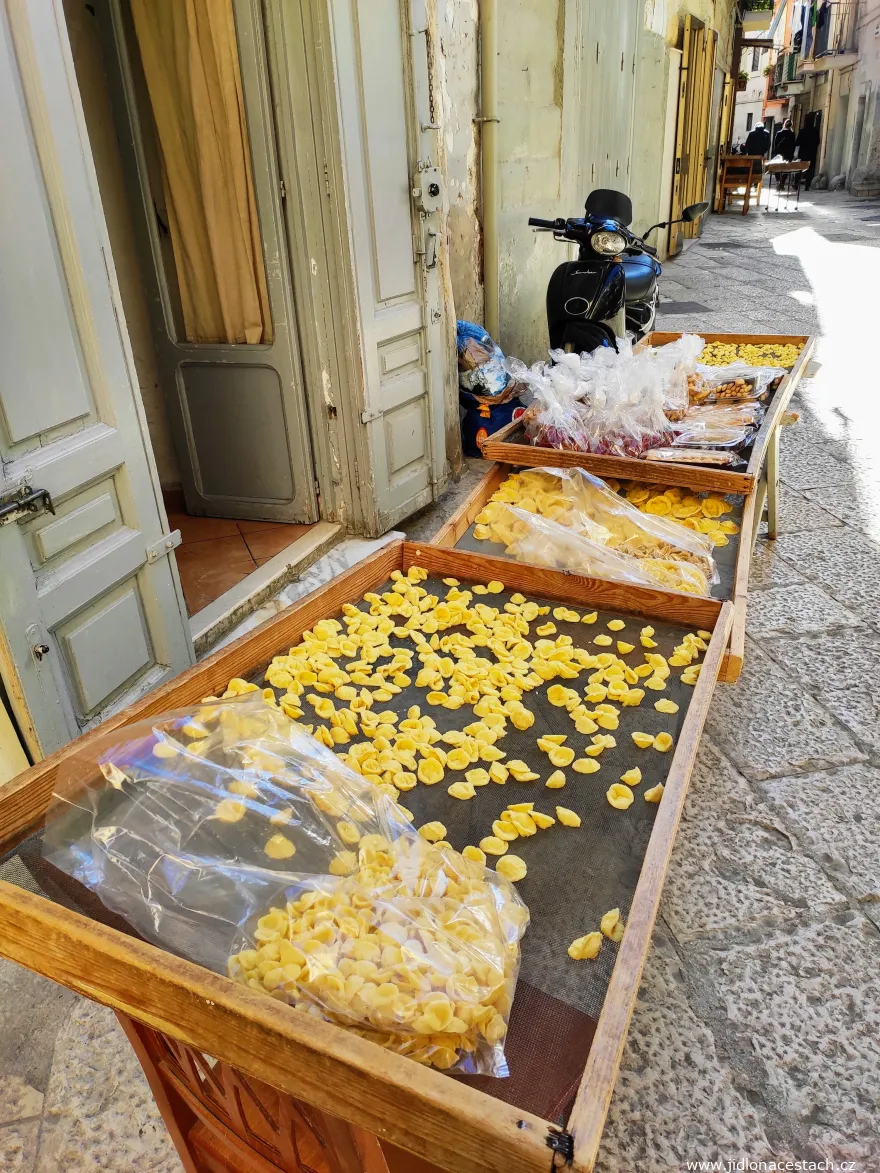
Bari is the capital of Apulia in southern Italy, a port city whose cooking rests on durum wheat and on whatever the sea brings in each morning. The best things here you eat with your hands: focaccia wrapped in paper, or a cone of fried polenta. And the little pasta ears dry on racks right outside people's front doors. The old quarter, Bari Vecchia, is one big open kitchen.

I've been to Bari many times, these days often as a gateway to everything around it. From the city it's a short hop to Matera and to Altamura for Italy's most famous bread. And if you've only got a couple of hours between trains, you can still fit in the old town, a focaccia and an ice cream - it's all within a few hundred meters.
What to Eat in Bari
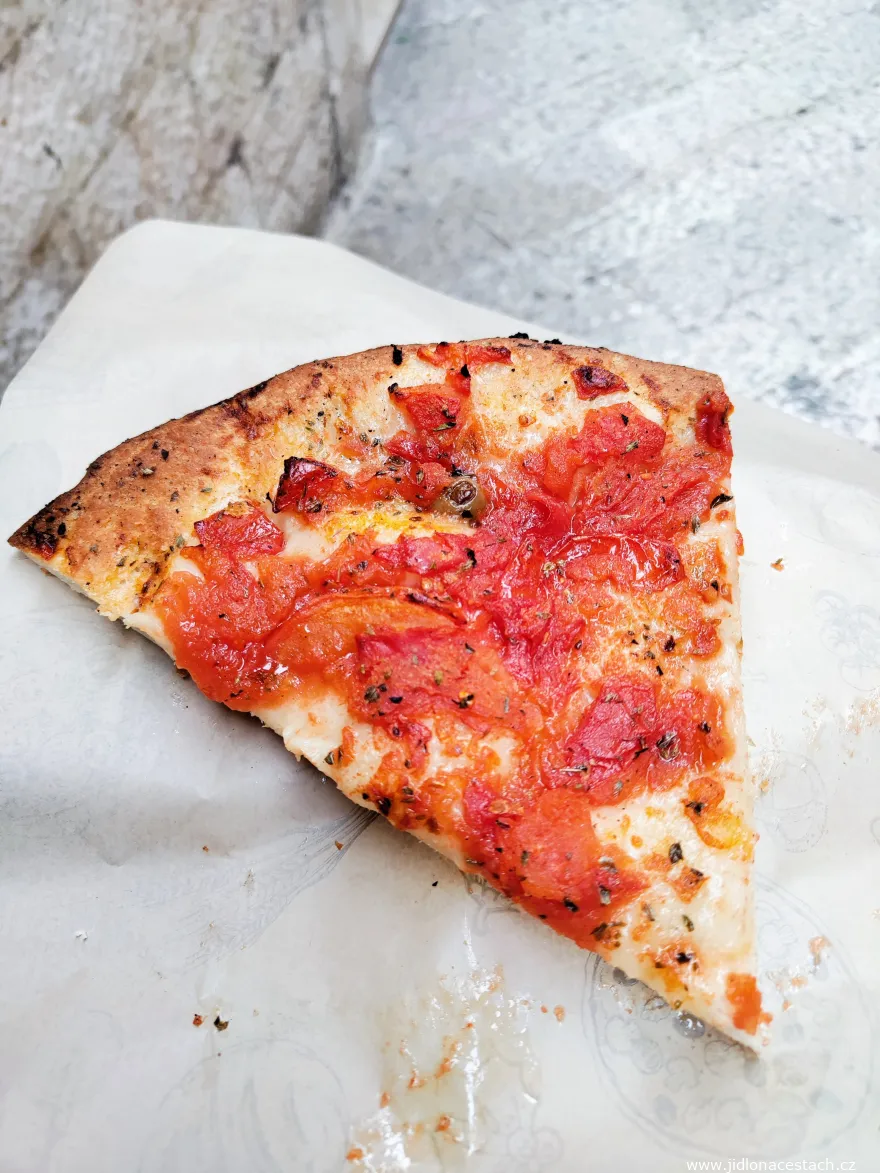
- Focaccia barese. A thick, airy leavened bread with boiled potato worked into the dough and tomatoes and olives on top. The recipe originated in the bakeries around Altamura, but Bari has adopted the focaccia as its own symbol: people eat it for breakfast, for lunch and after midnight, and the local bakers' association is pushing for a European trademark, "Focaccia di Bari".
- Orecchiette. The little pasta ears made of durum wheat and water belong to all of Apulia, but Bari is where they're on display: Strada delle Orecchiette, an alley where local women shape them and sell them right outside their own front doors. And the oldest written record of the pasta sits in the archive of Bari's Basilica of Saint Nicholas.
- Panzerotti. Fried pockets of leavened dough filled with tomato and mozzarella. Bari and Naples argue over who invented them, but under the name panzerotto they belong right here - they've been fried in Bari since the 16th century. I've eaten them in Bari and in nearby Matera.
- Tiella barese. Rice baked with potatoes and mussels (riso, patate e cozze), a traditional Bari dish that goes back to the time of Spanish rule. I'll admit to unfinished business: this flagship dish of Bari is still waiting for me.
- Sgagliozze. Pieces of polenta fried until golden and sold hot in a paper cone - street food from the alleys of Bari Vecchia that was once part of the feast of Saint Nicholas, the city's patron. I had mine on Piazza del Ferrarese.
- Crudo di mare. Raw seafood, a tradition of Bari's harbour known as "the fishermen's breakfast". The most prized are sea urchins, whose orange flesh you scoop out with a spoon or eat with a piece of bread.
- Taralli with onion and raisins. Crunchy rings of dough made with olive oil and wine. Taralli are an Apulian classic with no Bari birth certificate, but the version with onion and raisins is the thing I'm hooked on across Apulia - I always pick up a pack for the road at the Magda bakery (see Where to Eat below).
- Apulian wines. Apulia is wine country: order a local Primitivo or the lesser-known Susumaniello with your meal.
- … and dozens more Italian dishes on the list: What to Eat in Italy.
Where to Eat in Bari
- Magda. A bakery a short walk from the main train station and my obligatory stop on every visit to Bari: focaccia barese and a pack of taralli with onion and raisins for the road.
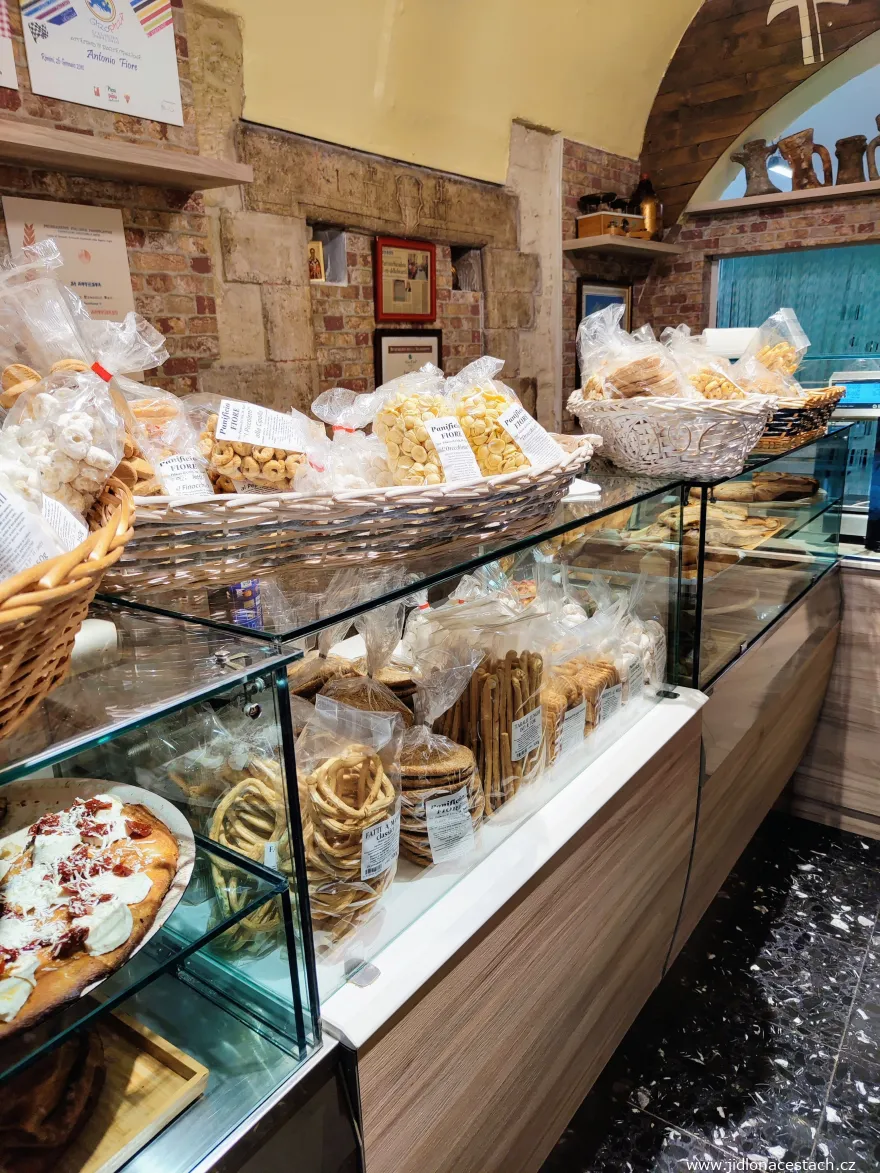
- Panificio Fiore. A historic bakery in Bari Vecchia by the Basilica of San Nicola, with a wood-fired oven from 1912: focaccia barese, which you want to buy while it's still hot, the moment a batch comes out - the queue clears it in no time. One of the best focaccias I've ever eaten came from here. Be warned: there are two bakeries called Fiore in Bari, and the right one is in the old quarter.
- Panificio Santa Rita. Bari has five century-old bakeries, and Santa Rita is the second one in the old town alongside Fiore - and its great rival in the local derby over the best focaccia. They've been baking here since 1921; it started out as a neighborhood oven where women brought the dough they had proved at home. The focaccia is thinner here than anywhere else in the city.
- Panificio Arciuli. A bakery in the Murat district with 1890 written across its facade - it began as the public oven of the present owner's great-great-grandmother. Alongside the focaccia with boiled potato in the dough, they also make the traditional calzone with stewed onion, olives and anchovies.
- Panificio Adriatico. A family bakery run by the Concordia family, now in its fourth generation; it has been on Via Nicola De Giosa since 1932. They rely on heritage grain varieties and a sourdough starter, and the focaccia is baked from Cappelli durum wheat.
- Panificio Violante. A bakery in the Madonnella district, founded in 1925 as a military bakery for the Bari barracks - in May 2025 it turned a hundred. Locals come here for the focaccia with tomato purée, the one they call "ruota", the wheel.
- Antica Gelateria Gentile. A gelateria by the Castello Svevo, in the hands of the Gentile family since 1880 - the fifth generation by now. I come back every time I'm in Bari; take your cone to a bench in front of the castle. The flavors are marked to show which ones are gluten free and lactose free.
I love coming back to Bari, and the ritual is the same every time: a slice of hot focaccia barese wrapped in paper, and then a cone from Gentile with the castle in front of me. The best food here doesn't come on a plate - it comes wrapped in paper, straight into your hand.
Enjoy eating your way around Bari!



Focaccia Barese: The Potato Focaccia from Bari
A tall flatbread with boiled potato in the dough, tomatoes and olives on top - focaccia barese is the everyday food of Apulia, sold by weight and eaten out of paper on the street. It was supposedly born from the heat of an oven still too hot for bread, and in Altamura it saw off even McDonald's.

Antica Gelateria Gentile: Five Generations of Ice Cream in Bari
Antica Gelateria Gentile is a family ice cream shop by the Castello Svevo castle on the edge of old Bari. One family has run it since 1880, and today the fifth generation is behind the counter. Alongside the much-praised pistachio it leans on Apulian ingredients, almonds from Toritto and early fiorone figs, and while tourist rankings rank it the best in the city, the critical lists look straight past it.

Strada delle Orecchiette: The Bari Alley Where Women Make Pasta
Strada delle Orecchiette is the nickname of Strada Arco Basso in the old town of Bari, where local women shape and sell fresh orecchiette, pasta ears of durum wheat and water, right outside their own homes. Officially the alley is named after its low arch and it once belonged to shoemakers; the pasta's fame has made it a stop on every tour of Bari Vecchia and a backdrop for TV crews.

Panificio Fiore: The Famous Bakery in Bari with a 1912 Oven
Panificio Fiore is a family bakery in the old quarter of Bari Vecchia, a few steps from the Basilica of San Nicola. The third generation of the Fiore family bakes focaccia barese there in a wood-fired oven from 1912 that is almost never switched off. In 2019 a jury declared their focaccia the best in Italy.

Panzerotti: Fried Pockets from Bari
Panzerotti are fried pockets of leavened dough filled with tomato and mozzarella - street food from Bari that neighboring Matera fries under the very same name. They take their name from the belly they puff into in the oil, the legend that has them born in the sixteenth century runs straight into the tomato nobody in Apulia was eating yet, and on top of all that, Matera gives them a coat of breadcrumbs.