Ice Cream
Ice cream is a frozen dessert made most often from milk and cream, or simply from fruit, sugar, and water. I try it everywhere I travel - over the years I've tried a huge amount of ice cream, from scooped to soft serve to sorbets. For me, hands down, the best is Italian - nobody makes gelato like the Italians do.

A Brief History of Ice Cream: It All Begins in Persia
Although Italian ice cream is the best in the world as far as I'm concerned, its history begins somewhere else entirely - in Persia. As early as around 400 BC, Persian builders knew how to store ice in desert ice houses called yakhchals - massive clay domes where ice lasted through the summer. Ice, starch noodles, and rose water went into faloodeh, a dessert considered the oldest frozen treat in the world. Iran's ice cream tradition really is among the oldest - and I'm very glad I got to taste the traditional ice cream bastani sonnati on my trip through Iran.

It was the Arabs who brought frozen desserts to Europe: in the 9th century in Sicily, they chilled fruit juices and sharbat with snow hauled down from Mount Etna - which is where the word sorbet comes from. And it was a Sicilian again, Francesco Procopio dei Coltelli, who opened Café Procope in Paris in 1686, regarded as Europe's first café serving ice cream. Italy then became an ice cream superpower - and it still is today.
Gelato vs. Ice Cream: What's the Difference
The word "gelato" simply means ice cream in Italian. But what we usually mean by it is artisanal Italian ice cream - and that differs from industrial scooped ice cream in three ways. Gelato has less fat, considerably less air, and is served warmer - the result is a dense, creamy texture and a much more intense flavor. Artisanal gelato tends to have 5-8% fat, while American ice cream, for instance, must contain at least 10% by regulation. During churning, roughly 30-50% air is worked into gelato; in industrial ice cream it can be up to double the volume. And while scooped ice cream from a freezer case is stored at -18 °C, gelato is served at -12 to -15 °C (and soft serve is warmer still, around -6 to -8 °C) - your tongue isn't numbed by the cold and the flavor shines through.
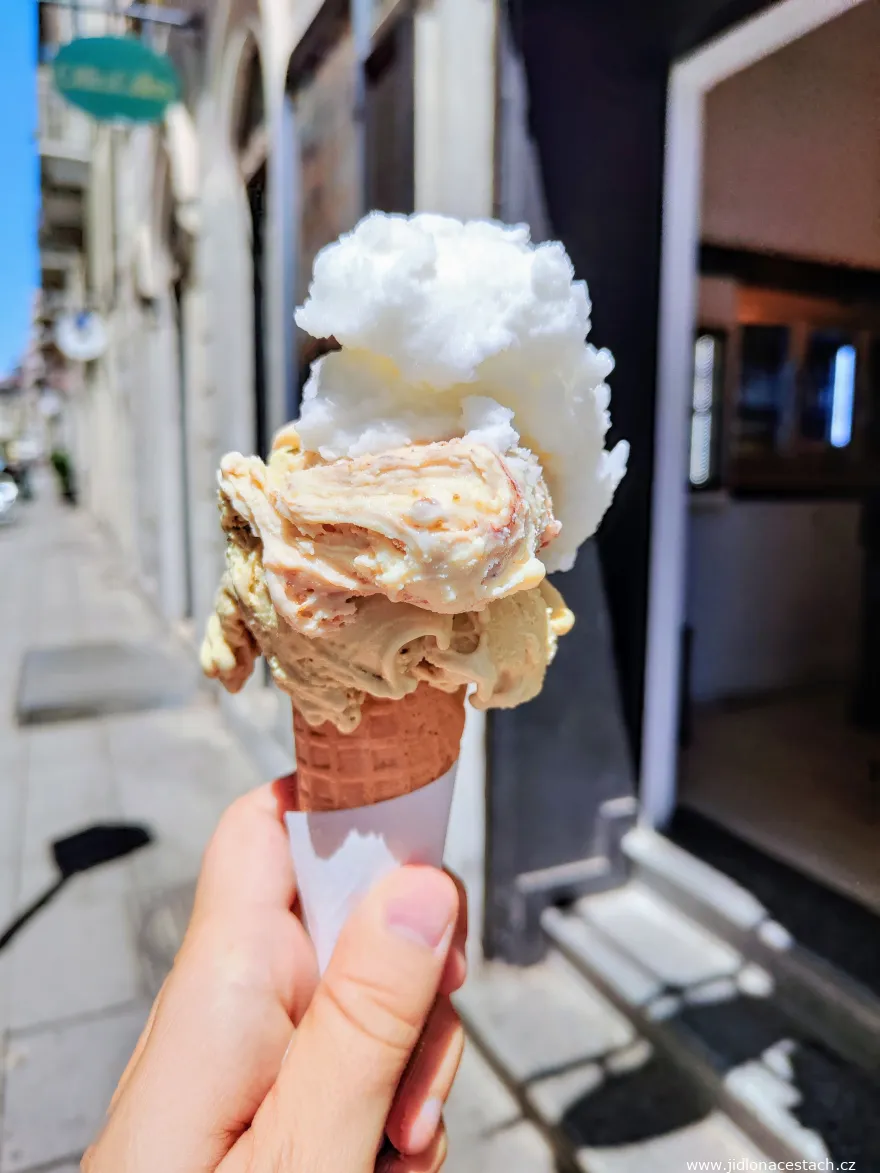
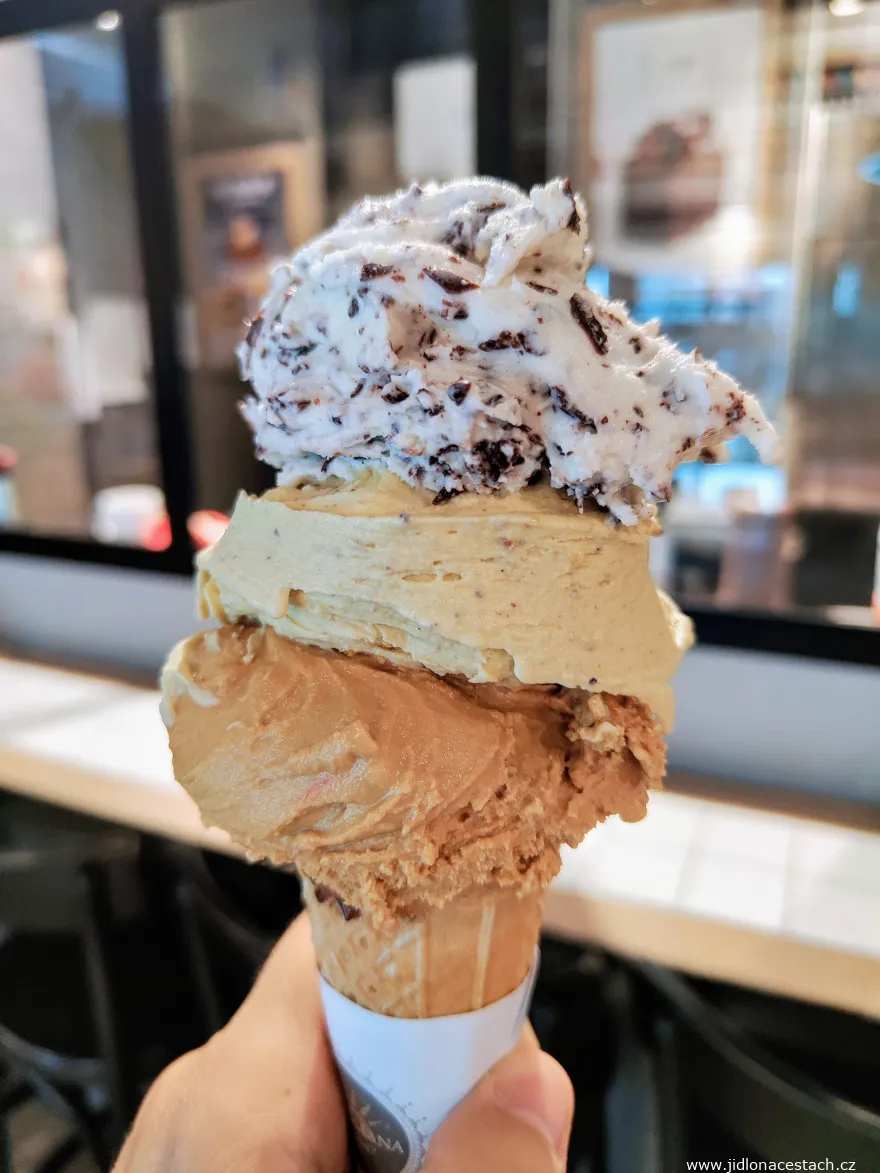
That's exactly why Italian gelaterias are unbeatable in my book. I return to Gelateria Gentile in Bari on every visit to the city; in Palermo I treated myself to dark chocolate with preserved sour cherries at the Al Cassaro gelateria, and in Sorrento to lemon and the signature crema amalfitana at Antica Gelateria Sorrentina. In Turin I tried the La Romana gelateria and the shop + Di Un Gelato, and in Syracuse, lime with basil was waiting for me at Il Cucchiaino.
Types of Ice Cream
- Gelato. Artisanal Italian ice cream - dense, intense, with less fat and less air.
- Scooped ice cream. The classic cream-based ice cream from parlors and stores; richer and airier than gelato, stored well below freezing.
- Soft serve. Invented in the USA in the late 1930s. It contains more air and comes out of the machine several degrees warmer, which is what makes it so smooth. In Madrid, the La Pecera ice cream shop swirls it into Japanese fish-shaped taiyaki cones.
- Sorbet. A dairy-free frozen dessert - just fruit, sugar, and water. The name comes from the Arabic sharbat.
- Dondurma. Turkish ice cream thickened with salep (a flour made from orchid tubers) and mastic (the resin of the mastic tree); it's so firm and elastic that it's cut with a knife.
- Bastani sonnati. Iranian ice cream with saffron, rose water, and slices of frozen cream; salep gives it a chewy texture much like dondurma's.

Ice Creams That Surprised Me on My Travels
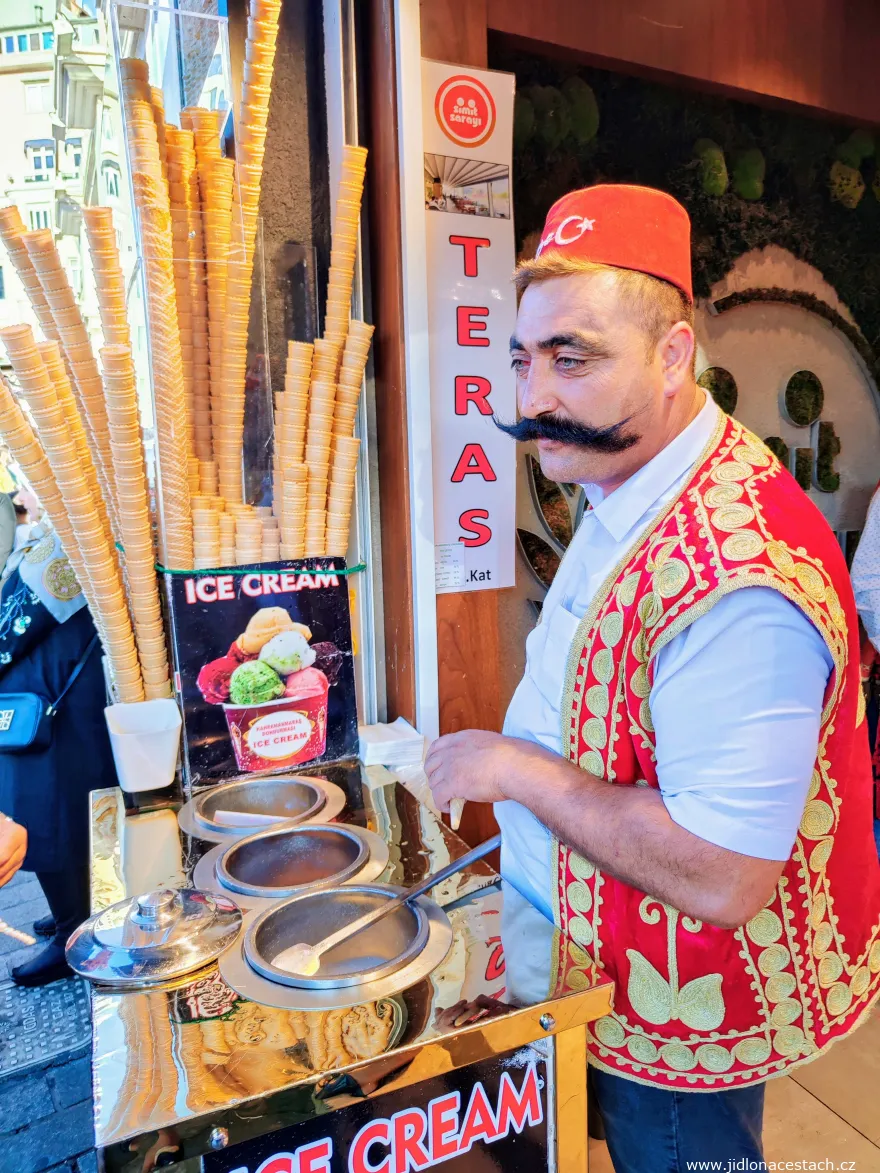
I tasted Turkish dondurma in the center of Istanbul, not far from Istiklal Avenue. The ice cream vendor (dondurmacı) in a red-and-gold vest tossed the mixture around, stretched it on a long pole, and handed me the cone several times only to snatch it back. There's actually a practical reason for the whole show - the mixture is so stiff and sticky that it has to be worked constantly.
In Iran, bastani sonnati won me over. The thin slices of frozen cream (khameh) folded into the ice cream were a complete surprise to me - and by then I'd already had a whole lot of ice creams from around the world. The contrast of sweet saffron ice cream and unsweetened crunchy cream works beautifully. I tasted it at the historic Pol Ice Cream shop in Isfahan.
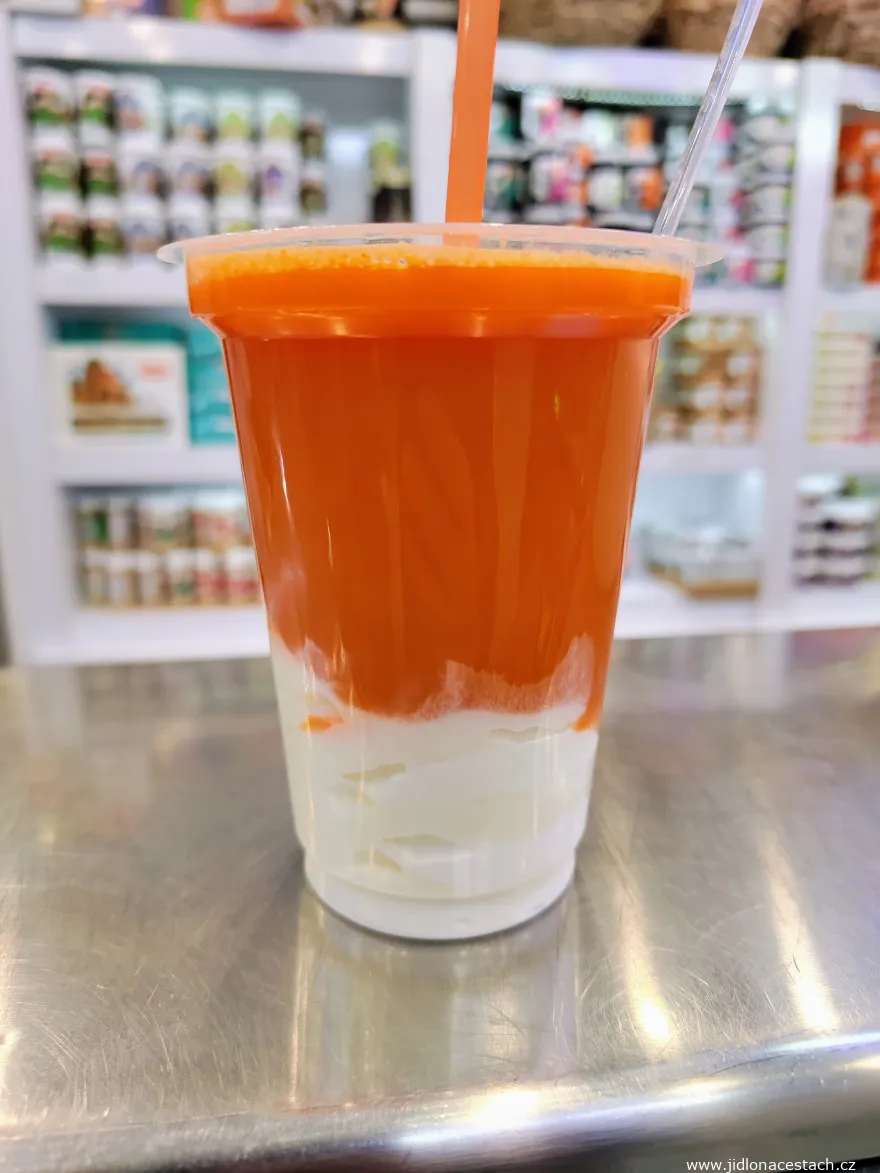
Another Iranian curiosity is havij bastani - fresh carrot juice with creamy ice cream. It sounds odd, but it tastes perfect: the two ingredients complement each other wonderfully. In the desert city of Yazd, havij bastani was sold on every corner.
And a third curiosity, this one from Georgia: at the Tbilisi ice cream shop Cone Culture, they make ice cream with chocolate and ajika, the Georgian spicy paste. The honey-lavender one next to it looked almost boring. 😊
Ice Cream in the Czech Republic
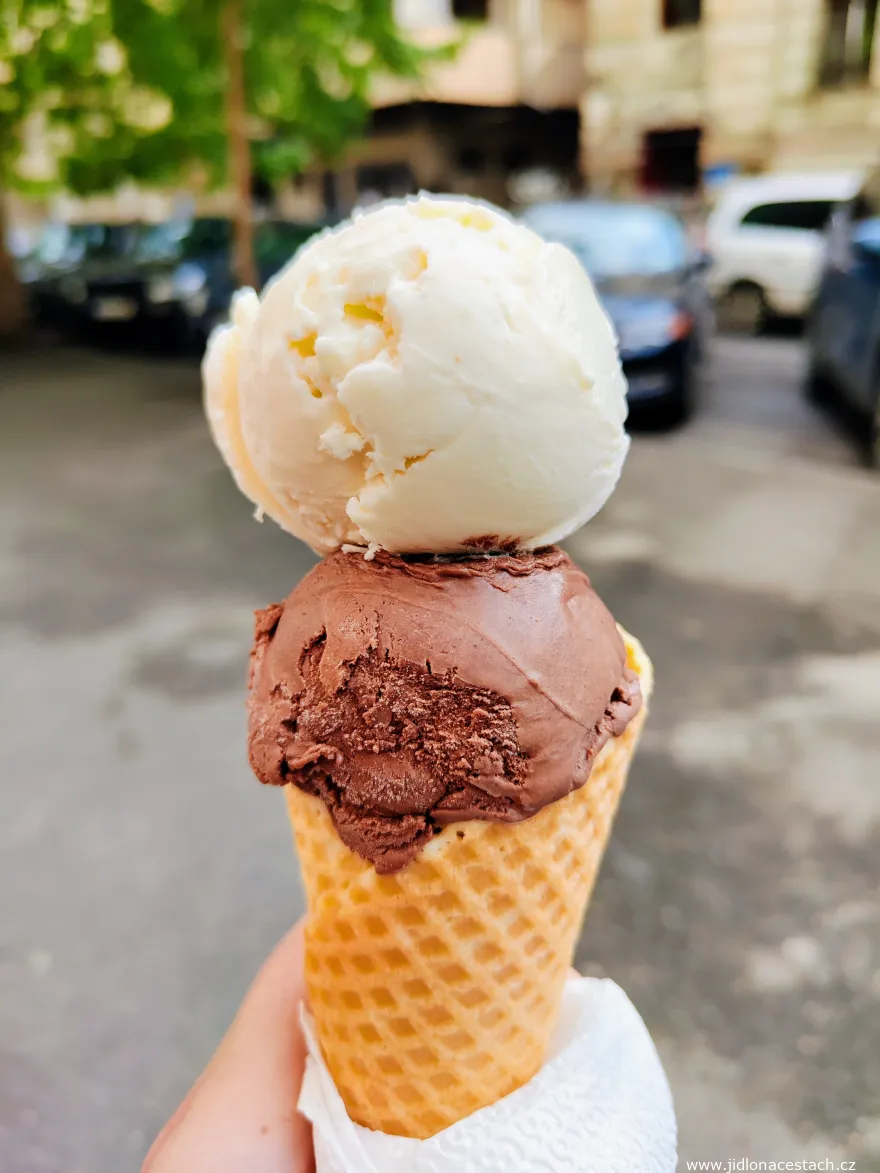
I don't skip ice cream at home either. The best ice cream I tasted in 2025 was the almond goat's milk ice cream from Kozí farma Vizovice - a small family farm that literally sells it over the farm fence and makes its ice cream on machines imported from Italy. In Prague, my favorite ice cream comes from Crème de la Crème, and I'm also happy to drop by Puro Gelato or Angelato.
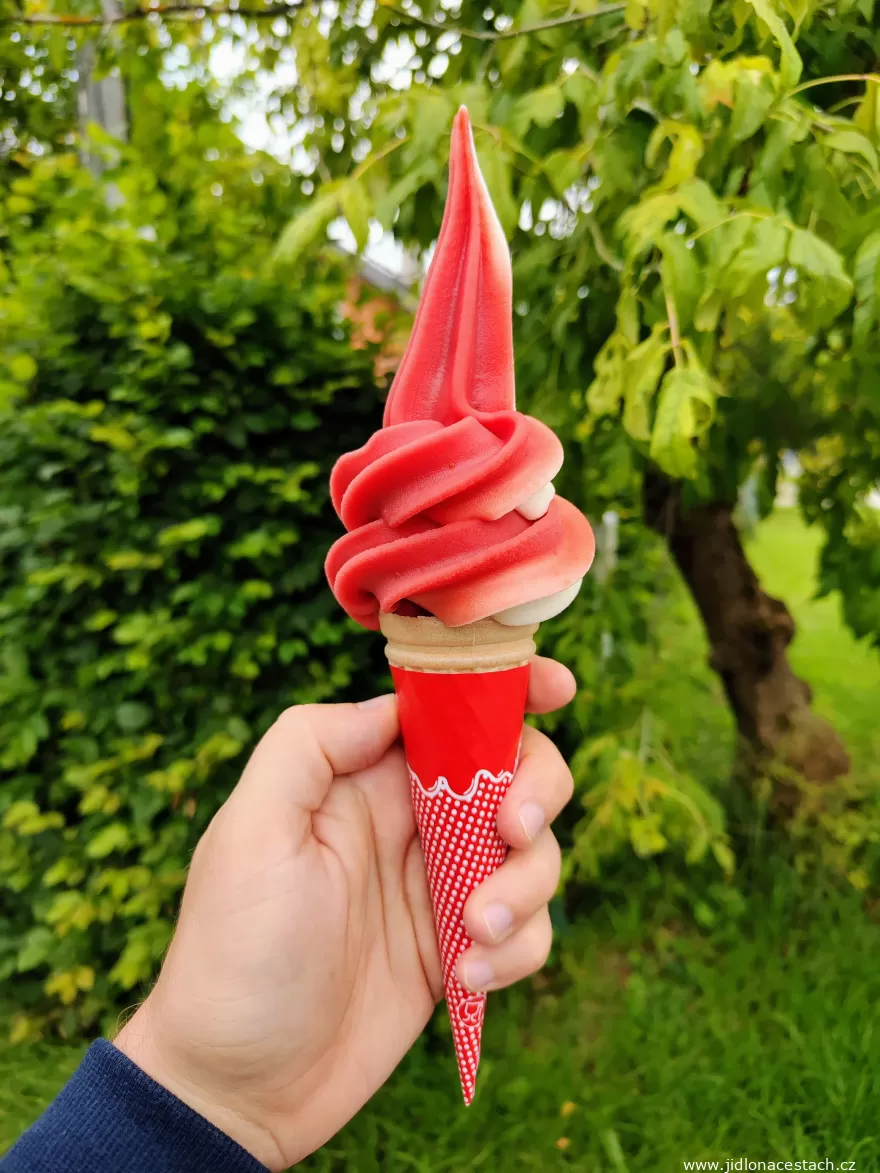
And then there's soft serve - the classic of the Czech summer. Outside the big cities it's still the most common form of ice cream here, and I never turn down a well-made one. The one in the photo below is from Nový Hrozenkov, my hometown.
What's your favorite kind of ice cream? Proper Italian gelato, or plain soft serve from a takeout window?



Goat Farm Vizovice: Goat Milk Ice Cream and Cheeses Sold Over the Fence
Goat Farm Vizovice is a small family business specializing in the production of fresh and aged goat cheeses and kefirs. However, the farm has become especially famous for its original goat milk ice creams. Production uses Italian technology and ingredients. The farm sells both cheeses and ice creams directly over the fence.

Bastani Sonnati: Traditional Iranian Ice Cream
Bastani sonnati, literally "traditional ice cream," is the pride of Iranian confectionery. It is made from whole milk, cream, sugar, and rose water, with saffron, cardamom, or pistachios adding an irresistible flavor and aroma. Salep, a powder from orchids, plays a key role, giving the ice cream its smooth, elastic, and slightly chewy texture. Another characteristic feature is the inclusion of thin slices of frozen cream, "khameh."

Havij Bastani: Carrot Juice with Ice Cream
Havij bastani is a traditional Iranian delicacy that combines fresh carrot juice and creamy ice cream. The taste of havij bastani is exceptionally sweet, fresh, and creamy at the same time. This drink is especially popular in Iran during the summer months. Although the combination of carrot juice and creamy ice cream may seem unusual, the flavor is absolutely harmonious.

Antica Gelateria Gentile: Five Generations of Ice Cream in Bari
Antica Gelateria Gentile is a family ice cream shop by the Castello Svevo castle on the edge of old Bari. One family has run it since 1880, and today the fifth generation is behind the counter. Alongside the much-praised pistachio it leans on Apulian ingredients, almonds from Toritto and early fiorone figs, and while tourist rankings rank it the best in the city, the critical lists look straight past it.

Gelateria Al Cassaro: Gelato on the Oldest Street in Palermo
Gelateria Al Cassaro stands on the oldest street in Palermo and carries its old Arabic name - Cassaro, the fortress. The display case rotates through some thirty flavors of gelato, including a peanut specialty named after the shop itself; Gambero Rosso listed it among the best gelaterias in Sicily. It's open until midnight, so gelato here is still an option long after dinner.

Dondurma: Traditional Turkish Ice Cream
Dondurma is a traditional Turkish ice cream known for its extraordinarily dense and chewy consistency. It resists melting even in the hot summer sun. It owes its unique properties primarily to salep from wild orchids and a resin called mastic. Thanks to them, the dessert's structure resembles chilled dough rather than cream. Street vendors therefore perform a renowned show with it and stretch it with long metal rods. They often tease customers and don't just give them the cone.

Antica Gelateria Sorrentina: A Family Gelateria in Sorrento
On via Fuoro in Sorrento, an older gentleman and a sign claiming 1860 lure you into a small gelateria. Nobody can prove the date, but the documented version is the nicer one: the Gargiulo family once sold milk here, and from milk it was a short step to gelato. Today the third generation makes it, and the flagship flavor is crema amalfitana, a milky cream with lemon.

La Pecera: Japanese Taiyaki with Ice Cream in Madrid
La Pecera, an ice cream shop in Madrid's Malasaña, pipes soft serve into freshly baked taiyaki cones - a fish-shaped Japanese pastry. It has nothing to do with Spanish cuisine; it swam into Madrid the long way round, via Instagram in New York. Where the fish-shaped sweet came from, why its name is tied to good luck, and what a warm cone with ice-cold soft serve tastes like.