What to Eat in Matera
Matera is a town carved into the rock in the southern Italian region of Basilicata, famous for the Sassi cave districts on the UNESCO World Heritage list. For me it is the most beautiful place in all of Italy. Go out of season - the empty lanes of the stone city are stunning by day, and even more so at night. And the eating is as good as the walking: in the evening treat yourself to a Michelin tasting menu, in the morning a panzerotto from the bakery for pocket change.
Historical Influences on the Food of Matera
Materan cooking grew out of poverty - Italians call it cucina povera. Life in the cave houses of the Sassi was frugal, and people ate what the surrounding Murgia plateau gave them: durum wheat, pulses, vegetables, mutton and cheese. Nothing was thrown away - week-old bread became cialledda, and an old ewe that had stopped giving milk was left to stew overnight in a clay pot.
The communal ovens were the heart of the district. Families mixed their dough at home and carried it to the baker, who kept a waiting list; to stop the loaves getting mixed up, each family pressed a wooden stamp with the initials of the head of the household into the dough. The custom lasted until the middle of the 20th century, and the stamps now hang in museums. And once the bread was baked, a pignata of mutton was buried in the hot ashes to stew slowly until morning. Most of that still lives on in Matera - just walk into any bakery.

What to Eat in Matera
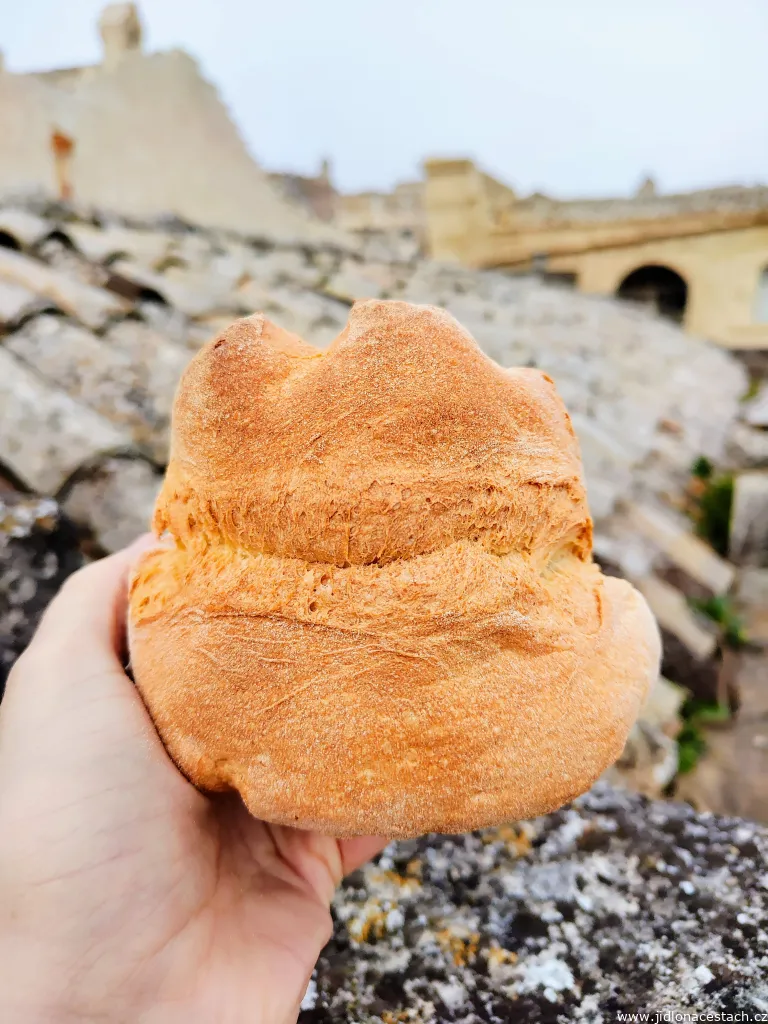
- Pane di Matera. A durum wheat semolina sourdough with a crust at least three millimeters thick that keeps for a week. It has carried the European IGP mark since 2008 and is the only protected bread in Italy named after a city; it goes head to head with neighboring pane di Altamura in an endless bread derby.
- Panzerotti. Fried pockets of leavened dough filled with tomato and mozzarella come from Bari in Apulia, but the bakeries of Matera gave them a shape of their own: here the small panzerotto is rolled in egg and breadcrumbs before frying, like a schnitzel. In Bari that's not part of the recipe; in Matera a panzerotto would not be Materan without it.
- Crapiata. A thick soup of mixed pulses and grains, a throwback to the end of the harvest, when every family threw a handful of whatever it had into the communal pot. It is still made right here in Matera - on August 1 every year the La Martella district hands it out at long tables to locals and tourists alike.
- Cialledda. The "harvester's breakfast" made from stale Materan bread: cold in summer with tomatoes, onion and basil, warm in winter, soaked in vegetable broth. It was born in the Sassi, where loaves were baked many days ahead and stale bread could not be thrown out.
- Orecchiette alla materana. Matera borrowed the "little ears" shape from its neighbors in Apulia, but the recipe is its own: pasta baked with tomatoes, lamb, mozzarella and pecorino.
- Pignata. Mutton stewed for hours in a clay pot its neck sealed with a round of dough. A carnival dish straight out of the Sassi, known locally as pecora alla materana - traditionally the pot was buried in the heat of the baker's oven once the bread had come out.
- Calzone di verdura. A pocket stuffed with vegetables, pulses and chili, cuazòn in the Materan dialect. A Lenten dish that has earned its place in the Materan dialect dictionary as well.
- Rafanata. A dense baked omelet of eggs, potatoes, pecorino and grated raw horseradish, locally known as the "poor man's truffle". It comes from the village of Aliano in the province of Matera and is baked mainly at carnival time.
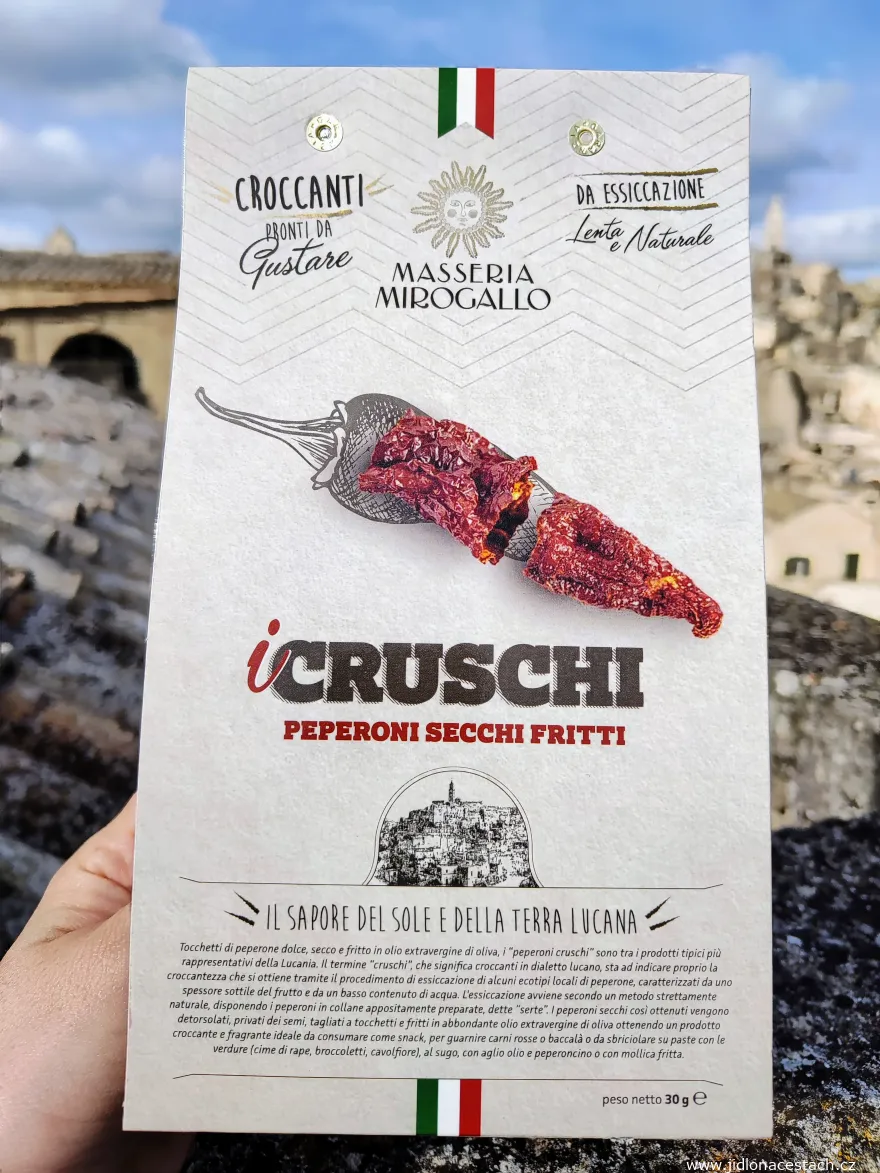
- Peperoni cruschi. Dried peppers from Senise with an IGP mark of their own, flashed through hot oil until they turn crisp. A specialty of the whole of Basilicata - in Matera you will come across them on pasta, on cod and on their own in a bag. They crunch like chips, and I brought a pack home as a souvenir.
- Strazzate. Almond cookies with chunks of chocolate. The name comes from the dialect word "strazzet" - to tear off - after the pieces of dough torn away by hand. Originally Christmas cookies, today you can buy them in Matera's bakeries all year round.
- DOC Matera wine. The city gave its name to a protected wine region established in 2005. Primitivo rules the reds, and the bottles often age in cellars carved into the tuff right below the Sassi.
- … and dozens more Italian dishes, if you like: What to Eat in Italy.
Where to Eat in Matera
- Panificio Fratelli De Palo. My favorite bakery in Matera, a short walk from the center: small panzerotti rolled in breadcrumbs, slices of pizza and focaccia. I stop by every time I pass - and once the staff threw in a whole loaf of Materan bread with my order.
- Pane e Tradizione De Palo. A second bakery run by the same family: a big panzerotto without breadcrumbs, filled with cheese, mozzarella and ham, the heartier version, for when you're really hungry.
- Panificio Perrone (Il Forno di Gennaro). A family bakery from 1890 outside the Sassi, on Via Nazionale: pane di Matera, topped focaccia and tray pizza, most of it sold by weight, so you can take a piece from several trays. There are a few seats inside and the staff will heat your food up. They are not used to tourists, which makes them all the more welcoming.
- Panificio di Matera. Another of Matera's bakeries, one I tried while wandering around the city.
- Bar Pasticceria Schiuma. A family pastry shop just off the main promenade, in its fourth generation since 1946; zeppole and whipped mascarpone.
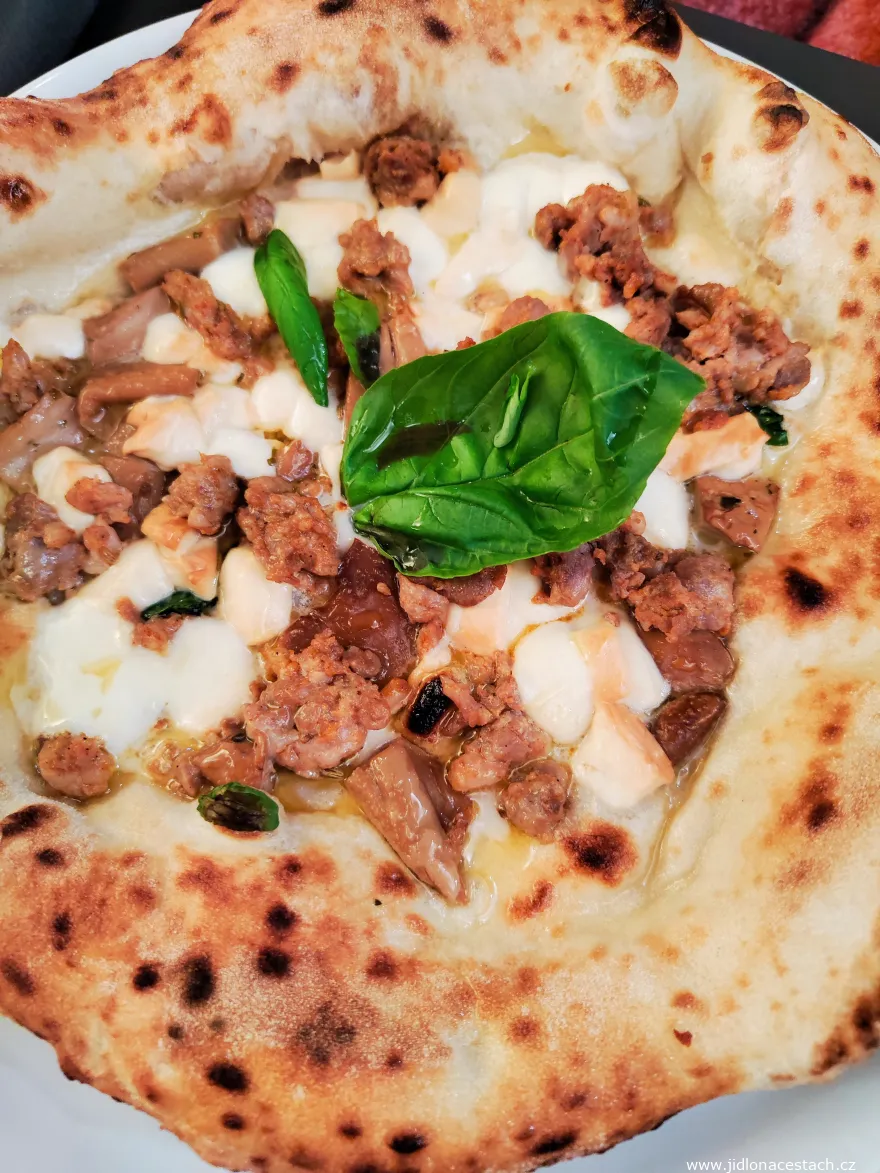
- Pizzeria 400 Gradi. A small family pizzeria with Neapolitan pizza from a wood-fired oven - thin in the middle, puffed at the rim, booking essential.
- Vitantonio Lombardo Ristorante (⭐). A tasting menu that was simply breathtaking - a meal I will not forget.
- Dimora Ulmo. The second of Matera's tasting-menu restaurants I have been to; the seven-course menu was so good that I would happily sit down to it again.
- Ego Ristorante. The third tasting-menu place I tried in Matera - a long dinner of many small courses.
Enjoy eating your way around Matera!



Perrone Bakery: A Family Bakery in Matera Since 1890
Panificio Perrone, known in Matera as Il Forno di Gennaro, has been baking since 1890: it started in the Sassi cave district as a private stand-in for the communal oven, and today it is one of the four historic bakeries behind pane di Matera IGP. Alongside bread it sells focaccia with toppings, tray pizza and sweet pastries by weight, and there are a few seats inside, where they will warm your food up.

Pizzeria 400 Gradi: Neapolitan Pizza in Matera
Pizzeria 400 Gradi brought Neapolitan pizza to Matera, a city that otherwise swears by bread. Local reviewers rank this small family place - oven in full view, dough matured for two days, a crust speckled with leopardatura - among the best in town. And I ended up celebrating the American pizza holiday there.

Pane di Matera: Semolina Bread from Basilicata
Pane di Matera is a sourdough bread made from durum wheat semolina, baked in Matera and the surrounding area in Basilicata, southern Italy. The big knobbly loaf, with a crust at least three millimeters thick and a yellow, airy crumb, stays fresh for a whole week and has carried the protected IGP mark since 2008. The three cuts across the top of the loaf mean something older than the guidebooks claim.

Schiuma Pastry Shop: Four Generations of Pastry Chefs in Matera
The Schiuma pastry shop sits a few steps from Matera's main promenade. The same family has stood behind its counter since 1946 - today the fourth generation. The surname Schiuma is Italian for foam, which by pure coincidence matches one of the shop's specialties, whipped mascarpone. And they fry Neapolitan zeppole here for more than just St. Joseph's Day.

Fratelli De Palo Bakery: Panzerotti and Pizza in Matera
In Matera you can sit down to a full lunch at the bakery: pizza by the slice, panzerotti fried in breadcrumbs, arancini. And Fratelli De Palo is one of the four historic bakeries brought together by the consortium behind the protected Pane di Matera. It's a long way from the Sassi, but practically on the way for anyone arriving by bus from Bari.