What to Eat in Kyrgyzstan: Typical Kyrgyz Food and Specialties
Kyrgyz cuisine is as rich and varied as the stunning landscapes of this Central Asian country. It's shaped by the nomadic past of the Kyrgyz and reflects their close bond with nature and with their livestock, above all horses and sheep.
Around 80 ethnic minorities live in Kyrgyzstan (Uzbeks, Russians, Dungans, Uyghurs), and that shows clearly in the variety of the food. Some dishes typical of Kyrgyzstan are eaten right across Central Asia.
The backbone of the traditional diet is meat, mainly mutton and horse. The fattier, the better. Meat is often paired with noodles or rice and with vegetables like carrots, onions and potatoes. Because people here live off herding, dairy products also hold an important place in Kyrgyz cooking.
The Kyrgyz are famous for their hospitality and love to treat their guests to the best they have.
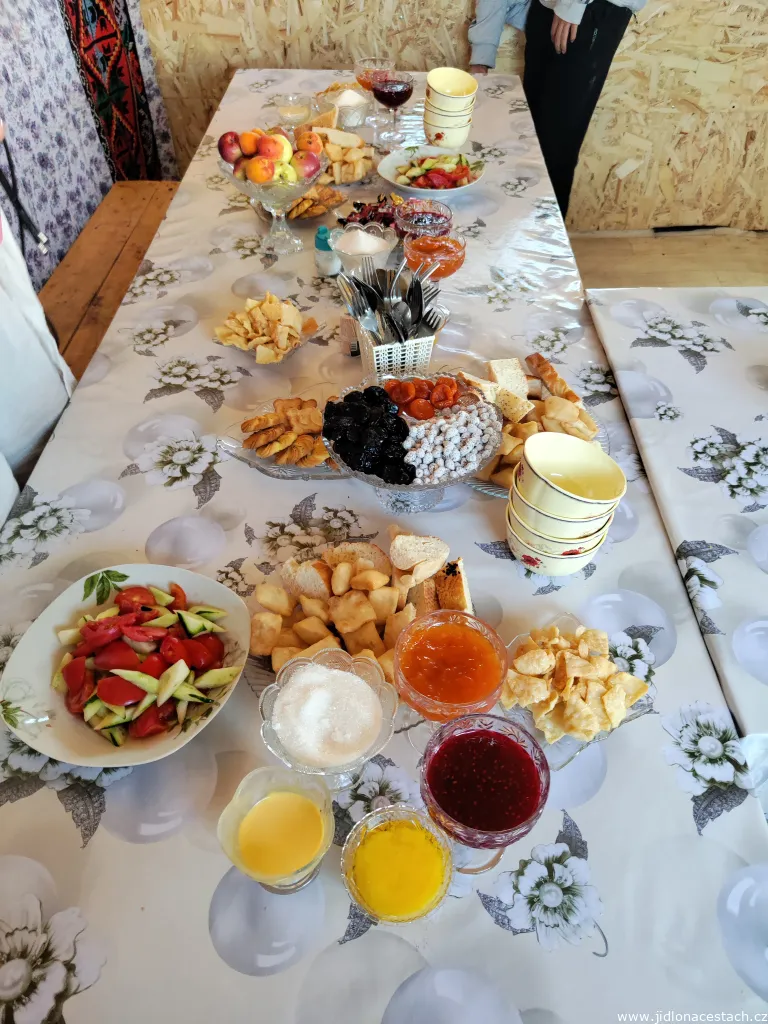
Typical Kyrgyz Food
One of the most typical Kyrgyz dishes is beshbarmak, a festive dish of boiled meat (traditionally horse), handmade noodles and broth seasoned with onion. Traditionally you eat it with your hands.
Another favorite is plov, the Central Asian version of pilaf made with rice, meat and vegetables. Kyrgyz specialties also include manty, steamed dumplings, most often filled with minced meat and onion. Kuurdak, fried meat with potatoes, is a simple but filling dish.
In the colder months the Kyrgyz like to warm up with shorpo, a hearty soup of meat and vegetables. It's properly filling and gives you a boost of energy.

The National Dish of Kyrgyzstan
The national dish of Kyrgyzstan, the one most often associated with the country, is beshbarmak ("five fingers"). It stands for nomadic tradition and culture and is deeply rooted in the history and way of life of the Kyrgyz nomads. The name comes from the traditional way of eating it - people usually ate it with their hands, that is, with "five fingers".
There's a rich symbolism to serving beshbarmak. Guests of honor are often given specific cuts of meat, which underlines their social standing.
What to Eat in Kyrgyzstan
- Beshbarmak. A traditional Kyrgyz dish of boiled meat (usually beef or mutton, though the tradition calls for horse) and wide noodles. The whole thing is covered with onion broth. The name means "five fingers," a nod to the way it's traditionally eaten - with your hands.
- Plov. This is pilaf, a rice dish with meat, carrots and onions. Plov is popular across Central Asia and in Kyrgyzstan it's often made for festive occasions.
- Kuurdak. This dish is made of pan-fried meat (usually mutton or beef) with onions and potatoes.
- Lagman. A noodle soup, or fried noodles with meat, vegetables and spices.
- Shashlik. Marinated pieces of meat grilled on a skewer. This dish is popular not only in Kyrgyzstan but across Central Asia and the Caucasus.
- Manty. Dumplings filled with minced meat and onion or with vegetables. Manty are often served with sour cream or yogurt. They're steamed.
- Samsa. Baked pastry filled with minced meat, onion and spices. Samsa is a popular street food in Kyrgyzstan, often sold at markets.
- Boorsok. Fried dough, one of the basic kinds of bread in Kyrgyzstan. It's served alongside main dishes, or as a sweet with honey.
- Oromo. Thin dough filled with minced meat, potatoes or pumpkin, rolled up and steamed. Oromo is a favorite at family gatherings.
- Kazy (chuchuk). A traditional Kyrgyz sausage made from horsemeat and fat, seasoned with spices. Chuchuk is often served on special occasions as a symbol of prosperity and hospitality.
- Kumys. Fermented mare's milk, the traditional drink of the nomadic herders. Kumys is known for its health benefits and is considered the national drink of Kyrgyzstan.
- Shorpo. A meat soup with potatoes and vegetables. Shorpo is popular in the winter months and is considered a nourishing, warming dish.
- Ganfan. A dish of rice, meat and vegetables, the same as lagman, just served with rice instead of noodles. Ganfan is popular in the urban areas of Kyrgyzstan.
- Tandyr nan. Bread baked in a traditional clay oven called a tandyr. This bread is a cornerstone of Kyrgyz cuisine and is often served with main dishes. In Russian it's called lepyoshka.
- Chak-chak. A sweet made from dough that is fried and then covered in honey. Chak-chak is a popular dessert in Kyrgyzstan, often made for festive occasions.
- Kurut. Dried balls of milk. Kurut is a traditional Kyrgyz treat, popular as a snack on the road.
- Ashlam-fu. A cold noodle soup with pieces of meat and vegetables, often served with vinegar and garlic. This dish is popular in the Karakol area, where it's considered a local specialty.
- Kattama. Another traditional Kyrgyz bread. Kattama is a favorite at family gatherings and celebrations.
- Chalap. A traditional drink made from fermented milk, water and salt. Chalap is refreshing and popular during the summer months.
- Maksym. A traditional drink made from a mixture of roasted grains. Also an extremely popular summer drink.
Typical Kyrgyz Drinks
The traditional drinks of Kyrgyzstan reflect the nomadic heritage and the ingenuity of the people here. They rely on clever fermentation methods that keep the drinks good for longer.
Among the most interesting is kumys, a Kyrgyz drink made from fermented mare's milk. Kumys holds a special place in Kyrgyz culture - it's prized for its taste, but also for its supposed healing properties.

Another popular Kyrgyz drink is maksym, a filling drink made from fermented grains such as wheat or barley. Slightly sour, it's packed with nutrients.
Chalap is a refreshing drink made by mixing fermented milk with water and salt. It's especially popular in the summer months for its cooling effect.
Mix chalap and maksym and you get aralash, another hugely popular Kyrgyz drink.

How to Get the Most Out of Kyrgyz Food
Kyrgyz cuisine offers a wealth of traditional dishes that carry the nomadic heritage and a knack for improvising in harsh natural conditions. If you want to get the most out of Kyrgyz food, here are a few tips and recommendations from me.
- Understand what's behind the Kyrgyz dishes
Kyrgyz cuisine is simple but full of bold flavors, built around meat, dairy and grains. It's designed to fill you up and warm you through the long winters and the nomadic way of life. You'll often come across horsemeat in the dishes. Once you've seen the Kyrgyz countryside, where beautiful horses often roam free, it can be hard to understand how the Kyrgyz can eat horsemeat. Understanding how hard their life is can help. - Try freshly milked mare's milk
Mare's milk tastes markedly different from cow's milk. If you get the chance, try it freshly milked. A liter bought from the nomads in the mountains costs 100 Kyrgyz som (1 EUR). - Try the local fermented drinks
Besides kumys, I'd recommend trying maksym (fermented grains) and chalap (fermented milk), and if you still have room, give bozo or kvass a go. - Sit down to eat with others
Food in Kyrgyzstan is often a social affair, where family and guests come together and share a meal. Some dishes are traditionally eaten with the hands, and bread plays an important role as a symbol of hospitality. When you sit down to eat in Kyrgyzstan, remember to tear off a piece of the bread your host offers you as a sign of respect. Kyrgyz tandyr nan is never cut, always torn. - Visit authentic restaurants
If you want to experience authentic Kyrgyz cuisine with a degree of Western comfort, head for the Navat restaurants or Supara, which recreates a traditional nomadic camp. - Enjoy the Kyrgyz tea ritual
Tea is inseparable from Kyrgyz hospitality. It's served with every meal, and drinking it is an important ritual. Don't be in a hurry - linger over your tea after the meal, it's the local custom and a symbol of relaxation and hospitality. - Visit the local markets
For an authentic experience, head to the local markets. In Bishkek, the Osh and Orto Say bazaars are famous. You'll often get to watch the dishes being made (that's how I watched the noodles for lagman being made by hand). It was a great experience!

By immersing yourself in these traditions, grasping the hard nomadic life and tasting the local specialties, you'll enjoy Kyrgyz food far more, trust me.
Famous Kyrgyz Chefs
- Berik Eginbaev. President of the Chefs Association of the Kyrgyz Republic and a member of the International Association of Culinary Communities. Over his career he has won numerous awards at international culinary festivals. He helped organize the first international festival "World Cuisine of the Nomads", for instance. He's considered one of the key figures in the rise of modern Kyrgyz cuisine.
- Alexander Ipatov. One of the leading chefs in Kyrgyzstan. His culinary mastery earned him the WorldSkills Kyrgyzstan award. Over his career he has taken several gold medals at national and international competitions, and he's known for his innovative take on traditional Kyrgyz dishes.
Kyrgyz Food Facts Worth Knowing
- A prehistoric underground oven. Tash kordo (таш кордо) is one of the oldest traditional dishes in Kyrgyzstan and is considered a delicacy of Kyrgyz cuisine. The nomads probably used this cooking technique even before cookware was invented. They dug a pit one to two meters deep, lined it with stones and wood, and lit a fire. Lamb rubbed with salt went inside a washed lamb's stomach to keep it clean. Once the fire had burned down, they laid the meat in the pit and covered it with hides. Cooking usually took five to six hours. These days tash kordo is made not only the traditional way in a pit, but also in the oven. When it's cooked in a pit, the meat hangs on special hooks and no lamb's stomach is used.
- Kumys as a remedy. Kumys is a traditional drink made from mare's milk and it's enormously popular in Kyrgyzstan. What's unique, though, is its medicinal use: there are "kumys spas" where people treat themselves by drinking it, for its positive effect on immunity and digestion.
- The horse sausage kazy (chuchuk). The sausage made from horsemeat, served at the biggest celebrations, is considered one of the greatest Kyrgyz delicacies. It uses not just the meat, but the fat and the horse intestines as well.
- Kurut keeps forever. This dairy treat comes in the shape of small balls. Kurut was originally developed as food for nomads, because it lasts and can survive months in the heat.
- The cold soup ashlam-fu and Karakol. The soup has its origins in the cuisine of the Chinese Dungan minority. Karakol in eastern Kyrgyzstan is considered the place where they make the best ashlam-fu. I wanted to taste ashlam-fu right in Karakol too, and I managed it! ❤️
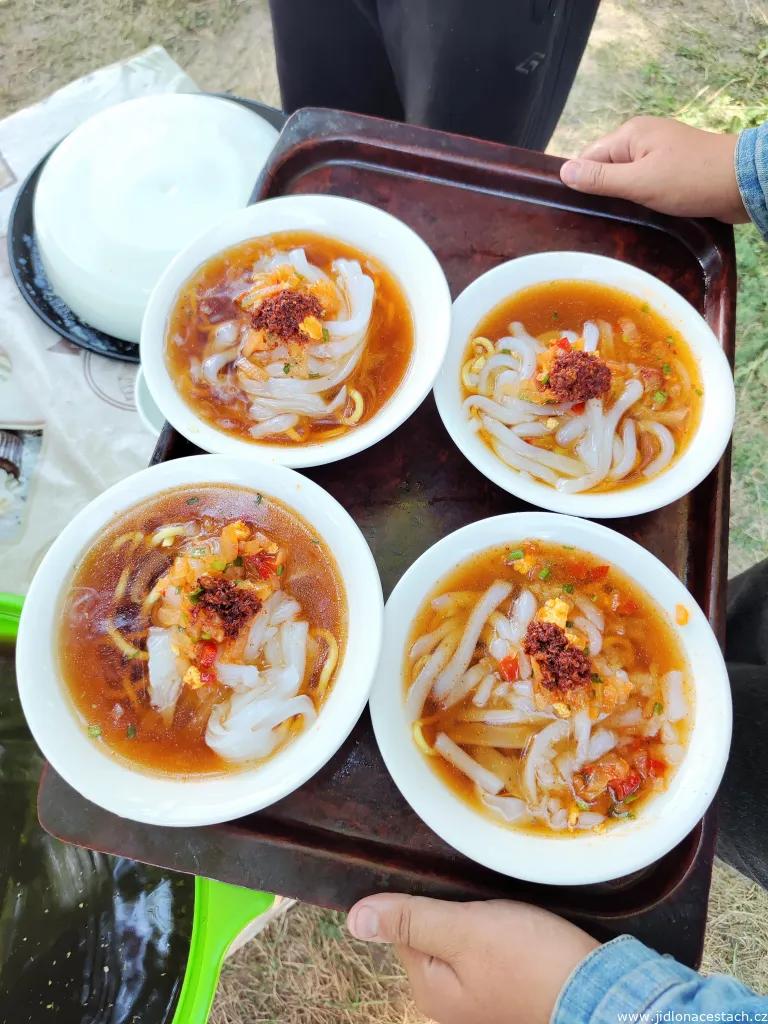
Enjoy Kyrgyzstan and the best of Kyrgyz food!



Tandyr Nan: Traditional Central Asian Bread
Tandyr nan is a traditional bread with a history spanning thousands of years, originating from Central Asia and surrounding regions. It is baked in a unique clay oven called a tandyr. In Kyrgyzstan, tandyr nan is a staple food and a symbol of hospitality. Made daily, it is often adorned with patterns and served with every meal. The bread is never cut with a knife but torn by hand, and placing it on the ground is considered disrespectful, reflecting the deep reverence locals have for it.

Plov: A Signature Rice Dish of Central Asia
Plov is a famous Central Asian dish made from rice, meat, and carrots, traditionally cooked in a pot called a kazan. Originally from Persia, this dish has become a symbol of hospitality across Central Asia. Preparing plov is considered an art, requiring skill and experience.

Shashlik: Grilled Meat on a Skewer
Shashlik, a traditional dish of grilled meat, traces its origins to the nomadic peoples of Persia, the Caucasus, and Central Asia. Its history stretches back centuries, closely linked to the pastoral lifestyle. In Kyrgyzstan, shashlik has become an integral part of the local cuisine. It is typically made from lamb or mutton, marinated in onions and spices, then skewered and grilled over glowing charcoal.

Naryn: A Festive Kyrgyz Dish
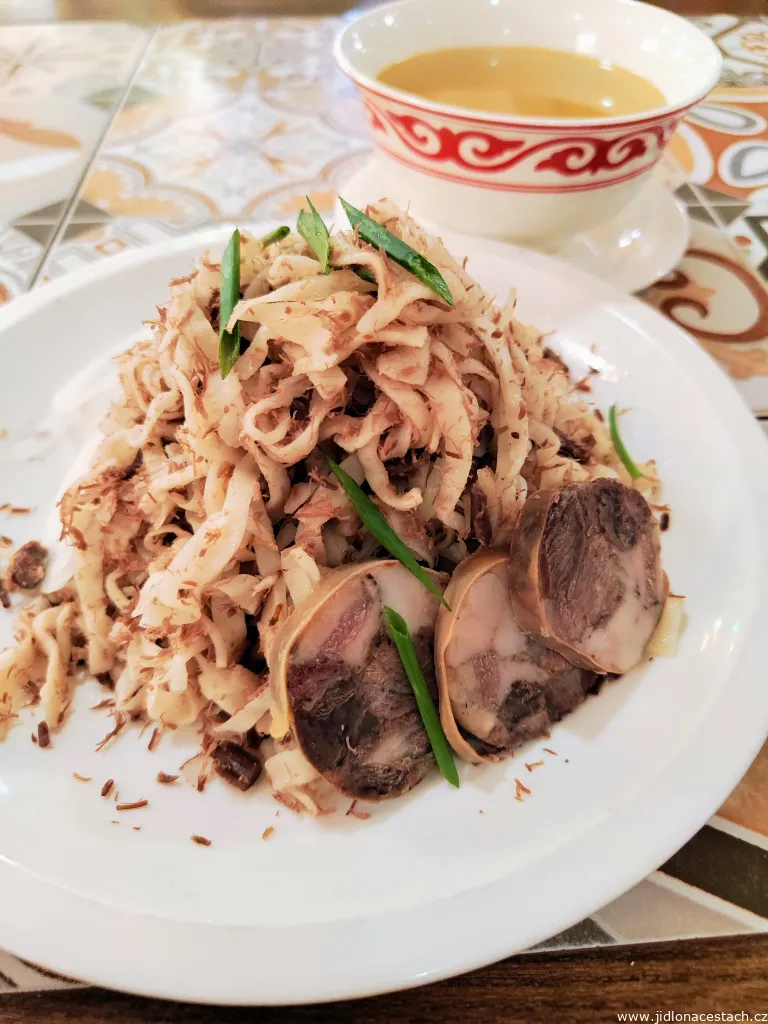
Naryn, a traditional and popular dish throughout Central Asia, holds special significance in Kyrgyzstan as a symbol of hospitality and family values. It is made from boiled horse meat cut into thin strips, served with cold noodles and hot broth. Naryn is often prepared for festive occasions as a sign of respect for guests. Although it is a Kyrgyz specialty, the dish is also enjoyed in other Central Asian countries.

Samsa: Traditional Central Asian Filled Pastry
Samsa is a traditional Central Asian pastry filled with meat, onions, and spices. It is a popular street food in Uzbekistan, Kazakhstan, Kyrgyzstan, and Tajikistan. It is baked in clay ovens called tandyr. If you travel to Central Asia, don't miss the opportunity to try freshly baked samsa straight from the tandyr - its taste is unforgettable.

Chalap: Traditional Fermented Dairy Drink
Chalap, a traditional Central Asian fermented dairy drink, is especially popular in Kyrgyzstan during the summer months. It is made from a thick fermented dairy product called "süzmö." Chalap is known for its beneficial effects on digestion. Its flavor is mildly sour and refreshing. The origin of this drink dates back to nomadic times, when people knew how to prepare it to last even in harsh conditions.

Maksym: Traditional Fermented Roasted Grain Drink
Maksym is a traditional Kyrgyz fermented drink made from roasted grains. Its history dates back to the nomadic lifestyle of the Kyrgyz people. They loved it for its taste, durability, and healing properties. Maksym has a refreshing, slightly sour taste and is rich in vitamins, minerals, and probiotics.

Kumys: Traditional Fermented Mare’s Milk Drink
Kumys is a traditional fermented drink made from mare's milk. The production of this beverage is not easy. Kumys has a distinctive sour and slightly alcoholic flavor, also influenced by the smoke from herbs used to disinfect the containers. Locals believe in its medicinal properties, and it is said to have a positive effect on digestion, immunity, and vitality.

Navat Restaurants: Authentic Kyrgyz Cuisine in Bishkek
Navat restaurants are a popular chain in Bishkek, offering authentic Central Asian, and particularly Kyrgyz, cuisine. The interiors are richly decorated, evoking the atmosphere of the ancient East. With a focus on tourists, the restaurants maintain a high standard of service, with quick meal preparation and professional staff. Navat restaurants are an excellent place to enjoy expertly prepared traditional Kyrgyz dishes combined with a Western style of service.

Kazy: Traditional Central Asian Horsemeat Sausage
Kazy, a traditional Central Asian sausage made from horsemeat, symbolizes the nomadic culture and is an essential part of Kyrgyz cuisine. It is made from horse rib meat, stuffed into intestines, and seasoned simply with salt, garlic, and pepper. The preparation of kazy sausage requires significant experience and skill. You can taste it in traditional Kyrgyz dishes like beshbarmak or naryn.