What to Eat in Alicante
Alicante (Alacant in Valencian) is a port city on the Costa Blanca and the second-largest city in the Valencian Community after Valencia. The sea brings rice cooked in fish broth and red prawns from Dénia; the hinterland supplies DO Alicante wines, turrón, herbal liqueurs and winter soups with salt cod.
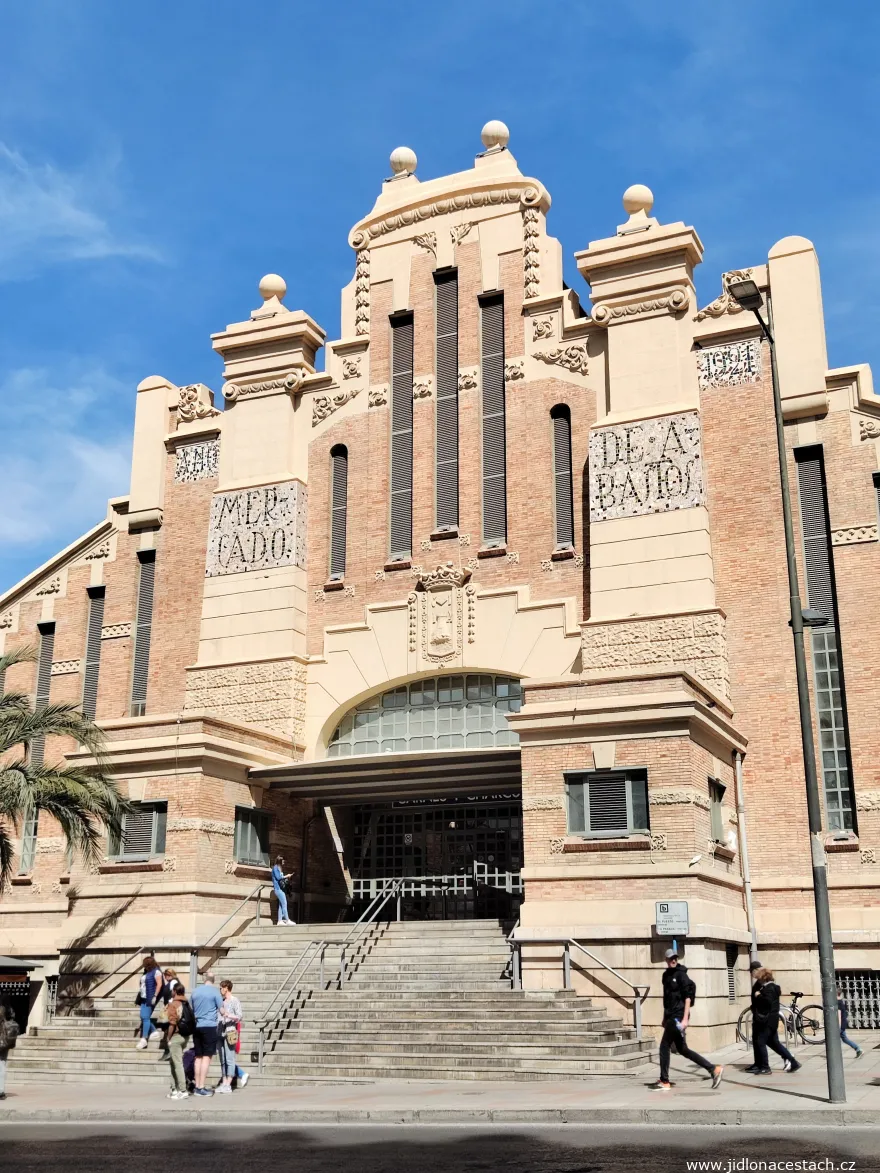
I came to Alicante with friends, and we ate our way through the city from the lower floor of the central market to the bakeries on its side streets: tapas and vermouth at the market in the morning, rice from the menú del día at lunchtime, and horchata and coca in between. In the end, the best socarrat I've ever eaten came with an ordinary set lunch.
What to Eat in Alicante
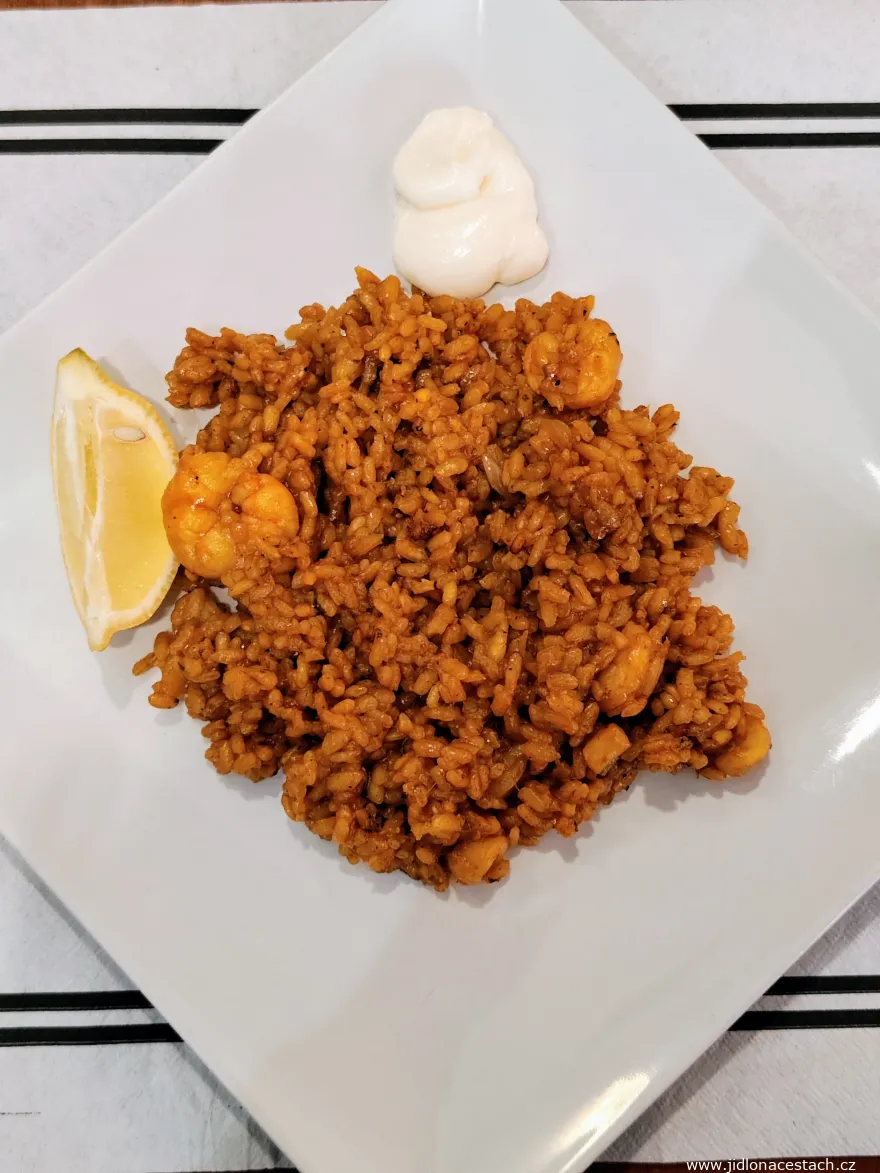
- Arròs a banda. Rice cooked in fish broth, which fishermen on the Alicante coast originally made from the part of the catch they couldn't sell. My winning socarrat came from exactly this dish - the crispy rice from the bottom of the pan, crunchy underneath and still tender on top.
- Turrón de Jijona and turrón de Alicante. Two almond nougats, each with a protected geographical indication: the soft one comes from the town of Jijona (Xixona in Valencian) in the hills behind Alicante, while the hard one, studded with whole almonds, bears the name of the city itself.
- Alicante wines. Monastrell from the inland Vinalopó subzone, sweet moscatel from the coastal Marina and fondillón - a powerful wine made from overripe Monastrell, aged for at least ten years without any added alcohol, which only DO Alicante is allowed to produce.
- Coca amb tonyina. A savory pie filled with tuna and onion. In Alicante it's baked for the feast of Saint John, when giant fogueres figures go up in flames in the streets, and every June the provincial bakers' guild holds a contest for the best one.
- Gamba roja de Denia. Red prawns from Dénia in the north of the province of Alicante, one of the most expensive delicacies on the Spanish coast.
- Herbero. A liqueur made from herbs of the Sierra de Mariola mountains in the north of the province, the traditional digestif of the local mountain villages.
- Olleta alicantina. A hearty stew of legumes, vegetables and pork that carries the region's name right in its name - a winter dish of inland Alicante.
- Borreta. A thick soup of potatoes, spinach and salt cod with ñora peppers, finished with a poached egg. It comes from the mountains around Alcoy in the province of Alicante and is eaten mainly in winter.
- Pebrereta. Stewed peppers with pumpkin and salted tuna (sangacho), a specialty of the fishing town of Villajoyosa, not far from Alicante.
- Pastissets. Sweet turnovers filled with sweet potato paste flavored with lemon and cinnamon, a traditional Christmas pastry of the province of Alicante.
- Mistela. A sweet liqueur wine made from Muscat grapes grown in the Marina Alta area, popular in and around Alicante as a digestif after a meal.
- Nísperos de Callosa. Loquats grown around Callosa d'en Sarrià with their own protected designation, the area's celebrated fruit.
- … and dozens more Spanish dishes on the list: What to Eat in Spain.
Where to Eat in Alicante
- Aitana's Corner Bar. A pleasant tapas bar in the central market (lower floor). There's a wide choice of tapas, and in the morning you can also get a typical Spanish breakfast here.
- Pipirrana Vermut. A great vermutería that doubles as a tapas bar, practically in the center of Alicante.
- Probar el Buen Bar. A modern tapas bar. It's lively inside, the atmosphere is pleasant, and you can sit outside too. The tapas have a more modern twist, and they were happy to make us a slightly unconventional dish as well.
- Tabula Rasa. A restaurant in the Michelin Guide, with a Michelin Bib distinction (exceptional value for money). And here that couldn't be more true: you get a superb six-course tasting menu where fresh local fish and Spanish specialties take center stage. At lunchtime they regularly cook rice dishes the traditional way. Reservations are essential.
- Restaurant Casa Mary. A Spanish restaurant serving rice dishes and a menú del día. It's open on Mondays too, when other restaurants are closed (which is exactly why I went). There's a big Mercadona supermarket right across the street.
- La Guapa Vermuteria Mercado. A vermutería with an unbelievably wide range of vermouth. You'll find it on the lower floor of the central market as well, just a few steps from Aitana's Corner Bar.
- Horchatería Azul. A renowned spot for horchata, the traditional drink. Highly recommended - and it's a short walk from Restaurant Casa Mary.
- Bombon Boss. A pleasant café where you can order a typical Spanish breakfast (toasted baguette with tomato, freshly squeezed orange juice and coffee).
- La Masa de Tomasa II. A bakery with a tempting selection. I tried their coca filled with a vegetable mix and some perfect buñuelos (fried dough puffs filled with vanilla cream).
- Mari Carmen Fenoll. A bakery in the central market (lower floor). Try their famous coca with tuna (the one that keeps winning them competitions), or torrijas if you come while they're in season.
- Panadería Dorita. A bakery with a wide range of local baked goods. If you want to try a version of coca I never warmed to, order the coca de mollitas 😇.
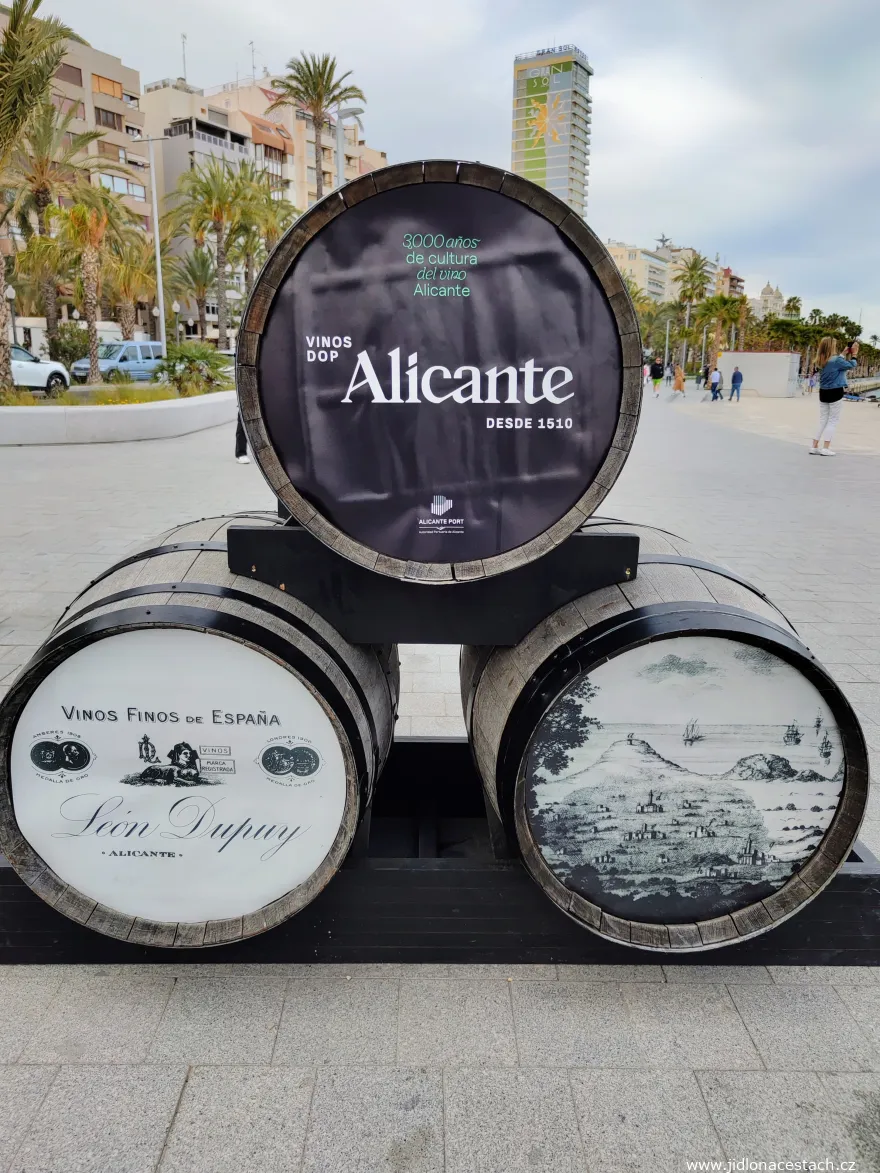
For me, Alicante will always be the city where breakfast starts with vermouth at the market.
Enjoy eating your way around Alicante!



Paella: A Guide to Spanish Rice Dishes
Jamie Oliver put chorizo in it and Spain has never let him forget it. Paella is the most famous of Spain's rice dishes - and strictly speaking it isn't even Spanish, but Valencian. This tour of the arroces family explains why the dish is named after a pan, what socarrat is and why the best rice comes at lunchtime.

Alicante Wines: Monastrell from Vinalopó, Fondillón and Moscatel
Three quarters of the wine from Alicante comes from a single grape, monastrell, which the province shares with the whole Spanish southeast - and then there is one wine nobody else has: fondillón, made from overripe grapes and aged at least ten years without a drop of added spirit. The DO Alicante appellation has two subzones: the inland Vinalopó with its reds and the coastal Marina with its sweet moscatel.

Níspero de Callosa: The Loquat from the Province of Alicante
Níspero de Callosa is the loquat grown on the terraces around the small town of Callosa d'en Sarrià in the province of Alicante, with a protected designation of origin since 1992. The orange fruit, the size of an apricot, is eaten fresh and peeled, and it has juicy sweet flesh and a few big seeds. The tree comes from China, the name from the European medlar, and its season is short - from April to the end of May.

Coca: The Flatbread of Valencia, Catalonia, and the Balearics
Coca is the flatbread of Catalan-speaking Spain: dough with the topping spread over it or tucked between two sheets, savory or sweet, baked on a tray. One word covers Catalan coca de recapte, Balearic coca de trempó, and the Alicante specialties with tuna and streusel. Where the name came from, what to make of the claim that coca is the mother of pizza, and how three bakeries in Alicante measured up.

Herbero: An Herbal Liqueur from the Sierra de Mariola
Herbero is an herbal liqueur from the Sierra de Mariola, on the border between the provinces of Alicante and Valencia. At least four mountain herbs macerate in an anise base, and they often stay right there in the bottle. Seven villages around the range make it, each in its own way - dry in Alcoy, sweeter in Bocairent. After a meal, bars and restaurants in Alicante pour a round on the house along with the bill.

Mercat Central d'Alacant: The Market Where Alicante Shops and Has Breakfast
Alicante's central market is a covered hall from 1922 with 292 stalls on two floors: fish downstairs, fruit, vegetables, cheese and cured meats upstairs, and in between them bars where the late morning brings a second breakfast - with vermouth. The province of Alicante sends turrón, Fondillón, prawns from Denia and coca amb tonyina; jamón only passes through. The clock in the display case has read 11:19 since May 1938.