What to Eat in London
London, the capital of the United Kingdom, isn't just the country's cultural and historical center - it's also its culinary heart. Its food is rooted in English cooking, which immigrants from Britain's former colonies and the rest of the world have been enriching for centuries - so you'll find just about every cuisine on the planet here.
London never stops surprising me with how open it is to new food trends. Indian curry, Chinese noodles, modern European cooking - all just a few Tube stops apart. Still, I can't imagine a trip to London without a proper plate of fish and chips and at least one meal in Chinatown.

London Markets
You don't need a restaurant to eat well in London - some of the best food in town is at its markets. Each one has its own character and its own crowd, from tourists to longtime locals.
Borough Market is London's oldest and most famous food market - its history goes all the way back to the 13th century. Its covered halls are full of aged cheeses, crusty bread and pastries, exotic fruit and vegetables from farmers, plus stalls selling hot food.

Another famous market is Portobello Road Market in the heart of Notting Hill. Made famous by the film "Notting Hill" with Julia Roberts and Hugh Grant, it's the largest antiques market in Britain. Besides antiques, though, you'll also find stalls selling clothes, jewelry and art - and, of course, food.
If modern food and design are more your thing, head to Spitalfields Market in the East End. The market is housed in a Victorian market hall dating from 1887. Young designers, artists and makers sell clothes, jewelry and homeware here, and the food section ranges from Thai cooking to English cheeses.
Brick Lane Market in Shoreditch made its name with vintage and secondhand clothing, but among the stalls you'll also find art, music and food. Brick Lane is also the heart of London's Bengali community, so it's where you'll taste some of the best curry in town.
Broadway Market in Hackney, East London, is a Saturday neighborhood market - its stalls selling food, clothes, jewelry and art cater more to locals than to tourists.

And I can't leave out the famous Camden Market, which is actually a cluster of several markets around Camden Town. Its alternative, punk-rock vibe draws a mostly young crowd, and besides stalls selling clothes, accessories and souvenirs, you'll also find street food from all over the world.
What to Eat in London
- Fish and chips. Fried cod and chips, the British classic whose documented history starts right here: the first shop to pair fried fish with chips was opened by Joseph Malin in the East End around 1860.
- Afternoon tea. Tea served with sandwiches, scones and little cakes. Anna, Duchess of Bedford, started the tradition in London high society around 1840, and today it's most famously served by luxury hotels like the Ritz and Claridge's.
- Pie and mash. A meat pie with mashed potatoes and a parsley sauce called liquor. A Cockney tradition in East London since the mid-19th century, still kept alive by old family-run pie and mash shops.
- Jellied eels. Eels set in jelly, a specialty of the working-class East End from the days when eels from the Thames were the cheapest meat around. They're a rarity these days, but you can still get them at traditional pie and mash shops.
- Scotch egg. A hard-boiled egg wrapped in sausage meat and breadcrumbs. The London department store Fortnum & Mason claims to have invented it, but has never produced any evidence for its claimed date of 1738. I tried an unconventional fish version at The Mayfair Chippy.
- Chelsea bun. A sweet spiral bun made from yeast dough with dried fruit and cinnamon, first baked in the early 18th century at the Chelsea Bun House in the London district of the same name.
- Salt beef bagel. A bagel filled with hot salt beef and mustard, a legacy of the Jewish East End. Its most famous home since 1974 has been Beigel Bake on Brick Lane.
- London particular. A thick pea soup named after London's notorious fog - "pea souper" was the word for both the smog and the soup. It's more of a historical specialty now, but it still turns up on the menus of traditional British restaurants.
- Pimm's cup. A refreshing summer drink made with a gin-based liqueur, fruit and herbs. James Pimm came up with it around 1840 at his oyster bar in the City of London, and it's still a fixture at Wimbledon and garden parties.
- London Pride. The flagship ale of Fuller's brewery in Chiswick, London. The ideal first order if you want to start exploring British beer.
- … and, if you're still hungry, dozens more British dishes on the list: What to Eat in the United Kingdom.
Where to Eat in London
- The Mayfair Chippy. The place for absolutely perfect fish & chips and a scotch egg - I went for its unconventional kedgeree version with smoked haddock.
- E. Pellicci Café. Many people (me included) say it serves the best full English breakfast in all of London.
- Gigs. A family-run place with Greek roots in Fitzrovia that has been frying fish and chips since 1958. I had the cod and saw why Gigs keeps turning up among the best chippies in town.
- Maria's Market Cafe. A café right at Borough Market. A good choice if hunger strikes while you're at the market - but for the places people rave about, you'll have to look elsewhere.
- Chinatown. Plenty of places serving Asian food, and one of the spots in London where you can eat on the cheap.
- Sky Garden. Most people don't come here for the food but for the experience. If you're not afraid of heights, book a free ticket to the skyscraper nicknamed the Walkie-Talkie - inside you'll find an incredible view over the whole city and a café with "relatively" reasonable prices (for London).
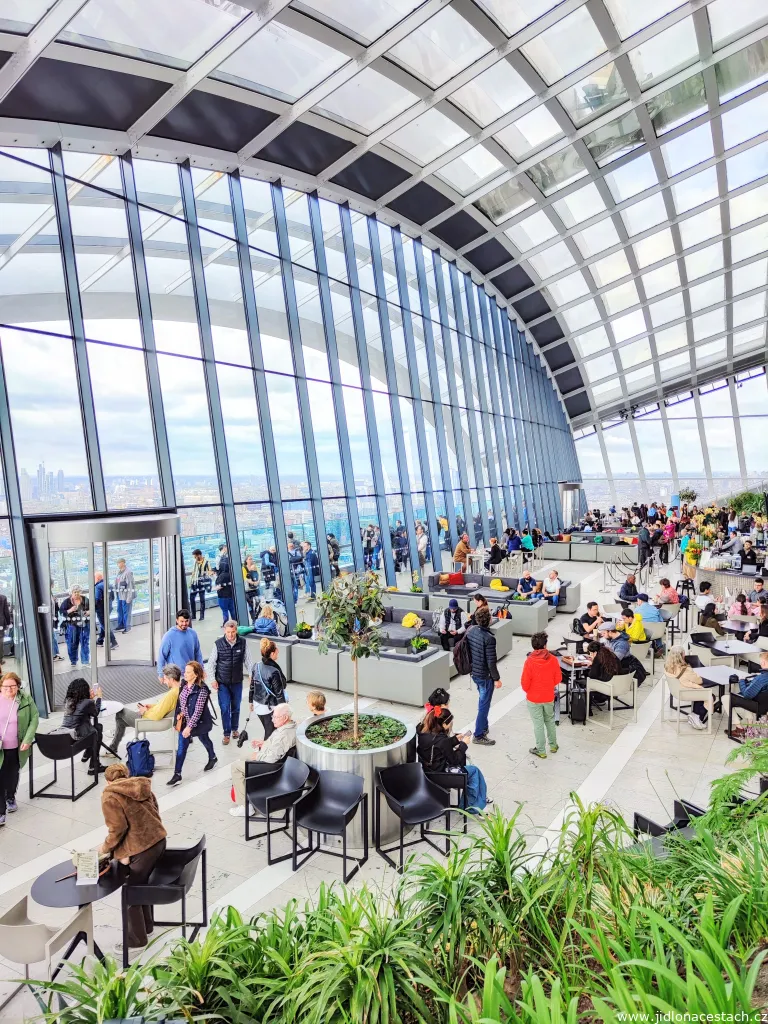
Whether you spend a weekend or a month in London, you definitely won't go hungry. The way I see it, the best food here isn't in expensive restaurants but at the markets and in ordinary family-run cafés.
Enjoy eating your way around London!



Scotch Egg: An Egg Wrapped in Sausage Meat
A Scotch egg is a hard-boiled egg in a coat of sausage meat and breadcrumbs - the snack Britain eats at picnics and in pubs over a pint. It has nothing to do with Scotland, and its trail may lead all the way to Mughal India. Where does the name come from, why did the British government debate a snack, and what does the fish version from London's Mayfair taste like?

E. Pellicci Café: A Full English Breakfast in London
One Tuscan family has run E. Pellicci in London's Bethnal Green since 1900, and its full English breakfast ranks among the most celebrated in the city. The art deco interior, fitted out by a carpenter who was a regular, has been a listed building since 2005, and the Kray twins used to have breakfast here. Here's what lands on your plate, what it costs and how to dodge the line.

Borough Market: London's Best-Known Food Market
Borough Market at the southern end of London Bridge is London's best-known food market. Trading has gone on here for more than a thousand years, but the market took its present shape in 1756, when Parliament abolished the old one and the locals raised the money to open their own. Under the Victorian ironwork you'll now find artisan cheeses, sourdough bread and hot food from all over the world.

Camden Market: The London Market with a Punk Soul
Camden Market is six markets under a single brand: former stables and a horse hospital by Regent's Canal, where today you'll find punk fashion and street food from all over the world. Read on to find out how a horse yard turned into one of the biggest markets in the United Kingdom, why a statue of Amy Winehouse stands there - and why I only recommend it as a food tip with a caveat.

Broadway Market: A Neighborhood Saturday Market in London's Hackney
Broadway Market is a neighborhood Saturday market in London's Hackney, on a street between London Fields park and Regent's Canal. The road that drovers once used to walk cattle to slaughter now fills every Saturday with more than 150 stalls selling farm produce, street food and crafts. The shops along the street are open all week; the market belongs to Saturday.

Chinatown: Cheap Chinese Food in London
Europe's most famous Chinatown is also one of its smallest: a few streets in the heart of London's West End, gates from the 1980s and garlands of red lanterns. It moved into Soho from the docks in Limehouse step by step, takes its name from the Tang dynasty, and alongside roast ducks and dim sum it offers buffets where you eat as much as you can manage.