What to Eat in Ireland: Typical Irish Food and Specialties
Irish cuisine is honest and hearty - built on meat, potatoes, butter, and everything the surrounding sea provides. The Irish cook simply, but with excellent ingredients: lamb and beef from pastures where the animals graze outdoors all year round, butter and cheeses from the milk of cows raised this way, salmon and seafood from the Atlantic. Historically, Irish cuisine is close to that of the neighboring United Kingdom, but there are plenty of dishes the Irish consider their own and defend fiercely.
Worldwide, Ireland is famous above all for its drinks: Guinness beer and Irish whiskey. Tasting both right at the source is one of the main reasons to go to Ireland. And then there are the Irish pubs - institutions that can't be copied, no matter how hard the "Irish pubs" all over the world try.
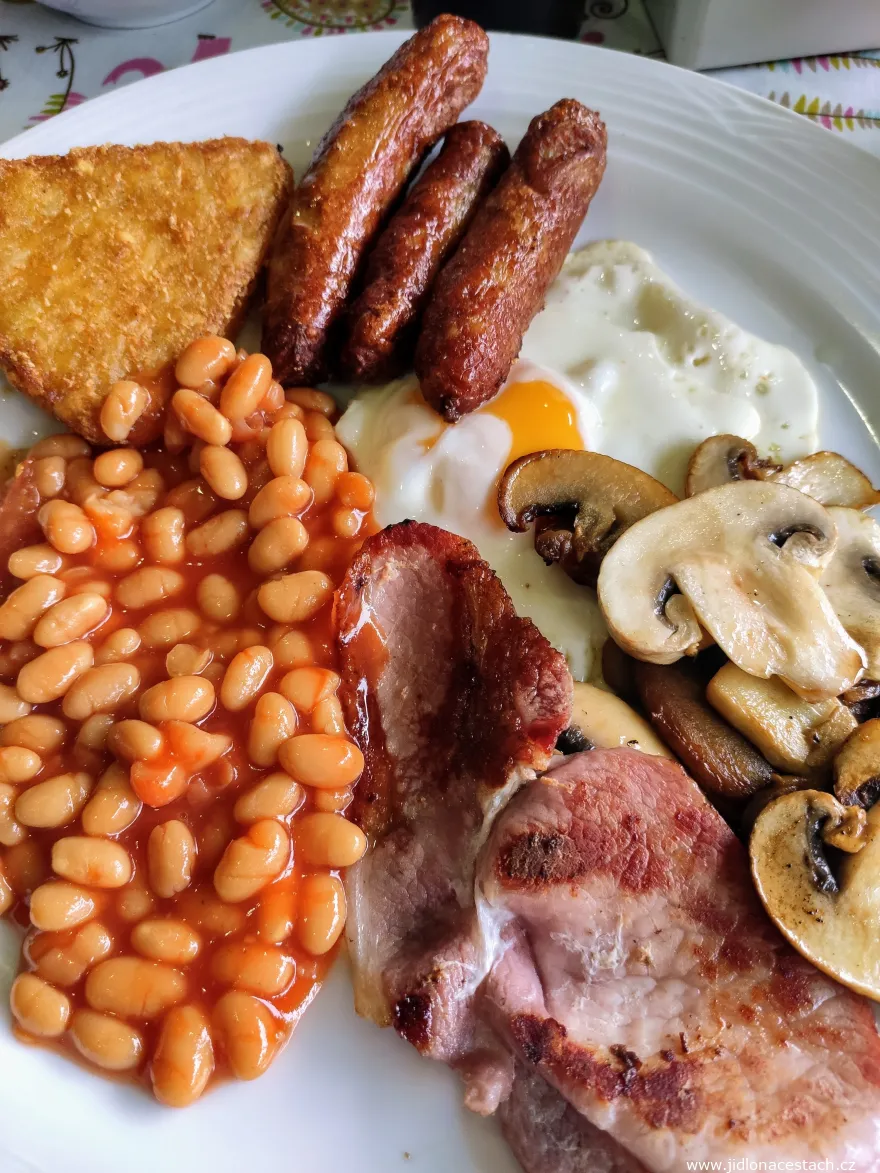
I got to know Irish cuisine in Dublin, and I'll admit that alongside the food, a large part of my itinerary was taken up by pubs, a brewery, and a distillery. But that's part of Irish gastronomy: without pubs, beer, and whiskey, it wouldn't be complete.
Typical Irish Food
Potatoes are the foundation of Irish cuisine - so much so that dependence on them grew into a national tragedy in the 19th century. Colcannon mashed potatoes with kale, boxty pancakes, breakfast potato farls: you'll come across potatoes in many forms. They're joined by pork and lamb, cabbage and kale, and - a little unusual for Central Europeans - bread made with baking soda and buttermilk.
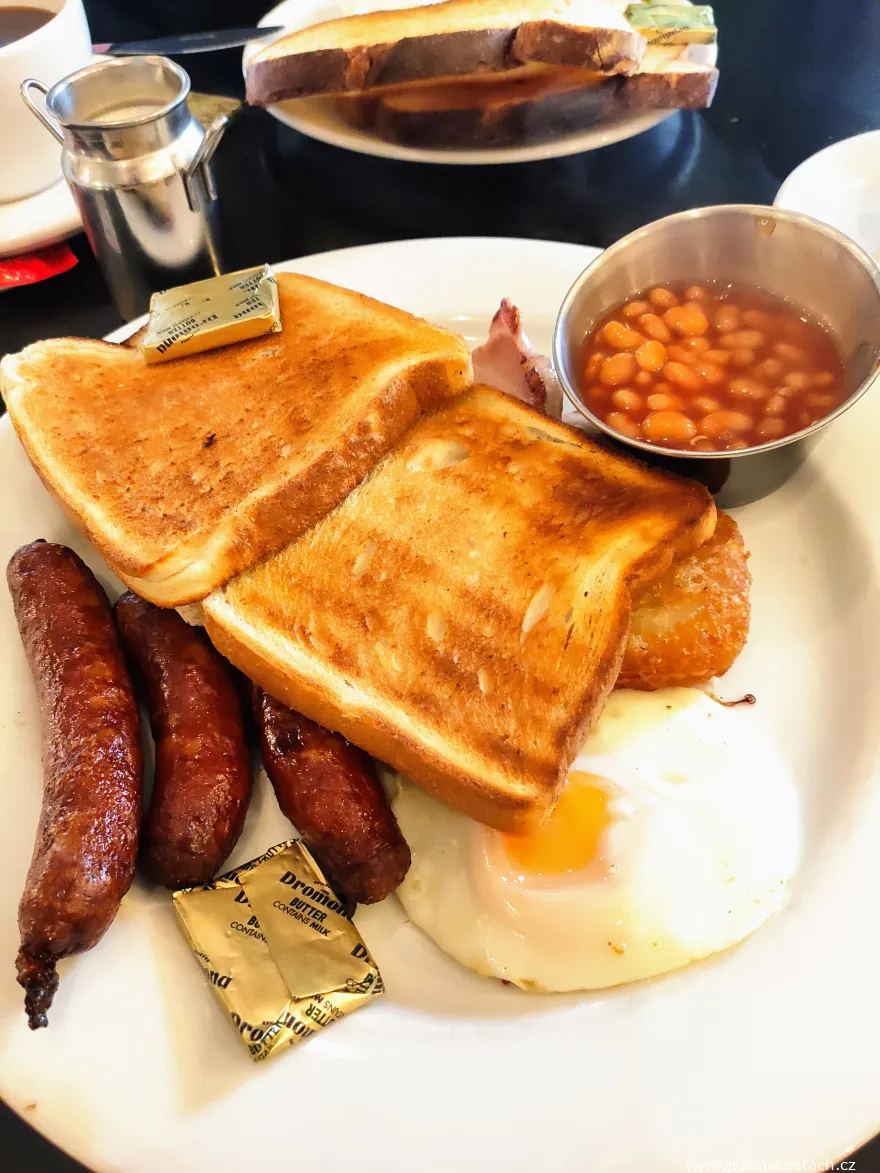
If I had to name a single dish I associate with Ireland, it would be the full Irish breakfast. This hearty breakfast of grilled sausages, beans, a fried egg, bacon, mushrooms, and black pudding will keep you going practically all day. After returning home, I tried to find out how it actually differs from the full English breakfast, and I found nothing significant - yet both the Irish and the English insist on "their own" breakfast.
The other side of Irish cuisine is fish and seafood. Creamy seafood chowder, oysters, smoked salmon, or Dublin Bay prawns are among the best things you'll get in Ireland. Pubs, meanwhile, serve simple, filling dishes: Irish stew, shepherd's pie, or fish and chips.
The Irish National Dish
Irish stew is considered the national dish of Ireland - a slow-cooked pot of lamb or mutton, potatoes, onions, and carrots. It was originally a dish of the poor: into the pot went meat from older sheep that no longer produced wool or milk, plus whatever the garden provided. Everything simmered slowly for hours until the meat was tender.
Today you'll find Irish stew on the menu of just about every Irish pub, and many families argue over the "proper" recipe. Should you add carrots? Thicken it, or keep the broth clear? Lamb or beef? On one thing, though, the Irish agree: Irish stew must be simple and honest. Order a pint of dark beer with it - the bitterness of stout pairs beautifully with the fattier meat.
What to Eat in Ireland
- Irish stew. Slow-cooked lamb or mutton with potatoes, onions, and carrots, the Irish national dish. Originally a meal of the poor, today a classic in every Irish pub.
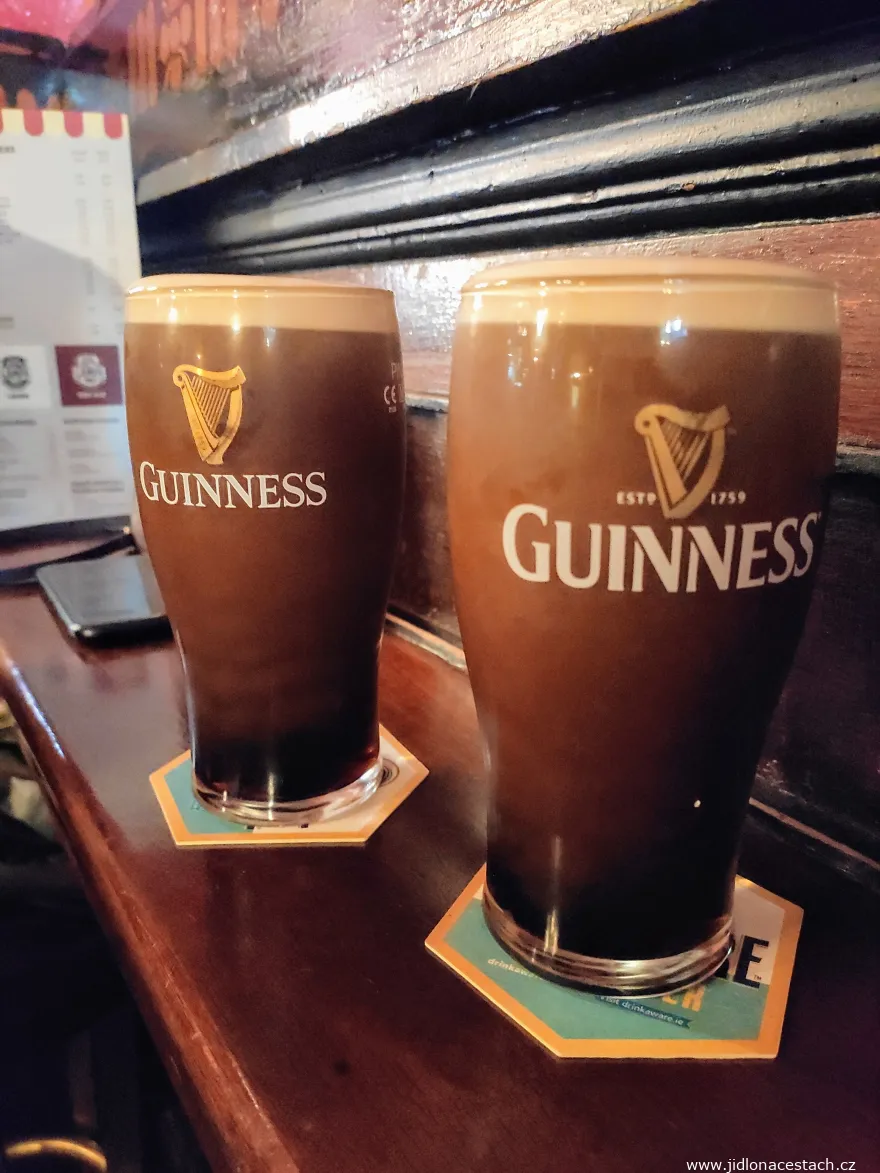
- Guinness beer. A dark stout with a creamy head, Ireland's most famous beer. It has been brewed in Dublin behind St. James's Gate since 1759.
- Irish whiskey. Usually triple distilled, which makes it smoother and softer than Scotch. Only whiskey aged on the island for at least three years may be called Irish.
- Full Irish breakfast. A hearty breakfast of sausages, bacon, eggs, beans, mushrooms, and black pudding. It will keep you going practically all day.
- Irish coffee. Hot coffee with Irish whiskey, sugar, and a layer of lightly whipped cream. It was created in 1943 at the Foynes flying boat base near Limerick. And then it conquered the world.
- Fish and chips. Fried cod with chips from the local "chipper". The Irish have claimed this dish just as the British have, and the debate over the best chipper (the takeaway where it's made) gets passionate.
- Irish cream. A liqueur made from whiskey, cream, and cocoa, Baileys being the most famous. It's drunk over ice, in coffee, and in desserts.
- Soda bread. Bread leavened with baking soda instead of yeast and made with buttermilk. Its texture is quite different from sourdough bread, and the Irish eat it for breakfast and with soups.
- Shepherd's pie. Minced lamb baked under a layer of mashed potatoes. Made with beef, it's properly called cottage pie, but in pubs the two versions blur together.
- Colcannon. Mashed potatoes with kale or cabbage and a generous amount of butter. A traditional dish once served mainly in autumn and at Halloween.
- Black pudding. A sausage of pork blood, fat, and oats, an essential part of the Irish breakfast. It sounds intimidating, but the taste is surprisingly mild and well spiced.
- Bacon and cabbage. Boiled salted pork belly or ham with cabbage and potatoes. One of the most traditional Irish dishes, served especially on St. Patrick's Day.
- Seafood chowder. A thick, creamy soup of fish, seafood, and cream. Every pub on the Irish coast makes it, served with soda bread and butter.
- Smoked salmon. Irish salmon cold-smoked over oak wood, served with lemon and soda bread. A traditional delicacy and a popular gift from Ireland.
- Oysters. Irish oysters have a worldwide reputation, and the most celebrated come from the bay near Galway. The city on the west coast dedicates a whole festival to them every autumn.
- Dublin Bay prawns. Despite the name, not prawns at all but small Norway lobsters, known elsewhere as langoustines or scampi. Sweet, delicate meat, best just briefly cooked with butter.
- Boxty. Pancakes made from a mix of raw and cooked potatoes, typical of the west of Ireland. They're served sweet or savory, even as a stuffed pancake.
- Champ. Mashed potatoes with spring onions, colcannon's cousin from Ulster in the north of the island. You make a well in the middle for melted butter.
- Coddle. A slow-simmered pot full of sausages, bacon, potatoes, and onions, a specialty of Dublin. A dish of the working-class neighborhoods, cooked from leftovers; even James Joyce mentions it.
- White pudding. The pale version of black pudding, made without blood - pork, fat, and oats. On a full Irish breakfast plate, you'll usually find both slices side by side.
- Potato farls. Flat potato cakes fried in a pan, part of breakfast in Northern Ireland. The name comes from the word "fardel" - a quarter, after the way the cake is divided into four pieces.
- Irish farmhouse cheeses. Mature Irish cheddar and dozens of small farmhouse dairies. Milk from cows grazing outdoors for most of the year really shows in the taste of the cheeses.
- Irish apple tart. A homemade apple pie with shortcrust pastry, often served with warm custard. In Ireland, apples are grown mainly in County Armagh.
- Barmbrack. A sweet yeasted bread with raisins and candied fruit, associated with Halloween. Objects meant to foretell the future were traditionally baked into the dough.
- Spice bag. A bag full of fried chips, pieces of chicken, peppers, and spices from Chinese takeaways. It originated in Dublin's Chinese takeaways and is now sold all over Ireland, mostly late at night.
- Poitín. A traditional Irish spirit made from potatoes or grain, distilled illegally for centuries. Today it's legal and making a comeback in bars.
- Blaa. A soft, fluffy bread roll dusted with flour, a specialty of Waterford in the southeast of the country. It's protected by a European geographical indication - you won't find it anywhere else.
- Gur cake. A dark slice of fig filling and stale pastry between two layers of dough, a specialty of Dublin bakeries. A cheap sweet treat once bought by street kids - the "gurriers".
- Yellowman. A hard, honeycomb-like candy made from brown sugar and buttery caramel. It comes from County Antrim in Northern Ireland, where it's sold at the traditional Ould Lammas Fair.
- Dulse. Dried edible seaweed, eaten in coastal areas simply as a salty snack. It tastes of the sea and umami, and it goes brilliantly with beer.
- Drisheen. A blood sausage with a gelatinous texture, a specialty of Cork. Even among the Irish, it counts as an acquired taste.
Typical Irish Drinks
Black tea is everywhere in Ireland, and the Irish are among its biggest consumers in the world. It's drunk strong, with milk, from morning till night, and you'll be offered it wherever you go - at breakfast, a pot arrives practically automatically.
Irish coffee combines coffee, Irish whiskey, sugar, and a layer of lightly whipped cream, through which you sip the hot drink. It's no tourist gimmick - it was born in Ireland and the Irish take it seriously, right down to arguments over the proper way to make it.
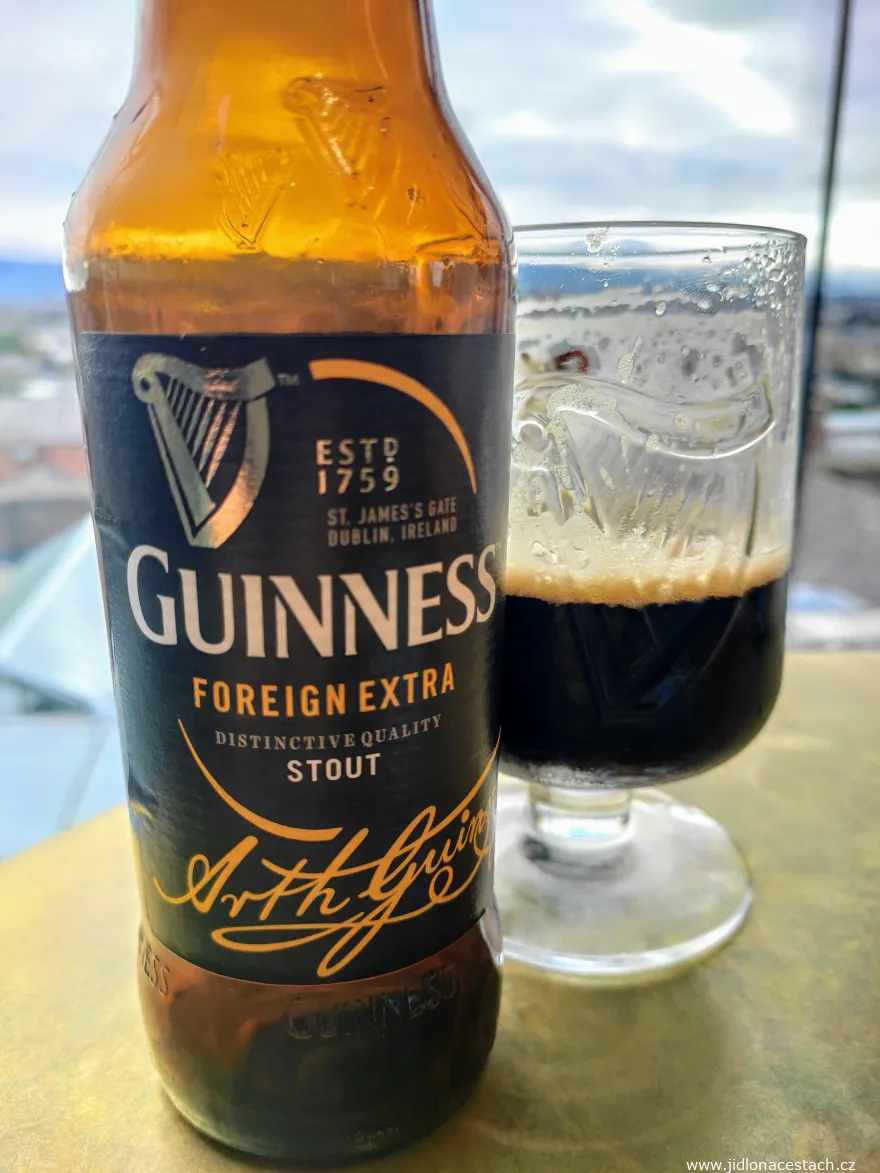
Beer in Ireland means stout above all - a dark, top-fermented beer with a creamy head, and its symbol is Guinness. A properly poured pint is pulled in two stages and takes a while; rushing the bartender gets you nowhere. Besides Guinness, the stouts Murphy's and Beamish from Cork are worth a try, as are the beers of smaller craft breweries.
Irish whiskey is usually distilled three times, which makes it smoother than Scotch. Ask for advice at the pub - the selection tends to be wide and bartenders love talking about whiskey. At The Long Hall pub in Dublin, the staff even initiated me into the ritual of adding a few drops of water to the glass to "open up" the whiskey.
Irish cream, a liqueur of whiskey and cream, is best known in the form of Baileys. And if you want to dig deeper into Irish history, try poitín - a spirit that was distilled illegally at home for centuries and is now returning to bars in legal form.
How to Enjoy Irish Food to the Fullest
- Start the day with a proper full Irish breakfast at a local bistro. Not at your hotel, but where the locals eat. That's how I found Oh'Rourke's bistro in Dublin - simplicity, plastic tablecloths, and great food at a fair price.
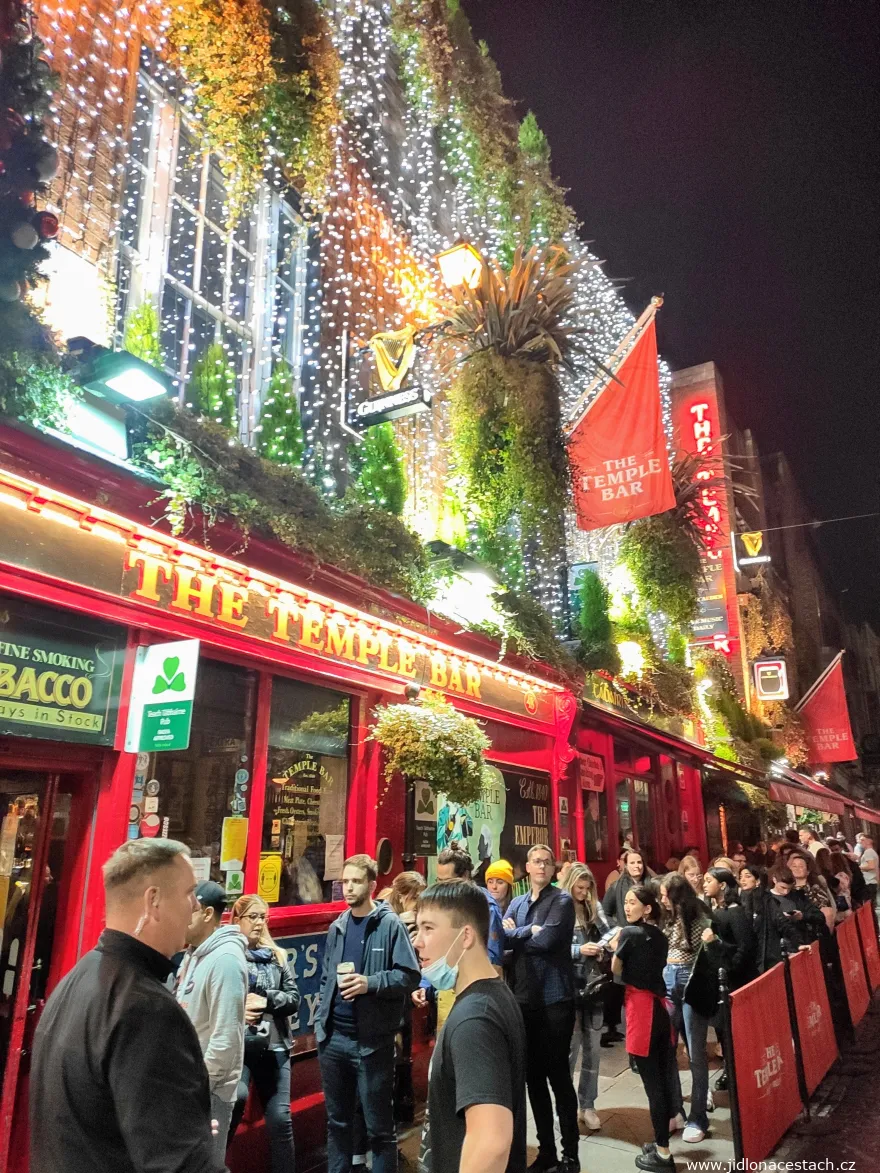
- Go for a beer off the tourist trail. Dublin's Temple Bar district is picturesque, but in the evening it's taken over by queues and drunk tourists. Pubs like Cobblestone or The Long Hall offer an atmosphere you won't find in the center.
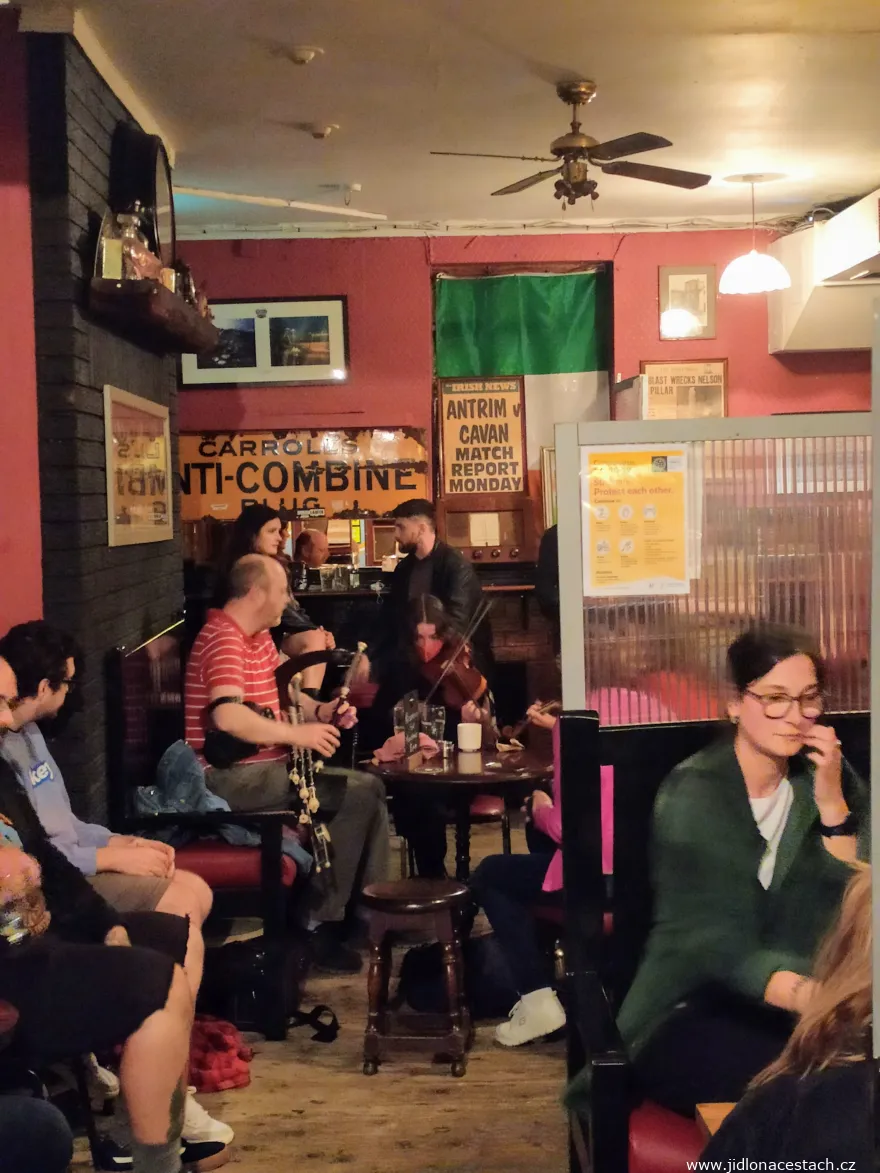
- Catch some live music. A traditional session, where musicians in a pub simply sit down and play, is one of the most powerful Irish experiences. I got lucky at Cobblestone, and it was the highlight of the whole trip.
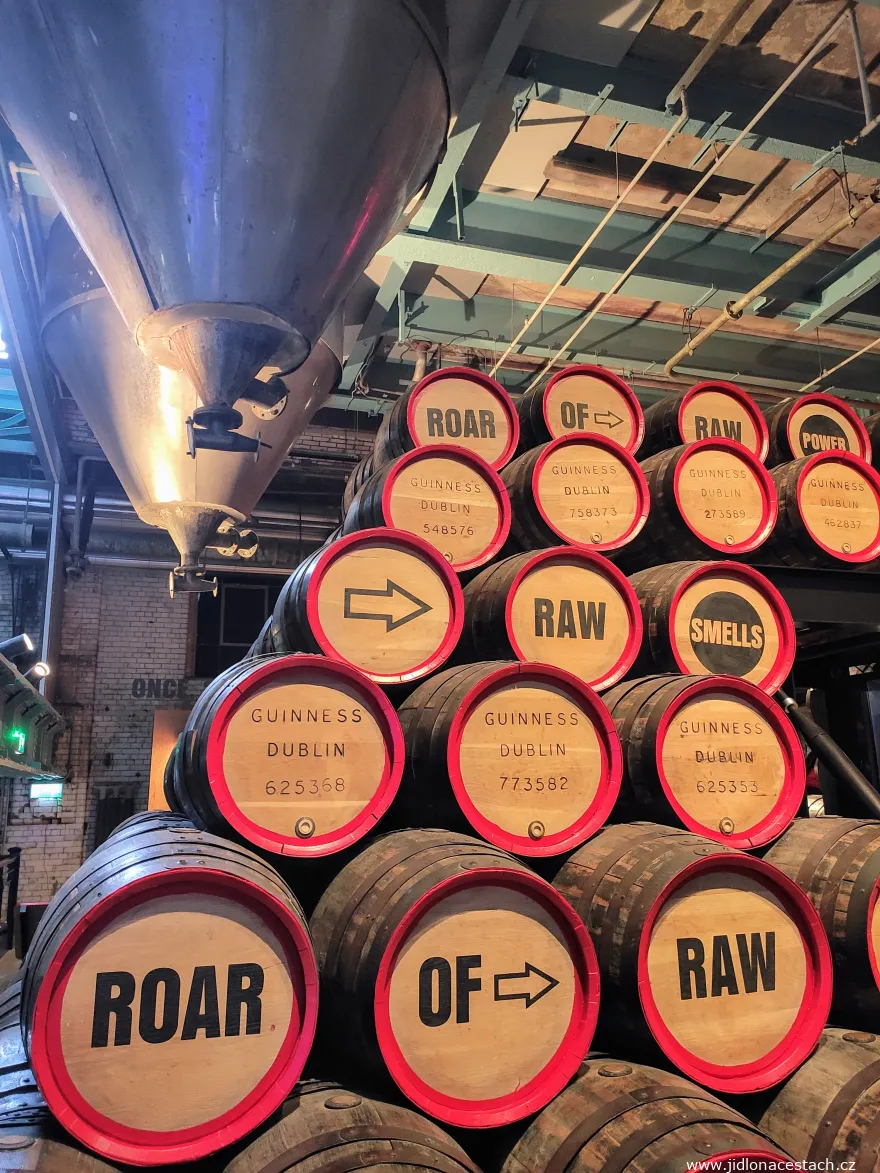
- Tour a brewery and a distillery. The Guinness Storehouse exhibition and the Jameson Distillery in Dublin are worth both the time and the money. Buy tickets online in advance - they often sell out.
- Order seafood by the sea. Seafood chowder, oysters, or Dublin Bay prawns are at their freshest and best in Ireland. Always ask for soda bread with butter alongside your soup.
- Don't be afraid to try black pudding. Blood sausage on a breakfast plate looks intimidating, but it tastes mild and well spiced. If you don't try it, you don't know what you're missing.
Irish Pubs and Drinking Culture
The Irish pub (short for "public house") is the living room of the whole neighborhood - people come here to talk, sing, and celebrate, and drinking comes second. Part of it is the so-called session: musicians simply sit down at a table, pull out a fiddle, a flute, and a bodhrán, and play for as long as they feel like it. Nobody organizes it, and that's exactly why it works. I experienced such an evening at the Cobblestone pub in Dublin, where after the music ended, several guests borrowed the instruments and carried on in the courtyard. I still think back on it. ❤️
In a pub, you order at the bar and pay right away. If you're in a group, expect rounds: one person always pays for the whole round, and next time it's someone else's turn. Bowing out of the rotation early is considered rude.
Pub food tends to be simple and filling. And don't be fooled by the signs out front: the nicest pubs aren't necessarily the most famous ones. I skipped the queues outside the places in Temple Bar, and the pubs a few streets away had everything I needed.
How to Say Thank You for Irish Food
You'll get by just fine in Ireland with English, but Irish (Gaeilge) is the country's first official language and a few words in it will be appreciated. "Go raibh maith agat" (guh rev mah agut) means thank you - literally "may good come to you". If you're thanking more than one person, the correct form is "go raibh maith agaibh".
When you raise a glass, the toast "Sláinte!" (slawn-cha) - literally "health" - comes in handy, or the longer "Sláinte mhaith" (slawn-cha wah), "good health". You'll hear it many times over an evening in a pub, and with a pint in hand, you'll pick it up fast.
Interesting Facts About Irish Food
- In 1759, Arthur Guinness signed a 9,000-year lease on the brewery at St. James's Gate. The brewery still stands there today, though the company eventually bought the land outright.
- Irish coffee was invented in the winter of 1943 by chef Joe Sheridan at the Foynes flying boat base. He added whiskey to the coffee of freezing passengers from a turned-back transatlantic flight - and when asked whether it was Brazilian coffee, he replied: "No, that's Irish coffee."
- The Great Famine of 1845-1849 changed Irish cuisine and the whole country. Blight destroyed the potato crop the poor depended on entirely; over a million people died and millions more emigrated.
- The word whiskey comes from the Irish "uisce beatha" - water of life. Unlike Scotch whisky, Irish whiskey is spelled with an "e" and is usually distilled three times.
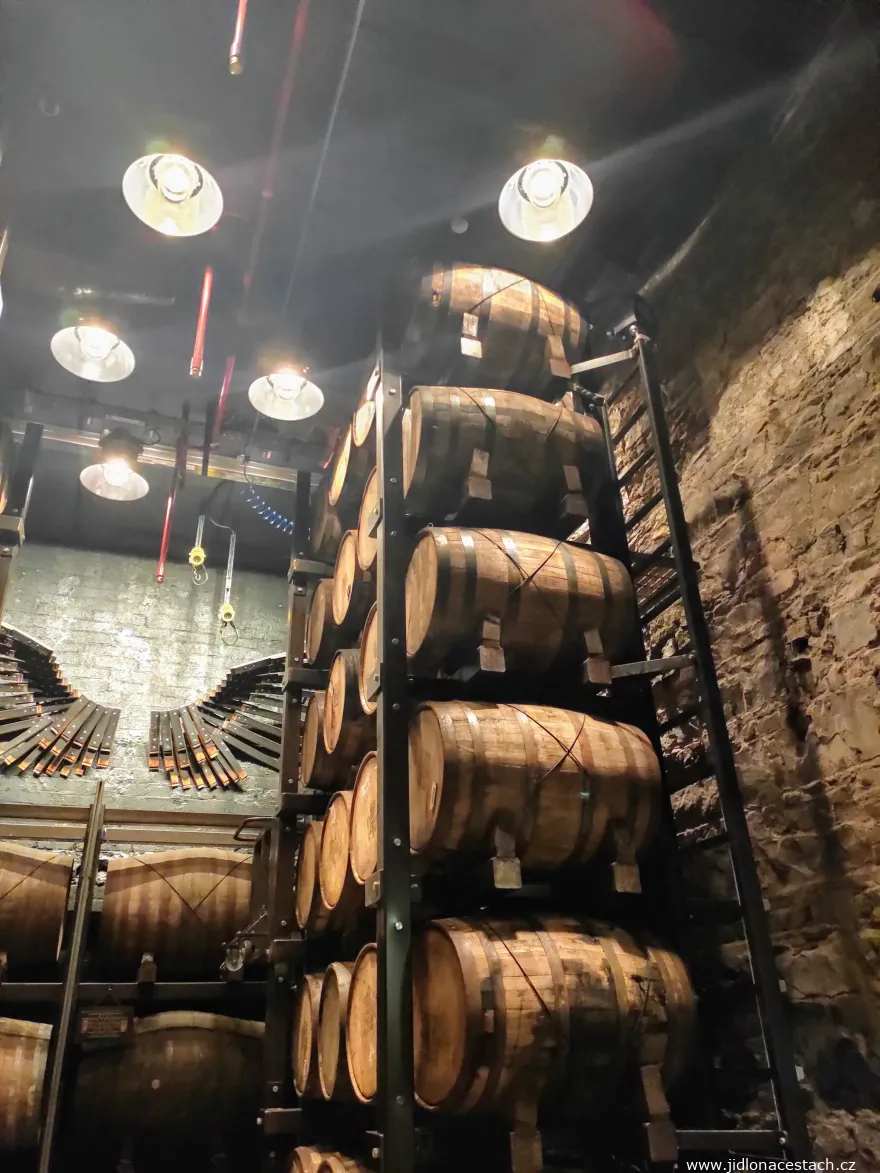
- About 2% of the whiskey maturing in casks evaporates every year. This loss is called the angels' share - and in the cask warehouse of the Jameson Distillery, you can literally smell it in the air.
- Barmbrack served as a fortune-telling tool at Halloween. Objects were baked into the dough: whoever found a ring in their slice was to be married within a year.
- Dublin Bay prawns aren't prawns. They're Norway lobsters, known around the world as langoustines or scampi - and although they carry Dublin in their name, they're caught all along the Irish coast.
- Bacon and cabbage turned into corned beef and cabbage in the USA. Irish emigrants in America replaced the salted pork belly common back home with cheaper beef - creating an "Irish" classic you'll hardly ever come across in Ireland itself.
- Ireland is among the world's biggest tea consumers. Per capita, the Irish drink more tea than the British; it's taken strong, with milk, and at every opportunity.
Enjoy Ireland and the best Irish food!



Guinness Storehouse: A Tour of the Dublin Brewery
The Guinness Storehouse is a seven-floor interactive exhibition about Ireland's most famous beer, set in a former fermentation house by St. James's Gate in Dublin. You dig your hands into roasted barley, walk through a whole floor of the famous toucan ads, and right at the top there's a drink with a view over the whole city. A corporate museum that can win over even a skeptic.

The Long Hall Pub, Dublin
These days an Irish pub comes as a kit you can put up anywhere in the world. The Long Hall in Dublin is the original all those copies are trying to imitate: a Victorian interior from 1881, a licence going back to 1766 and a name that probably comes from the corridor behind the bar. Plus two lessons: how Guinness is poured and why whiskey takes a drop of water.

The Cobblestone Pub, Dublin
Ask the guidebooks where to go for a pint in Dublin and they all say the same thing: Temple Bar. After two evenings of long lines and drunk tourists I gave it a miss and, on a tip I got over breakfast, ended up in The Cobblestone - a pub in Smithfield where they play Irish music around a table and the regulars borrow the band's instruments after closing time. The pub Dublin defended against a hotel.

Jameson Distillery: Tour and Tasting
The Jameson Distillery on Bow Street in Dublin is the birthplace of the best-selling Irish whiskey - except that the whiskey has been distilled in Midleton for half a century now, and Bow Street is a museum with a tour and a tasting. Plus the founder's Scottish roots, the difference between whiskey and whisky, and the angels' share you can smell in the air of the barrel warehouse.

Full Irish Breakfast: Ireland's Classic Fry-Up
Bacon, sausages, a fried egg, two puddings and soda bread - the full Irish breakfast keeps hunger at bay till the evening. In this article you'll find out how the Irish breakfast really differs from the English one, why the hash brown on the plate isn't Irish, how bed & breakfast guesthouses made its name, and which two Dublin places I ate it in alongside the locals.