Markets and Marketplaces
Markets and marketplaces are places where sellers have been meeting customers since time immemorial to offer their fresh produce and products. It's a place full of life, fragrances, and where you can soak up a unique atmosphere. Whether it's a farmers' market or a large city marketplace, it's always an experience for all the senses.

When traveling, I never miss the opportunity to stroll through the market alleys and admire the colorful palette of fruits and vegetables, inhale the scent of fresh herbs and spices, taste local specialties, and listen to the loud shouting of vendors enticing customers to their stalls (especially in Sicily, it's incredible). It's like entering a different world where time has stopped and where traditions and craftsmanship are still honored.
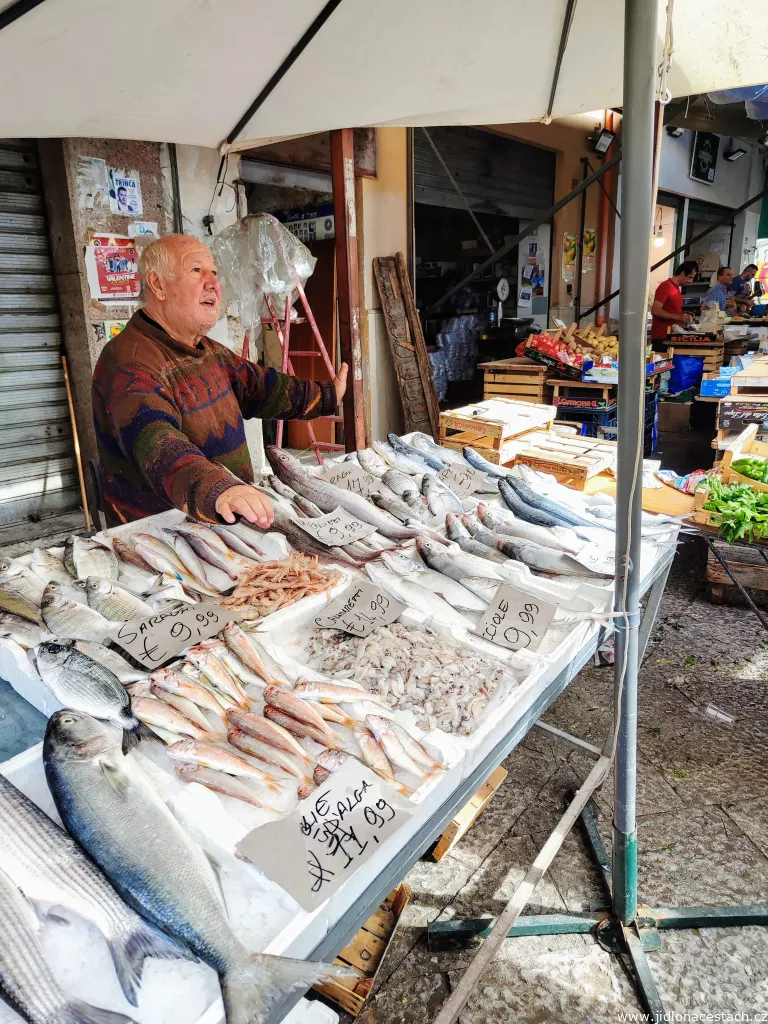
Markets and marketplaces have a long history dating back to ancient times. In ancient Rome and Greece, markets were already the center of trade and social life. To this day, the markets in Istanbul, where spices, textiles, jewelry, and other traditional products are sold in covered marketplaces, are famous. In Europe, the flea markets in Paris or the weekend food markets in London are renowned.
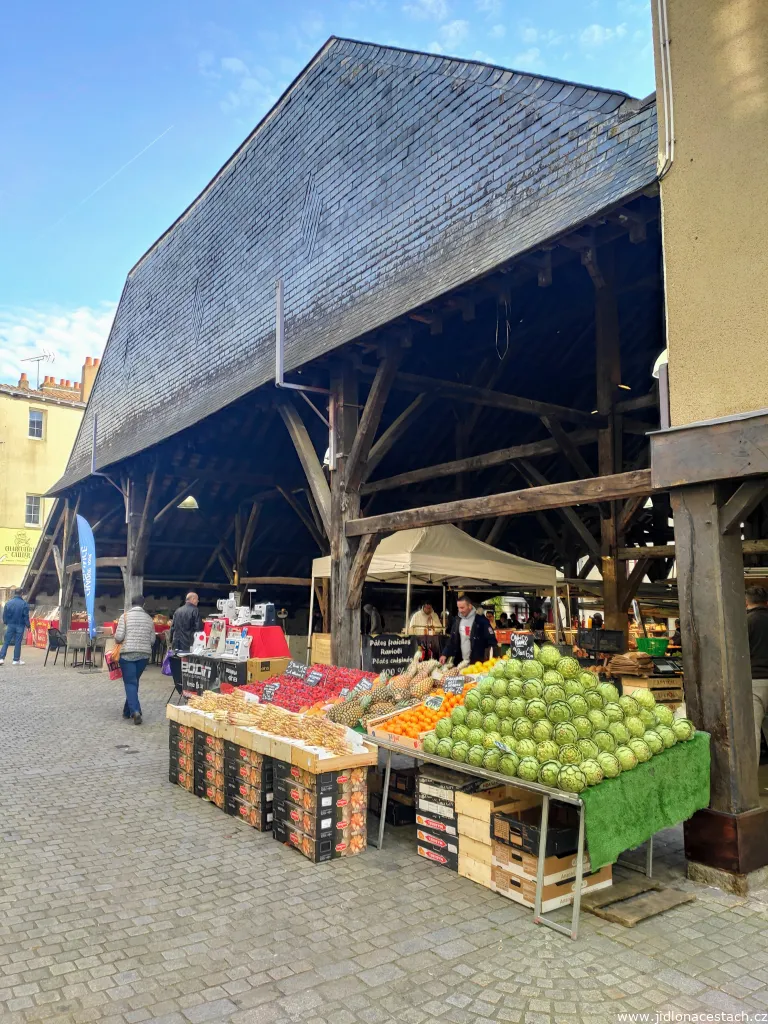
When it comes to the offered assortment, at markets and marketplaces you will mainly find fresh food such as fruits, vegetables, meat, fish, baked goods, dairy products, etc. Of course, local street food is a must. However, you will often also come across stalls with handicrafts, clothing, antiques, or books. The assortment varies depending on the type and focus of the particular market.
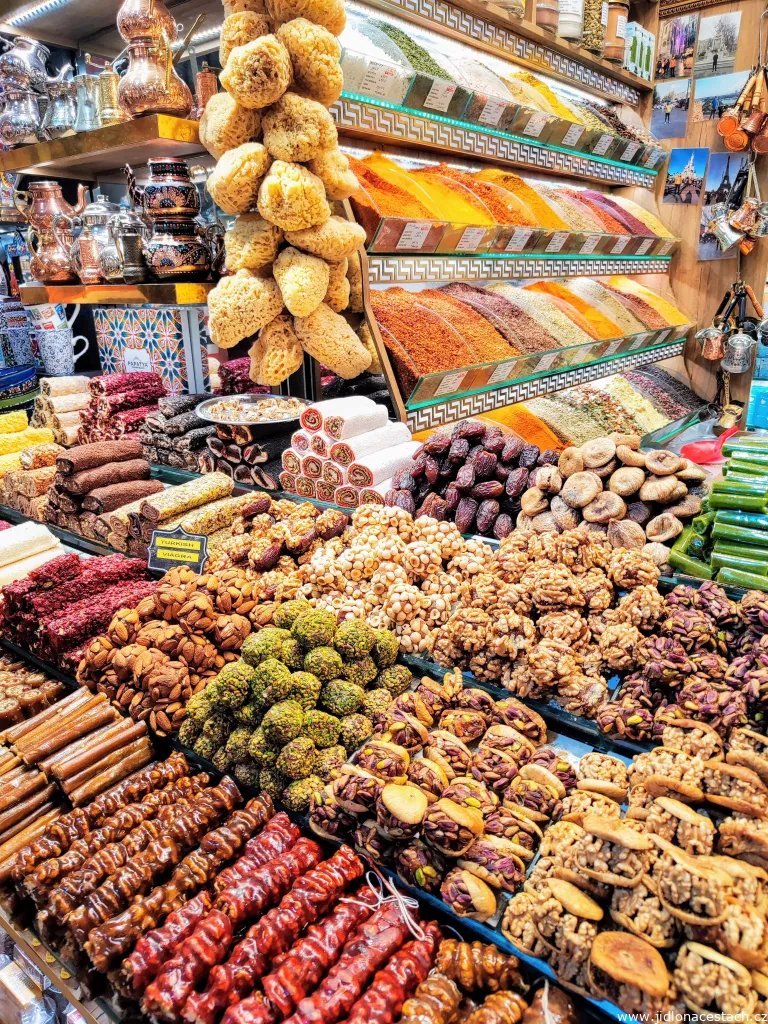
A great advantage of shopping at markets is the freshness and quality of the offered products. Vegetables and fruits travel directly from the growers, so they are harvested at optimal ripeness and have not undergone long transport and storage. Meat comes from local farms and fish are usually delivered daily from fishermen. Farmers' markets in particular are experiencing a big boom today, as customers are increasingly seeking quality and local food.
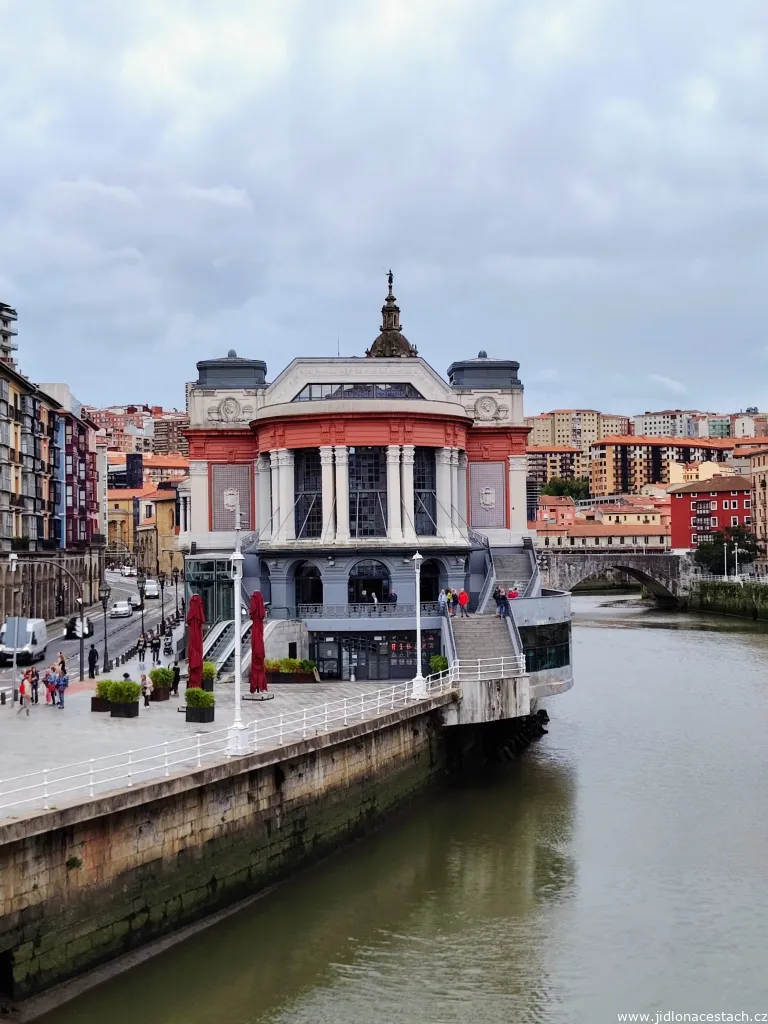
However, markets and marketplaces are not just about shopping. They are also meeting places where you can soak up the unique atmosphere and get to know the local culture and traditions. You will often meet street artists, musicians, and other interesting characters here. Markets are often located in architecturally valuable buildings and are part of the historical heritage of cities.

On the other hand, it is true that shopping at large markets can sometimes be a bit of a stressful experience. There can be large crowds, noise, and sometimes even mess. Despite these minor drawbacks, markets and marketplaces are definitely worth a visit.
Whether you are a gourmet, a history lover, or just like to soak up the unique atmosphere, you will not be bored at the markets. Believe me, it will be an experience you will not forget anytime soon!



Piața Centrală: The Main Market in Chișinău
Chișinău's main market has been feeding the city since 1825: covered halls with dairy, meat and live fish, outdoor rows of counters piled with Moldovan grape varieties, vegetables and even jujubes, and stalls selling fried pirozhki called pateuri by the entrances. A lady in an apron pours soda from the machine, and on the benches around the grounds, village women sell homemade brynza and raspberries.

Zelen Pazar: Skopje's Market for an Ordinary Day
Zelen pazar is where Skopje shops for an ordinary day: the market on Kočo Racin Boulevard feeds the neighborhoods around the center and only sees the occasional tourist. Under the roofs they sell vegetables, fruit, kajmak, beans and sweets by weight, and on the sidewalk around them sit the herb sellers with mountain tea and elderflower laid out on cardboard. The name simply means green market. You find the same kind of market all over the Balkans.

Marché Central de Tunis: Central Market in Tunis
The Central Market in Tunis, built in 1891 during the French protectorate, combines elements of Arabic style and art deco. Today, it is divided into three sections: the fish market with the fresh catch of Tunisian fishermen, the central hall offering meat, olives, cheeses, and traditional specialties like harissa, and the fruit and vegetable section, where seasonal produce like dates and pomegranates are available. In spring, the market is fragrant with bitter orange and geranium flowers. A highlight for me was having the purchased fish prepared directly at the market.

Marché de Kairouan: Kairouan Markets
Kairouan, a historic city founded in 670, is one of Tunisia’s treasures and a UNESCO World Heritage Site. The local markets, raw and entirely authentic, transport visitors into the everyday lives of the locals, perhaps back hundreds of years. The alleys are filled with fresh produce - fruits, vegetables, meat, fish, dates, and spices, which form the basis of Tunisian cuisine.

Osh Bazaar: The Famous Market in the Heart of Bishkek
Osh Bazaar, one of the largest and busiest markets in Central Asia, is located in the heart of Bishkek. The market offers an abundance of fresh fruits, vegetables, spices, and local specialties such as kurut. In addition to food, you'll find handmade clothing, textiles, and souvenirs featuring traditional Kyrgyz designs. Simply put, Osh Bazaar is a must-visit when in Bishkek.

Orto Say Bazaar: A Market Outside Bishkek’s Center Well Worth a Visit
The Orto Say Bazaar in Bishkek offers an authentic experience for every food lover. This expansive market provides a wide variety of fresh produce, from fruits and vegetables to meat and dairy products, often sourced directly from local farmers. Orto Say grew after the dissolution of the Soviet Union and is now one of the major marketplaces in Bishkek.

Ak Emir Bazaar: A Small Market in the Heart of Bishkek
Ak Emir Bazaar is a small yet vibrant market in the center of Bishkek, popular among both locals and tourists. It offers a wide selection of fresh produce, dried fruits, nuts, and local specialties, as well as household items and small goods. Thanks to its clear layout and good organization, it’s ideal for quick shopping, although prices are slightly higher than at larger markets.

Erriberako Merkatua: The Covered Market in Bilbao on the Banks of the Nervión
Erriberako merkatua, Mercado de la Ribera in Spanish, is the covered market in Bilbao on the bank of the river Nervión: a concrete hall from 1929 that people call a ship for its long, narrow shape. There has been a market on the site since the 14th century - fish and seafood downstairs, cured meats and cheeses above them, and a whole floor of bars serving pintxos. You can tell Basque produce by the little flag on the price tag.

Mercat Central d'Alacant: The Market Where Alicante Shops and Has Breakfast
Alicante's central market is a covered hall from 1922 with 292 stalls on two floors: fish downstairs, fruit, vegetables, cheese and cured meats upstairs, and in between them bars where the late morning brings a second breakfast - with vermouth. The province of Alicante sends turrón, Fondillón, prawns from Denia and coca amb tonyina; jamón only passes through. The clock in the display case has read 11:19 since May 1938.

GUM Market: Yerevan's Covered Market With a Soviet Name
GUM Market in Yerevan takes its name from the Soviet department store that once stood on the spot, and its stalls hold the whole of Armenian cuisine: dried apricots, walnut sujukh, braids of wild sorrel and cheese that ages buried in a clay pot. I walked it in 37-degree heat, turned down every taste I was offered and left without buying a thing - but with a list for next time.