Sweets
I'll admit it right away: I have more of a savory tooth than a sweet one. But then I get to Istanbul or Palermo, walk past the first pastry shop window - and all my good intentions are gone. When I travel, sweets are my fastest guide: they tell you more about a country than plenty of monuments do, and they cost pocket change. Desserts, pastries, cookies, cakes, candies and sweet souvenirs from my travels - I collect them all right here under this tag.
I'll make just one exception right at the start: on this site, ice cream gets a chapter of its own - you'll find it under the ice cream tag, so I won't be covering it here.
Turkey: A Superpower Where Sweets Are Serious Business
If I had to name one country where making sweets is a national sport, it would be Turkey. Baklava reigns supreme - and the Greeks, Arabs, Armenians and Persians all argue with the Turks over who it really belongs to. I've tasted it in the busy streets of Istanbul, in the mountain villages of Armenia and in the ancient cities of Iraq, and every country makes it a little differently. In Istanbul I head to Karaköy Güllüoğlu for it, a self-service pastry shop run by a family that has been baking baklava since 1843: you grab a tray, work your way past the display cases and end up at a table with a mountain of baklava and a hot tea.
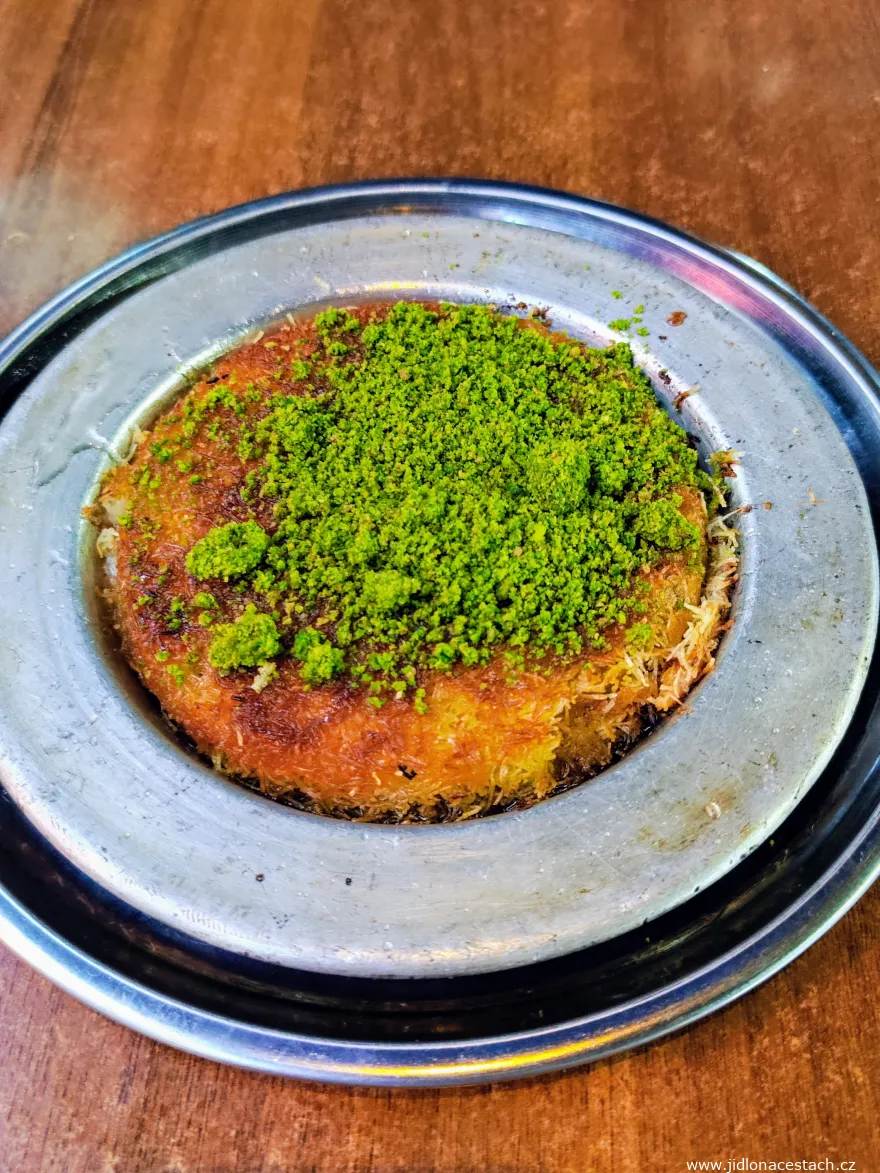
In Turkey, though, baklava is only the beginning. Over the years, one thing has stuck with me more than anything: the best Turkish desserts are served hot. Künefe, a dessert of shredded pastry and melted cheese, was made fresh on the grill for me at my favorite Istanbul restaurant - the cheese stretched exactly the way it should, and the pastry was crisp all the way through, not soggy. And at one of Istanbul's smaller food markets I watched the whole show of making pişmaniye, Turkish cotton candy: four burly guys in white coats rhythmically stretched a huge ring of sugar dough, and when they were done, they handed out pieces straight to the onlookers. It was softer and more buttery than anything from a supermarket, and it melted in my mouth in a second.

Konya: Sweets After Midnight
My strangest sweet memories come from Konya in Anatolia. It's the only city in the world where I've eaten dessert after midnight in an all-night pastry shop. I was waiting for the night bus to Cappadocia, the streets were empty because of an unusual cold snap, and a pastry shop specializing in katmer and künefe glowed like a lighthouse: warmth and the smell of butter poured out of the door. Katmer, thin pastry filled with pistachios and thick kaymak cream, is only ever baked fresh - and eaten hot after midnight, it tastes twice as good.
For Konya's specialty saç arası, a nut swirl drenched in syrup, I headed to Karamanoğlu Tatlıpark, a specialist dessert shop. It tasted phenomenal - so good that I had to go back the very next day. And at Tarihi Konya Kellecisi, a traditional soup joint, I just confirmed what I already knew: I could eat fırın sütlaç - Turkish rice pudding finished in the oven in a clay bowl, with a dark, almost black crust in the middle - at any time of day.


Iran: Pistachios, Rose Water and a Throne for Baklava
Turkish baklava is more famous, but frankly: in my book, the throne belongs to Iranian baklava. Iranians are absolute masters of the pistachio, and their baklava tends to be more delicate, less drowned in syrup and literally packed with emerald-green nuts. All of Iranian cuisine smells of rose water, saffron and cardamom - and nowhere is that more obvious than in its sweets.
In Yazd, the city of windcatchers and confectioners, I treated myself to qottab, fried little pastries filled with nuts, perfectly paired with Yazdi coffee. Even though they're fried, they didn't strike me as greasy or heavy at all. Yazd is also where they make pashmak, Iranian cotton candy and a close cousin of Turkish pişmaniye - the rose water version is my favorite; it takes me straight back to the village fairs of my Czech childhood. 😊 Then there's sohan, a saffron toffee from the city of Qom, and gaz, Isfahan's nougat made with pistachios and egg whites - I'll admit it's a bit too sticky for me, but its fan base in Iran is huge.

The Arab World: Halva, Dates and a Lady's Arm
In Iraq I learned that a national sweet can be called "a lady's arm": that's exactly what znoud el sit means - a fried tube of thin pastry filled with buffalo cream. In Jerusalem, at the Machaneh Yehudah market in the evening, I wandered past stalls stacked with blocks of sesame halva - freshly mixed, it's moister, and the sesame has a slightly bitter note that the sugar doesn't drown out, only rounds off.
In Tunisia, simplicity wins. In Sidi Bou Said I had bambalouni, a fried ring of dough dusted with sugar, at a place that's been open since 1932 - and it was perfect. A little further on, in the holy city of Kairouan, I was given makroudh several times, diamond-shaped pastries filled with date paste. Sweets as a gesture of hospitality - that's something you learn fast in North Africa.

Italy: Pastry-Making Behind Convent Walls
When I travel around Italy, I have one rule: no more than one cannolo a day. Not out of discipline, but out of physics - after one, you're done. The best one, which I still remember to this day, was filled while I waited at I Segreti del Chiostro, a convent pastry shop in Palermo that bakes to the recipes of cloistered nuns. The shell cracked and crumbled, and the ricotta was cool and less sweet than pastry shops usually make it - the filling tasted of milk, not sugar. Every cannolo I've had in Italy since gets measured against that one.
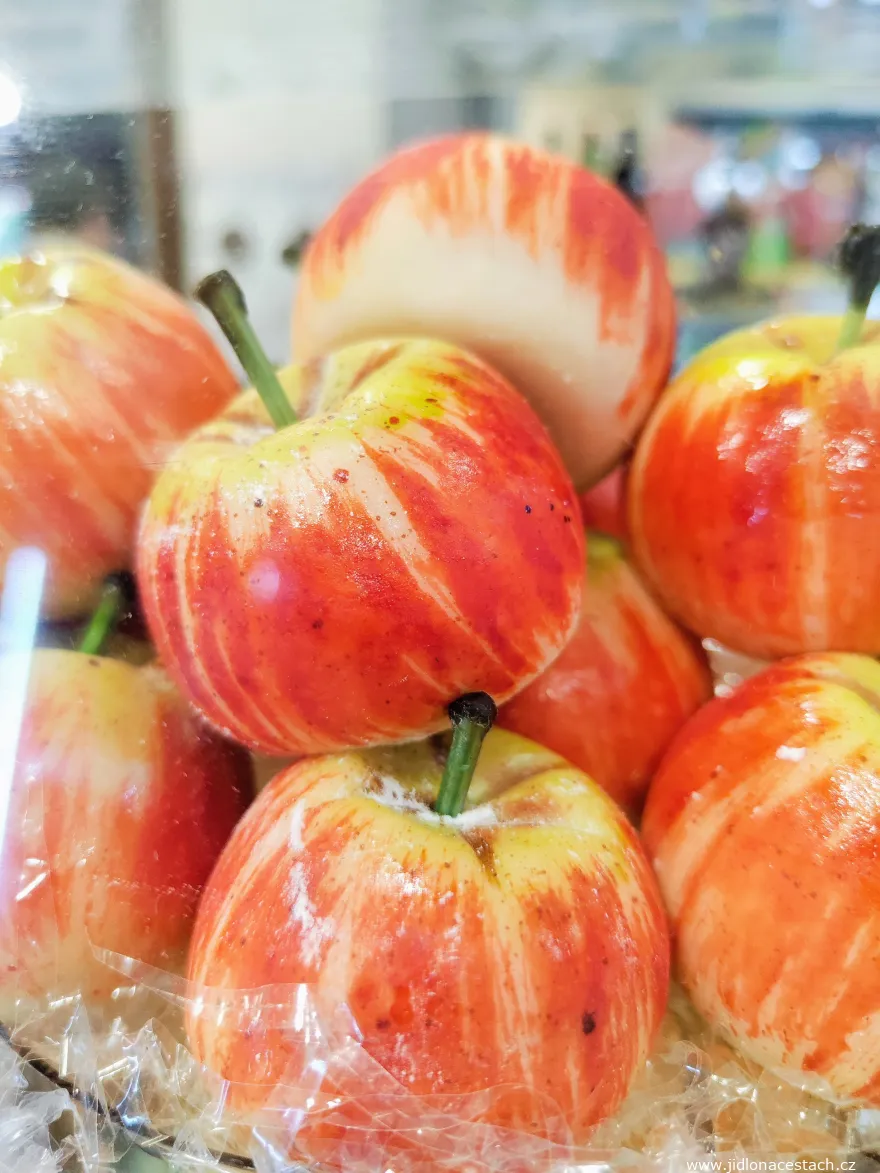
Palermo also pulls off a great confectioner's trick: frutta martorana. From a meter away, I couldn't tell the marzipan lemons, mandarins and ears of corn from the produce at the stall outside the door - what gave them away was a handwritten price no lemon in Sicily would ever dare to ask. Italian mornings, meanwhile, belong to the cornetto: at the Panificio Frau bakery in Villasimius, Sardinia, I worked my way through all the fillings one by one, because I simply couldn't pick just one. Pistachio won. And in Matera, four generations of pastry chefs at the Schiuma pastry shop keep the fried, cream-filled zeppola going - a place that signs its desserts with a little chocolate heart clearly takes pride in them.
France and the Iberian Peninsula: Macarons, Canelés and Burnt Cheesecake
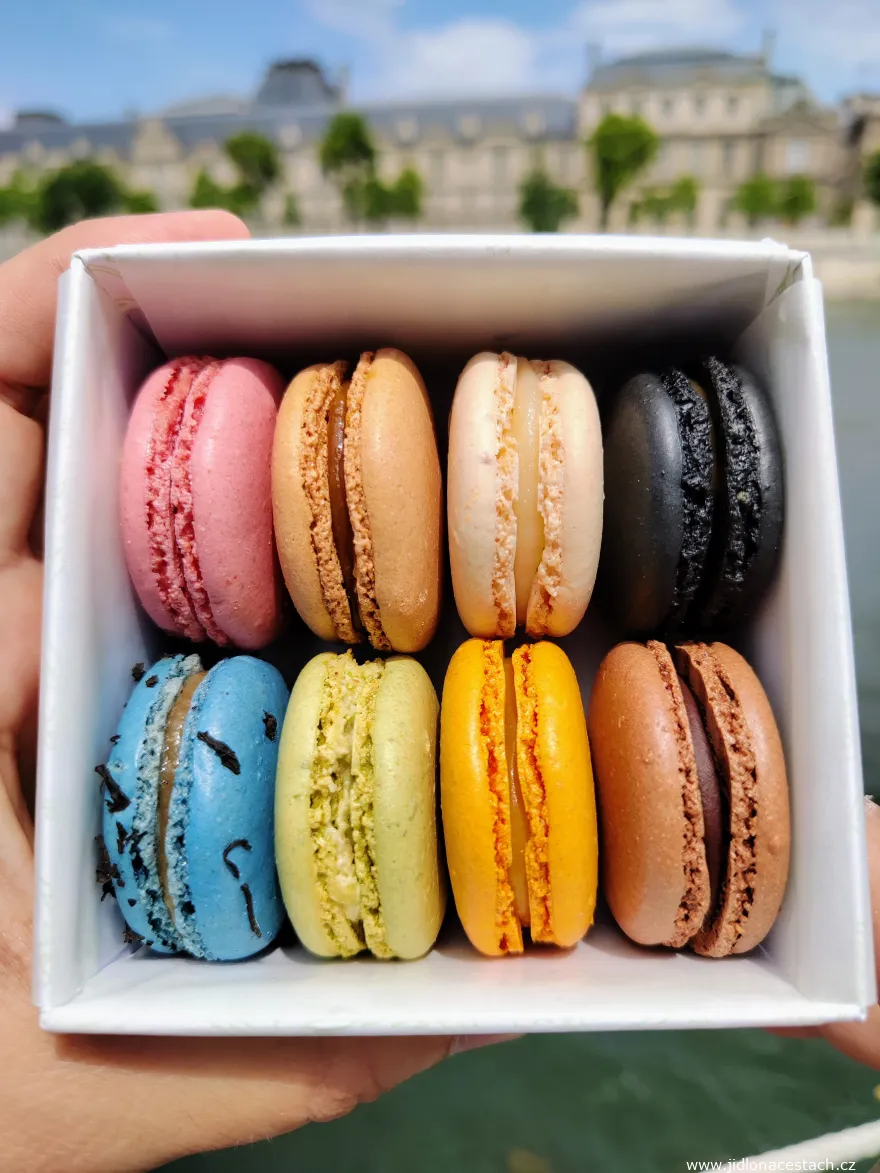
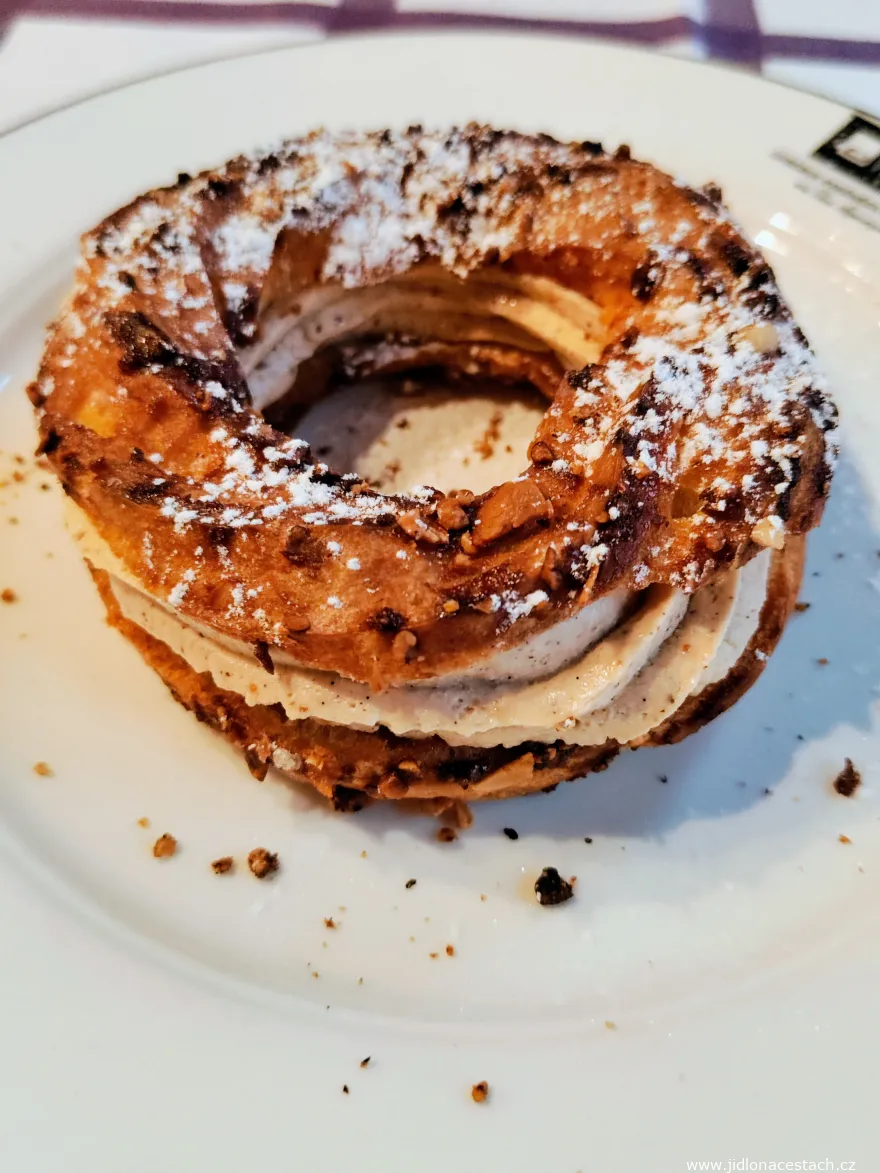
These days the whole world knows colorful cream-filled macarons. What won me over more, though, was their great-grandmother: macarons de Saint-Émilion, single-shell convent macarons with no filling, which I bought right at the workshop of Nadia Fermigier, who holds the recipe today. The almonds were ground more coarsely than I expected, the top cracked, and inside was a moist paste with a bitter almond finish. Add to that canelé in Bordeaux, with a caramelized crust that crackles the moment you squeeze it between your fingers, and Paris-Brest in Paris, a choux pastry ring filled with roasted hazelnut cream. Mine, freshly assembled to order at the long-established Auberge Pyrénées Cévennes, was superb.
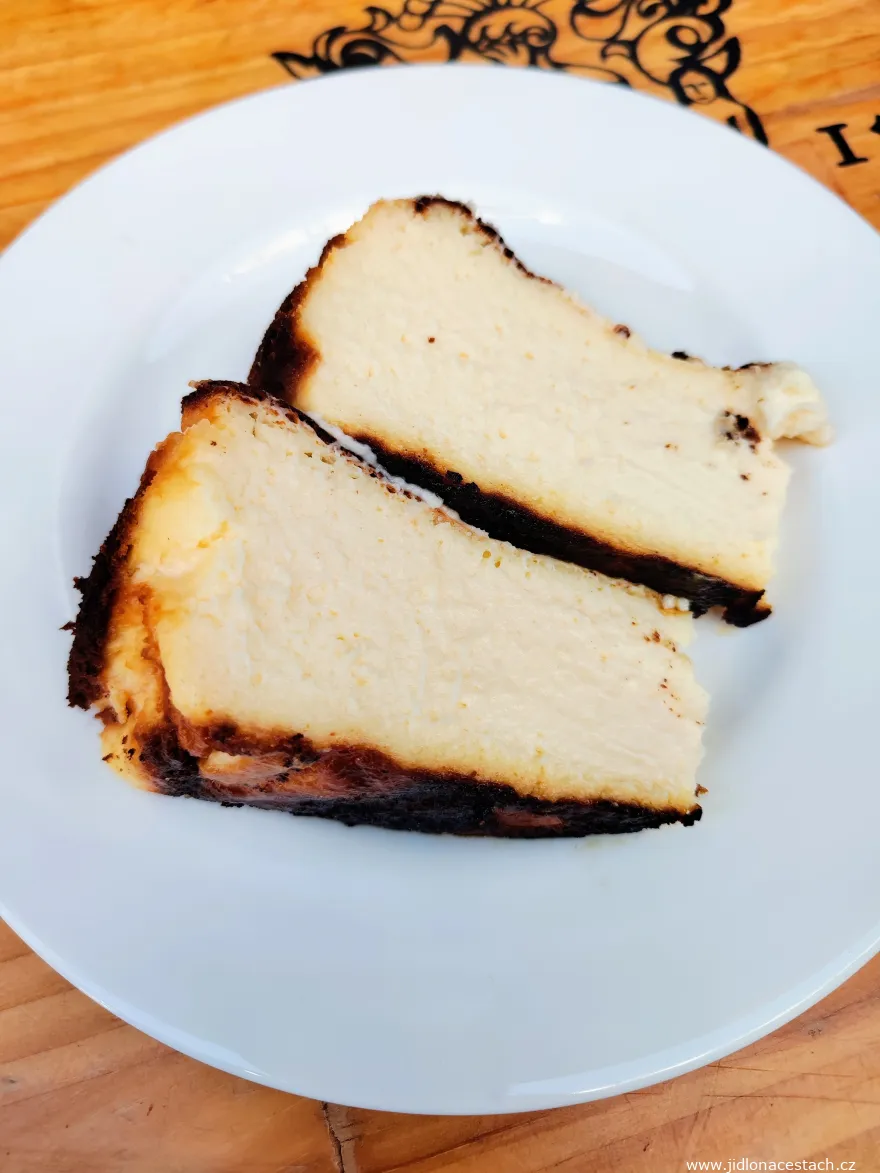
In Spain I have two highlights. In San Sebastián I sat in La Viña, the bar where Basque burnt cheesecake was invented in the late 1980s - the owner himself brought me my slice, the burnt parts tasted of caramel and the center was still almost runny. And in Madrid, at Chocolatería San Ginés, I dipped churros into chocolate as thick as lukewarm pudding. By the way: churros are breakfast, not dessert - if you find them among the desserts on a restaurant menu, the kitchen is cooking for tourists. Then in Portugal, at a market in Porto, I discovered beijinhos de amor, "little kisses of love", which pair beautifully with a glass of port. The package promised a shelf life of several months. It never got the chance.
Central and Eastern Europe: Doughnuts, Gingerbread and One Surrender
In Poland I understood why nobody argues about doughnuts: you can get pączki with dozens of fillings, fresh and with an immodest amount of jam inside. In Toruń, add gingerbread to the list, baked here since the 13th century - the most popular shape, katarzynki, supposedly came about by accident, when a baker's daughter used a tin mug instead of a cookie cutter.
Varna in Bulgaria then handed me a personal defeat I wear with pride. I walked into the Kramer patisserie with the handicap of a savory tooth - and the garash cake, made with walnuts and dark chocolate, won me over precisely because it wasn't too sweet. The savory tooth surrendered. In Armenia, near Haghartsin Monastery, I tried wood-fired gata with six kinds of filling, and at Tatev Monastery the sisters gave me a small sesame-topped gata blessed by Father Mikayel. In Skopje's Old Čaršija, the historic Ottoman-era bazaar quarter, there's a saying that if you haven't tasted padobranci at Rigara, you've never really set foot in the Čaršija - so now I'm officially covered. And stretching right across the Balkans there's trileçe, a sponge cake soaked in three kinds of milk, which in Turkey I was served drenched in condensed milk.

What I Bring Back Home
Sweets are my most frequent souvenir - they survive the journey and make a far more welcome gift than fridge magnets. From Turkey I bring back lokum, ideally pomegranate-flavored, with pistachios and with wild raisins. From Iran, sohan and gaz; from Sardinia, gueffus - almond balls in colorful paper wrappers with frayed ends that look like the candies from grandma's candy dish. During the week of King Charles III's coronation, I brought back a box of creamy fudge from London with a little crown on the lid; those "caramels" vanished in no time. And my fondest souvenir memory? The makroudh from Tunisia that I was given as a gift.

And Back Home? A Simple Quark Sheet Cake
After all those travels, I have a simple anchor back home: one of my favorite sweets is still a quick sheet cake of poured batter with a layer of sweetened quark, the kind every Czech family bakes. And when I'm in Czechia and crave a sweet with a story, I reach for a spa wafer from Karlovy Vary - its flavor came back to me out of nowhere a few thousand kilometers away, in the Iranian pastry koloocheh. Sweets, it turns out, love wandering the world just as much as I do. Which one would you try first?



Cușma lui Guguță: A Moldovan Cake of Sour Cherry Rolls
Cușma lui Guguță, "Guguță's sheepskin hat", is a festive cake of Moldovan cuisine named after the hero of Spiridon Vangheli's children's books. Crepe or short-dough rolls filled with sour cherries are stacked into a pyramid and held together with sour cream frosting; the cake is cut crosswise, and the slice looks like a pointed hat. Russia and Ukraine have the same cake too, each under a different name.

Babă Neagră: The Moldovan Cake Baked Almost Black
Babă neagră is a tall, dark cake from the north of Moldova. Eggs, kefir and baking soda bake under a lid for three or even four hours, until the crumb turns almost black - with no cocoa and no chocolate. It used to belong at weddings and funeral feasts; today it has a café of its own in Chișinău, and Moldova is preparing it as its first standalone nomination for the UNESCO list.

Prune Umplute cu Nuci: Prunes with Walnuts in Red Wine
Prunes stuffed with walnut kernels and simmered in red wine with sugar - a dessert served chilled and, at home, most often with sweetened sour cream. It's known all across the former Soviet Union, and stewing the fruit in wine is Moldova's signature touch. In Moldova it belongs on the festive table and on the menus of restaurants serving home-style cooking.

Bucuria: Moldova's Legendary Candy Maker
Bucuria is Moldova's largest confectionery maker, founded in Chișinău in 1946. The factory's name means joy, and its candies - sour cherries and grapes in chocolate, Meteorit brittle and the Chișinăul de seară prunes - are among the country's best-known flavors. Two of its directors went on to become prime ministers, and visitors take home boxes of chocolates with the oval logo as a typical souvenir.

Sochnik: The Quark Half-Moon from Soviet Canteens
Sochnik is a sweet pastry made from short dough: a round folded in half, with a quark filling peeking out of its open edge. It's no Moldovan specialty - the Soviet era brought it to Chișinău, and it's still sold everywhere there, in supermarkets and at street stalls. Its name comes from old Russian flatbreads, which also gave their name to the Russian Christmas Eve.

Syrok: The Glazed Quark Bar from Soviet Dairies
Syrok is a small chilled dessert of sweetened quark coated in a thin layer of chocolate, invented by Soviet dairies. In Moldova it has made itself at home under the Romanian name brânzică glazurată, and several local brands make it. The whole post-Soviet world knows it by names of its own, from Ukraine to the Baltics, and in Hungary it grew into Túró Rudi.

Lisnato: Puff Pastry Baked Goods
In Macedonian bakeries, lisnato is the catch-all name for anything made of puff pastry - the word simply means "leafed" and every baker picks the filling, from cheese and ham to sour cherries. Bakeries all across the Balkans and further into Europe bake the same dough.

Padobranci: Walnut Sweets With Cream Known Across the Former Yugoslavia
Padobranci are a sweet a Parisian pastry chef would fault for its cracked surface - here, that's exactly the point. Two crisp meringue-like halves made of egg whites, sugar, and ground walnuts dry slowly in a gentle oven, then get glued together with a thick layer of cream. It's not a Macedonian invention: the same treat, under the same name, is baked in Serbia and Croatia too - a homemade sweet of the whole former Yugoslavia.

Oreovki: Balkan Walnut Sweets
Oreovki, also known as orasnici, are a sweet made of nothing but walnuts, eggs, and sugar - don't go looking for flour or butter in them. Little horseshoes of ground walnut mixture are coated in crushed walnuts and slowly dried, giving them a crisp coating and a soft center. The whole former Yugoslavia and Bulgaria know them too - it's not a Macedonian invention.

Znoud El Sit: Iraqi National Dessert
Znoud el sit is a traditional Levantine dessert. It is a fried roll of thin phyllo dough filled with a rich milk cream called ashta. The sweet is particularly popular in Iraq, where it is considered a national dessert.