What to Eat in Porto
Porto (or Oporto, as it's traditionally known in English) is Portugal's second-largest city, spread over steep hills above the mouth of the Douro - and the city that port wine is named after. For me, Porto is above all a city of port, sandwiches and hills.
The hills reminded me a little of Matera in Italy - otherwise the two cities have almost nothing in common, but the climb is just as steep. The good news is that everything worth seeing here fits comfortably into a day on foot: the city's three flagship sandwiches and the port lodges on the far bank of the river.
Port Wine and the Lodges in Vila Nova de Gaia
Port is a sweet fortified wine named after Porto: the grapes grow in the valley of the Douro, but the wine travels down here to age, to the lodges at the river mouth. The Alto Douro wine region was demarcated back in 1756 by the Marquis of Pombal - the first regulated wine region anywhere in the world. The lodges themselves - caves in Portuguese - aren't in Porto at all, but in Vila Nova de Gaia on the south bank of the Douro, a short walk from the centre across the Luís I Bridge.
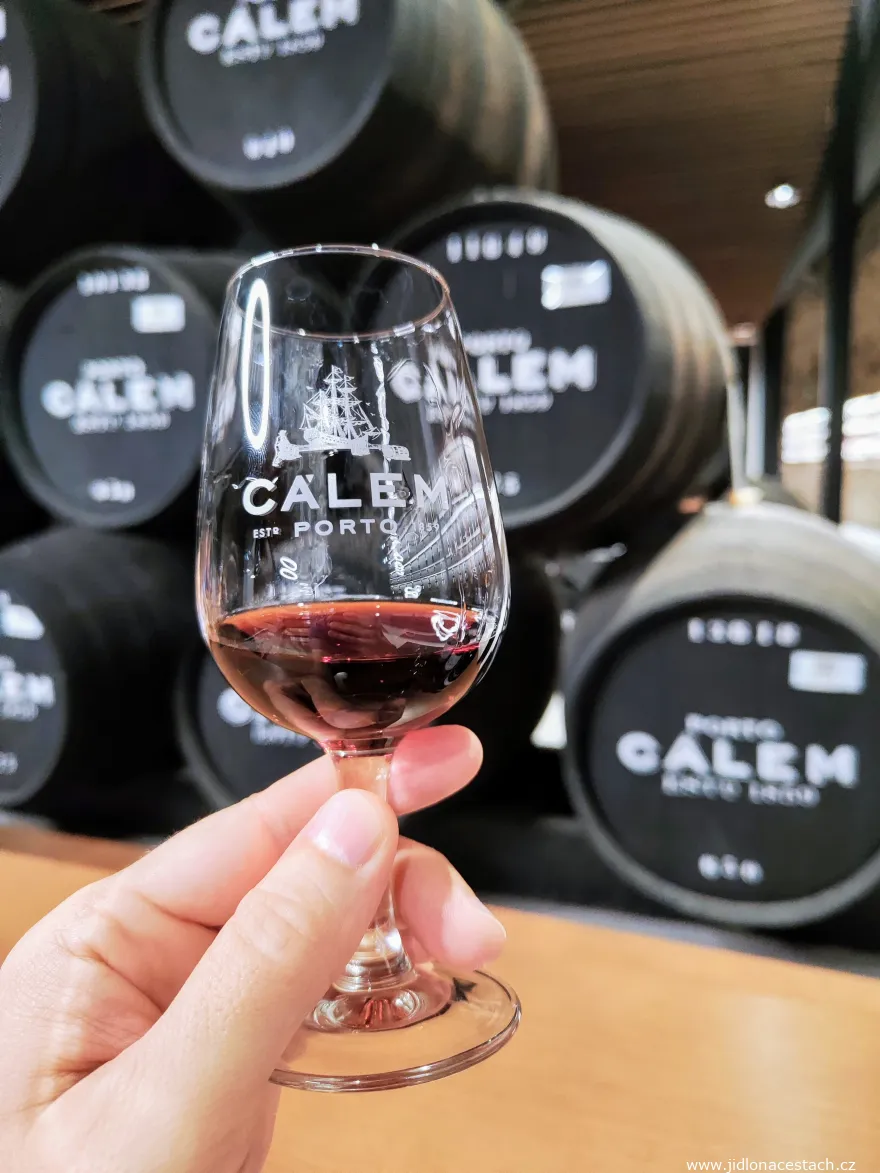
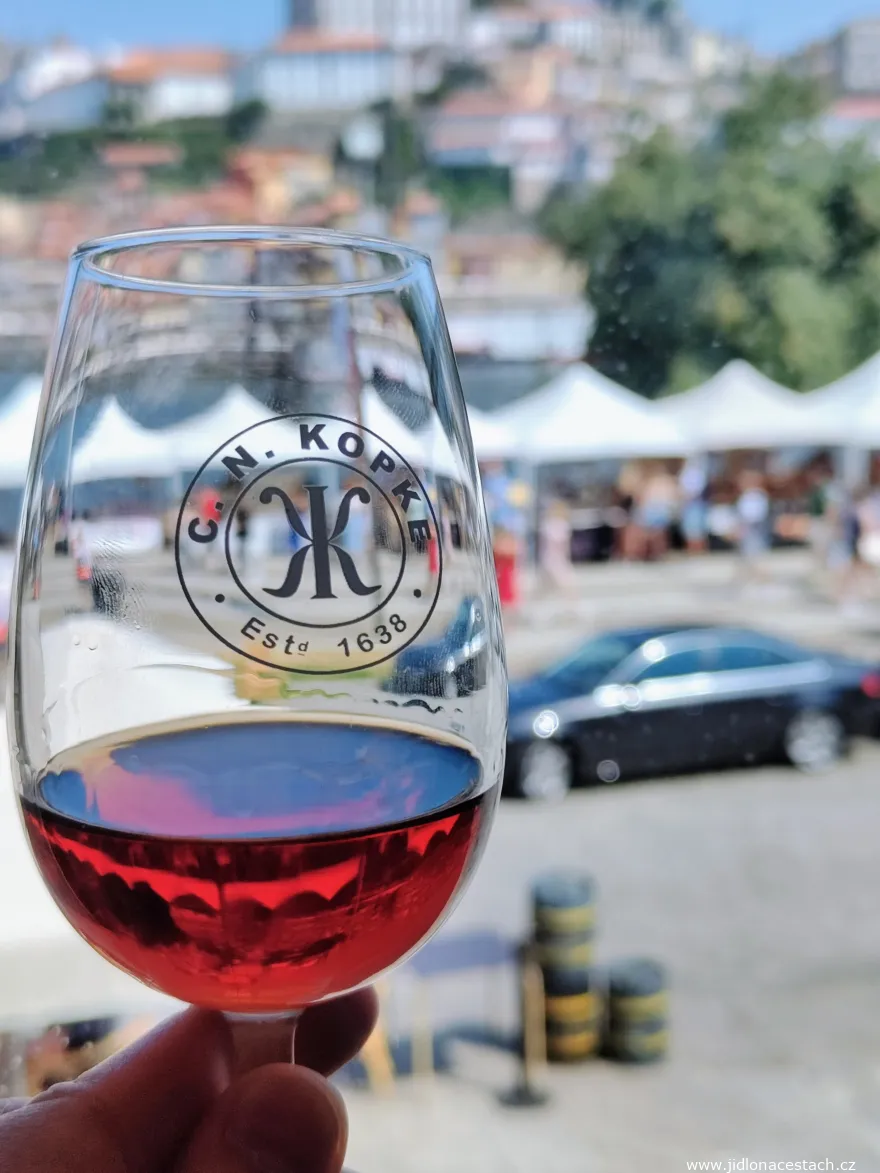
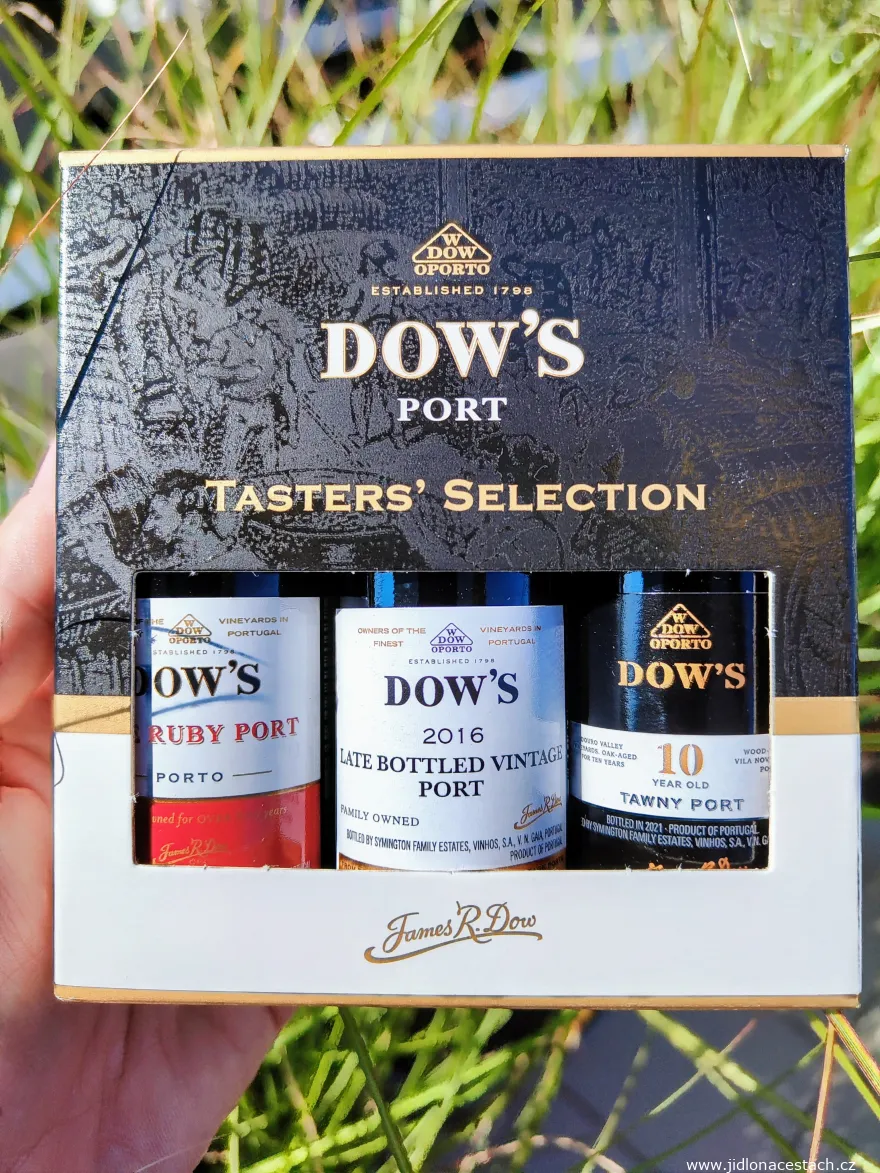
Most of the big houses offer a tour with a tasting, and picking one means missing the rest. So here's my advice: don't settle on a single lodge - walk through several of them over an afternoon - they stand side by side. That's how I made it through Cálem, Kopke, Burmester and Real Companhia Velha. Kopke is the oldest port brand of all, trading since 1638; Real Companhia Velha was founded by royal charter in the very year the region was mapped out, 1756. And if you want to take a piece of Porto home with you, the shops sell gift sets of miniature bottles - a more practical souvenir than hauling full bottles across Europe.
What to Eat in Porto
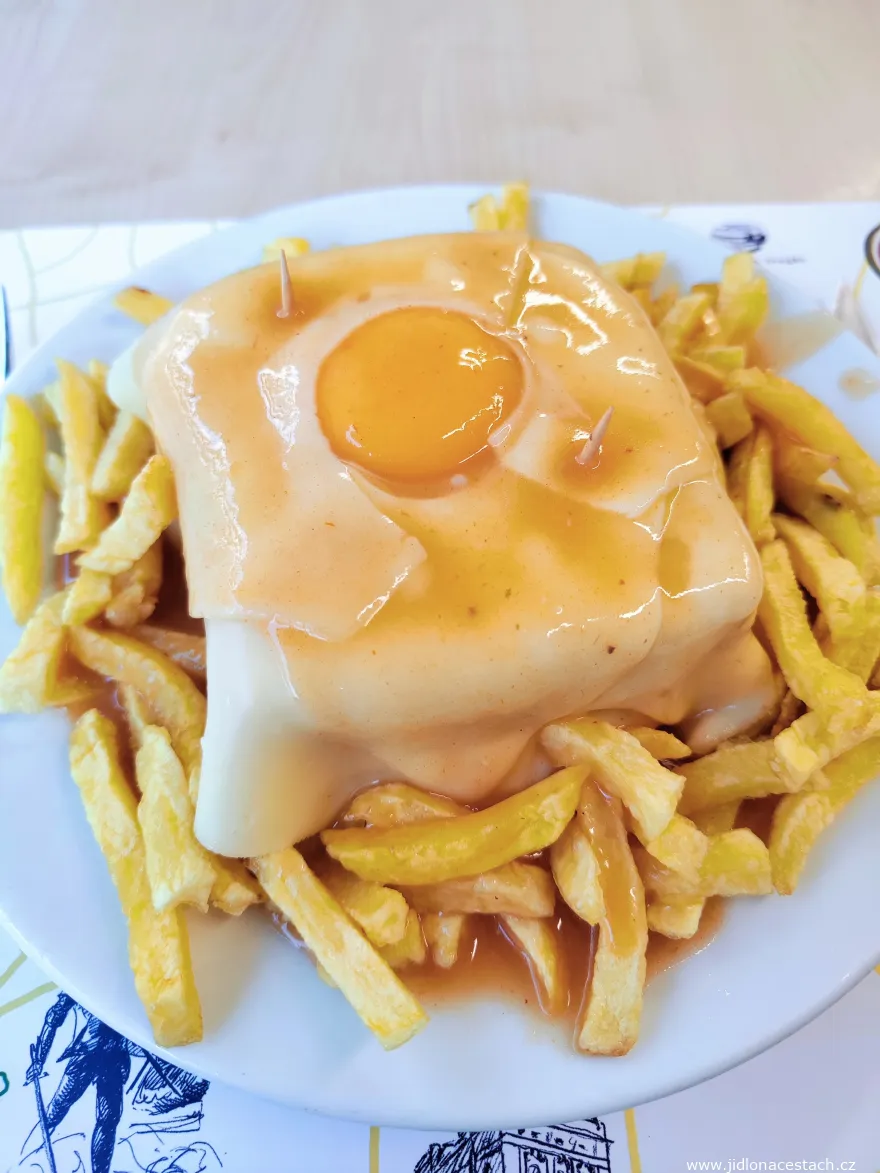
- Francesinha. A baked sandwich stacked with several kinds of meat and drowned in a hot sauce of beer and tomatoes. It was invented in Porto between 1952 and 1953 as the local answer to the French croque-monsieur, and the sauce is what most sets one place apart from another.
- Tripas à moda do Porto. Tripe with white beans and sausage, served with rice - the most characteristic dish in the city. It's why people from Porto are still nicknamed tripeiros, tripe eaters. The most-quoted legend says that in 1415 the city sent all its meat to the military expedition to Ceuta and kept nothing but the offal; historians offer other versions, but the nickname has stuck.
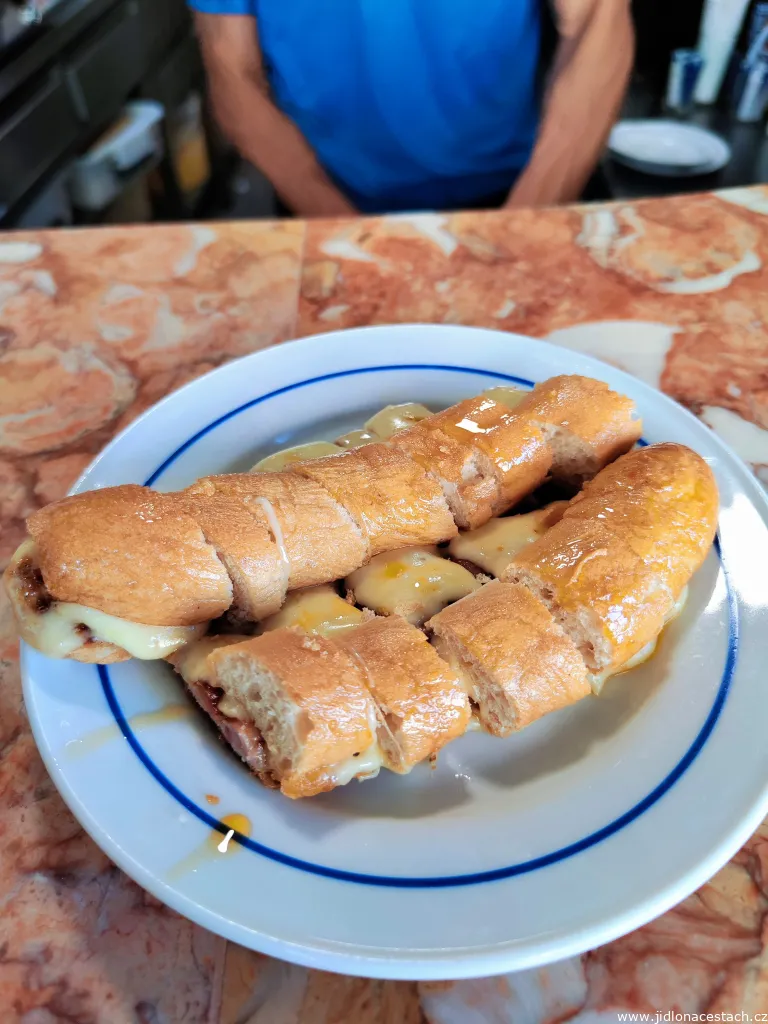
- Cachorrinho. A crisp roll with sausage and cheese, pressed on the grill, doused in a hot butter sauce and chopped into bites to go with beer. A Porto thing through and through.
- Sandes de pernil. A roll with slow-roasted pork pulled into shreds. A specialty made famous by Porto's own Casa Guedes - the sandwich belongs to a single place, and that place to a single city.
- Bifana. Thin slices of pork lifted out of a spicy sauce and into a roll. Its birth certificate says Alentejo and it's eaten all over the country, but Porto cooks its own version: a darker, sharper sauce, sometimes with beer or port.
- Papas de sarrabulho. A thick porridge from the pig-killing feast, made with pork blood, two kinds of meat and sausage, dusted with cumin. A dish of the Portuguese north - and the traditional eateries in Porto cook it all year round.
- Portuguese sardines. Canned sardines are a national treasure across the whole country, but nowhere is closer to the tins than Porto: the Pinhais cannery, whose sardines are among the best in the world, sits in neighboring Matosinhos, and the stalls of the Bolhão market are as bright with tins as a newsstand is with magazines.
- Delícia do Porto. For a long time Porto had no sweet of its own, so in 2019 it ran a competition for one. The winner was a heart-shaped little cake - a nod to the heart of King Pedro IV, kept in Porto's Lapa church - with a filling of trouxas de ovos (egg-yolk parcels) and white beans, made to a convent recipe.
- ... and dozens more Portuguese dishes from the list, if you're still hungry: What to Eat in Portugal.
Where to Eat in Porto
- Café Santiago. One of the most celebrated addresses for francesinha in the city: they've christened their own sauce Essência and the recipe is a secret. At lunchtime there's a line outside, so I turned up at six in the evening to an empty restaurant - and within half an hour every table was taken.
- Cervejaria Gazela. A beer bar by the São João theater, where they've been pressing cachorrinho since 1962, chopping it into bites and bringing it out with beer. In 2017 Anthony Bourdain came by with a camera crew and the place still marks his visit with a little shrine. Take a seat at the marble counter: you get the whole show from the front row.
- Conga (Casa das Bifanas). On Rua do Bonjardim they've been putting together bifanas since 1976, and from the bar you can see straight into the kitchen, onto the trays of bubbling sauce. Besides bifanas they also do cachorrinho, francesinha and little fried quail. One piece of advice: don't bite in straight away or you'll scald yourself - the sauce always reaches the plate boiling hot.
- Casa Guedes. A place on Praça dos Poveiros that has been making the sandes de pernil sandwich famous since 1987; alongside it they cook traditional papas de sarrabulho. The original small room now has a newer sibling with a roof terrace a few doors down on the same square.
- Mercado do Bolhão. A historic market in a building begun in 1914, reopened in September 2022 after a major renovation. Fish, vegetables, flowers - and stalls of canned sardines whose sellers pull out their phones to show you photos of opened tins and how neatly the little fish are lined up. And be warned: some souvenir tins hold chocolate instead of fish, and you can't tell them apart.
- Manteigaria. A bakery turning out pastéis de nata, where you watch the whole process through glass and a bell rings for every new batch out of the oven. The brand started out in Lisbon.
- Confeitaria do Bolhão. The pastry shop across from the market has been running since 1896 and has kept its original interior; people come here for pão de ló and other traditional baked goods, in the oven from six in the morning.
- Padeirinha Doce. A bakery a short walk from the cathedral with traditional baked goods and lanche snack sandwiches with ham and cheese.
- In Diferente. A modern restaurant run by chef Angélica Salvador - Porto can play in a different league from sandwiches eaten on the go.
Here there's a hill between almost any two meals - count on it. That's exactly why you can eat all day in Porto - the stairs do the work for you.
Enjoy eating your way around Porto!



Cachorrinho: The Portuguese Hot Dog
They call it the Portuguese hot dog, yet it has almost nothing in common with the classic hot dog. Cachorrinho is Porto's beer snack - a sandwich with two sausages and melted cheese, chopped into small bites. The best-known address is the Gazela beer bar, which Anthony Bourdain put on the map in Parts Unknown.

Francesinha: Porto's Most Famous Sandwich
A baked sandwich stacked with ham, sausage and steak, drowned in a spicy sauce of beer and tomatoes: that's francesinha, the pride of Porto. It came about in the 1950s as Porto's answer to the French croque-monsieur, and it's said to be named after Frenchwomen - the spiciest ones its inventor knew. The best ones in town come with a line, Café Santiago's included.

Bifana: The Portuguese Pork Sandwich
A bifana looks modest: a few thin slices of pork in a papo-seco roll. Even so it ranks among Portugal's signature dishes - it spread from the Alentejo countryside to every counter between Lisbon and Porto, and every place keeps its sauce recipe to itself. What the beefy name means, where the sandwich came from and why you shouldn't bite into one straight away at Conga in Porto.

Portuguese Sardines: A Delicacy in a Tin
In Portugal, tinned sardines are sold in shops that look like a perfumery, and people take them home instead of jewelry. Why does the national fish bear the name of a foreign island, why did the Portuguese spend so long denying themselves the credit for canning first, and how do you spot a good tin? And a word of warning when you shop: not every Portuguese sardine has ever swum.

Papas de Sarrabulho: Portuguese Blood Porridge
The Portuguese word sarrabulho means a mess, and it also means a thick pig-slaughter porridge of pork blood, meat and cumin. It's cooked in the north of the country, from Braga to Porto; the south never took to it, and the European certificate went only to its rice sibling from Ponte de Lima. For a traveler from eastern Moravia it brings back prdelačka, the pig-slaughter blood soup they cook back home - only here it smells of cumin instead of marjoram.