What to Eat in France: Typical French Food and Specialties
French cuisine is considered one of the finest and most influential cuisines in the world. The techniques, the vocabulary and the way food is served in better restaurants from Tokyo to New York grew largely out of France. The French gastronomic meal has been on the UNESCO list of intangible cultural heritage since 2010 - one of the very first culinary traditions to make it.
The French are masters of sauces. In the kitchen they hold back on nothing - butter, cream, wine - and then pile on the herbs: thyme, rosemary, tarragon or parsley. French cooking has long been locked in a tug of war with Italy over the European crown, the south tastes of nearby Spain, and the Alpine regions share their cheese specialties with Switzerland.
I keep coming back to France for the food. I've wandered the markets and bistros of Paris, Toulouse, Bordeaux, Lyon and Nantes - and it was in France, over one dinner in Bordeaux, that my road to fine dining began.
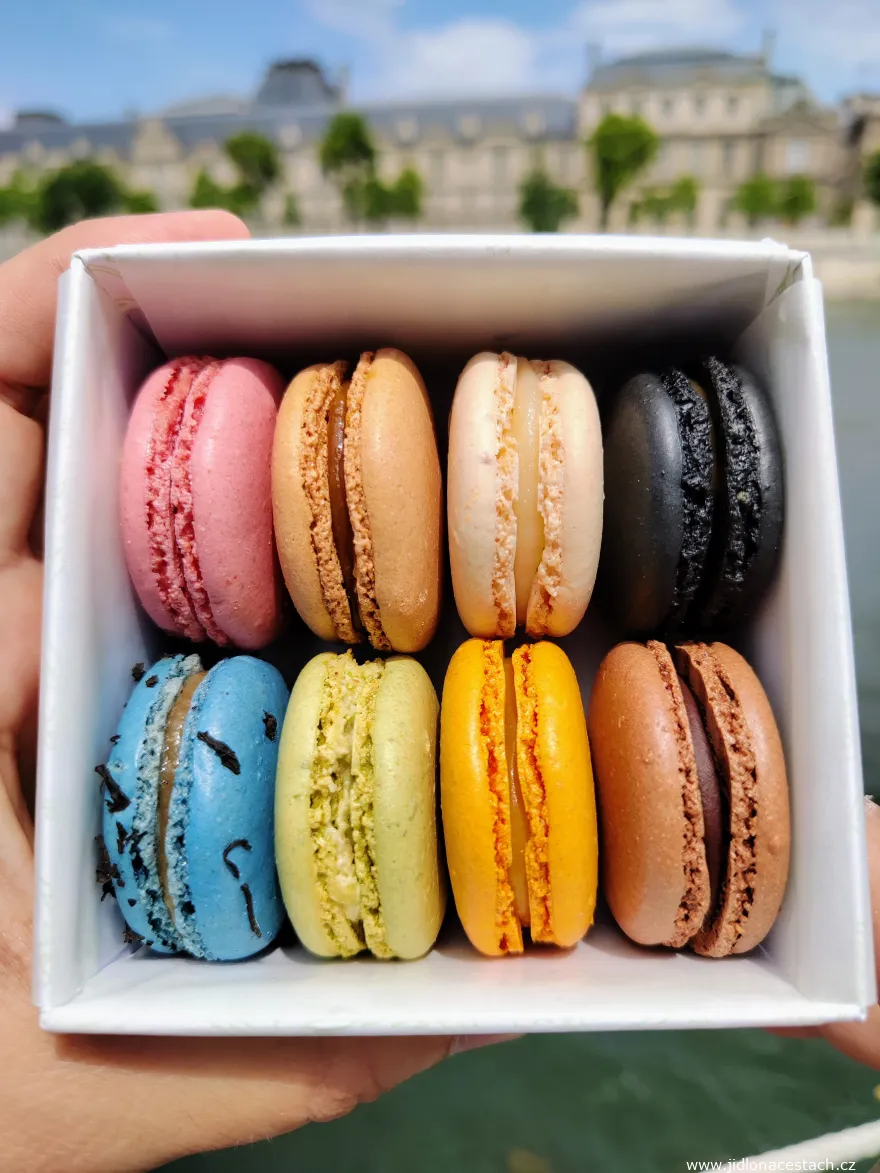
Typical French Food
One of the most typical French foods is the croissant. This crisp, buttery pastry has become the symbol of the French breakfast - it's served with butter or jam and goes perfectly with a cup of coffee. Buy it at a bakery, not at a hotel buffet; you'll taste the difference with the first bite.
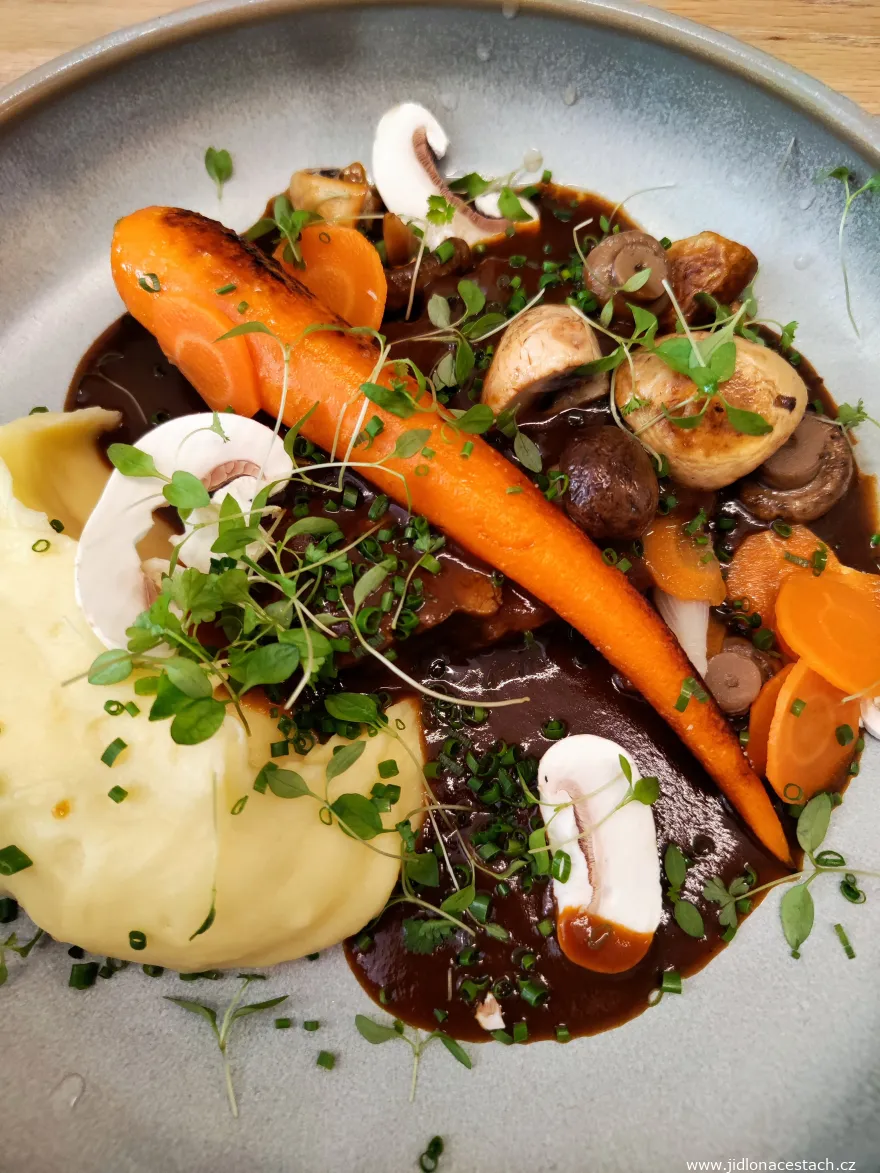
Boeuf bourguignon (Burgundy beef stew) is among the best-known French main courses. It's made from beef braised in red wine with onion, carrot, mushrooms and bacon. Another typical main is ratatouille, a vegetable dish from the south of France built on stewed zucchini, eggplant, peppers, onion and tomato. Bouillabaisse is a rich fish soup from Marseille, originally the food of the local fishermen.
Desserts deserve a chapter of their own. Crème brûlée, a custard of egg yolks and cream under a caramel crust, goes back to a recipe first documented in 1691 - even if England and Catalonia both claim it as well. Among the other famous sweets are tarte Tatin (an upside-down cake with caramelized apples) and the world-famous macarons.

The French National Dish
Say French national dish and most people picture a croissant or a baguette. The traditional national dish of France is in fact pot-au-feu - beef, vegetables and herbs that simmer for hours in a single pot. The result is a strong broth and tender meat served with mustard, pickles and coarse salt. The word pot-au-feu is documented as early as 1735, and in the 19th century the dish became a symbol of French cooking: it can turn the plainest ingredients into something remarkable.
What to Eat in France
- Croissant. A crisp, buttery pastry made from laminated yeast dough. In France it's the everyday breakfast, and abroad it's the best-known French baked good of all.
- Crème brûlée. A cream-and-vanilla custard under a caramel crust that's a joy to crack with a spoon. You'll find it in restaurants right across the country.
- Macarons. Colorful almond cookies sandwiched with creamy fillings, tied to Paris and its patisseries. The older, unfilled convent version is still baked in Saint-Émilion.
- Boeuf bourguignon. Beef braised in red wine with root vegetables and mushrooms. As the name suggests, its roots lie in the wine country of Burgundy.
- Ratatouille. A vegetable dish of eggplant, zucchini, pepper and tomato. It comes from Provence in the south of France, and the animated film of the same name made it world famous.
- Foie gras. Fattened goose or duck liver, a controversial delicacy. It's produced mainly in the southwest of France, in Gascony and around it.
- Coq au vin. Chicken braised in red wine with mushrooms, bacon and vegetables. Cooked all over France, and again with roots in Burgundy.
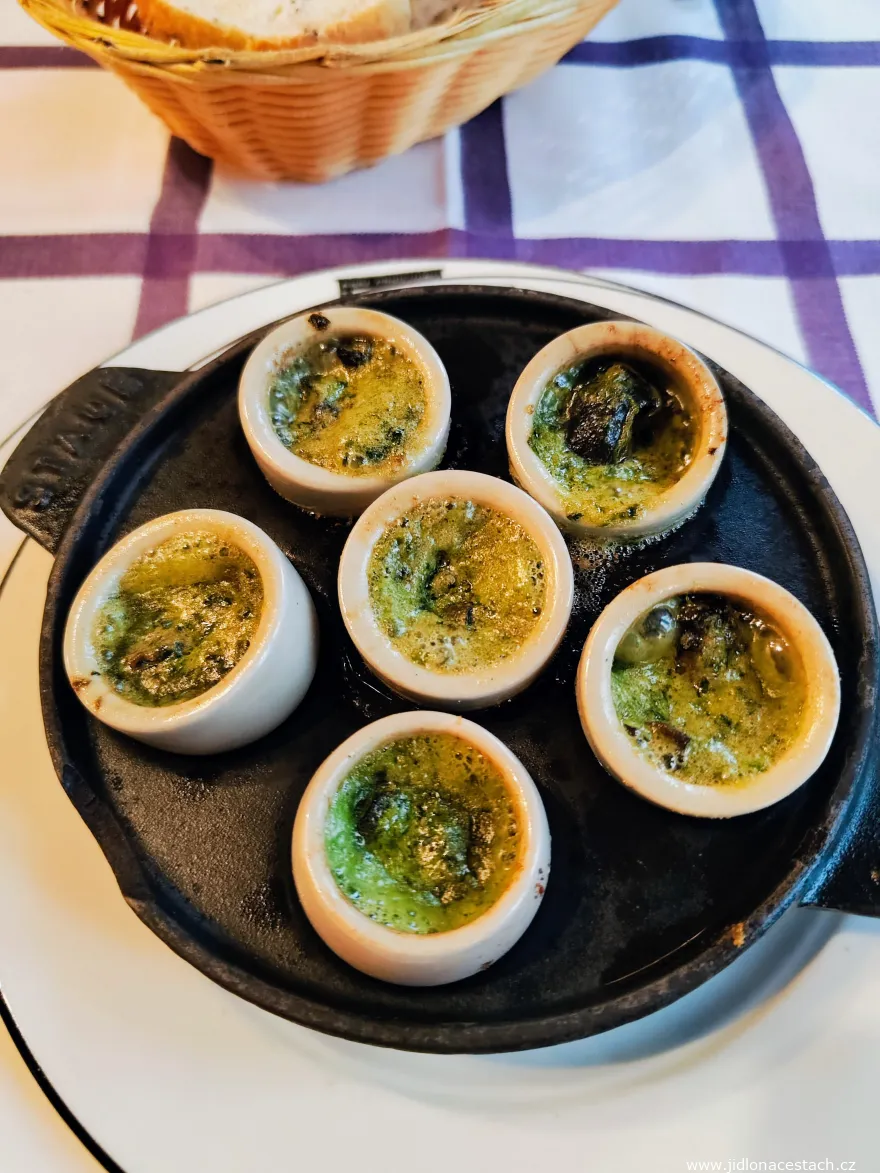
- Escargots. Snails baked with garlic and herb butter, a classic starter. The most famous of all are the Burgundian ones.
- Tarte Tatin. An upside-down cake with caramelized apples. It came about by accident at the hotel run by the Tatin sisters in the town of Lamotte-Beuvron in central France.
- Cassoulet. A bean dish baked with duck, sausage and pork. The "holy trinity" of Castelnaudary, Carcassonne and Toulouse all claim it as their own.
- Quiche lorraine. A savory tart with bacon and an egg-and-cream filling; the original Lorraine recipe has no cheese in it. It comes from Lorraine in the northeast of France.
- Bouillabaisse. A fish soup made from several kinds of fish and seafood. The specialty of Marseille and the Provençal coast around it.
- Salade niçoise. A salad with tuna, eggs, olives and vegetables. It comes from Nice on the French Riviera.
- Confit de canard. Duck leg cooked slowly in its own fat, then crisped up in the oven. A specialty of Gascony and the southwest.
- Tartiflette. Potatoes baked with bacon, onion and reblochon cheese. Despite its reputation as an age-old Alpine classic, it only appeared in the 1980s, based on an older Savoyard dish called péla.
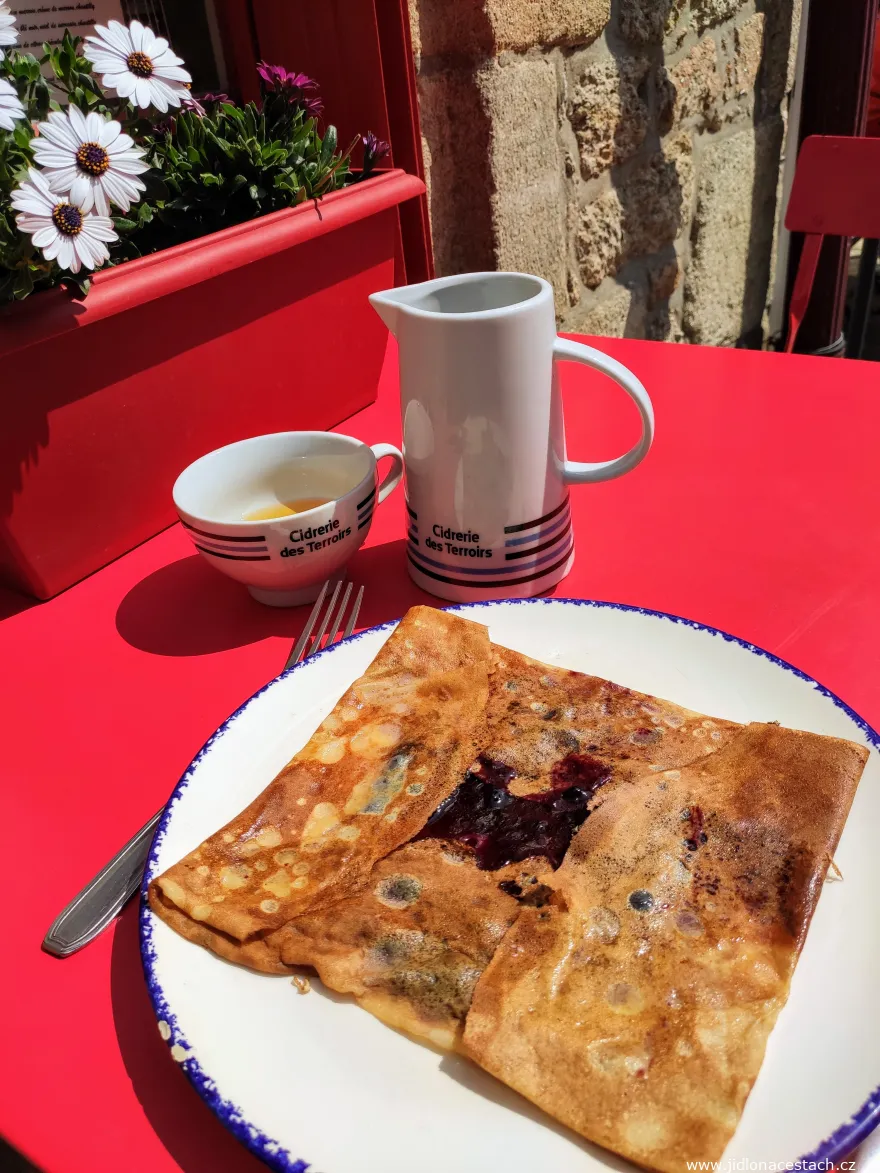
- Crêpes. Thin pancakes served sweet; the savory buckwheat version goes by the name galette. They're at home in Brittany and washed down with cider.
- Soufflé. An airy baked dessert made from egg whites, and there's a savory version too. A technically demanding dish that kitchens use to show what they can do.
- Baguette. A long, crusty loaf, the daily bread of the whole country. Baguette culture has been on the UNESCO list since 2022.
- Gratin dauphinois. Potatoes baked in cream. It comes from the Dauphiné region in southeastern France.
- Madeleines. Small shell-shaped sponge cakes. According to the most widespread legend, the first ones were baked by a servant named Madeleine Paulmier in Commercy, Lorraine.
- Mille-feuille. "A thousand leaves": delicate sheets of puff pastry layered with vanilla cream. The name of the dessert turns up in cookbooks as early as 1733.
- Pot-au-feu. A hearty dish of long-simmered beef and vegetables, the national dish of France. It tastes best in the winter months.
- Clafoutis. A fruit tart with cherries baked into a pancake batter. It comes from the Limousin region in central France.
- Canelé. A small fluted cake with a soft center and a caramel crust. Canelé comes from Bordeaux in the southwest of France.
- Choucroute garnie. Sauerkraut with several kinds of pork and sausage. A specialty of Alsace in eastern France.
- Tarte flambée. A wafer-thin Alsatian "pizza" with crème fraîche, onion and bacon, flammekueche in Alsatian. It bakes for a few minutes in a fiercely hot oven.
- Financier. A small almond cake shaped like a gold bar. A legend often repeated and never documented has a Paris pastry chef baking them for the bankers from the stock exchange; their forerunners were the convent cakes called visitandines, from Lorraine.
- Paris-Brest. A choux pastry ring filled with hazelnut praline cream. It was created in honor of the Paris-Brest-Paris cycling race, and its shape recalls a bicycle wheel.
- Aligot. Mashed potato with butter and fresh cheese, pulled into long strands. It comes from the Aubrac plateau in the Massif Central.
- Salade lyonnaise. A salad of frisée with bacon, croutons and a poached egg. A specialty of Lyon, a workers' dish out of the city's bouchons.
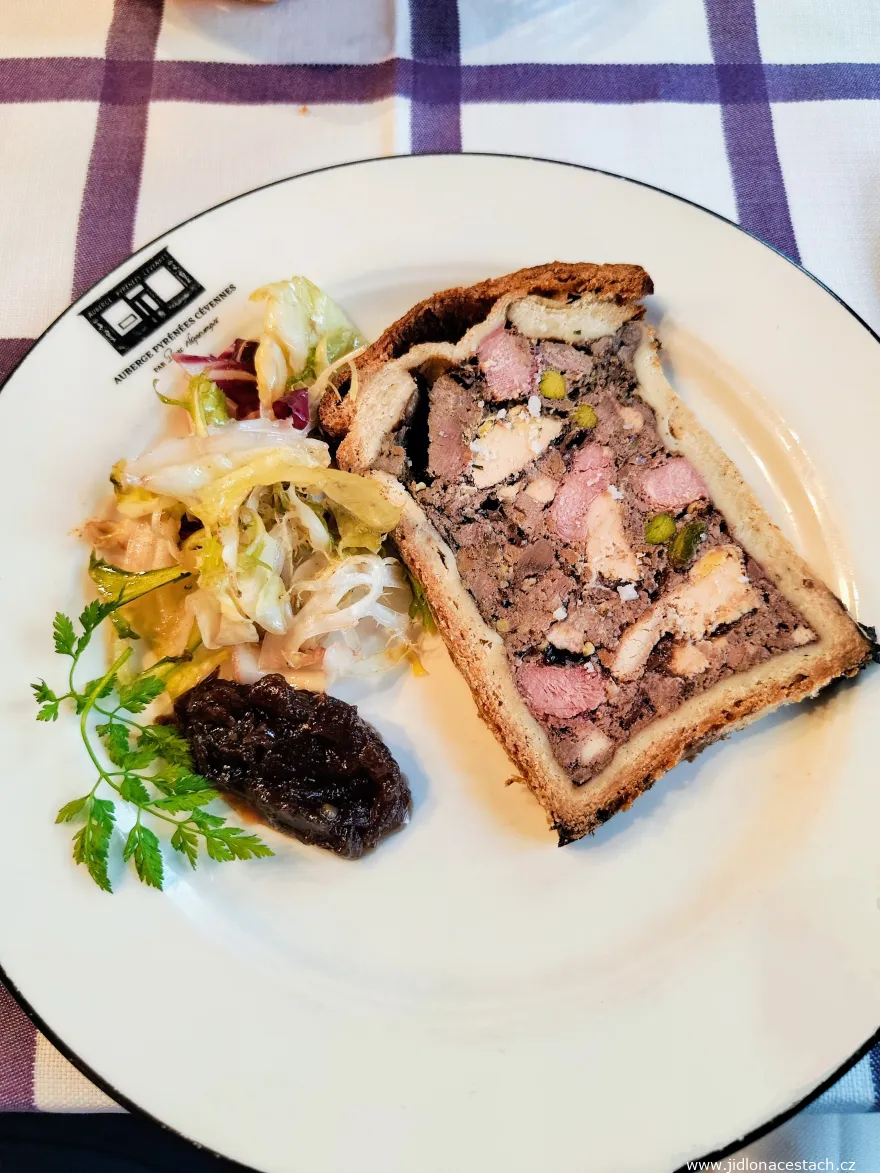
- Pâté en croûte. A meat pâté baked in pastry, the pride of any good butcher's window. These days there's even a world championship for it.
- Blanquette de veau. Veal braised in a pale cream sauce with vegetables. A home-cooking classic, especially popular in winter.
- Gougères. Cheese puffs made from choux pastry. They come from Burgundy and are served with an apéritif.
- Moules-frites. Mussels cooked in white wine and served with fries. France shares this one with Belgium, where it counts as the national dish; in France it rules the north and the Atlantic coast.
- Flan pâtissier. A dense vanilla custard tart on shortcrust pastry. A fixture of French bakeries, sold by the wedge the way sheet cake is sold back home.
- Chouquettes. Little choux buns scattered with pearl sugar. Most bakeries sell them by weight in a paper bag.
- Terrine. A coarser meat pâté baked in an earthenware mold. It's served as a starter with bread and pickled vegetables.
- Éclair. An oblong choux pastry dessert filled with cream and topped with icing. Today it's found all over the world.
Typical French Drinks
A day in France starts with coffee. Order "un café" and you'll get an espresso; in the morning a café crème with its milk foam is the one to have with a croissant, while café au lait from a big bowl stays at home with breakfast. Coffee after lunch is a small ritual, and sitting on a café terrace belongs to the French way of life as much as good food does.
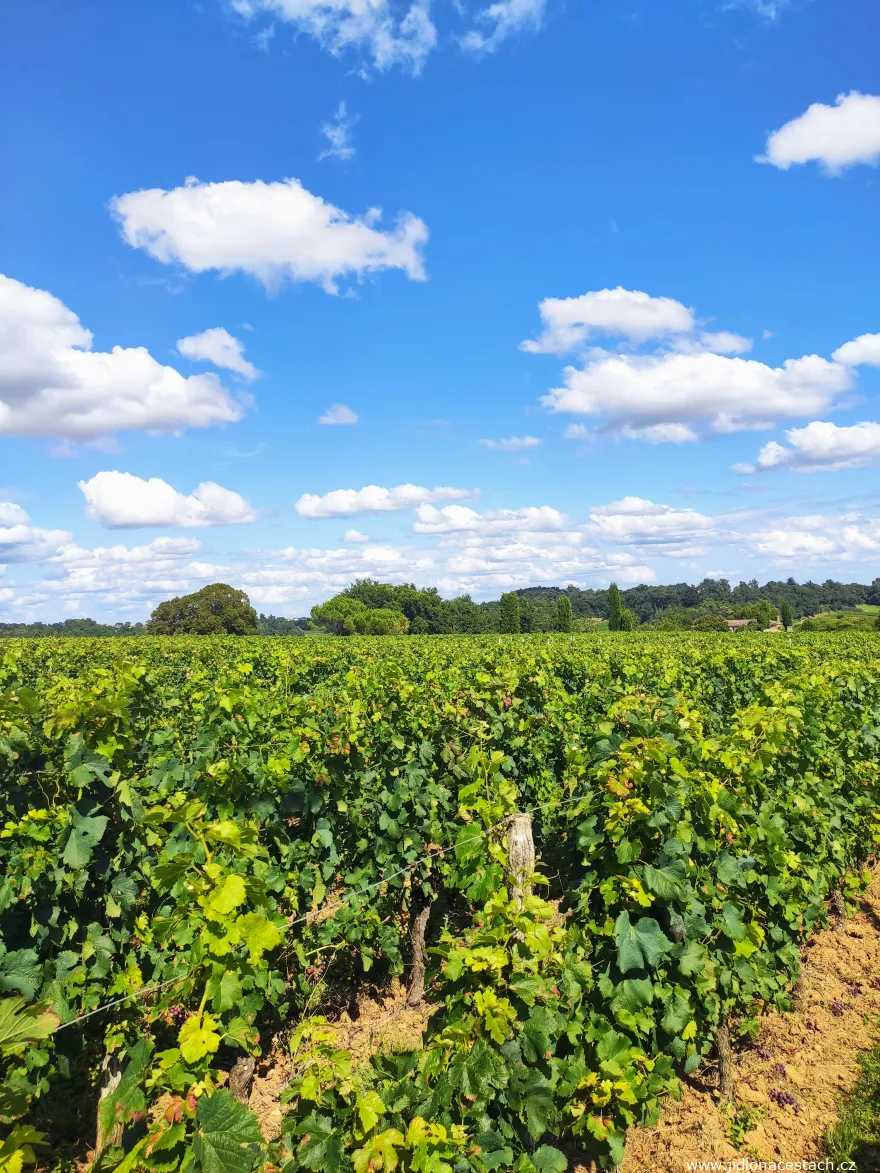
Wine is inseparable from French cooking. The best-known regions are Bordeaux, Burgundy, Champagne, Alsace and the Rhône and Loire valleys; the AOC system of protected designations keeps watch over quality and origin. Sparkling wine may call itself champagne only if it comes from Champagne itself. The French have wine with almost every meal and see it as part of their culture.
I love the French wine regions, and Saint-Émilion near Bordeaux is the most beautiful place I've seen in France. You can even travel to the wine by train: from Lyon I nipped over to Tain-l'Hermitage for tastings and paid a single bill for a whole day among the vineyards - the train ticket.
In Brittany and Normandy, cidre is king. Breton crêperies pour it into ceramic bowls called bolée, and it goes with crêpes as automatically as beer goes with a Sunday roast back home.
Before the meal comes the apéritif. The most famous is pastis, the aniseed liqueur from Marseille (Paul Ricard came up with the recipe in 1932), cut with ice-cold water until it clouds over milky white. In Burgundy they drink kir - aligoté white wine with blackcurrant liqueur, named after Félix Kir, priest and mayor of Dijon.
After the meal the French reach for a digestif. Calvados is an apple brandy from Normandy; cognac and armagnac are grape brandies protected by strict rules: cognac is distilled twice in Charente, armagnac only once in Gascony, and neither may be made outside its own region.
How to Enjoy French Food to the Fullest
- Give the meal time. The French give food the attention it deserves and never rush it - a lunch or dinner of several courses is a social occasion here, not a chore.
- Always walk in with a "Bonjour". Greeting people as you enter a restaurant, a bakery or a shop is all but compulsory in France. Order without it and you'll come across as rude - and the staff will make sure you know it.
- Go for the lunch menu. Even in celebrated places, the midday "formule" gets you the same cooking for a fraction of the evening price - that's exactly how I do French bistros.
- Head to a market. Cheese, sausage, bread and hot aligot straight from the pot - markets are the fastest route to regional specialties.
- Book the better restaurants ahead. Ever since dinner at La Table de Montaigne in Bordeaux, where my road to fine dining started, the first thing I do before any trip is work out where I'll eat.
- Have a glass of wine with your meal. Let the sommelier advise you, or follow a simple rule: local food, local wine.
Before you set off you can also read up on French gastronomy or put on a cooking series. I adore the Netflix series "Chef's Table", so for a trip to France the special run "Chef's Table France" is the obvious choice. I also devoured "School of Chocolate", in which French head pastry chef Amaury Guichon shows off his unbelievable skills. I'd recommend it to more than just the sweet-toothed.
The Best French Food
If I had to pick three personal favorites, then the best French food for me is:
- Aligot. The stretchy cheesy mash from Aubrac that I bought straight from the pot at a market in Toulouse. Ever since that Sunday, it and homemade mashed potato have shared first place in my side-dish rankings.
- Paris-Brest. The hazelnut ring that the Paris bistro Auberge Pyrénées Cévennes made fresh to order for me. It was magnificent, and I've been looking out for it in every patisserie since.
- Canelé. The little fluted cake from Bordeaux with a caramel crust and a soft, almost custardy center. One canelé is never enough - I've tested this repeatedly.
How to Say Thank You for French Food
Anyone can manage the basics: "Merci beaucoup" (mair-see boh-koo) - thank you very much. To praise the food, say as you pay or leave "C'était délicieux" (say-tay day-lee-syuh) - that was delicious, or the more modest "C'était très bon" (say-tay tray bon) - that was very good.
Anyone who wants to sound like a local reaches for "Je me suis régalé" (zhuh muh swee ray-ga-lay) - I really enjoyed that (a woman says "régalée", pronounced the same). And when the kitchen deserves a compliment, send it through the staff: "Mes compliments au chef" (may kom-plee-mon oh shef) - my compliments to the chef.
Two more small points of French etiquette. Address the staff as "Monsieur" or "Madame" - unlike back home in Czech, it doesn't sound odd in the slightest without a surname. And don't be surprised if the waiter wishes you "Bonne dégustation" instead of "Bon appétit": in better places it's been the phrase of choice in recent years.
Regional French Cuisine and Specialties
France is a big country and every region takes pride in its own specialties. These are the ones most worth tasting:
Alsace
A region where French and German cooking meet: choucroute garnie (sauerkraut with cured meats), tarte flambée and dry Riesling. At Christmas they bake beerawecka here, a dried fruit loaf - I brought one home from Colmar as an emergency sweet supply, and it was gone almost immediately.
Burgundy
The wine region that gave boeuf bourguignon its name, and the home of snails and cheesy gougères. Here they pour you a kir before the meal.
Provence
Herbs, olive oil, tomatoes and garlic. Ratatouille comes from here, and from Marseille come bouillabaisse and aniseed pastis.
Brittany
Crêpes and buckwheat galettes washed down with cider. On the Guérande peninsula they still rake sea salt by hand - I walked the salt pans on foot, and I've never looked at the salt cellar the same way since.
Normandy
The land of cream, apples and cheese: camembert, livarot, apple cidre and calvados.
Lyon and around
Lyon has held the title of world capital of gastronomy since 1925. The traditional taverns called bouchons serve quenelle (a light pike dumpling), salade lyonnaise or the tripe dish tablier de sapeur.
The southwest
The country of cassoulet, saucisse de Toulouse, confit duck and foie gras. It tastes best at the markets in Toulouse, which also bring in aligot from nearby Aubrac.
Bordeaux and around
Alongside its famous vineyards, Bordeaux draws you in with entrecôte à la bordelaise (steak with a sauce of wine and bone marrow), the fluted sweet canelé and trips out to wine villages such as Saint-Émilion.
Famous French Chefs
These French chefs changed the way we cook - and not only in France:
- Auguste Escoffier (1846-1935). The father of modern French cuisine: he codified recipes, introduced the kitchen brigade system and was the first chef to receive the Legion of Honour.
- Eugénie Brazier (1895-1977). The Lyon cook who in 1933 became the first person to hold six Michelin stars at once. Paul Bocuse trained under her.
- Paul Bocuse (1926-2018). The face of the nouvelle cuisine movement, which lightened the heavy sauces and let the ingredients shine. His restaurant outside Lyon held three stars for a full 55 years (1965-2019).
- Joël Robuchon (1945-2018). The holder of more Michelin stars than anyone in history - according to the Guinness Book of Records he had over thirty of them at once, in restaurants across thirteen countries.
- Alain Ducasse (1956). The first chef to hold three stars in three different restaurants at the same time. His places are now found all over the world.
French Michelin Restaurants
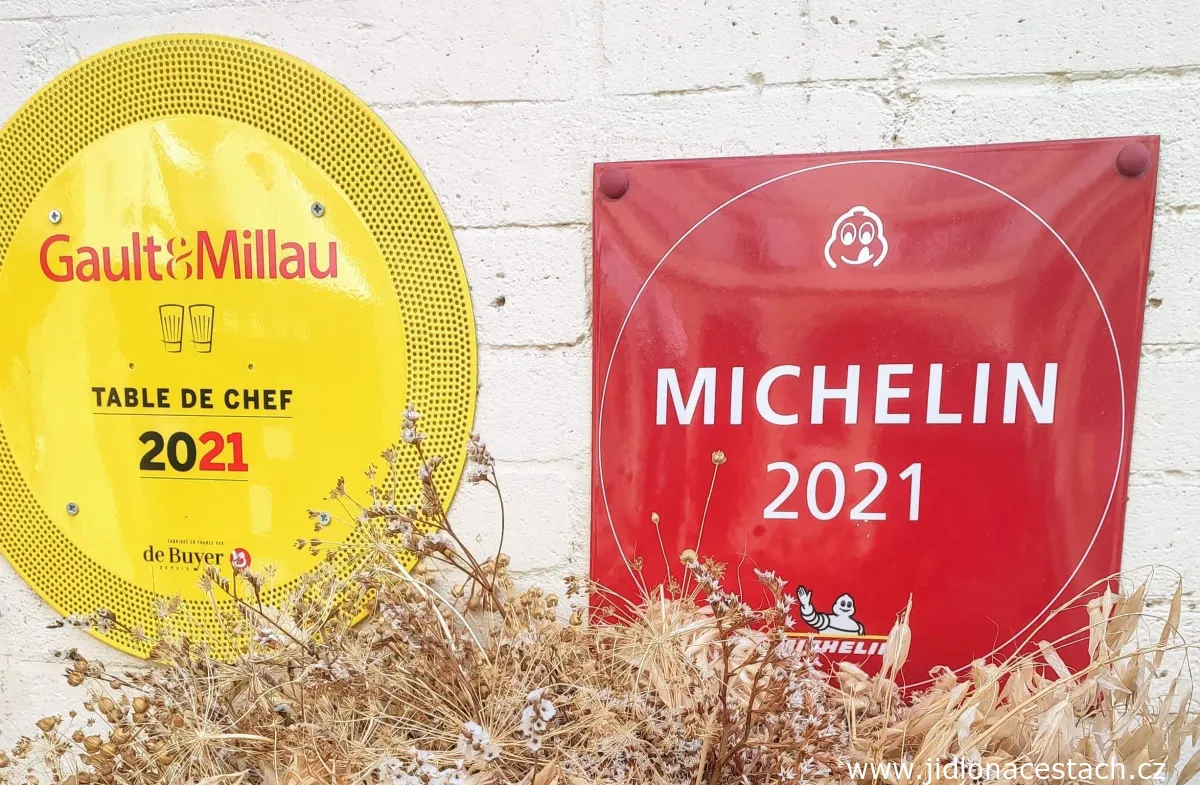
France is the birthplace of the famous Michelin guide - originally an advertising booklet put out by a tire manufacturer in 1900, today the best-known award in gastronomy. The 2026 edition gives stars to 668 French restaurants: 31 places have three stars, 84 have two and 553 have one; another 430 restaurants carry the Bib Gourmand label for exceptional value (figures as of September 2026).
Bib Gourmand is my favorite category - it leads you to excellent cooking without fine dining's evening prices. Alongside Michelin, France has a rival guide, Gault & Millau, which rates kitchens in points and toques.
From the three-star elite let me name at least two: L'Auberge du Vieux Puits, chef Gilles Goujon's place in the village of Fontjoncouse, and Alain Passard's Paris restaurant L'Arpège, which has held three stars without a break since 1996 - and since 2025 with an entirely plant-based menu.
Interesting Facts About French Food
- France makes several hundred kinds of cheese and 46 of them are protected by the AOP designation of origin - more than in any other country. The average French person eats around 26-27 kg of cheese a year. More in the article on French cheeses.
- The French gastronomic meal has been on the UNESCO list of intangible cultural heritage since 2010. The ceremonial "repas gastronomique" runs to at least four courses, framed by an apéritif and a digestif.
- In 2022 the baguette joined the UNESCO list too - the artisanal know-how and the culture around it, to be precise. French bakeries sell around 27-30 million of them a day.
- The croissant originally comes from Austria. Its forerunner is the Viennese kipferl, brought to Paris in 1839 by the bakery of the Austrian August Zang; the buttery laminated form came from the French.
- Tarte Tatin was made famous by the food critic Curnonsky in 1926 - the same man who a year earlier declared Lyon the world capital of gastronomy.
- Lunch is traditionally the main meal of the day in France. Festive family lunches can easily stretch on for hours, though the ordinary working break now averages only around 40 minutes.
- Many of the world's cooking terms come from French - menu, restaurant, chef, omelette and mayonnaise. French cuisine gave modern gastronomy its language and its techniques.
Enjoy France and the best French food!


Gault & Millau: The French Dining Guide
Gault & Millau is a French dining guide that scores restaurants with points and chef's toques - and on principle it never gives anyone the full twenty. It was founded by two journalists as a cheeky counterweight to Michelin, and it gave nouvelle cuisine its name. Today it hands out toques in 15 countries, with Czechia next in line.

Paris-Brest: The Cyclists' Dessert
A choux pastry ring filled with praliné cream is named after a bike race from Paris to Brest and back - and it was created in neither of those cities. The version you hear most often credits the dessert to pastry chef Louis Durand of Maisons-Laffitte. I ate it in a Bib Gourmand restaurant in Paris, and I'll tell you what to look for in a good one.

Beerawecka: The Alsatian Christmas Loaf of Dried Fruit
In Alsace, the loaves baked before Christmas hold more dried fruit than dough: pears, figs, apricots, prunes, raisins and nuts steeped in brandy, held together by nothing but a handful of dough worked in between them. Beerawecka ripens for days or weeks, gets sliced thin, and has relatives across the Rhine, in Austria, Switzerland and South Tyrol. Not even the Alsatians agree on what its name means.

La Table 101: Bistronomy in Lyon's Part-Dieu District
I found my best Monday lunch in Lyon not in a bouchon in the old town, but among office workers in the Part-Dieu business district. La Table 101 is a bistronomy restaurant the Delbergues have run as a husband-and-wife team since 2012, and the Michelin guide has given it a Bib Gourmand. A lunch formule, a free amuse bouche and a soufflé worth paying extra for.

Tain-l'Hermitage: A Wine Village on the Rhône
Less than an hour by train from Lyon lies a village overlooked by one of the most famous wine hills in France. The Hermitage appellation covers just 135 hectares and was ranked in the first class as early as 1816 - and yet the village below it pours free tastings with no appointment. I'll add the legend of the hermit and a tip on how to save with Crozes-Hermitage.

Le Tiroir: A Lyon Bistro with a Michelin Bib Gourmand
The Bib Gourmand is not a half star but a Michelin award in its own right, for kitchens that keep the bill fair - and Le Tiroir, a modern bistro in Lyon's Vaise district, has held one since 2021. On a lunch menu offering four starters, four mains and four desserts, fried Saint-Marcellin meets beef flank steak and a rhubarb dessert.

French Cheeses
Not even France knows how many kinds of cheese France has - even the quote attributed to de Gaulle circulates with several different numbers. So I'm building this guide to French cheeses piece by piece, starting with Pérail: a soft sheep's milk cheese from the Aveyron that used to be made from the milk left over from roquefort production and waited more than thirty years for European recognition.

Les Halles in Clisson: A Wooden Market Hall from the 14th Century
The covered Les Halles market hall in the French town of Clisson has stood since the end of the 14th century, and markets have been held under its wooden roof timbers without interruption for more than six hundred years. It even survived the War in the Vendée, which leveled the rest of the town. You'll get the best feel for the place early in the morning, when the hall is still almost empty and the market under the medieval beams is only just getting going.

Sel de Guérande: Hand-Harvested Sea Salt from Brittany
Salt from Guérande is still harvested by hand on France's Atlantic coast, with wooden tools and only in summer. The prize is fleur de sel - the fragile flower of salt drawn off the surface of flooded pans before it can sink to the bottom. And you can walk the marshes yourself: from the medieval ramparts of Guérande across the salt fields to the village of Saillé.

Saint-Aubin: The Sunday Market in Toulouse
We got the best food tip in Toulouse over a beer: the bartender sent us to the Sunday market at Saint-Aubin. Once a week the streets around the church fill up with Pyrenean cheeses, a pot of aligot and loaves of pain d'épices sold by weight - plus a flea market and musicians. I came away with a loaf studded with orange peel, and I tasted the aligot.