What to Eat in Spain: Typical Spanish Food and Specialties
Spanish cooking is one of the most varied in the world - the Basque Country cooks nothing like Andalusia, Galicia nothing like Valencia, and every region will defend its own to the death. What they share is olive oil, garlic and the habit of eating late and taking their time over it. Add the Moorish heritage of the south, French cooking just over the Pyrenees and Portugal to the west - and you have a country you could eat your way through differently every day.
I've been eating my way through Spain for years now: breakfast in Bilbao, a crawl through the bars of San Sebastián, dinner with my parents in Madrid, a morning in the market hall in Alicante and New Year's midnight with twelve grapes in Malaga. This guide sums up what to eat in Spain, where the cooking changes dialect and how to behave at the table like a local.
Typical Spanish Food
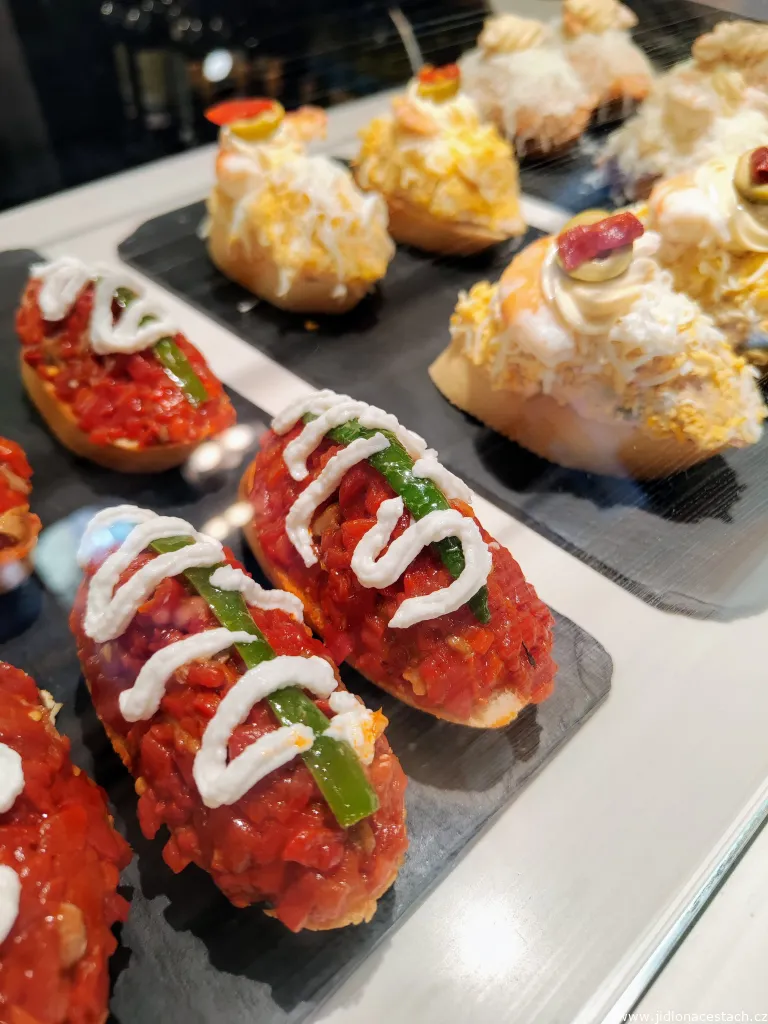
The best known of all typical Spanish dishes is tapas, small portions of all sorts of things served as a bite with your drink or strung together to make a whole dinner. They can be cold or hot, from a bowl of olives to fried calamari, and in Granada, León or Jaén they come free with your beer. The Basque Country has its own version: pintxos, speared on a toothpick and lined up along the bar.
Another typical Spanish dish is paella, which comes from the area around Valencia and is traditionally eaten at midday, not in the evening. According to a 2022 study by the University of Valencia, an authentic paella contains exactly ten ingredients - chicken, rabbit and the local garrofón beans among them, and no seafood or chorizo. What you get on the coast as "paella mixta" is, to a Valencian, simply a good rice dish.
The third pillar is gazpacho, a cold soup of tomatoes, peppers, cucumber, bread and olive oil - in the Andalusian summer you drink it more than you eat it. Its thicker Córdoban cousin salmorejo is eaten with a spoon, topped with egg and ham.
Spaniards care about good ingredients: cured jamón, cheeses from Manchego to Cabrales, olive oil, fresh fish and seafood, and conservas, canned fish served here as a delicacy. Most of it travels home well, and I cover which ones are actually worth buying in What to Bring Back from Spain.
The Spanish National Dish
Most of the world takes paella to be the Spanish national dish. It started as a farmers' dish from the countryside around Valencia, cooked with whatever was at hand - rice, vegetables, rabbit, sometimes snails. Today it is the international symbol of Spanish cooking and at the same time its most closely guarded recipe: when Jamie Oliver put chorizo in one in 2016, the entire Spanish internet turned on him.
The real national dish, the one Spaniards actually eat every week, is tortilla de patatas - a potato omelet you'll find in every bar, every restaurant and every home in the country. It needs no special ingredients and no special occasion, and that is exactly why it says more about everyday Spain than paella does.

And yet tortilla splits the nation into two camps: with onion (concebollistas) or without it (sincebollistas). A 2024 CIS survey found that seven Spaniards in ten want the onion. I belong to the minority without it - and I like my tortilla best in the morning, as part of a typical Spanish breakfast.
What to Eat in Spain
- Paella. The world-famous dish of rice cooked in a shallow pan, the specialty of Valencia. Its cousins are worth seeking out too - arroz negro, arroz a banda or the oven-baked arroz al horno.
- Tapas. Small portions of all sorts of food to go with a drink, from olives to fried baby octopus. In some cities (Granada, León) they come with your drink for free.
- Jamón. Cured ham whose whole legs hang from the ceilings of bars and shops. At the top sits jamón ibérico de bellota from Iberian pigs fattened on acorns; the more common serrano comes from white pigs and tastes simpler.
- Tortilla de patatas. A potato omelet and the real national dish. The argument about the onion inside it divides the country in two.
- Gazpacho. A cold soup of tomatoes, peppers and cucumber, the refreshment of the Andalusian summer. People drink it straight from a glass.
- Churros. Fried ridged sticks dipped in thick hot chocolate. Breakfast and a cure after a night out, never dessert after dinner.
- Sangria. Red wine macerated with fruit and served in a jug. Spaniards think of it as a tourist drink - and it can still be excellent.
- Chorizo. A cured sausage dyed red with paprika, in dozens of shapes and degrees of heat. My go-to edible souvenir instead of fridge magnets.
- Queso manchego. A sheep's milk cheese from La Mancha, the most famous of nearly thirty Spanish cheeses with a protected designation. Its rind carries the pattern of a woven basket.
- Tinto de verano. Red wine with lemon soda and ice - what the locals drink while tourists order sangria.
- Cava. A sparkling wine fermented in the bottle by the same method as champagne, 95 percent of it from Penedès in Catalonia. Spaniards drink more than half the year's consumption at Christmas and on New Year's Eve.
- Pintxos. Basque bites laid out along the bar, often speared on a toothpick. In San Sebastián they've been raised to miniature haute cuisine.
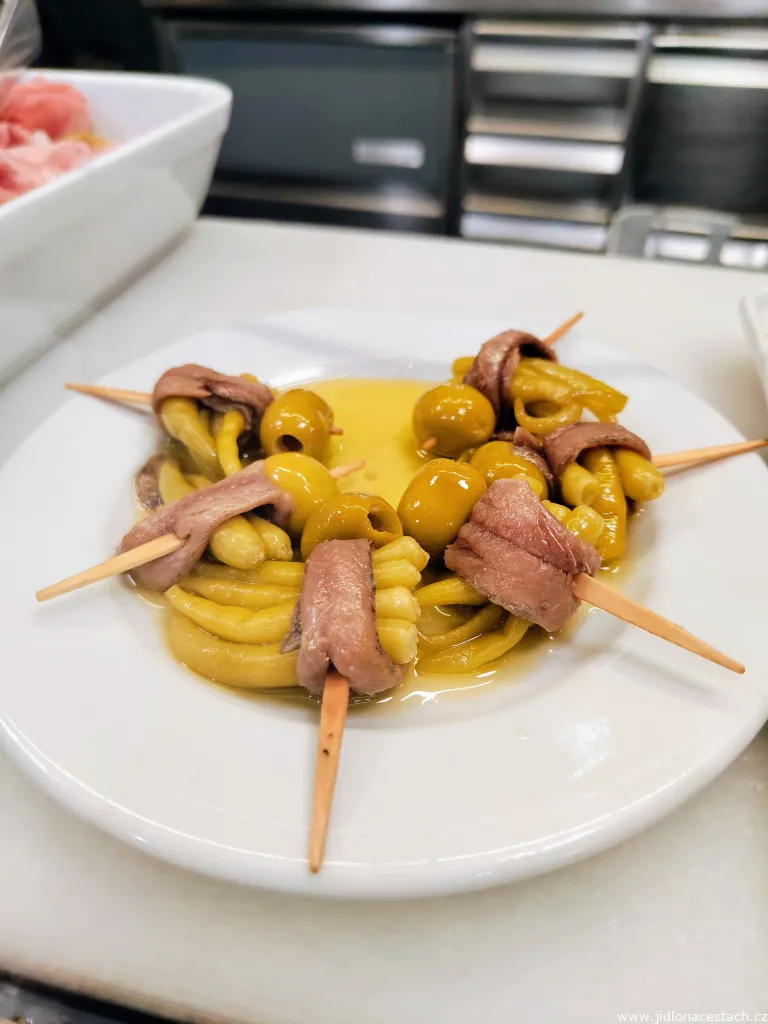
- Gilda. The most famous pintxo of all: an olive, an anchovy and a guindilla pepper on a toothpick. Named after Rita Hayworth's film role.
- Croquetas. Fried croquettes of thick béchamel filled with ham, cheese or cod. A fixture of bar counters all over the country.
- Patatas bravas. Fried potatoes with spicy brava sauce. One of the few tapas the whole country agrees on.
- Pimientos de Padrón. Fried green peppers from Padrón in Galicia. As the local saying goes, "some are hot and some are not" - it's roulette on a plate.
- Salmorejo. A thick cold soup from Córdoba, the richer relative of gazpacho. It comes with boiled egg and pieces of ham.
- Tostada con tomate. Toasted bread with grated tomato and olive oil, the foundation of the Spanish breakfast. In Catalonia they call it pa amb tomàquet.
- Horchata. A sweet "milky" drink made from tiger nuts (chufa), the specialty of Alboraya near Valencia. The first mentions of it go back to the 13th century.
- Fideuà. Paella's cousin, made with short noodles instead of rice. A ship's cook from Gandía came up with it in the early 20th century when he ran out of rice.
- Cochinillo asado. Roast suckling pig with crisp skin and meat that falls apart under a fork. The pride of Segovia, with a quality mark of its own.
- Callos. Tripe stewed with chorizo and chickpeas, a Madrid classic documented as far back as 1599. A dish the locals order and the tourists don't.
- Migas. Breadcrumbs fried with garlic, paprika and often bacon. A shepherds' dish from the interior that rescued stale bread.
- Conservas. Canned fish served in bars straight from the open can. In Spain this isn't a fallback but a delicacy priced for the hand labor behind it.
- Coca. The flatbread of the Catalan-speaking Mediterranean, savory and sweet alike. In Alicante the tuna coca is baked for the feast of Saint John.
- Boquerones en vinagre. White anchovies marinated in vinegar, a cold tapa to go with beer. Their salted brown cousins, anchoas, cost more and taste stronger.
- Pulpo a la gallega. Galician octopus, also called pulpo á feira, dusted with paprika and coarse salt and doused in olive oil.
- Gambas al ajillo. Prawns spitting in hot oil with garlic and chili. Bread for mopping up the oil is compulsory.
- Crema catalana. A Catalan egg-yolk custard under a crust of burnt sugar - the thicker cousin of crème brûlée, traditionally made for the feast of Saint Joseph.
- Tarta de queso La Viña. The burnt cheesecake from a single bar in San Sebastián that conquered the world. The New York Times named it the flavor of 2021.
- Idiazabal. A smoked sheep's milk cheese from the Basque Country and Navarre, made from the raw milk of latxa mountain sheep. It's served with membrillo quince paste.
- Cabrales. A sharp blue cheese from Asturias, ripened in the limestone caves of the Picos de Europa. Not for beginners.
- Txakoli. A light, faintly sparkling white wine from the Basque coast. Bartenders pour it from a height to bring out the fizz.
- Níspero de Callosa. The loquat from the province of Alicante, tasting somewhere between a peach and an apricot. The season lasts April and May, no longer.
- Polvorones. Crumbly almond cookies from Andalusia that dissolve in your mouth. They belong to Christmas as much as cava does.
- Twelve Grapes of Luck. The New Year's Eve ritual: one grape with every stroke of the midnight bell. It isn't about the taste, it's about luck in the year ahead.

Typical Spanish Drinks
The Spanish day begins with coffee - and the country's coffee vocabulary is worth learning. Café solo is a small strong espresso, cortado comes with a drop of milk, café con leche is half and half. The taste of the local coffee was shaped by torrefacto, the roasting with sugar patented back in 1901, which makes it darker and more bitter than a Central European palate expects. After dinner people order almost nothing but descafeinado, decaf.
The non-alcoholic specialty is horchata, a creamy drink made from tiger nuts, which Valencia drinks ice-cold. It tastes nutty and sweet, and on a hot afternoon it's more refreshing than anything fizzy.
The best known Spanish alcoholic drink is sangria - red wine with macerated fruit, sugar and cinnamon. For all its international fame, Spaniards themselves see it as a drink for tourists and reach for simpler mixes at home. Good sangria does exist, though: all it needs is time to macerate.

The local summer choice is tinto de verano, red wine with lemon soda - you'll find it in every bar and nobody will bat an eyelid. In the Basque Country it competes with kalimotxo, wine mixed with cola.
Beer is an everyday drink in Spain, with rules of its own about sizes. The basic measure is the caña, a small glass of draft, and in the Basque Country the even smaller zurito - made for moving between bars. I cover how to find your way among the brands, from Mahou to Estrella Galicia, in my article on Spanish beer.
Spanish wines deserve a chapter of their own - the country is among the biggest producers in the world and every region has its own style. Alongside the famous Rioja and Ribera del Duero, I completely fell for monastrell from Alicante, a dense red from old bush vines; the light, faintly sparkling Basque txakoli is a different world altogether.

Celebrations call for cava, a sparkling wine made by the traditional method of a second fermentation in the bottle - the same one as champagne, only from Catalan grapes. It is generally drier and lighter than most sparkling wines, and Spaniards see the old year out with it, twelve grapes of luck and all.
Midday belongs to vermouth - "la hora del vermut" is a Spanish institution. The wine, infused with wormwood, is served chilled from the tap with an olive and a slice of orange, and a gilda or an open can of conservas on the side. This isn't an evening drink, it's the overture to lunch.
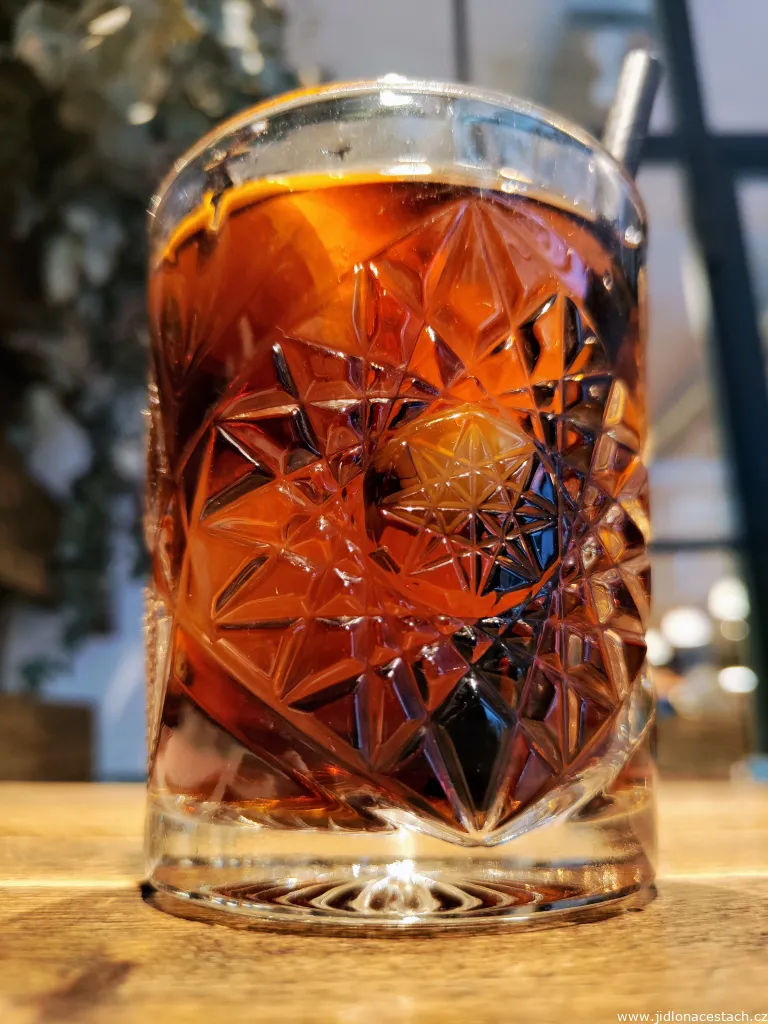
After the meal come the liqueurs - often on the house. Navarre and the Basque Country drink patxaran, made from sloes, and up in the mountains above Alicante it's the herbal herbero. In Spain both arrived with the bill, ice-cold and without my asking; in the province of Alicante it's a local custom that even has its own name for a mix of the two local liqueurs - mesclaet.
How to Enjoy Spanish Food to the Fullest
- Do tapas the Spanish way. Order two or three tapas at the bar, finish your drink, pay and move on to the next place. Moving from bar to bar is the whole point of the evening - in the Basque Country they call it txikiteo.
- Go to the markets. Covered market halls like Erriberako merkatua in Bilbao or Mercat Central in Alicante have cheese, ham, fish and local baked goods under one roof - and you can have breakfast there, or a vermouth between the stalls.
- Go to a food festival. Spain is famous for its food celebrations, where you get to taste the specialties of the region. I happened to turn up in Valencia on International Paella Day - which meant a lot of tasting! ❤️
- Treat yourself to a menú del día. A fixed-price lunch with two courses, dessert and a drink is the best value way to eat in Spain - and you might get a whole bottle of wine on the table with it, the way I did.
- Go for churros in the morning, not after dinner. Churros with hot chocolate are breakfast and a cure after a night out; on a dessert list they're a sign of a place cooking for tourists.
- Learn to make paella. A paella cooking class is the tastiest souvenir you can bring back from Valencia. And if you want to be more authentic still, pick up a few other rice dishes while you're at it, arroz a banda for one.
- Get on Spanish time. Lunch at two, dinner at nine - a restaurant that's full at seven in the evening is probably cooking mainly for tourists.

The Best Spanish Food
If I had to pick three personal favorites, then the best Spanish food for me is:
- Tortilla de patatas. A potato omelet I'll eat anywhere and at any time of day - though most often in the morning, a wedge of it with a piece of bread and a coffee. I'm a sincebollista, I don't miss the onion in it, even though the surveys put me in a 21 percent minority. As long as it's still a little runny in the middle.
- Typical Spanish breakfast. Toasted bread rubbed with tomato and olive oil, a few slices of cured ham, freshly squeezed orange juice and a coffee. Nothing more - and that's exactly why I enjoy it so much.
- Gilda. The best known Basque pintxo: an anchovy, a pepper and an olive on a toothpick. To me it's a stroke of genius - salty, sour and smooth in a single bite, and you order another one straight away.
How to Say Thank You for Spanish Food
Anyone can manage the basics: "gracias" (GRAH-syahs) - thank you, or more warmly "muchas gracias" (MOO-chahs GRAH-syahs) - thank you very much. In Castilian, c before e and i sounds like the th in "thin", with the tongue between the teeth; say it with a plain "s" and you'll still be understood anywhere.
After a good meal, "estaba buenísimo" (ehs-TAH-bah bweh-NEE-see-moh) - that was delicious goes down well; it fits right after "muchas gracias", said to the staff or to your host. During the meal, "está muy rico" (ehs-TAH mwee REE-koh) - it's really good will do the job.
One more pair of phrases comes in handy at the table: "que aproveche" (keh ah-proh-VEH-cheh) - bon appétit is what the staff and even complete strangers at the next table will wish you, and it's polite to answer "gracias". And since a Spanish waiter will never bring the bill unasked, you'll end the meal with "la cuenta, por favor" (lah KWEN-tah por fah-VOR) - the check, please.
Parts of Spain also speak languages of their own, and a thank-you in the local one goes a long way: Catalan "gràcies" (GRAH-syehs), Basque "eskerrik asko" (ehs-KEH-reek AHS-koh), Galician "grazas" (GRAH-sahs). And if you're raising a glass in the Basque Country, try the Basque "topa" instead of the Spanish salud - cheers.
Regional Spanish Cuisine and Specialties
Spanish gastronomy is really a federation of regional cuisines - and you could tell where you're eating with your eyes shut.
Basque cooking (Bilbao, San Sebastián)
Famous for the quality of its ingredients and its technique. The region runs on pintxos, cod al pil-pil, the smoked Idiazabal cheese and txakoli; food here is a social institution, from wandering between bars (txikiteo) to the closed gastronomic clubs called txokos. There's more in my separate guide to Basque cooking.
Catalan cooking (Barcelona)
Bread with tomato, pa amb tomàquet, the crema catalana dessert, grilled calçots with romesco sauce in winter, and cava from Penedès to go with it. Barcelona adds one of the densest Michelin scenes in the country.
Valencian cooking (Valencia, Alicante)
The kingdom of rice: paella and the whole family of arroz dishes, the noodle fideuà, horchata made from chufa and turrón from Jijona. Around Alicante you can add monastrell wines, coca flatbread and loquats from Callosa.
Andalusian cooking (Seville, Córdoba, Malaga)
Moorish heritage, olive oil and little fried fish, pescaíto frito. The cold soups gazpacho and salmorejo, sherry from Jerez and the Christmas cookies polvorones and mantecados from Estepa.
Galician cooking (Santiago de Compostela)
The best seafood in the country: pulpo á feira octopus, mussels, oysters and the celebrated conservas - most of Spain's production comes from right here. Add the peppers from Padrón and the white Albariño.
Castilian and Madrid cooking (Madrid, Segovia)
The inland country of roasts and cauldrons: the Segovian suckling pig cochinillo, lechazo lamb, morcilla blood sausage, the hearty cocido madrileño and callos tripe. As the capital, Madrid serves the whole country in one place.
Famous Spanish Chefs
A handful of Spanish chefs are known even to people who never give cooking a thought - and at least one of them changed the way food is cooked around the world.
- Ferran Adrià (1962). The most influential chef of the modern era. His avant-garde restaurant El Bulli was repeatedly named the best in the world, and he pioneered molecular gastronomy. He closed the restaurant in 2011 and the site is now home to the elBulli1846 museum and foundation.
- José Andrés (1969). An El Bulli alumnus who made tapas famous in the United States. He also founded the nonprofit World Central Kitchen, which has been cooking for people hit by disasters since 2010 - and was nominated for the Nobel Peace Prize for it in 2024.
- Juan Mari Arzak (1942). A pioneer of the new Basque cooking and the longest-serving three-star chef in Spain - his restaurant Arzak in San Sebastián has held them without a break since 1989. He is retired now.
- Elena Arzak (1969). Juan Mari's daughter and the fourth generation of the family at the head of Arzak, which she runs today. In 2012 she was named the world's best female chef.
- Dabiz Muñoz (1980). The maverick chef behind Madrid's DiverXO, the only three-star restaurant in the capital. From 2021 to 2023 he took the title of the world's best chef three years in a row at The Best Chef Awards.

Spanish Michelin Restaurants
Spain is a Michelin superpower: 307 restaurants hold a star - 16 with three, 37 with two and 254 with one. Another 204 carry the Bib Gourmand, my favorite category, the one where what lands on the plate is extraordinary for the price (Guía Michelin España & Andorra 2026, as of September 2026).
The most famous names have stayed at the top for years: El Celler de Can Roca in Girona, run by the Roca brothers, has been named the best restaurant in the world several times, and Barcelona's Disfrutar, led by three cooks from the old El Bulli, has held three stars since 2024 and topped the World's 50 Best Restaurants list in 2025.
The Basque Country remains the most densely starred of all: three stars go to Arzak in San Sebastián (now under Elena Arzak), to Pedro Subijana's Akelarre and to Martín Berasategui in Lasarte-Oria. The three-star elite also includes Dabiz Muñoz's DiverXO in Madrid, Jordi Cruz's ABaC in Barcelona and Quique Dacosta in Dénia.
I've tried Michelin cooking in Spain on my own dime. At La Tasquería in Madrid my parents and I went through a tasting menu built on offal - and the pork cracklings among the amuse bouche were the first proof that they're serious about offal there. At Tabula Rasa in Alicante, a place listed in the Michelin guide with a single tasting menu (see Where to Eat in Alicante), they brought a whole bottle of ice-cold patxaran to the table after the last course and poured for everyone - on the house.

Interesting Facts About Spanish Food
- Spain is home to the oldest restaurant in the world. Sobrino de Botín in Madrid has been running without a break since 1725, it's in the Guinness Book of Records and it still roasts its cochinillo suckling pig in the original wood-fired oven.
- Every summer the town of Buñol holds La Tomatina, the biggest tomato fight in the world. It goes through something like 120 to 150 tons of the pera variety - grown for this occasion alone and no good to eat.
- Once a year in Haro in La Rioja, people pour wine over each other. The Batalla del vino (wine battle) by the Bilibio cliffs grew out of a traditional pilgrimage to a hermit saint's chapel - in time the devotion turned into a party that dyes whole hillsides purple.
- Spain produces around 40% of the world's olive oil. The Andalusian province of Jaén alone turns out more olive oil than the whole of Italy.
- Cabrales cheese ripens in the limestone caves of the Picos de Europa. The blue mold isn't added by inoculation - in caves with humidity around 90 percent it grows on its own. A wheel from the auction in Arenas de Cabrales went into the Guinness Book in 2025 as the most expensive cheese in the world.
- Putting chorizo in a paella is a national insult. When Jamie Oliver did it in 2016, he set off a Spanish internet revolt known as "paellagate".
- In slang, the word chorizo also means a thief. It has nothing to do with the sausage - the term came from the Romani chori (to steal), and Spanish headlines still enjoy using it for corrupt politicians.
- The menú del día was invented by the Franco regime. The compulsory tourist menu was introduced by the ministry of tourism in 1964 as mass tourism arrived; the obligation wasn't dropped until 2010, but the habit stayed.
- Louis XIV asked for wine from Alicante on his deathbed. The sweet fondillón was one of the most celebrated wines in Europe in the 17th and 18th centuries, and it is still aged by the solera system today.
- Since 2014, olive oil on a restaurant table has to come in a sealed, labeled bottle. Spanish law banned the refillable cruets that gave no clue where the oil came from.
Spanish cooking rests on a simple foundation: a good ingredient, olive oil and time. And it tastes best the way the locals eat it - late, slowly and in company.
Enjoy Spain and the best Spanish food!



Paella: A Guide to Spanish Rice Dishes
Jamie Oliver put chorizo in it and Spain has never let him forget it. Paella is the most famous of Spain's rice dishes - and strictly speaking it isn't even Spanish, but Valencian. This tour of the arroces family explains why the dish is named after a pan, what socarrat is and why the best rice comes at lunchtime.

Tortilla de Patatas: The Spanish Potato Omelet, With Onion or Without
Tortilla de patatas is the Spanish omelet of potatoes cooked in olive oil, bound with eggs and set in a pan on both sides. A national dish, no argument: eaten for breakfast, as a tapa at the bar and cold in a baguette on the beach, with the whole country arguing over whether onion belongs in it and how runny the middle should be. One small town claims the origin and has a five-meter monument to prove it; historians are less sure.

Spanish Breakfast: Tostada, Churros and a Beer at Ten in the Morning
Spanish breakfast is the smallest meal of the day: toasted bread with olive oil, tomato or ham, coffee with milk and orange juice; the sweet side has churros with thick chocolate and pastries from the bakery. A guide to what Spain eats in the morning: tostada, tortilla, bocadillo and bikini, where the tomato is rubbed on and where it is grated, why beer belongs with the second breakfast and when Spaniards eat it.

Sangria: Spanish Wine with Macerated Fruit
Sangria is Spanish red wine in which pieces of orange and lemon macerate for a few hours with sugar and cinnamon, served ice-cold from a pitcher. The world sees it as the most Spanish drink there is, yet the name probably came into Spanish from English, and Spaniards drink it at celebrations rather than in a bar. Where it came from, how it differs from tinto de verano, and how to spot the homemade kind.

Tinto de Verano: Spanish Summer Wine with Lemonade
Tinto de verano is the summer drink Spaniards actually drink, far more of it than sangria, and the rest of the world barely knows it exists: cheap red wine and lemon soda or sweet clear soda one to one, plenty of ice, a slice of lemon. The legend of how it was born in Cordoba has an innkeeper and a movie in it - just no evidence. What "con limón" and "con blanca" mean, and why good wine has no place in it.

Txokos: The Members-Only Basque Gastronomic Clubs
A txoko is a members-only Basque gastronomic club: a society with its own kitchen and a long table, a place where the members do the cooking, the pouring and the tallying up of what they ate. The Basque Country has over 1,500 of them, the oldest one still running dates to 1870, and under Franco you could hear Basque in them when it was silenced everywhere else. The only way in is an invitation from a member - I never got one.

Txikiteo: The Basque Bar Crawl
Txikiteo is the Basque habit of doing the rounds of the bars with your friends and having one small glass of wine (txikito) or beer (zurito) at the counter of each, along with a pintxo the place is famous for. The name means going out for small ones. The habit is older than pintxos and it spread from Bilbao to Navarre and La Rioja. How txikiteo works, who pays and why you should read the whole board.

Cava: The Spanish Sparkling Wine That Can't Be Called Champagne
Cava is a Spanish sparkling wine that gets its bubbles from a second fermentation in the bottle, just like champagne - only from the Catalan grapes Macabeu, Xarel·lo and Parellada, and under a name that means cellar. Almost all cava is made in the Penedès region around the small town of Sant Sadurní d'Anoia. Alongside the history and the fight over the name, the article ends with a bottle of Mestres Visol Gran Reserva in Alicante.

Spanish Cheeses: A Guide from Manchego to Cabrales
Spain has 26 cheeses with a protected designation of origin and three more with a protected geographical indication, nearly all in the mountainous north and each tied to one breed and one landscape. This guide covers Manchego, Cabrales from the caves of the Picos de Europa, the oozing Torta del Casar and goat cheeses from the Canary Islands, and explains what the label tells you, what's legend, and how the Spanish actually eat cheese.

La Hora del Vermut: The Spanish Vermouth Hour
The name is German, the drink Italian and the custom Spanish: between noon and lunch you stand at the bar with ice, an olive and a splash of soda in your glass, and they call it la hora del vermut. What's inside the glass, why it's served straight from the tap, how a drink from Turin ended up in Reus, and how the house rojo tasted in two vermuterías in Alicante.