What to Eat in Palermo
Palermo is the capital of Sicily and one of Europe's great street food cities. There's something magical about it for me - it's one of my favorite cities in Europe, and the food has a lot to do with that. Great pasta, golden arancine, sweet cannoli, three historic markets full of food and street food on every corner.

The History Behind Palermo's Cooking
Palermo's cooking is largely a legacy of Arab rule over Sicily in the 9th to 11th centuries. The Arabs brought citrus, rice, almonds, sugar cane and saffron to the island and taught the locals to fry in oil. Arancine trace back to them too (the shape nods to the orange), as does cassata, whose name comes from the Arabic word quas'at, a bowl. Norman and Spanish rulers kept adding their own layers after that, but the Arab imprint runs deepest.
The next chapter belongs to Palermo's convents. Cassata, the marzipan frutta martorana and the sfincione flatbread all go back to the nuns of the city's convents - the marzipan pasta reale was created at the della Martorana convent, and sfincione is credited to San Vito. The sweets you can buy in any pastry shop in town today were baked for centuries behind convent walls.
And street food? Forbes ranked Palermo among the world's top five street food cities. All over the center you'll find food fried, grilled and sold straight off carts.
Markets in Palermo
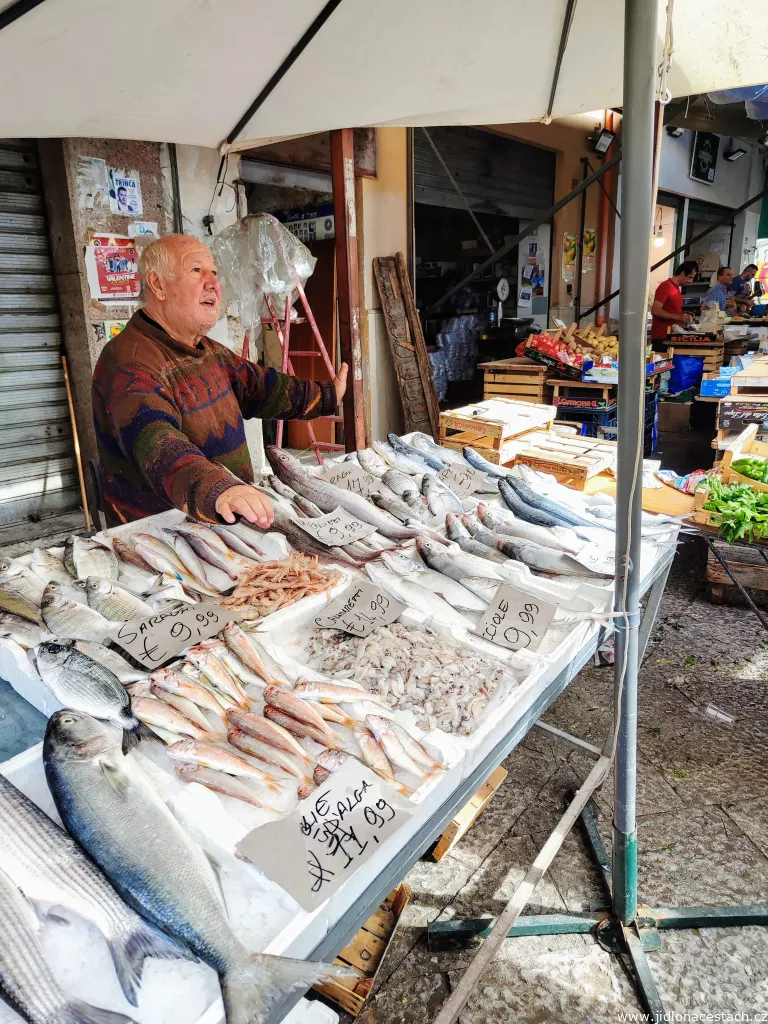
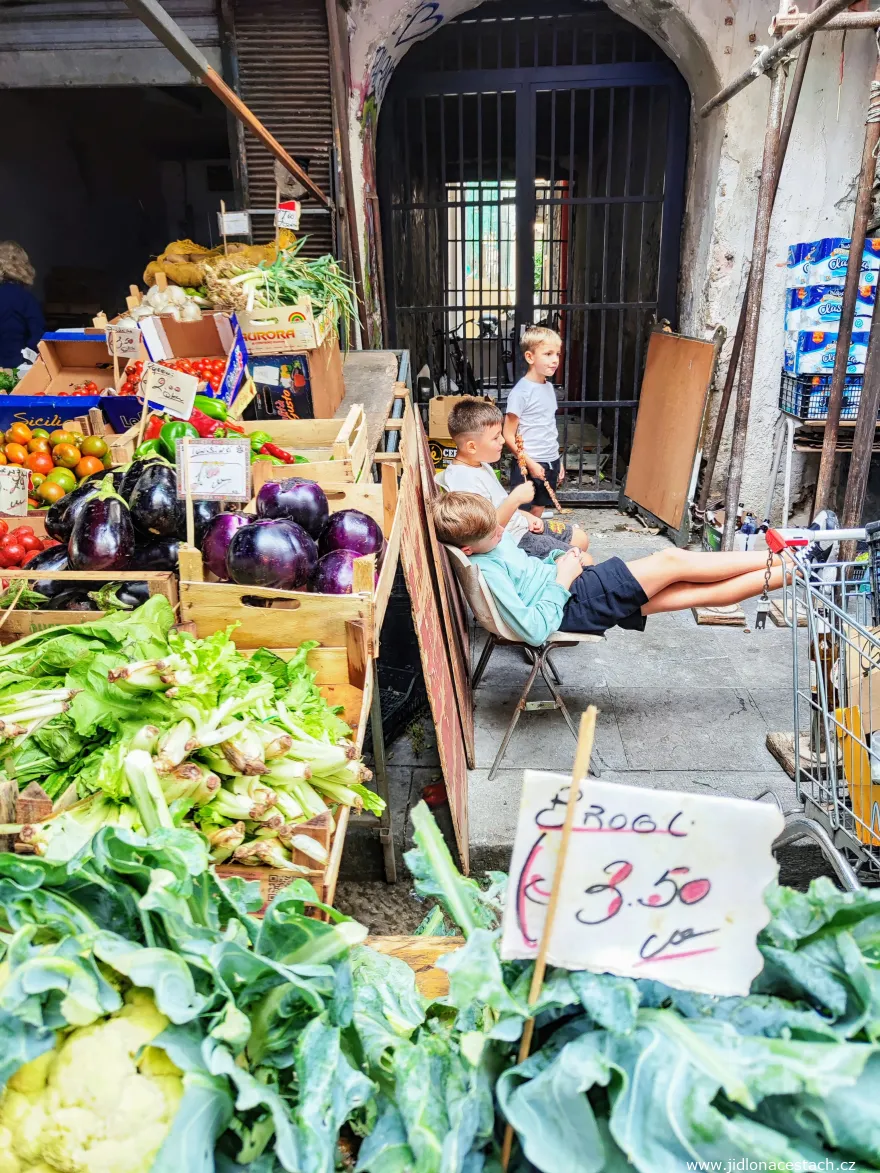
Palermo has three historic markets where people come to shop and to eat. Ballarò is the oldest and biggest of Palermo's three - it probably dates back to the 10th century and Arab rule, and to this day the abbanniata still rings out across it - the singsong calls of the vendors, each with his own like a trademark. I once put together an entire breakfast at the stalls here: raw shrimp peeled right in front of me, a freshly shucked oyster, and baked ricotta with honey and pistachios.
The del Capo market clings to its everyday trade more than the other two. Along with Ballarò it caters to customers rather than to spectators - which is why those two are my favorites.
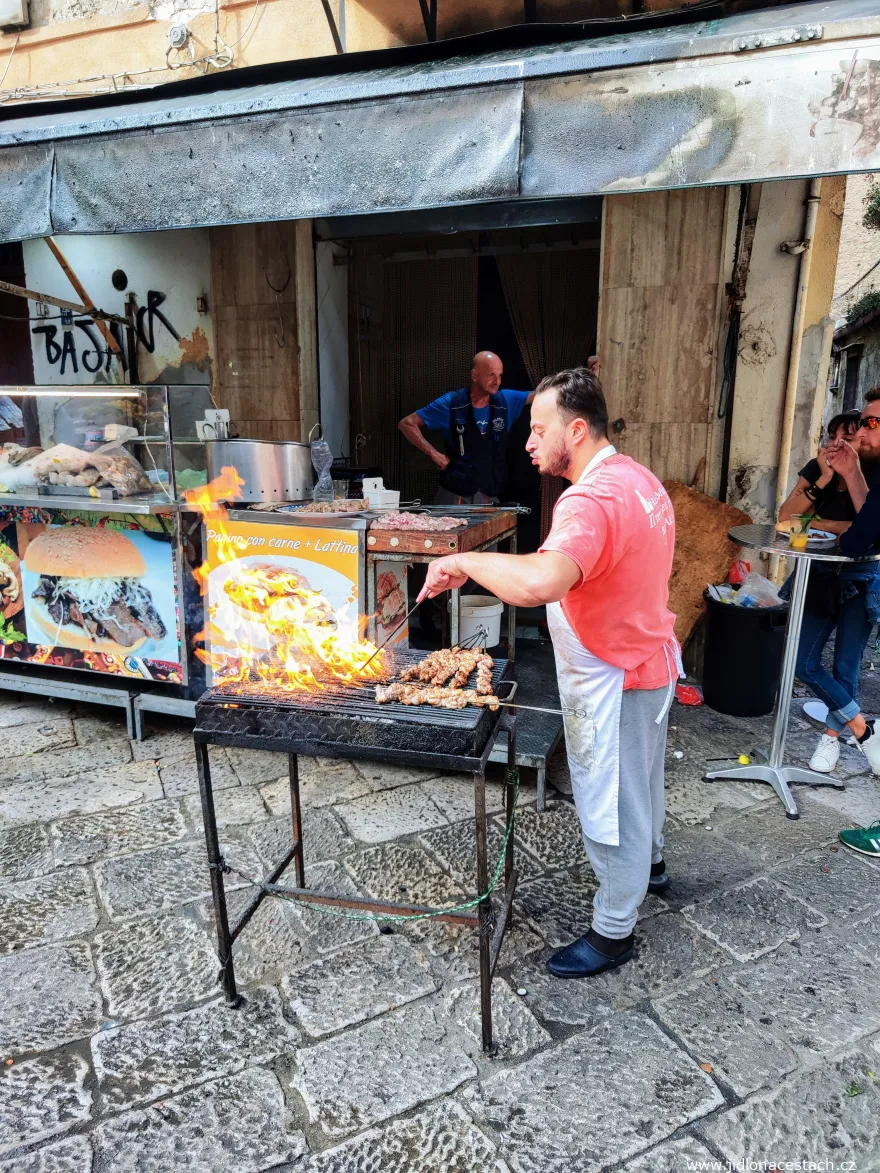
Vucciria is more a memory of a market by day, but after dark it turns into one of the liveliest street food scenes in Italy: the square fills up with little tables and carts selling drinks, stigghiola goes on the grill and the smoke carries across half the neighborhood. Come in the morning if you want to see a market; come in the evening if you want to experience the Vucciria.
What to Eat in Palermo
- Arancine. Deep-fried rice balls with meat ragù or another filling. In Palermo it's strictly arancina - feminine and round like an orange; the pointed arancino belongs to the east of the island, around Etna.
- Cannoli. Crisp fried shells filled with sweetened ricotta cream. Loved all over Sicily, but Palermo's convent pastry shops fill them to order right in front of you.
- Sfincione. A thick, airy leavened bread with tomatoes, onion and anchovies, sold off carts. A purely Palermitan specialty, credited to the San Vito convent.
- Pane e panelle. A sesame mafalda roll with fritters of chickpea flour, often with cazzilli potato croquettes added and a squeeze of lemon. Panelle is what the Arabs left behind in Palermo.
- Pani ca meusa. A vastedda roll filled with veal spleen and lung fried in lard - schietta with nothing but lemon, maritata with cheese on top. A Palermo dish through and through, with roots among the city's kosher butchers.
- Stigghiola. Grilled lamb intestines with just salt and lemon, eaten hot straight off the grill. A Palermo street classic - you'll spot the stigghiularu stall by the smoke.
- Cassata. Sponge cake with ricotta cream, marzipan and candied fruit. Palermo's convents shaped what it is today, even if all of Sicily claims the dessert now.
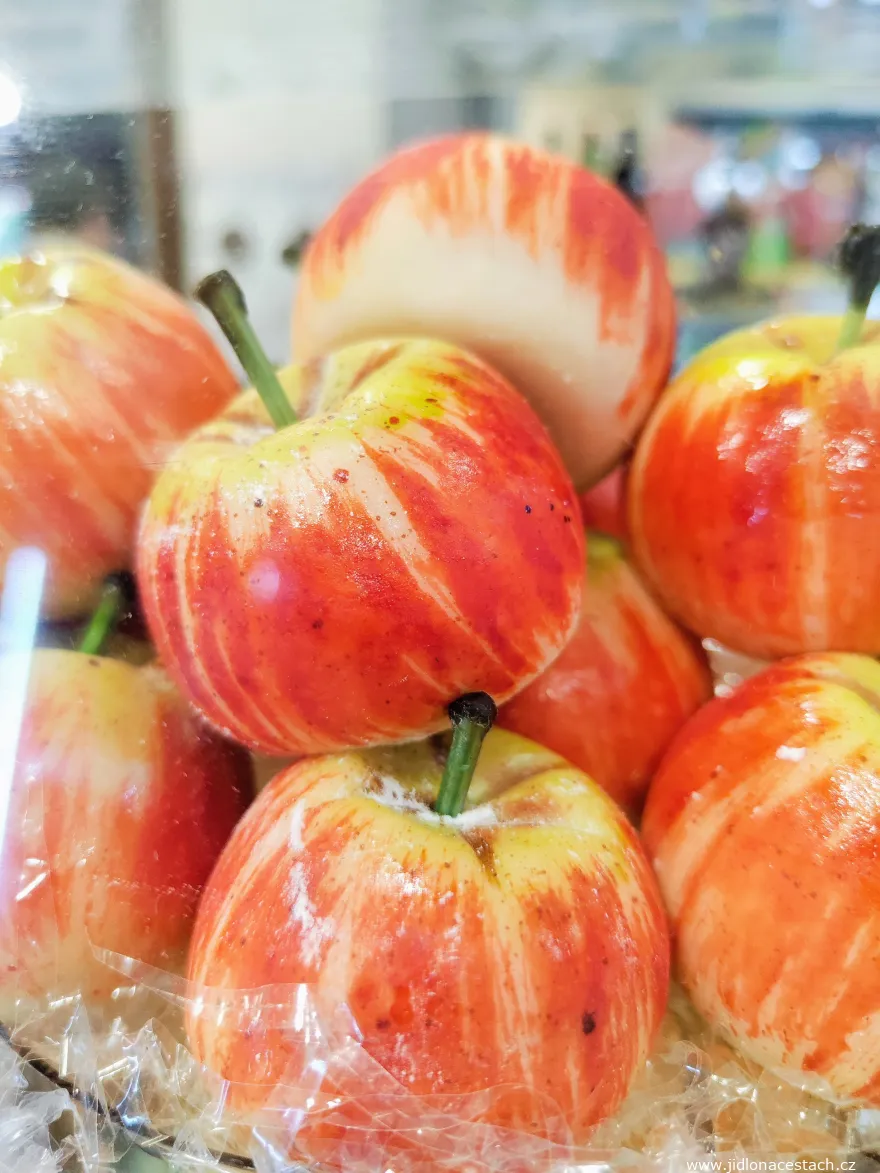
- Frutta martorana. Marzipan fruit you can't tell apart from the real thing, invented by the nuns of the della Martorana convent in Palermo. Traditionally eaten for the feast of the dead at the beginning of November.
- Caponata. A sweet-and-sour appetizer of fried eggplant. It's made all over Sicily, but the Palermo version is the simplest - just eggplant, celery, capers and olives, no peppers like in Catania.
- Sarde a beccafico. Baked sardine rolls stuffed with breadcrumbs, raisins and pine nuts. At the market counters in Palermo they're sold by the piece.
- Involtini di pesce spada. Swordfish rolls stuffed with breadcrumbs. Palermo and Messina argue over where it comes from; the Palermo version leans on raisins and pine nuts.
- … and dozens more Sicilian dishes on the list: What to Eat in Sicily.


Where to Eat in Palermo
- Al Vecchio Club Rosanero. A trattoria with the local club's jerseys and photos of its soccer players on the stone walls and checked cloths on the tables: a vegetarian caponata whose eggplant wasn't bitter in the slightest - I've never had better; and alongside it pasta with sardines or spaghetti with black cuttlefish ink.
- I Segreti del Chiostro. A pastry shop in the Santa Caterina convent just off Piazza Pretoria that bakes to the recipes of the cloistered nuns - they fill the cannoli to order here, and they were the best I've eaten in Italy.
- Pizzeria Timilia. A pizzeria at via Maqueda 221 that makes all its doughs with tumminia, an ancient Sicilian wheat. What comes out of the oven is pizza in teglia - baked in a tray, sold by the piece and by weight, warmed through just before it reaches you.
- Bar Touring. The Genovese family's bar on the corner by the Villa Giulia park: arancina bomba, cannoli and coffee from four in the morning until midnight, and you pay at the register first.
- The sfincione cart by the del Capo market. A small cart with a sign reading Sfincionello bello bello just off the historic market: the vendor warms a piece of sfincione on the griddle on both sides, douses it in oil and scatters oregano over it. The portion is enormous.
- Il Panettiere. A small bakery in the center where, on the morning after a night flight, I once ate my first Sicilian food - cartocci filled with ricotta, sold next to the bread.
- Sfrigola. A chain of bistros that fries its arancine only once you order - you pick a filling, get a slip with a number and wait for yours to come straight out of the fryer.
- Ke Palle. A small place on via Maqueda that does nothing but arancine - a counter and a fryer inside, seating outside at metal tables. The range is wide, but they fry in batches, so not every kind is available at any given moment; my favorite was the cheese one (friarielli, salsiccia, scamorza).
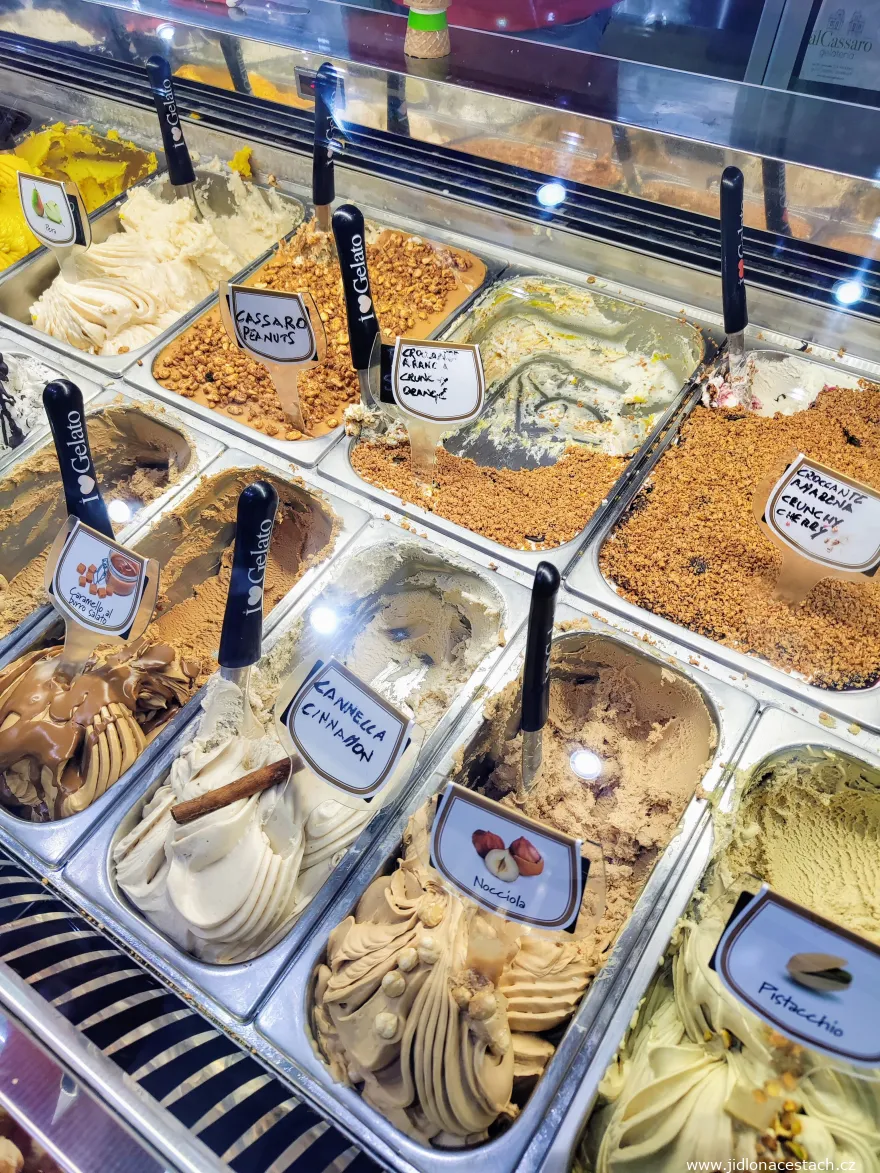
- Gelateria Al Cassaro. Artisanal gelato right on the Cassaro (Via Vittorio Emanuele 214): around thirty flavors including a peanut specialty named after the place, open until midnight.
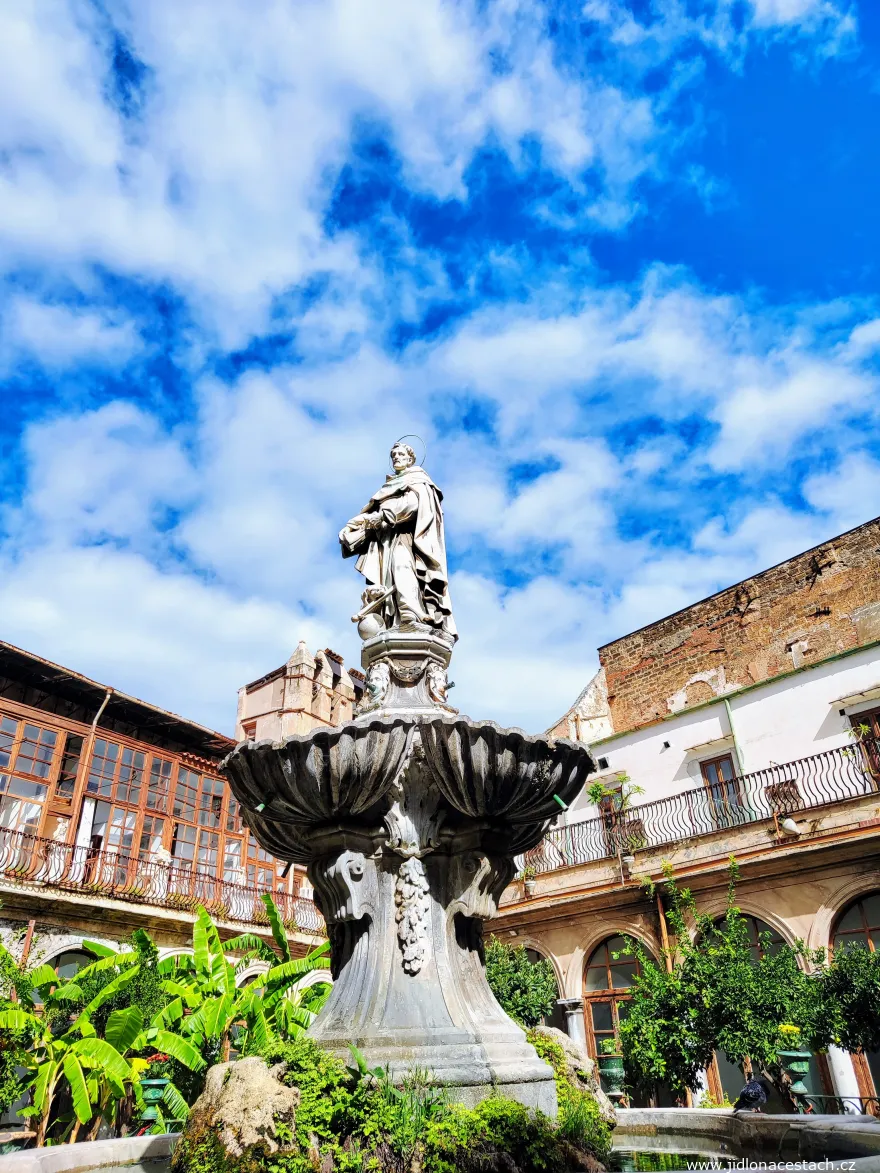
Palermo is loud and a little battered - and there's still something magical about it.
Enjoy eating your way around Palermo!



Pizzeria Timilia: Pizza from an Ancient Wheat in Palermo
Pizzeria Timilia on Palermo's via Maqueda takes its name not from a family but from tumminia, an ancient Sicilian wheat that goes into every dough the place mixes. What it bakes is pizza in teglia: in a tray, sold by the piece and by weight, warmed through just before it reaches you. What that format is, where it came from, and what the two pieces I picked out of the display case cost.

Frutta Martorana: Sicilian Marzipan Fruit
Frutta martorana is Sicilian marzipan fruit and vegetables you can't tell from the real thing from a meter away. They're named after a Palermo convent whose nuns weren't allowed to make them, and on All Souls' Day dead relatives leave them for the children. What the almond paste is made of, why it's softer than the marzipan we know back home, and how to tell hand-painted from spray-painted.

Bar Touring: The Genovese Family's Palermo Bar for Locals
An Italian bar is not a place for a night out but a daytime institution - and Bar Touring, by the Villa Giulia park in Palermo, has been one since 1959. From early morning until midnight the Genovese family sells coffee, cornetti, cannoli and the flagship arancina bomba, all 400 grams of it. Plus a tiramisu that shouldn't have stood a chance in a temple of Sicilian sweets - and won anyway.

Gelateria Al Cassaro: Gelato on the Oldest Street in Palermo
Gelateria Al Cassaro stands on the oldest street in Palermo and carries its old Arabic name - Cassaro, the fortress. The display case rotates through some thirty flavors of gelato, including a peanut specialty named after the shop itself; Gambero Rosso listed it among the best gelaterias in Sicily. It's open until midnight, so gelato here is still an option long after dinner.

Sfrigola Bistro: Arancini Fried to Order in Palermo
Street food you wait for: the Palermo bistro chain Sfrigola fries its arancini only once you've ordered and puts the whole operation behind glass. Who is behind a place named after the sound of sizzling fat, why the arancina is always a woman here, and how my version with porchetta, cheese and pickled porcini tasted.

Sfincione: A Tall Leavened Flatbread from Palermo with Onion and Anchovies
Sfincione is a tall, spongy leavened flatbread from Palermo with slow-cooked onion, tomatoes, anchovies and breadcrumbs with cheese, one that not even the Italians can quite place - somewhere between pizza and focaccia. The name "Sicilian pizza" came from America. Where it comes from, why it originally had no tomatoes and how it tasted from a cart by the del Capo market.

Sarde a Beccafico: Sicilian Sardines Stuffed with Breadcrumbs and Raisins
Sarde a beccafico are Sicilian sardines opened out like a book, stuffed with toasted breadcrumbs, raisins and pine nuts and baked with the tail sticking up, so that they look like the little bird they are named after. Palermo bakes them, Catania fries them with cheese, Messina stews them in tomatoes. I bought mine at the del Capo and Ballarò markets, two pieces for a euro.

Ballarò Market: Where Palermo Eats Breakfast
The oldest and largest of Palermo's historic markets reaches your ears before it reaches your eyes: the vendors hawk their wares in a singsong chant called abbanniata. Panelle sizzle among the stalls, boiled octopus is sliced to order and oysters wait on ice. You can put a whole breakfast together here, from raw shrimp to baked ricotta with honey - all you have to do is walk from stall to stall.

Al Vecchio Club Rosanero Restaurant: A Soccer Trattoria in Palermo
A small trattoria in a side alley off via Maqueda has handed its whole interior over to Palermo's soccer club - and sends out huge portions at prices that are hard to find in the city center. Why a half portion here means a normal one, what the pink and black shirts have to do with the Florio family's liqueurs, and what a seven-dish dinner for two came to?

I Segreti del Chiostro: A Convent Pastry Shop in Palermo
The only clue to the I Segreti del Chiostro pastry shop in Palermo is a sign outside the Santa Caterina convent. Inside, cannoli, cassata and the breasts of Saint Agatha are baked to the recipes of enclosed nuns - sweets that were sold for centuries through a revolving box in the wall. And the pastry comes with a cloister garden and a view from the convent roof.