What to Eat in Sardinia: Typical Sardinian Food and Specialties
Sardinian cooking is the cooking of shepherds, not of fishermen - even though this is an island. For centuries the Sardinians kept to the interior, away from a coast that brought pirates and malaria, and their table shows it: sheep's cheeses, a thin crisp bread that keeps a shepherd going for weeks, suckling pig roasted on a spit, lamb, semolina pasta and honey.
The sea only reaches the plate in the port towns - in Cagliari, in Cabras, in Catalan-speaking Alghero. Sardinia became part of the Italian state through Savoy only in 1720, and for more than three hundred years before that it was held by the Aragonese and the Spanish, so Italian cooking meets Spanish and Catalan here, and something that comes from nowhere else - the Sardinians have their own language, and in it their own names for everything they eat.
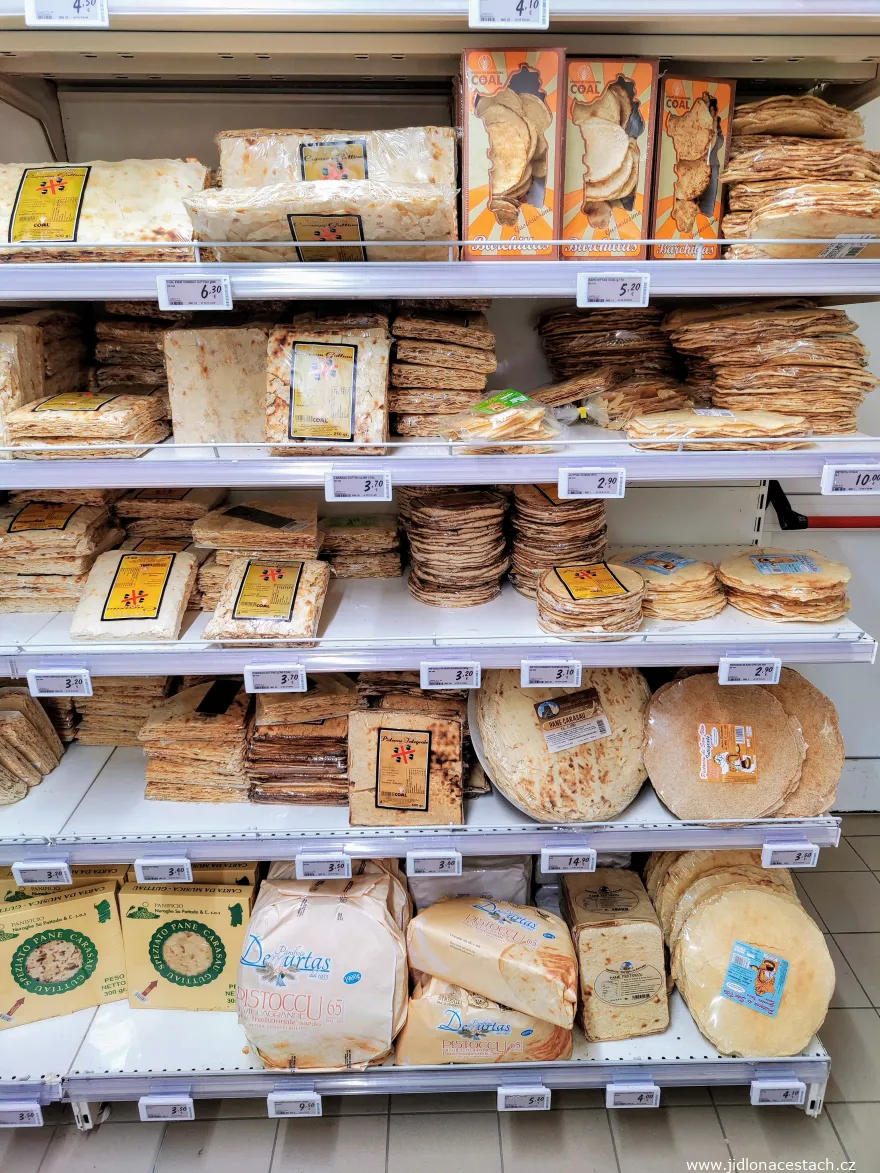
I got to know Sardinian food from the south, from the little town of Villasimius. Costedda, which nobody bakes anywhere but Villasimius, ricotta pardulas, almond gueffus in their fringed paper wrappers, shelves full of pane carasau and pecorino, Sardinian wines from local wineries. It's not a cross-section of the whole island - I'm saving the interior, with its porceddu and culurgiones, for next time.
Not everything you get in Sardinia is Sardinian. Pizza, cornetti with your coffee, gelato and tiramisu aren't originally from here, fainè from Sassari is a Genoese chickpea flatbread, and the couscous from Carloforte was brought over from Tunisia by Ligurians. Pecorino romano, on the other hand, sounds like it comes from Rome, yet more than ninety percent of it is made right here. And where Sicily smells of Arab sugar, citrus and fish, Sardinia smells of smoke off the spit, sheep's cheese and myrtle.
Symbols of Sardinian Cuisine
When Sardinia celebrates, porceddu goes on the fire - a suckling pig of up to seven kilograms, split in half and turned for hours on a spit over charcoal, with myrtle branches under the meat and on top of it. Su porcheddu in Sardinian, porcetto or maialetto in Italian; in Barbagia it also used to be cooked in a pit covered with hot embers (a carraxiu). It is the food of weddings, christenings, Christmas and Easter, and it has made its way onto the menu of every agriturismo in the interior. The skin should be glassy and crisp, the meat falls apart and smells of smoke and myrtle. I never did get to try porceddu down in the south, and it's one of the main reasons I want to get back to Sardinia's mountains.
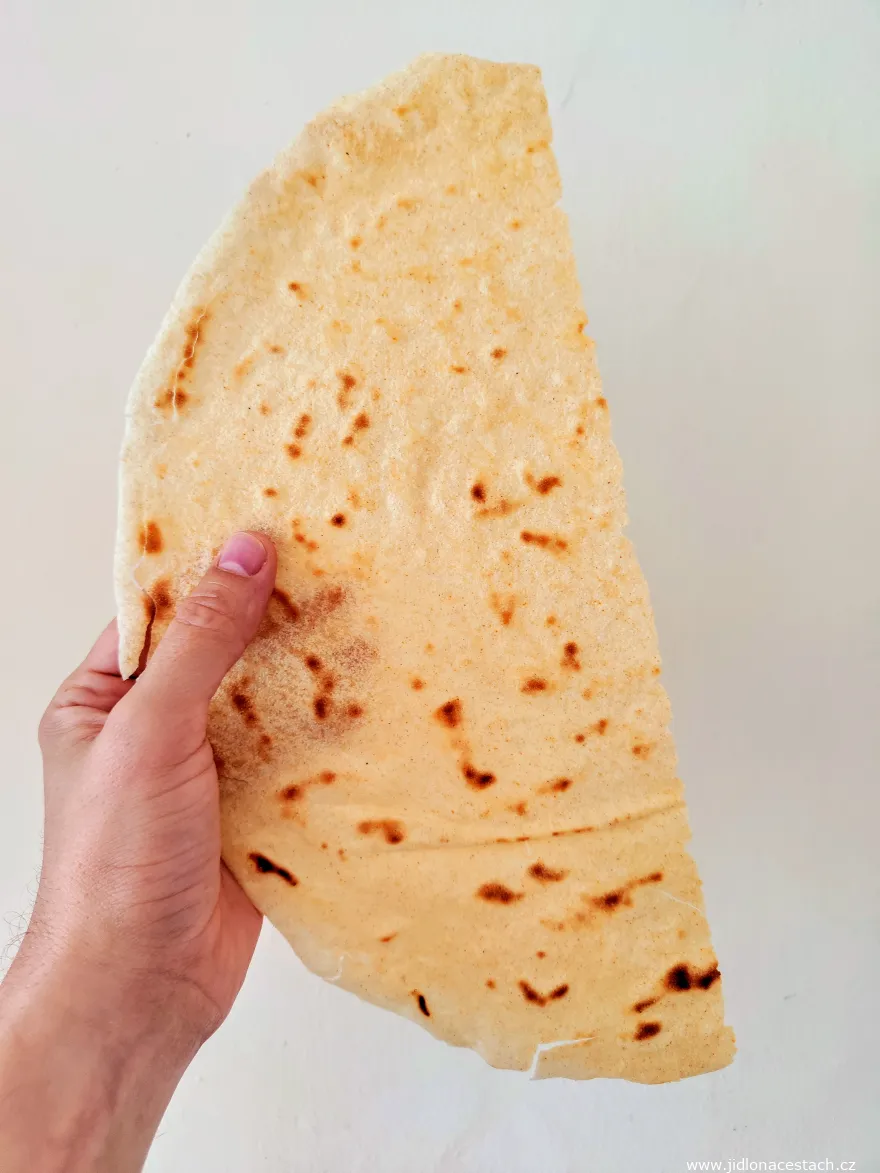
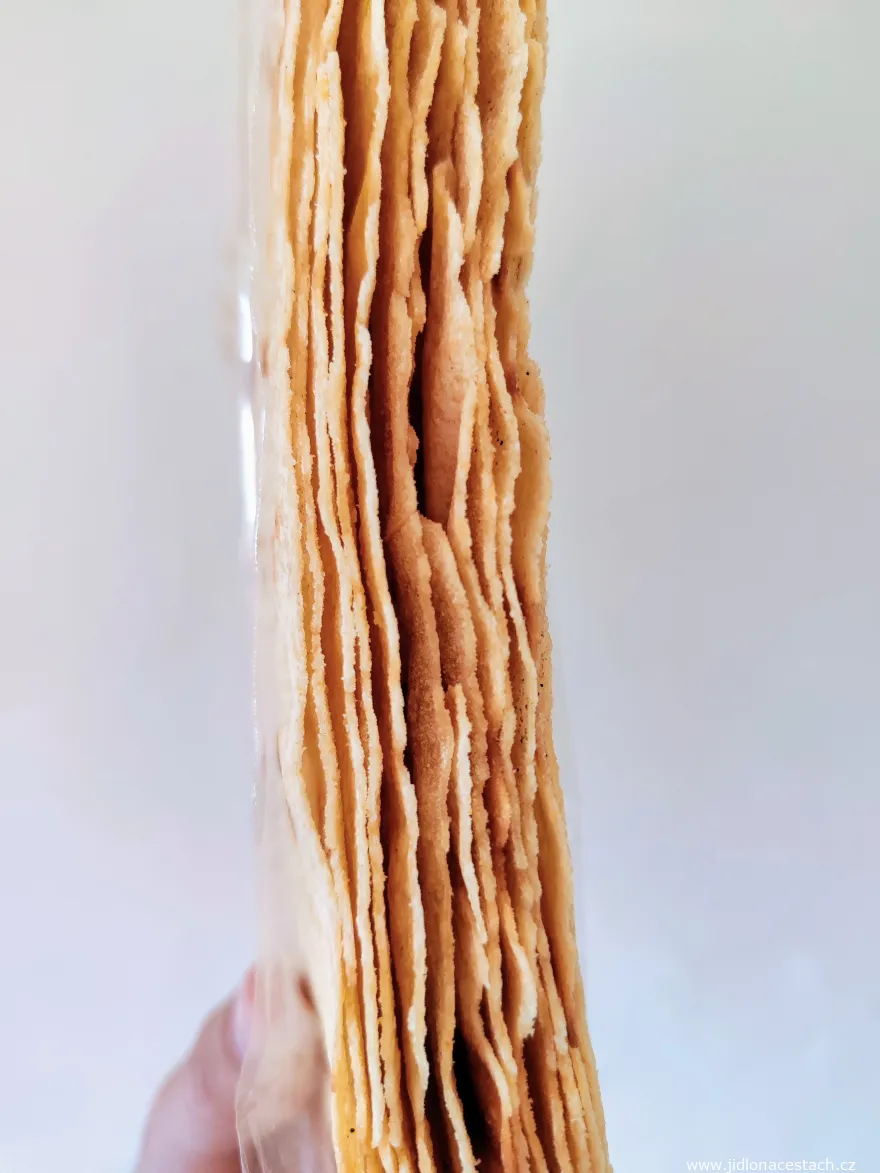
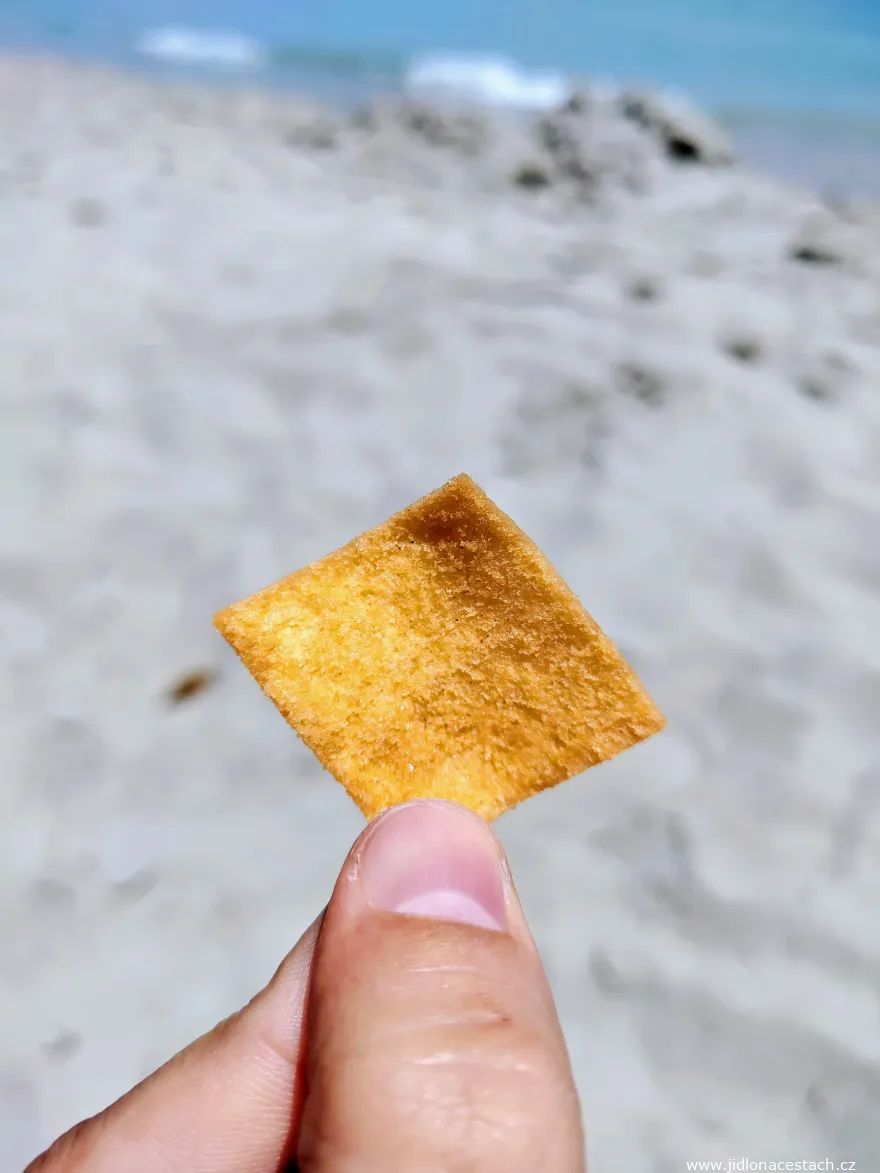
The second symbol is pane carasau, the shepherds' bread of Barbagia. A thin sheet of durum wheat semolina is baked twice: first it puffs up like a balloon, then it is cut into two leaves and those go back into the oven until they are as crisp as glass (carasare means to toast in Sardinian). It keeps for months, which is why shepherds took it out to the pastures for weeks at a time. Outside Sardinia people call it "carta da musica", sheet music - a name Sardinians never use. Brush it with oil, salt it and toast it briefly and it becomes pane guttiau; soak it in hot broth, layer it with tomato sauce and pecorino and top it with a poached egg and it becomes pane frattau, the dish that turns bread into lunch. I kept buying packs of pane carasau and guttiau for the beach and to take home - it's the lightest souvenir you'll ever bring back from Sardinia.
Typical Sardinian Food
Sardinian pasta is made from semolina and water, and every region has its own. Culurgiones from Ogliastra in the east are parcels filled with mashed potato, pecorino and mint, sealed by hand into the shape of an ear of wheat (sa spighitta). Malloreddus (gnocchetti sardi in Italian) are small ridged gnocchi that Campidano in the south serves "alla campidanese" with a ragù of Sardinian sausage, tomatoes and pecorino; the name is a diminutive of malloru, bull. Fregula are little toasted beads of semolina that Cagliari cooks with clams (fregula con arselle) - it is not couscous, however much it looks like it, because it is boiled in water or broth rather than steamed. And then there are rarities like su filindeu from Lula or lorighittas from Morgongiori, the pasta of a single village.
Meat in Sardinia means lamb, suckling pig and mutton - and cheese means pecorino. Agnello di Sardegna IGP is a lamb raised on its mother's milk alone, roasted with potatoes or braised with artichokes; pecora in cappotto is mutton boiled in a "coat" of vegetables, the shepherds' dish of Barbagia; sa cordula is lamb intestines braided into a plait, grilled or stewed with peas. The best known of the cheeses is pecorino sardo DOP (young "dolce" and aged "maturo"), older and wilder is fiore sardo DOP from raw sheep's milk, lightly smoked and most at home in Gavoi; in Montiferru they make casizolu, a cow's milk cheese stretched in boiling water like caciocavallo, and ricotta mustia is smoked sheep's ricotta. Casu marzu, the cheese with live maggots in it, does exist - but it may not be sold, so do not expect it in a restaurant.
Fish and seafood belong to the coastal towns, and each one has its own. Cagliari has fregula with clams, burrida (small catshark marinated in a sauce of walnuts and vinegar), fried sea anemones called orziadas and, in winter, spaghetti with sea urchins. The lagoon at Cabras in the west gives Italy its most prized bottarga - salted and dried grey mullet roe, grated over spaghetti - and eel roasted on a spit. Alghero in the northwest speaks Catalan and eats aragosta alla catalana, spiny lobster with tomatoes and onion, brought here by Catalan settlers in the 14th century. And Carloforte on the islet of San Pietro fishes for tuna and cooks cascà couscous, because its people are descended from Genoese who spent two centuries in Tunisia.
Sweet things in Sardinia mean almonds, honey and feast days. Seadas, a big fried parcel filled with fresh sheep's cheese and drizzled with honey, started out as the shepherds' main course rather than a dessert. Pardulas are Easter baskets of ricotta with saffron, gueffus almond balls for weddings, papassini biscuits with raisins and sapa grape syrup for All Souls' Day, and torrone from Tonara a nougat of honey and almonds without a grain of sugar. Sugar and butter were a long time coming here, so Sardinian confectionery rests on whatever the pasture and the garden gave.

What to Eat in Sardinia
- Porceddu. A suckling pig roasted whole for hours on a spit over embers with myrtle, su porcheddu in Sardinian. The festive dish of the whole island, best in the interior; it is not a cheese, whatever some websites claim.
- Pane carasau. Thin twice-baked semolina bread that keeps for months. The shepherds' bread of Barbagia, on every Sardinian table; with oil and salt it is guttiau, in broth with tomatoes, pecorino and egg it is frattau.
- Culurgiones. Parcels filled with mashed potato, pecorino and mint, sealed by hand into the shape of an ear of wheat, served in tomato sauce or with nothing but oil. At home in Ogliastra in the east (Culurgionis d'Ogliastra IGP), with versions cooked elsewhere in the interior too.
- Malloreddus alla campidanese. Small ridged semolina gnocchi with a ragù of Sardinian sausage, tomatoes, saffron and pecorino. From Campidano in the south, the most widespread pasta on the island - Italians call them gnocchetti sardi.
- Fregula con arselle. Toasted semolina beads cooked with clams and tomatoes. The dish of Cagliari and the southern coast; the resemblance to couscous stops at the shape.
- Seadas. A big fried parcel of thin dough filled with fresh sheep's cheese and lemon zest, drizzled with honey - best of all the bitter strawberry-tree kind. It began as a filling shepherds' course in the mountains of Ogliastra and Barbagia, and today you get it as a dessert all over the island; depending on the region it is also spelled sebadas.
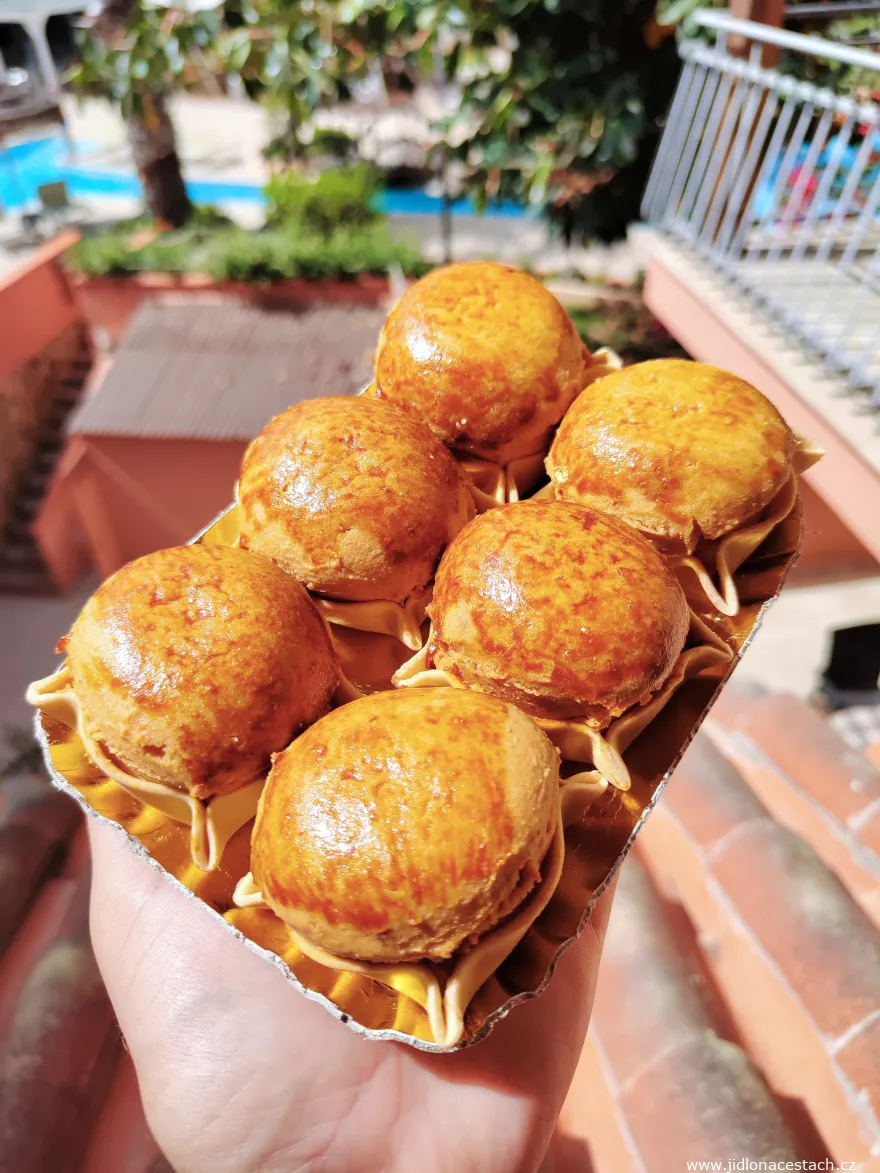
- Pardulas. Baskets of pinched dough filled with ricotta, saffron and citrus zest, baked golden. The Easter pastry of the south (in the north casadinas are made with fresh cheese instead), though bakeries sell them all year.
- Zuppa gallurese. Not a soup at all: layers of stale bread soaked in meat broth, layered with cheese and baked until golden. The wedding dish of Gallura in the northeast, suppa cuata in Sardinian.
- Su filindeu. The rarest pasta in the world - dough pulled into hundreds of threads, dried on a frame and boiled in sheep's broth with cheese. Only a handful of women from Lula near Nuoro can make it, and it is eaten at the pilgrimage to San Francesco di Lula.
- Lorighittas. Little rings twisted from two strands of dough, hours of handwork for a single kilogram. They are made only in Morgongiori below Mount Arci and named after the Sardinian word for a ring.
- Panada. A closed pie of lard pastry filled with lamb, pork or eel and potatoes. At home in Assemini near Cagliari (with eel from the lagoon), in Oschiri and in Cuglieri; the Balearics and the Spanish empanadas know related pies.
- Costedda. A tall focaccia in which the juice of crushed tomatoes does the work of water, with an onion version as well. It is baked practically only in Villasimius in the southeast - nowhere else in Sardinia has heard of it.
- Bottarga di muggine. Salted and dried grey mullet roe, sliced or grated over spaghetti. The best comes from the lagoon at Cabras in the west, where only a few producers make it; Carloforte knows bottarga from tuna.
- Burrida a sa casteddaia. Slices of gattuccio, a small catshark, boiled and then marinated for two days in a sauce of its own liver, walnuts, garlic and vinegar, served cold as a starter. A dish of Cagliari (Casteddu in Sardinian) with a Provençal-Genoese pedigree.
- Aragosta alla catalana. Boiled spiny lobster with tomatoes, onion and a lemon emulsion. The symbol of Alghero, where Catalan has been spoken since the 14th century - the dish is Catalan by origin and Sardinian in its ingredients.
- Orziadas. Sea anemones rolled in semolina and fried, with nothing but lemon. A starter of the fishing towns of the south and west, mainly around Cagliari and Oristano.
- Sa cordula. Lamb or kid intestines and stomach braided into a plait, roasted on a spit or stewed with peas. The shepherds' Christmas and Easter dish across the whole island.
- Agnello di Sardegna IGP. A lamb raised on its mother's milk alone, roasted with potatoes or braised with artichokes; mutton boiled with vegetables is pecora in cappotto from Barbagia. The backbone of shepherd cooking across the island.
- Pecorino sardo DOP and fiore sardo DOP. Two sheep's cheeses not to be mixed up: pecorino sardo is younger and milder, fiore sardo is made from raw milk, lightly smoked and sharp, most at home in Gavoi in Barbagia. Sardinia has more sheep than people and you can taste it in the cheese.
- Casizolu. A pear-shaped cow's milk cheese stretched in boiling water, from the milk of the red sardo-modicana cows, protected by Slow Food. An exception on an island of sheep, made in only five villages of Montiferru in the west.
- Casu marzu. Pecorino in which the cheese fly lays its maggots and they break it down from the inside into a creamy paste; the Guinness book lists it as the most dangerous cheese in the world. Selling it is banned and it is made at home in the countryside - you will not get it legally in a restaurant.
- Carciofo spinoso di Sardegna DOP. A spiny artichoke eaten raw in slices with oil and pecorino, or braised with lamb. It grows all over the island, mostly in Campidano.
- Zafferano di Sardegna DOP. Saffron from San Gavino Monreale, Turri and Villanovafranca in Medio Campidano, which colors malloreddus, pardulas and Villacidro liqueur. They say it has grown here since Phoenician times, and it has held protected status since 2009.
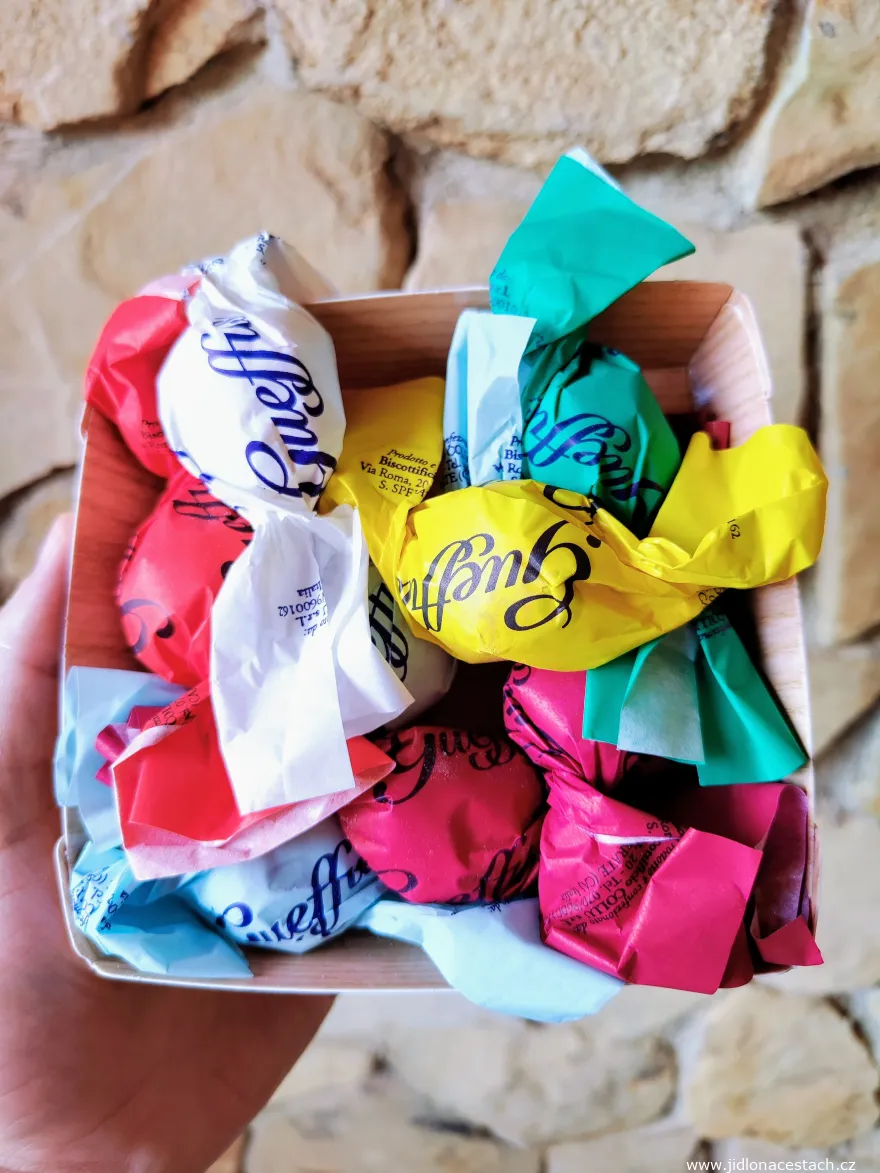
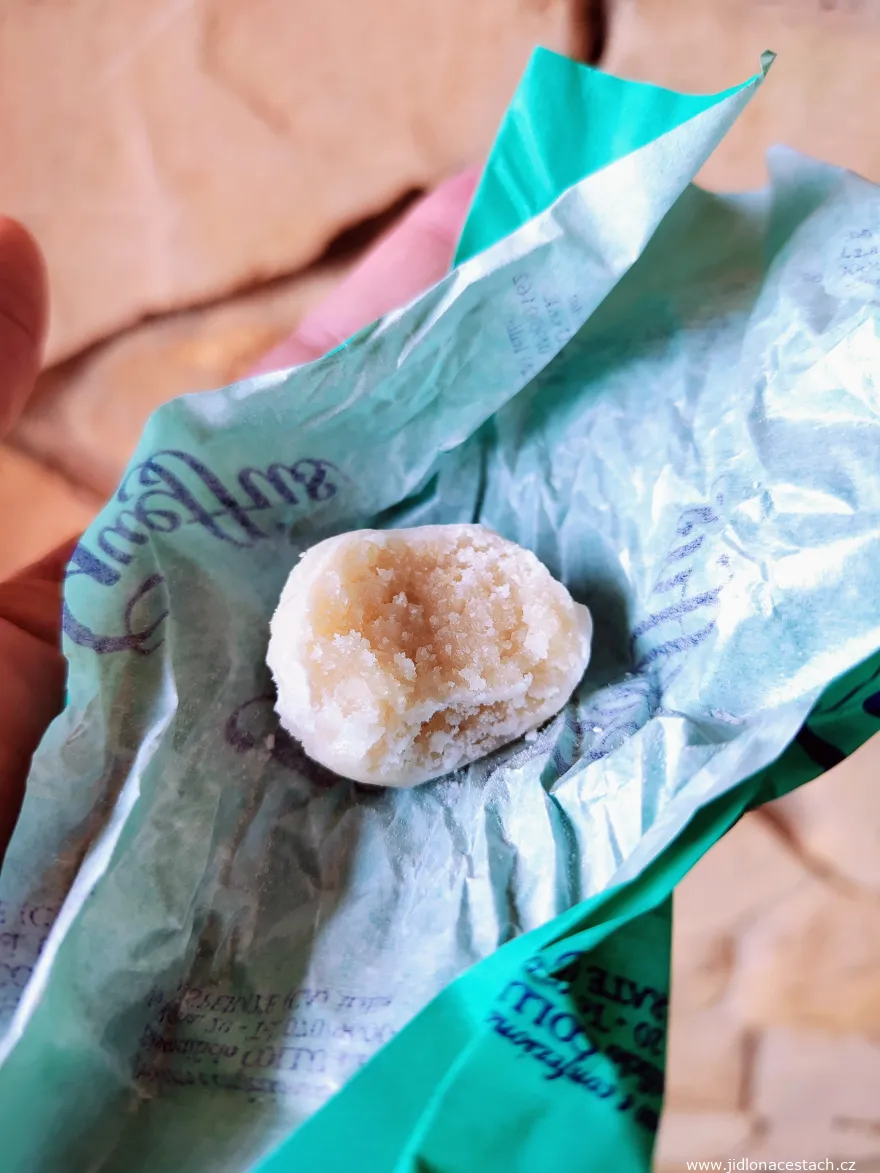
- Gueffus. Soft balls of ground almonds, sugar and lemon, rolled in sugar and wrapped in fringed papers. The wedding and christening sweet of the whole island; the name most likely comes from the Spanish huevos, eggs.
- Amaretti sardi. Soft almond cookies with a share of bitter almonds, which gives them that typical tart note. All of Italy knows amaretti, but the Sardinian ones are given as a present on feast days and drunk with Malvasia from Bosa.
- Papassini. Diamonds of shortcrust pastry with raisins (papassa in Sardinian), almonds and walnuts, made with sapa in the south and with fennel and citrus zest in the north. The All Souls' Day sweet, these days baked year round.
- Torrone di Tonara. Nougat of honey, egg whites, almonds, walnuts and hazelnuts without a pinch of sugar, stirred for hours in a copper cauldron over a fire of holly wood. From Tonara in Barbagia, where it has a festival of its own on Easter Monday.
- Sospiri di Ozieri. "Sighs" - almond balls with orange blossom water coated in white icing, wrapped in fringed paper like gueffus. The wedding sweet of Ozieri in Logudoro, originally from a convent.
- Miele di corbezzolo, sapa and abbamele. Three Sardinian sweeteners: the bitter strawberry-tree honey, which is harvested in such quantities nowhere else, the grape syrup sapa, and abbamele - a thick paste of boiled-down honeycombs with citrus zest. They stood in for sugar, and Sardinian sweets still rest on them today.
- Pompia. A knobbly citrus that grows only around Siniscola in the northeast and that botanists still cannot classify; the candied "sa pompia intrea" is protected by Slow Food. It is turned into a liqueur as well.
- Fainè. A chickpea flatbread baked in a wood oven, cut up and peppered, in Sassari also with onion or sausage. Sardinia shares it with Liguria - it is the Genoese farinata, brought here by Genoese merchants.
- Cascà. Couscous with vegetables and spices, no meat and no fish, from Carloforte on the island of San Pietro. It is cooked by the descendants of Genoese who spent two centuries on the Tunisian islet of Tabarka - Sardinia shares it with Liguria and with Tunisia.
- Pecorino romano DOP. A hard salty sheep's cheese that sounds like it comes from Rome, though over ninety percent of it is made in Sardinia, where production moved at the end of the 19th century. Shared with Lazio on paper, Sardinian in practice.
- … and dozens more Italian dishes from the list: What to Eat in Italy.
Typical Sardinian Drinks
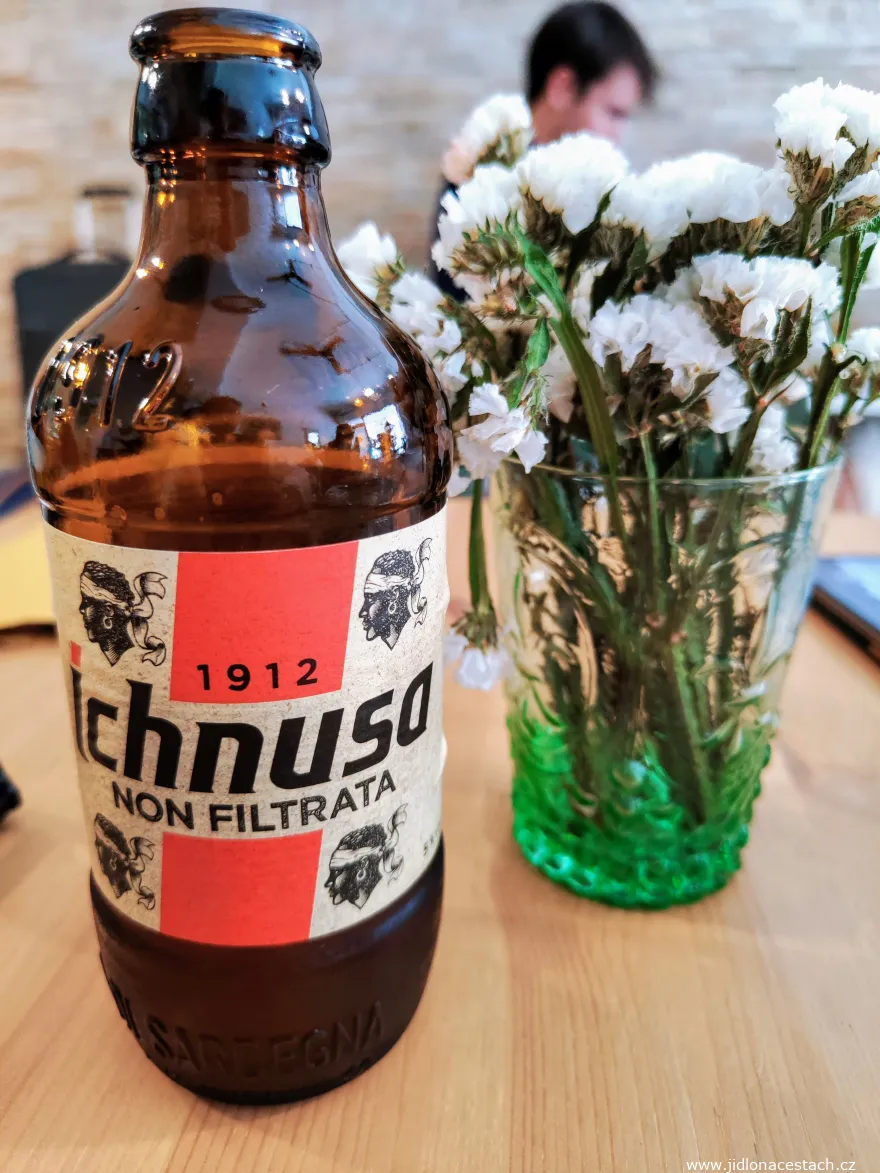
Coffee in Sardinia is Italian - espresso at the bar, cappuccino before noon - and there is nothing Sardinian about it. The beer is another matter: Ichnusa, a brewery founded in Cagliari in 1912 and based in Assemini since 1967, may belong to Heineken, but it carries the four Moors of the Sardinian flag on the label and Sardinians count it as their own; the name is the Greek word for the island, "footprint". The unfiltered version (Ichnusa Non Filtrata) has been on the market since 2017, and in the thirty-degree heat of Cagliari it went over really well with a pizza. If you want to go further, there's the Barley craft brewery in Maracalagonis near Cagliari, whose BB10 imperial stout is sweetened with sapa made from Cannonau grapes.
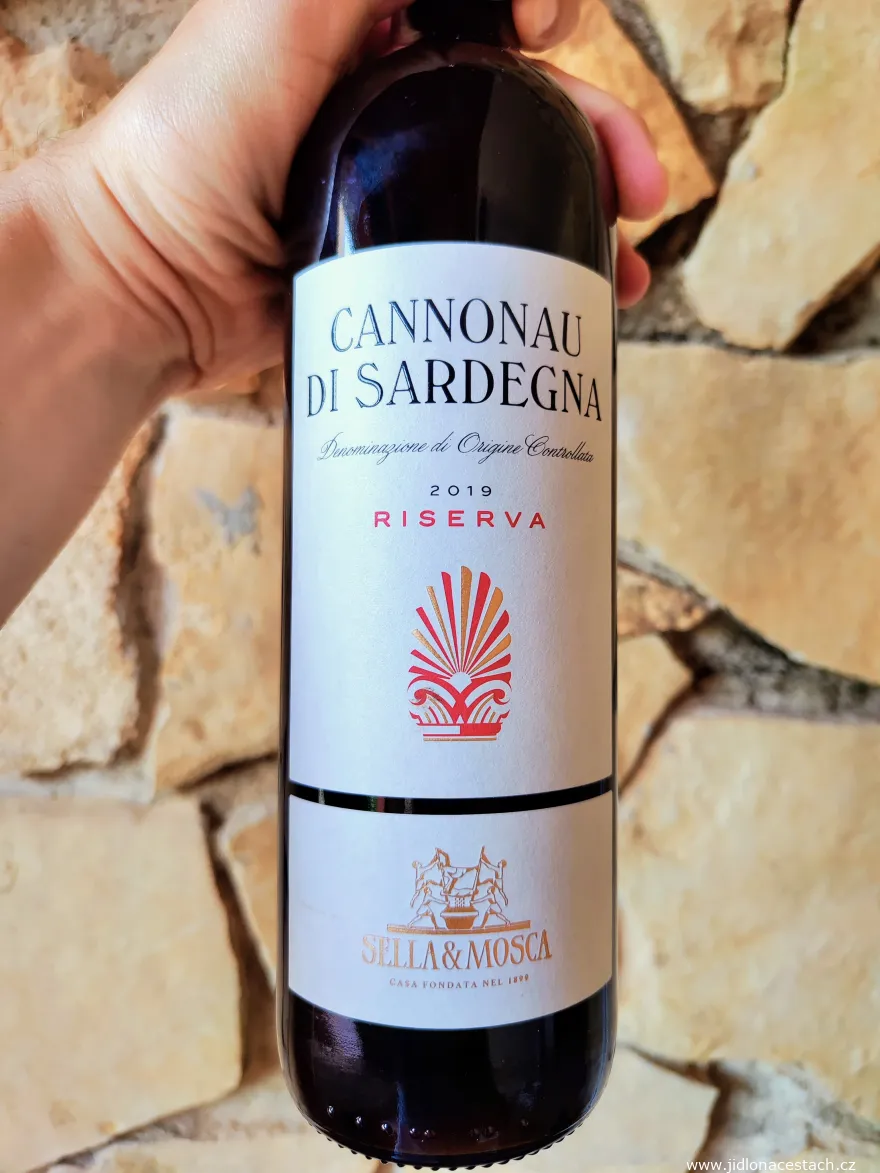
Sardinian wines are easy: white Vermentino, red Cannonau; every supermarket is full of bottles from local wineries. Vermentino di Gallura from the granite slopes of the northeast is the only Sardinian wine with DOCG status (since 1996), while Vermentino di Sardegna DOC is grown all over the island - and Costamolino from the Argiolas winery in Serdiana was my favorite of all the bottles we opened in Sardinia: fresh and easy to drink, a wine for every evening. The variety is not Sardinian at all; it most likely came from Spain through Corsica and Liguria as late as the 19th century. Cannonau di Sardegna is the same grape as Grenache, covers roughly a third of Sardinian vineyards, and Sardinians argue over whether the Aragonese brought it or whether it grew here before them (grape pips 3,200 years old have been found near Cabras and at Borore); the most famous is Nepente di Oliena from Barbagia, named by the poet D'Annunzio. Among the rest: Carignano del Sulcis from the sandy vineyards of the southwest, where the vines grow on their own roots because phylloxera cannot survive in sand; Vernaccia di Oristano, an oxidative wine aged under a film of yeast like sherry, the first Sardinian DOC back in 1971; the sweet Malvasia di Bosa from seven villages around Bosa, and Moscato di Sardegna, which, well chilled, I liked enough to buy again.
After the meal comes mirto. Mirto di Sardegna is a liqueur made from myrtle berries, which grow wild in winter throughout the macchia (the Mediterranean scrub), are steeped in spirit and sweetened; it runs around 30% and is drunk ice cold, from glasses kept in the freezer, often on the house. The name is protected, though neighboring Corsica makes a myrtle liqueur too. I was expecting something like Becherovka, the Czech herbal liqueur, and got a gentler drink, less sweet and less bitter, with something sage-like at the finish. Stronger is filu 'e ferru ("wire"), a brandy distilled from grape pomace at over 40% alcohol, named after the wire that in the second half of the 19th century marked the spot where a demijohn of illicitly distilled spirit lay buried, so that the taxman would not find it - in Barbagia and Gallura they call it abbardente. Add to that the saffron liqueur Villacidro from 1882, and liqueurs from pompia (the rare Sardinian citrus with a thick knobbly skin) and from the fruit of the strawberry tree (a shrub with red berries that look like strawberries).

The Best Sardinian Food
If I had to pick three personal favorites, then the best Sardinian food for me is:
- Costedda. The onion costedda from the Frau bakery in Villasimius - a crumbly dough that fell apart in my hand, sweet onion caramelized on top, and nothing heavy about any of it. The tomato version is the classic one, but the onion was the runaway winner for me. Something you won't find anywhere else in Sardinia.
- Culurgiones. Mashed potato, pecorino and mint sealed into dough shaped like an ear of wheat - on paper it sounds odd, on the plate it works: the mint doesn't take over, it just freshens things up, the cheese brings the salt, the dough holds up, and the tomato sauce ties it all together. Of all the Sardinian pastas, this is the one I look forward to most.
- Pardulas. Ricotta baskets from the Corronca bakery in San Sperate - a delicate filling with saffron and citrus zest, thin dough pinched into a star. Half a dozen disappear before you make it back to the beach.

How to Enjoy Sardinian Food to the Fullest
- Head inland for the food. The coast is touristy and the menus there could be from anywhere in Italy; porceddu, culurgiones, pane frattau and seadas are at home in Barbagia, Ogliastra and Logudoro, where the agriturismi serve a shepherds' lunch of many courses.
- Shop in bakeries and supermarkets. The panificio makes costedda, pardulas and bread, the biscottificio gueffus and amaretti, and even an ordinary Conad or Crai has a shelf of Sardinian wines from Argiolas, Sella & Mosca or Santadi. That is how I ate most of the week in the south of the island, and I have no regrets.
- Expect places to be closed. Plenty of restaurants shut on Sunday and Monday - in Cagliari that landed us in the little five-table Cerere pizzeria, where the owner baked us a pizza Sarda with pecorino and Sardinian sausage and his wife did the serving. Without a reservation you need luck.
- Take bread to the beach. A pack of pane guttiau or cuscinetti croccanti with pecorino survives a whole day in a bag, weighs next to nothing, and tastes better in the sand than anything from the beach bar. And you can carry pane carasau home as well - it keeps for months.
- Do not expect anyone to serve you casu marzu. The maggot cheese may not be sold and you will not get it legally in a restaurant; anyone who offers it to you is doing it off the books. You can get the rest of the Sardinian cheeses - pecorino sardo, fiore sardo, casizolu, ricotta mustia - without any trouble, of course.
- Match the sweets to the feast day. Pardulas at Easter, papassini for All Souls' Day, gueffus and candelaus from a wedding, torrone from Tonara over the Easter weekend - Sardinian baking runs on a calendar. You can buy most of it all year, though - that's how I got gueffus from Collu and pardulas from Corronca, two bakeries in one village, San Sperate.
- Finish with a mirto. Ice cold, out of the freezer, no ice; in a restaurant it often arrives unordered, on the house. And buy your bottle on the spot - outside Sardinia mirto is hard to come by, and berries picked in the Sardinian macchia are a condition of the protected name.
How to Say Thank You for Sardinian Food
The Italian "grazie" (GRAHT-see-eh) - thank you and "grazie mille" - a thousand thanks work everywhere; in Sardinian it is "gràtzias" (GRAH-tsee-as) - thank you, which sounds almost Spanish - no coincidence after three hundred years of Spanish rule. Before a meal people wish you "buon appetito" - bon appétit, and you ask for the bill with "il conto, per favore" - the bill, please. At a toast you will hear the Italian "salute" or "cin cin" - cheers, while the Sardinian one is "a chent'annos" (ah kent-AHN-nos) - to a hundred years: a wish for a long life, said at birthdays and name days too, and on an island where Ogliastra has a record number of male centenarians it is meant seriously. Sardinian is a language with its own articles, su and sa (su porcheddu, sa fregula), and you'll see it on menus more often than you'll hear it - in the south the waiter will speak Italian to you.
Regional Sardinian Cuisine and Specialties
Cagliari and Campidano
The capital eats from the sea and from the plain behind it. In the morning at the covered San Benedetto market, one of the largest in Italy, you buy clams for fregula, gattuccio for burrida and sea urchins in winter; in the evening you order malloreddus alla campidanese, the pasta Campidano gave to the whole island. Around the city lies a belt of villages, each of them good at something: Assemini at panada with eel and the Ichnusa brewery, San Sperate at gueffus and pardulas from the Collu and Corronca bakeries, Serdiana at Argiolas wine, San Gavino Monreale at saffron; on 1 May a procession walks from Cagliari to Nora in honor of Saint Efisio, unbroken since 1657. I spent only one afternoon in Cagliari on the way home - enough for a pizza Sarda with pecorino and an Ichnusa; for fregula with clams I have to come back.
Villasimius and the southeast
Sarrabus in the southeast is a land of beaches, but it also has one specialty you will not find anywhere else on the island: costedda, the focaccia made with tomato juice, baked by the Frau bakery in Villasimius. That is where I spent most of my Sardinian trip: costedda, cornetti with pistachio cream (an Italian breakfast, not a Sardinian one, but the pistachio one won me over), pane carasau for the beach and a bottle of Sardinian wine with dinner. Further along the coast lie Costa Rei and the vineyards of Capo Ferrato, one of the three Cannonau subzones.
Sulcis, Iglesiente and Carloforte
The southwest is a land of mines, sand and Genoese. On the sandy vineyards around Santadi, Carignano grows on its own roots because phylloxera can't get a hold in sand, and the Santadi cooperative winery turns it into wines that get written about across Italy. On the island of San Pietro lies Carloforte, where the descendants of Genoese fishermen from Tabarka in Tunisia resettled in 1738 - they still speak Ligurian, fish for tuna (at the turn of May and June they celebrate Girotonno) and cook cascà, the couscous with vegetables and spices and no meat or fish that they brought with them from Africa. The only Sardinian thing here is the sea.
Oristano, Cabras and Montiferru
The west of the island lives off its lagoon. Grey mullet has been fished in the Stagno di Cabras since the 14th century, and its roe becomes the most prized bottarga in Italy - only a few hundred kilograms a year, much of it going to Japan - along with the eels they roast here on a spit; sa merca, mullet boiled in glasswort leaves, is a dish made nowhere else. The oldest Sardinian winery, Contini, founded in 1898, keeps Vernaccia di Oristano going here, an oxidative wine that ages for years under a film of yeast like a dry sherry. In the Montiferru mountains beyond Cuglieri women still stretch casizolu by hand from the milk of the red cows, and in Santu Lussurgiu filu 'e ferru was distilled in forty stills in the 19th century. Bosa has its sweet Malvasia, Morgongiori its lorighittas, and Oristano the Sartiglia, a carnival riding tournament documented since the middle of the 16th century.
Nuoro, Barbagia and Ogliastra
Everything the shepherds gave Sardinian cooking comes from the interior. Pane carasau from the villages around Nuoro, fiore sardo from Gavoi, porceddu from the spits of Barbagia, seadas from the mountains between Dorgali and Urzulei, torrone from Tonara, aranzada from Nuoro, the Cannonau Nepente from Oliena that the poet D'Annunzio named after Homer's drink of forgetting, and in Lula a few women of the Abraini family pull su filindeu for the pilgrims to San Francesco. From September to December the villages of Barbagia open their courtyards at weekends (Autunno in Barbagia, Cortes Apertas), Orgosolo has its political murals and Mamoiada its carnival mamuthones in black wooden masks and sheepskins, hung with bells. Ogliastra on the east coast gave the world culurgiones and is one of the planet's five "blue zones": Villagrande Strisaili has a record share of male centenarians, and a diet of carasau bread, pecorino, pulses, vegetables and a glass of Cannonau is one of the reasons people point to - even if the wine alone will not be the answer.
Gallura, Costa Smeralda and the north
Granite, cork and the most expensive beaches in Italy. Costa Smeralda was dreamed up by the Aga Khan in 1962 and the food in Porto Cervo matches it - four of Sardinia's five Michelin stars shine in Gallura. Underneath it, though, the old Gallurese cooking lives on: zuppa gallurese, bread soaked in broth and baked with cheese, served at weddings, the sweet ravioli li pulilgioni with ricotta and lemon zest, and Vermentino di Gallura, the only Sardinian DOCG, from the granite slopes around Tempio and Calangianus, the capital of Italian cork. At Luras by Lake Liscia stands the S'Ozzastru olive tree, almost four thousand years old according to the University of Sassari.
Sassari, Alghero and Logudoro
Sassari, the island's second city, eats fainè - the chickpea flatbread brought here by Genoese merchants - and favata of broad beans and pork at carnival; in May thousands walk through the town in the costumes of the whole island for the Cavalcata Sarda. Alghero on the coast was taken by the Aragonese in 1354, who drove out the inhabitants and replaced them with Catalan families, and the town speaks Catalan and eats aragosta alla catalana to this day; the Sella & Mosca winery has been rescuing the old Torbato variety here since 1899, a grape grown almost nowhere else. Ozieri in Logudoro has its soft spianata, its panada and the wedding sospiri from a convent, and in the hills around Osilo they age a pecorino protected by Slow Food.

Famous Sardinian Chefs
- Luigi Pomata. A native of Carloforte, the "chef del tonno" Italians know from the TV show La Prova del Cuoco. He runs the Luigi Pomata restaurant in Cagliari and the family place Da Nicolò in Carloforte, where his family has been cooking for three generations; he built his cooking around tuna from the Carloforte tonnara and worked out how to vacuum-pack it so that it is available all year.
- Roberto Petza (1968). From San Gavino Monreale, saffron country. He won a Michelin star with the S'Apposentu restaurant in Cagliari and won it again after moving to a villa in Siddi in Marmilla, where he also ran a cooking academy; his cooking relies on the ingredients of the Sardinian countryside, from saffron to pecorino.
- Francesco Stara. Chef of the Fradis Minoris restaurant in the Nora lagoon near Pula, which doubles as a fishing "ittiturismo": fish and vegetables from the lagoon and from the neighbors only, a kitchen without waste. He earned a Michelin star and a green star for sustainability eight months after taking over the kitchen.
Sardinian Michelin Restaurants
According to the Michelin guide 2026, Sardinia has five restaurants with one star and none with two: Capogiro in Baja Sardinia (a new star this year), Confusion by Italo Bassi in Porto Cervo, Il Fuoco Sacro in San Pantaleo, Gusto by Sadler in San Teodoro - all four of them in Gallura in the northeast - and Fradis Minoris in Pula in the south, the only one with a green star alongside its star. Two stars from earlier editions have gone out because the restaurants closed: Dal Corsaro in Cagliari and Somu in Baja Sardinia. I did not visit any Michelin restaurants in Sardinia - I'll admit it - I went for the beaches and the downtime.

Interesting Facts About Sardinian Food
- Sardinia has more sheep than people. Roughly three million sheep and goats against just under 1.6 million inhabitants - almost two sheep for every Sardinian. The province of Nuoro has the most, which is why the interior is pecorino country.
- Pecorino romano is made in Sardinia. The protected area covers Lazio as well as Sardinia, but over ninety percent of the not quite forty million kilograms a year comes from the island - production moved here at the end of the 19th century, when Rome banned the salting of cheese within the city and the cheesemakers left for Macomer.
- The most dangerous cheese in the world is Sardinian. Casu marzu, pecorino broken down by the maggots of the cheese fly, was given that title by the Guinness Book of Records in 2009. Italian law has banned selling it since 1962 and so do EU rules, but in the countryside it is still made at home - and Corsica has its own version, casgiu merzu.
- Only one family can make the rarest pasta in the world. Su filindeu, "the threads of God", has been pulled by the women of the Abraini family from Lula for over three hundred years - the dough is drawn into hundreds of threads as thin as a hair and dried on a frame; you can count the people who can do it on one hand.
- Sardinian wine is 3,200 years old. Grape pips from around 1200 BC were found in the nuragic well of Sa Osa near Cabras and at Duos Nuraghes near Borore - proof that vines were grown on the island long before the Phoenicians. Pips alone can't tell us for certain whether they were an ancestor of today's Cannonau, but Sardinians have no doubt about it.
- Filu 'e ferru is named after a wire. When Savoy brought in a heavy spirits tax in 1874, Sardinians distilled illicitly at night and buried the demijohns in the ground; they marked the spot with a piece of wire sticking out of the soil. Today that is the name of the Sardinian pomace brandy in the south of the island; in the north it is abbardente.
- Italy's oldest unbroken procession sets out from Cagliari. Sant'Efisio has traveled from Cagliari to Nora and back every year since 1657, when the city kept a promise made during the plague: four days, over sixty kilometers, ox-drawn carts and costumes from the whole island.
- Ogliastra is one of the world's five "blue zones". Villagrande Strisaili has a record share of male centenarians, and the nine Melis siblings from Perdasdefogu went into the Guinness book as the family with the highest combined age. The shepherds' diet - bread, pecorino, pulses, vegetables, a glass of Cannonau - is one explanation; life in the mountains and family ties are the other.
Enjoy Sardinia and the best Sardinian food!



Cornetto: The Italian Answer to the Croissant
The cornetto is the Italian counterpart of the croissant: layered leavened dough shaped into a crescent, with eggs and sugar worked in, softer and sweeter than the French original and almost always filled with custard cream, chocolate, marmalade or pistachio cream. In northern Italy it's a brioche, on a shop shelf a croissant, at the counter a cornetto. You eat it in the morning with a cappuccino, and its family tree goes back to medieval Vienna, not to Paris.

Pardulas: Sardinian Ricotta Pastries
Pardulas are small Sardinian pastries of pinched dough, filled with sheep's milk ricotta flavored with saffron and citrus zest and baked golden. Originally an Easter sweet that children were given on All Souls', they are baked in Sardinia all year round today - and the name and the filling change with every part of the island: in some places they are filled with fresh cheese, in others raisins go in too. What they are named after is still anybody's guess.

Pizzeria Cerere: A Family Pizzeria with Five Tables in Cagliari
A small family pizzeria in the center of Cagliari: five tables, he works the oven, she works the room, and a name borrowed from the Roman goddess of the harvest. Pizzeria Cerere stays open on Sundays and Mondays, when most of the city shuts, and alongside its twenty pizzas the menu keeps a Sardinian classic with pecorino and cured sausage. Plus an unfiltered Ichnusa from nearby Assemini.

Costedda: The Sardinian Focaccia Made Without Water
In Villasimius on the southeast coast of Sardinia they bake a focaccia whose dough never sees a drop of water - the juice of a kilo of crushed tomatoes takes its place. The second traditional version goes with stewed onion. Sa costedda is sold by weight, cut from large sheets, and outside this corner of the island you won't find it. For me, the contest between the tomato and the onion version had a clear winner.

Gueffus: Sardinian Almond Balls in Colorful Wrappers
Gueffus are Sardinian almond balls: ground almonds, sugar and lemon zest are simply cooked in a pot, rolled, coated in sugar, and each ball is twisted up in a colorful fringed wrapper like a sweet. They're made all over Sardinia under several names, and they belong at weddings, christenings and Christmas - and the legend about the battlements on the wrapper was invented by a novelist.

Mirto di Sardegna: The Sardinian Myrtle Berry Liqueur
Mirto di Sardegna is a Sardinian liqueur made from the berries of the common myrtle: the berries are picked in winter in the macchia, the dense Mediterranean scrub that covers half the island, steeped in alcohol for several weeks and sweetened with syrup; the result is around 30% ABV and is drunk ice-cold after a meal. Corsica and a few corners of mainland Italy know myrtle liqueur too, but only the Sardinian one carries the protected name - and it was made at home long before anyone started bottling it.

Sardinian Wine: Vermentino, Cannonau and Other Bottles from the Island
Sardinia has exactly one wine with DOCG status, its most widely planted grape is identical to French grenache, and its vernaccia ages under a layer of yeast like sherry. I'll explain how Vermentino di Gallura differs from Vermentino di Sardegna, why archaeology and Aragon still argue over where cannonau came from, and I compare six bottles from a supermarket near Villasimius.