What to Eat in Mauritius: Typical Mauritian Food and Specialties
Mauritian cuisine is a vibrant mix of Indian, Chinese, Creole and French cooking. The small island in the Indian Ocean was settled in waves - French colonists, African slaves, Indian indentured laborers and Chinese traders - and each community brought its own recipes with it. So on a single menu an Indian flatbread sits next to Chinese noodles and a Creole curry. The influence of French cuisine shows up mainly in the desserts and in the dish names, which are still spelled in French.
Mauritian food is cheap and far more varied than you'd expect from an island of 1.3 million people.
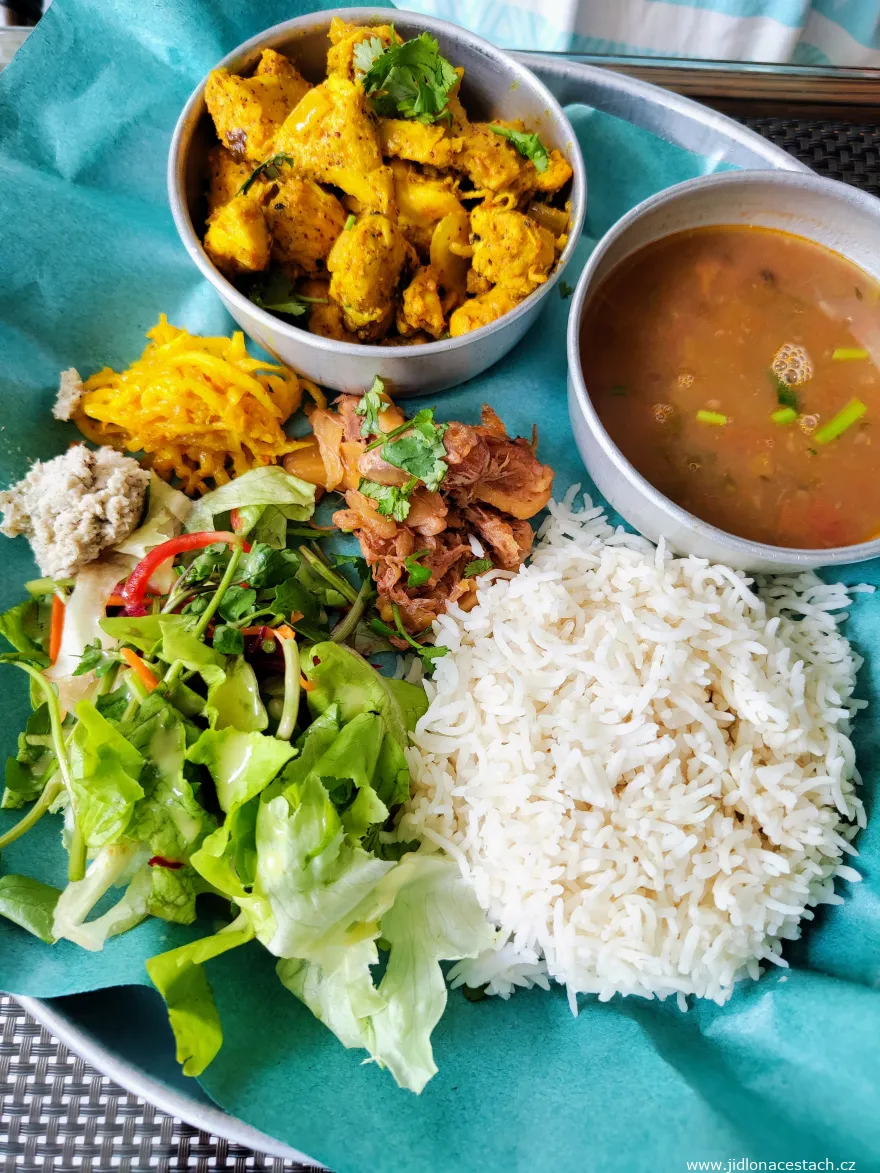
Most of what you eat you'll buy as street food - right on the street, at the markets or in small bistros that often specialize in just one or two dishes. Street food is how locals eat here, across every community.
Typical Mauritian Food
The thing you run into most often in Mauritius is the stuffed flatbread. Round roti and square farata are cooked on a hot griddle, brushed with oil or ghee and filled with vegetarian or meat curry mixtures. Roti and farata are food for every generation - breakfast, lunch and dinner wrapped in paper.
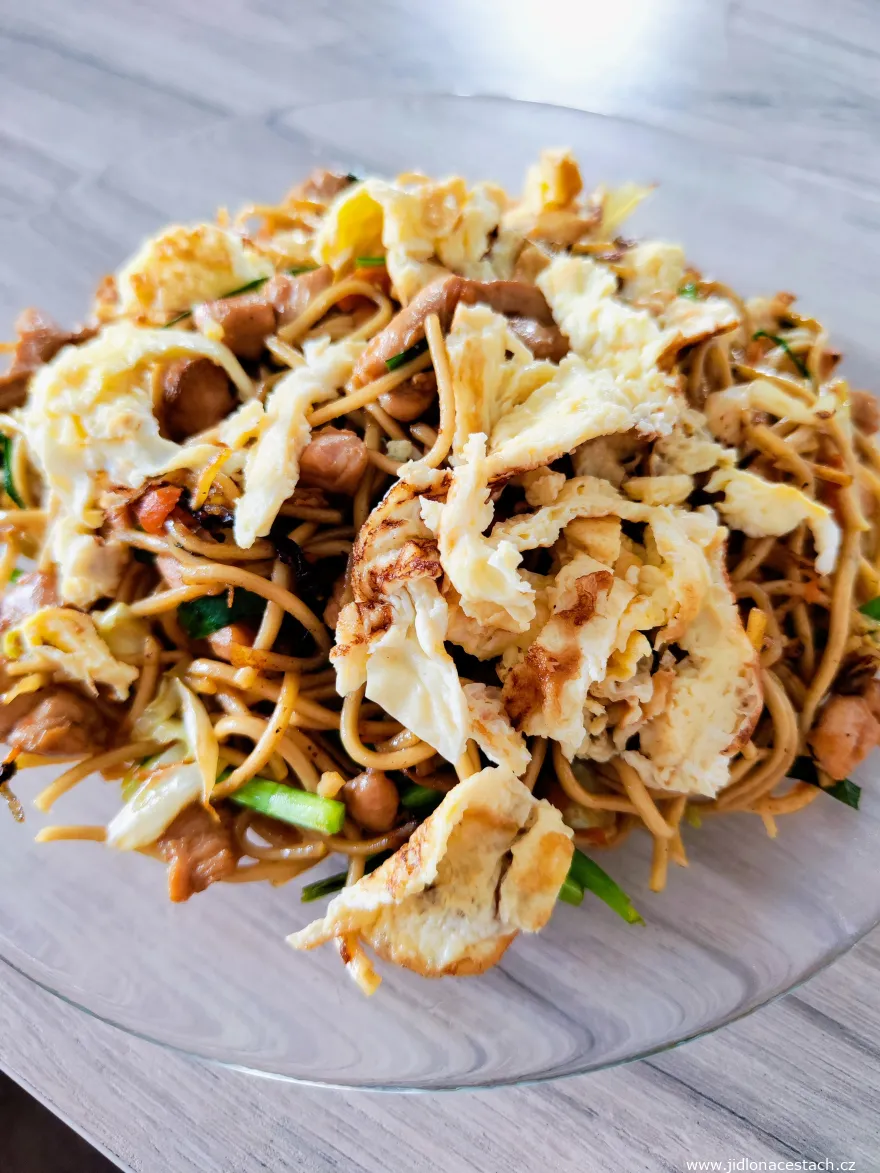
The second big strand came with the Chinese community. Fried noodles mine frit, boiled noodles mine bouillie and fried rice riz frit are dishes you come across absolutely everywhere. With them you can order a few boulettes dumplings, steamed all day long in giant pots in front of the bistros. Bol renversé deserves a chapter of its own - the "upturned bowl" that the waiter flips over at your table, so the plate ends up with layers of sauce, rice, vegetables, meat and a fried egg on top.
The Indian community gave the island rice briani, the thick soup haleem and curries of every kind. Main courses come with an array of sides - chutney, the pickled vegetables called achard or pickled mango. And there's chili sauce or chili paste on every table; locals season their food with it very generously.
Mauritian cuisine leans heavily on carbs and there usually isn't much meat in the dishes. That's exactly why I grew fond of bol renversé - it has more meat and nothing in it is deep-fried.
The Mauritian National Dish
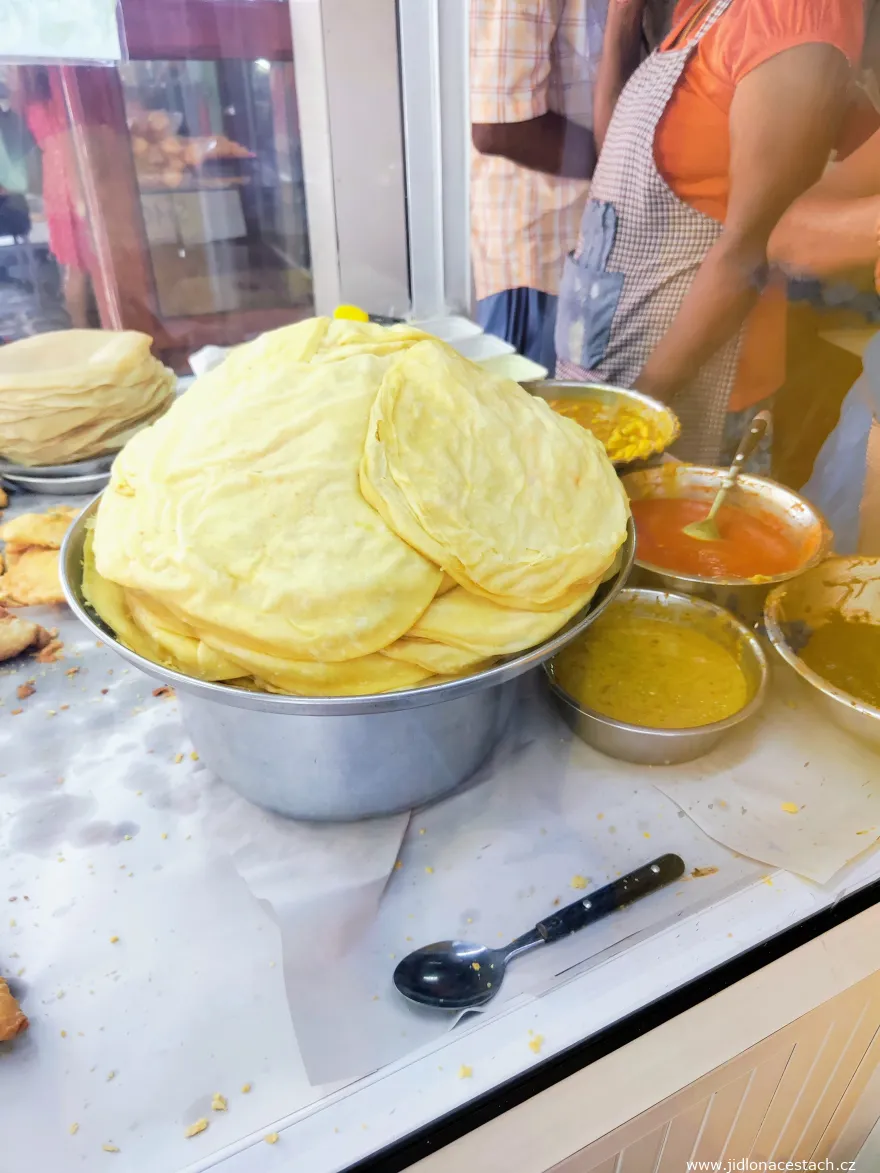
The national dish of Mauritius is dholl puri - a thin flatbread made with cooked yellow split peas. Indian indentured laborers brought it to the island in the 19th century, when they came to work on the sugarcane plantations, and their cheap flatbread gradually won over the whole island. Because they take some work, the flatbreads are made ahead; the vendor only spreads them with the filling you pick and adds chili sauce if you want, so your food is in your hand in twenty seconds.
The easiest place to find dholl puri is Port Louis, where the stalls stand right on the street and inside the Central Market. In Flic en Flac, oddly enough, I never saw a single vendor during my whole stay - one more reason to head into the towns for your meals.
What to Eat in Mauritius
My list of Mauritian dishes and drinks worth tasting:
- Dholl puri. The national flatbread made with yellow split peas and filled with curry mixtures. Easiest to find in Port Louis, and it's ready in twenty seconds.
- Roti and farata. The stuffed flatbreads you come across most often in Mauritius. They differ only in shape - roti is round, farata square.
- Mine frit. Fried egg noodles with vegetables, meat or shrimp. My very first meal on the island.
- Mine bouillie. Boiled noodles with vegetables and meat. Some bistros pour a strong chicken broth over the portion.
- Riz frit. Fried rice, brought to the island by Chinese immigrants. It's a lot like rizoto, the rice dish we cook back home in Czechia.
- Bol renversé. The "upturned bowl" of rice, vegetables, meat and a fried egg that the waiter turns over at your table. A meal with a little cooking show.
- Boulettes. Small steamed dumplings of fish, meat or vegetables. The most popular ones are made with chou chou (chayote), a local vegetable.
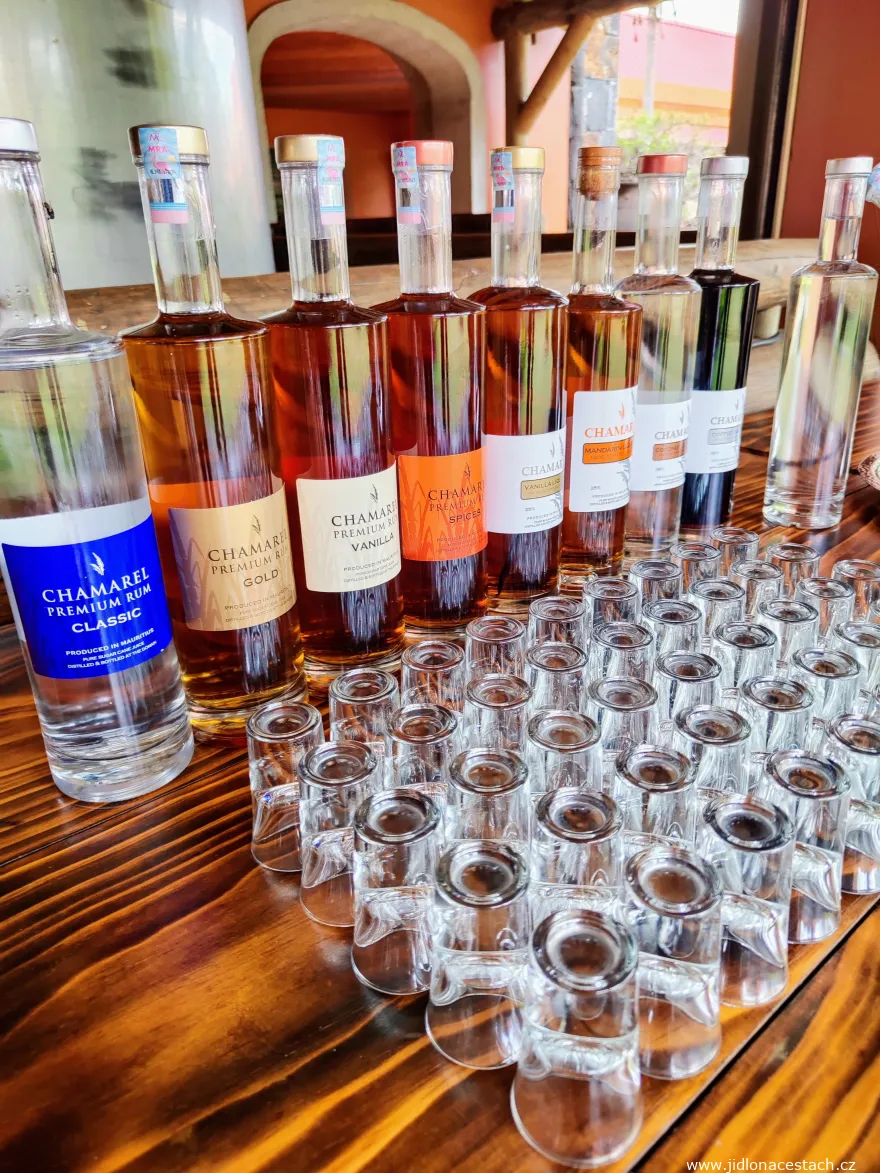
- Mauritian rum. It's made from molasses and from pure cane juice and aged in oak barrels. You can taste it right at the distilleries.
- Mauritian beer. Lagers from the Phoenix brewery and craft beers from The Thirsty Fox and Flying Dodo. In the heat they tasted great to me.
- Teokon farci. Steamed stuffed tofu in a clear broth. Even the name mixes Creole with French.
- Chicken briani. The Mauritian version of Indian biryani, made with basmati rice and marinated chicken. It comes with pickled vegetables and chutney.
- Haleem. A thick soup of wheat, lentils and meat, loaded with spices. With a flatbread it works as a main course.
- Creole curry. The backbone of island menus - chicken, fish or shrimp, with rice and a spread of sides from lentils to pickled vegetables. The best ones are in small family restaurants.
- Rougaille. A Creole dish of tomatoes, onion, garlic and spices, with fish, sausage or eggs added. After curry, the most common Creole dish of all.
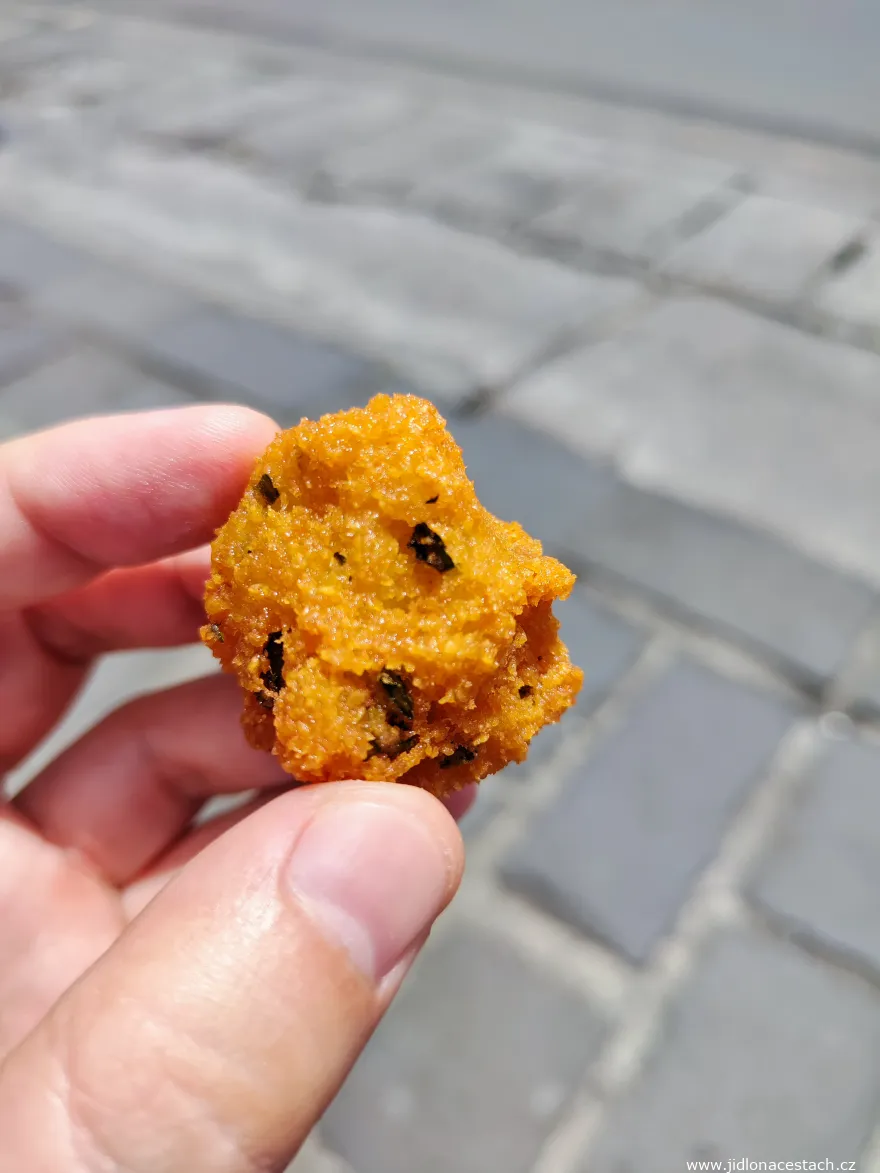
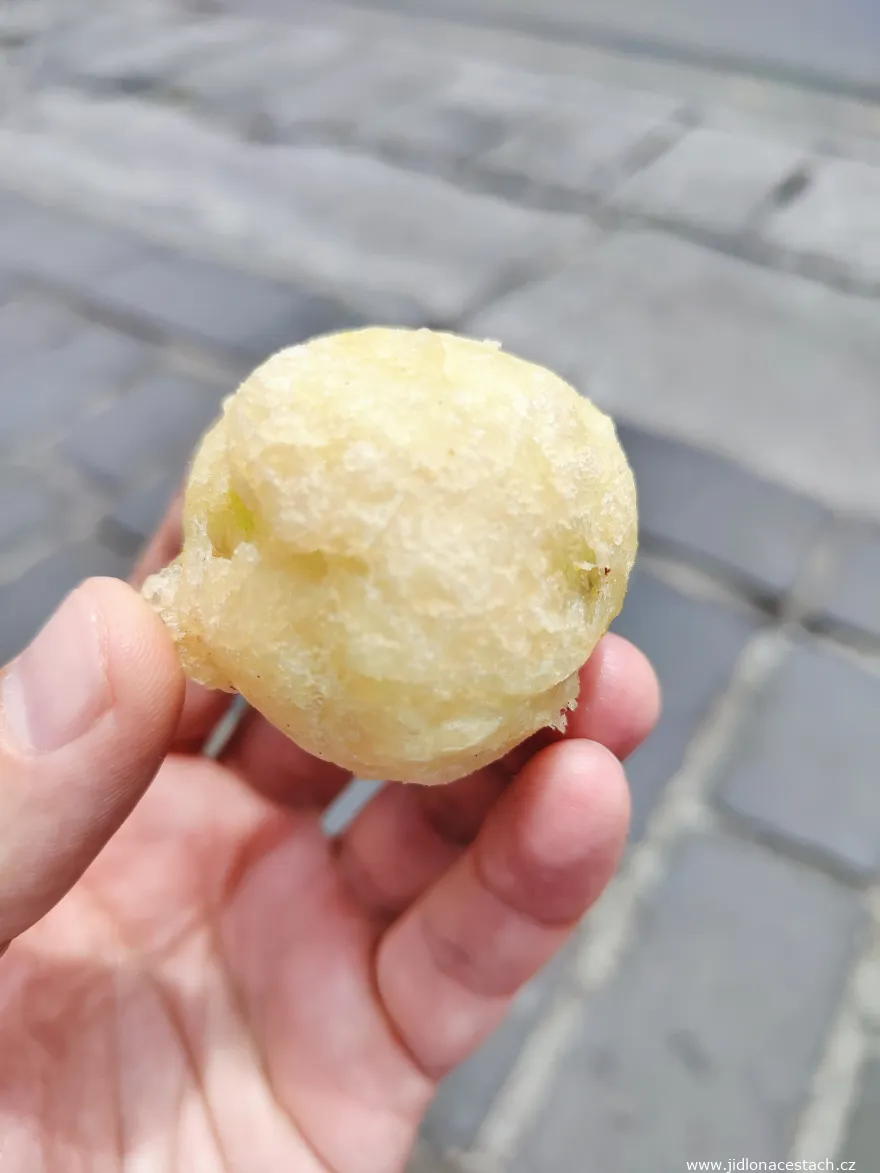
- Gâteaux piment. Deep-fried balls of ground yellow split peas with chili. The most common snack on the island, sold by the piece.
- Samosa. Deep-fried triangles with a potato filling.
- Chana puri. Fluffy stuffed balls of leavened dough. Chana puri is my favorite.
- Hakien. Mauritian spring rolls filled with meat, shrimp and vegetables. A double coating of batter gives them extra crunch.
- Piment farci. Chili peppers stuffed with meat and shrimp and fried in batter. The heat is a bit of a lottery - it depends on whether the cook left the seeds inside.
- Gato arouille. Fried balls of grated taro root with ginger. Crisp on the outside, soft inside.
- Tekwa. A sweet fried pocket filled with yellow split peas, fennel and coconut. The most interesting new flavor I came across on the island.
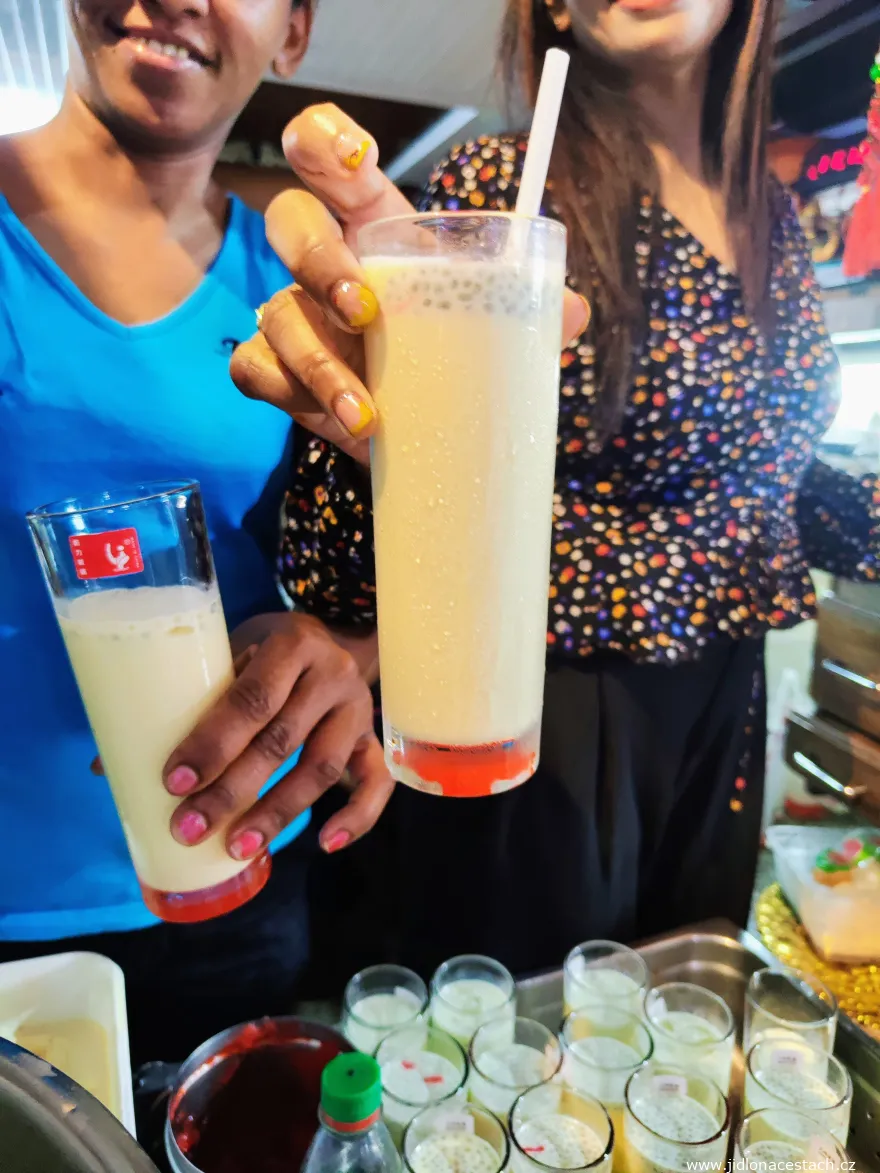
- Alouda. A milk drink with basil seeds and grated agar jelly, often with a scoop of ice cream. Refreshing and not too sweet.
- Achard. Fruit and vegetables pickled in a mix of turmeric, mustard seed and cottonseed oil. It's served with main courses much like chutney.
- Pineapple with chili and pickled mango. A street snack from the markets and the beach stalls. Sweet fruit and fiery chili work brilliantly together.
- Satini pomme d'amour. A raw tomato chutney with onion, cilantro and chili - on the island it goes with almost every meal.
- Gâteaux piments salad. The snack balls crumbled up with tomato, cucumber and cilantro. In Mauritius it's served with a well-chilled beer.
- Fish and seafood. Fresh from the Indian Ocean - at the markets and in restaurants. I was served unbelievably tender squid as a starter at one family restaurant in Flic en Flac.
- Rasgulla. Milk balls deep-fried and then soaked in sugar syrup. The Mauritian method differs from the Indian one - here the balls are fried first.
- Napolitaine. A pink cookie you can't miss - two buttery rounds joined with jam and covered in hard sugar icing. Despite the name, a purely Mauritian dessert.
- Sagoo au lait. Sweet milk with tapioca pearls and spices. The texture is like a runny pudding.
- Fresh coconut. The vendor opens the nut with a machete, you drink the water and then have the meat cut out for you. To me it tastes like young walnuts.
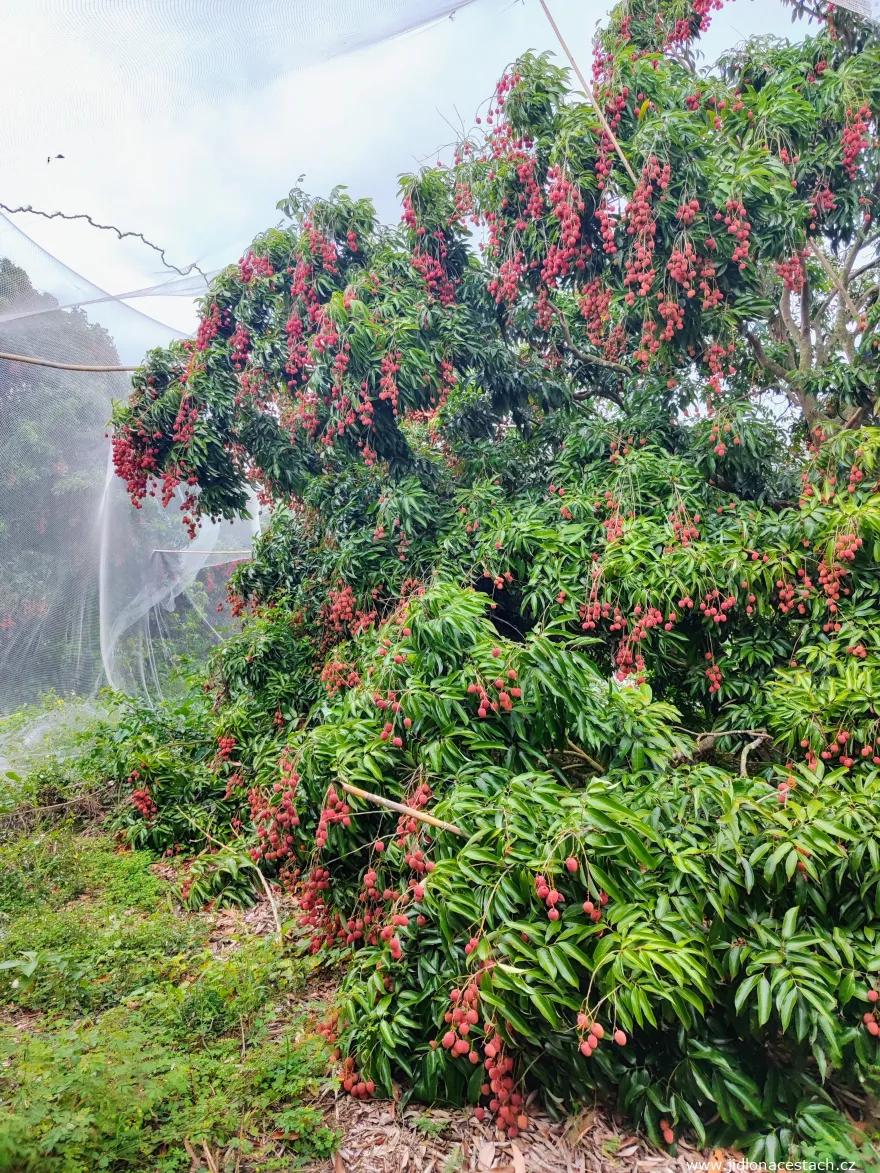
- Lychee. From December on, the island is awash with them. Freshly picked, it tastes nothing like the fruit that gets shipped to us back home.
- Sugarcane juice. They press it right in front of you at the markets. It's not as sweet as you'd expect.
Typical Mauritian Drinks
The traditional soft drink of Mauritius is alouda. Chilled whole milk and condensed milk, flavored syrup, soaked basil seeds and grated agar jelly - and often a scoop of ice cream on top. I tried it at the famous Alouda Pillay stall in the Central Market in Port Louis and it was excellent: refreshing, not too sweet, pleasantly flavored with vanilla.
In the heat a fresh coconut hits the spot too - stalls with nuts stand on the beaches and at the markets, and the vendor opens one with a machete right in front of you. At the markets you'll also find freshly pressed sugarcane juice.
The island has a tea of its own, too. The Bois Chéri plantation in the south has been growing tea since 1892, and you get its black tea with vanilla even at hotel breakfast. A pack is easy to take home as well - it's one of my tips on what to bring back from Mauritius.
The beer market is dominated by the Phoenix brewery, which has been brewing since 1963. Alongside its lagers, the craft labels The Thirsty Fox and Flying Dodo are worth a taste - Mauritian beer was a pleasant surprise in the hot weather.
Above all, though, Mauritius is a country of rum. The tradition goes back to the 18th century and labels such as Chamarel, Medine and Saint Aubin make both white and aged rums from molasses and cane juice. White rum, lime and cane syrup go into the local cocktail Ti Punch.

How to Enjoy Mauritian Food to the Fullest
- Try the national dish dholl puri right on the street. The easiest place to find it is Port Louis - at the Central Market, for instance, or at the stalls around it.
- Pick the places with a line of locals in front of them. In tourist areas that's the most reliable sign of quality. That's exactly how I found my favorite bistros in Flic en Flac.
- Go out for food earlier in the day. Popular snacks like hakien or gato arouille were sold out by around two in the afternoon.
- Head inland to the markets for street food. In Curepipe and Quatre Bornes you'll meet hardly any tourists and the food is cheaper than on the coast.
- Go easy on the chili at first. The sauces on the tables and the stuffed piment farci peppers can be seriously hot. You can always add more - and the vendor will be pleased you did.
- Buy fruit in season. Lychee, mango and pineapple ripen right here on the island and taste in a different league from the fruit that travels to us from the other side of the world.
- Leave room in your suitcase. Rum, vanilla tea or spice mixes make great souvenirs - I've written up what to bring back from Mauritius.
The Best Mauritian Food
If I had to pick three personal favorites, the best Mauritian food for me is:
- Tekwa. I bought it blind and it turned out to be the most interesting new flavor of the whole trip. Yellow split peas, fennel and sugar sound wild together, but trust me, it works.
- Bol renversé. More meat, no deep-frying and a little show at the table on top of that. Exactly what I appreciated in carb-heavy Mauritian cuisine.
- Chana puri. Fluffy leavened dough and a beautifully seasoned filling of potato and peas - I liked it so much that I genuinely miss it back home in Czechia.
Mauritian Markets and Street Food
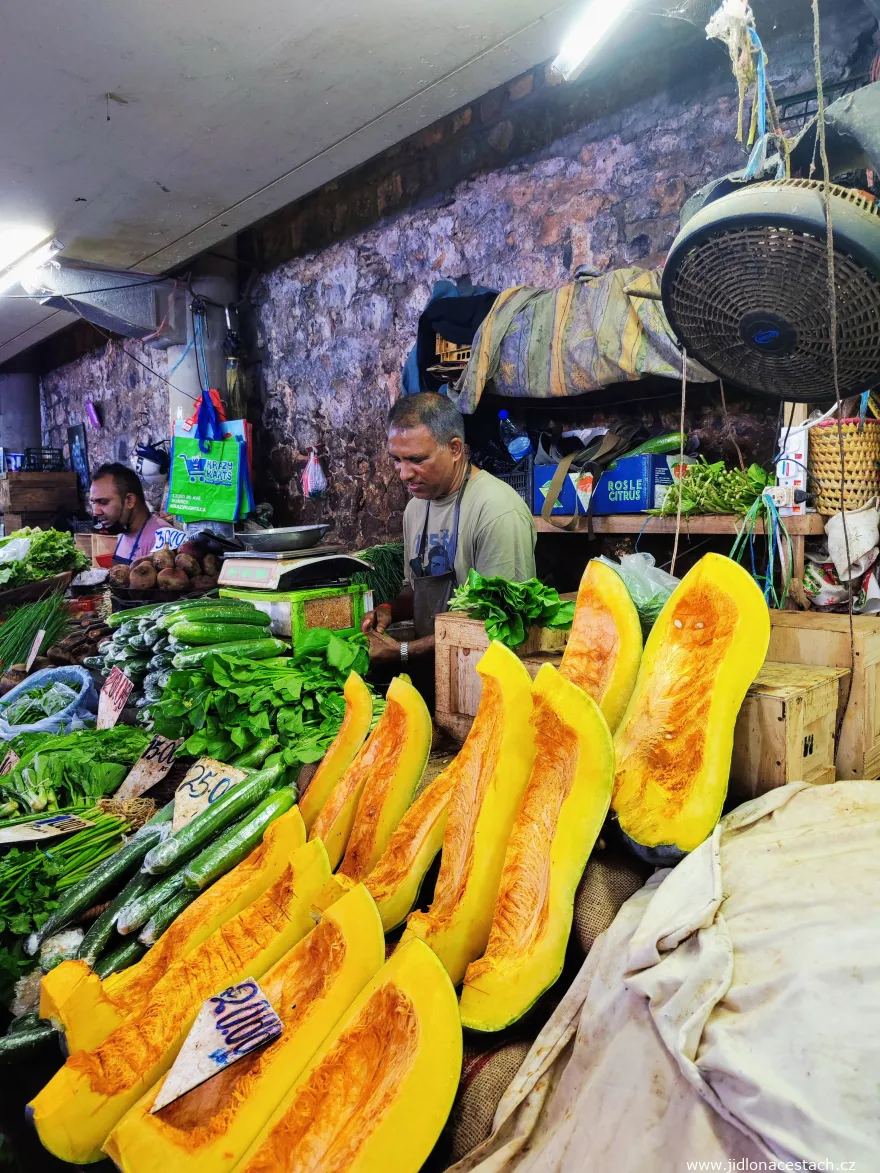
For me, markets are the best place to get to know Mauritian cuisine. The best known of them is the Central Market in Port Louis - halls full of fruit, vegetables, herbs and spices, meat and fish sellers next to them and small bistros in a separate building. I wouldn't skip it even if you don't buy a thing.
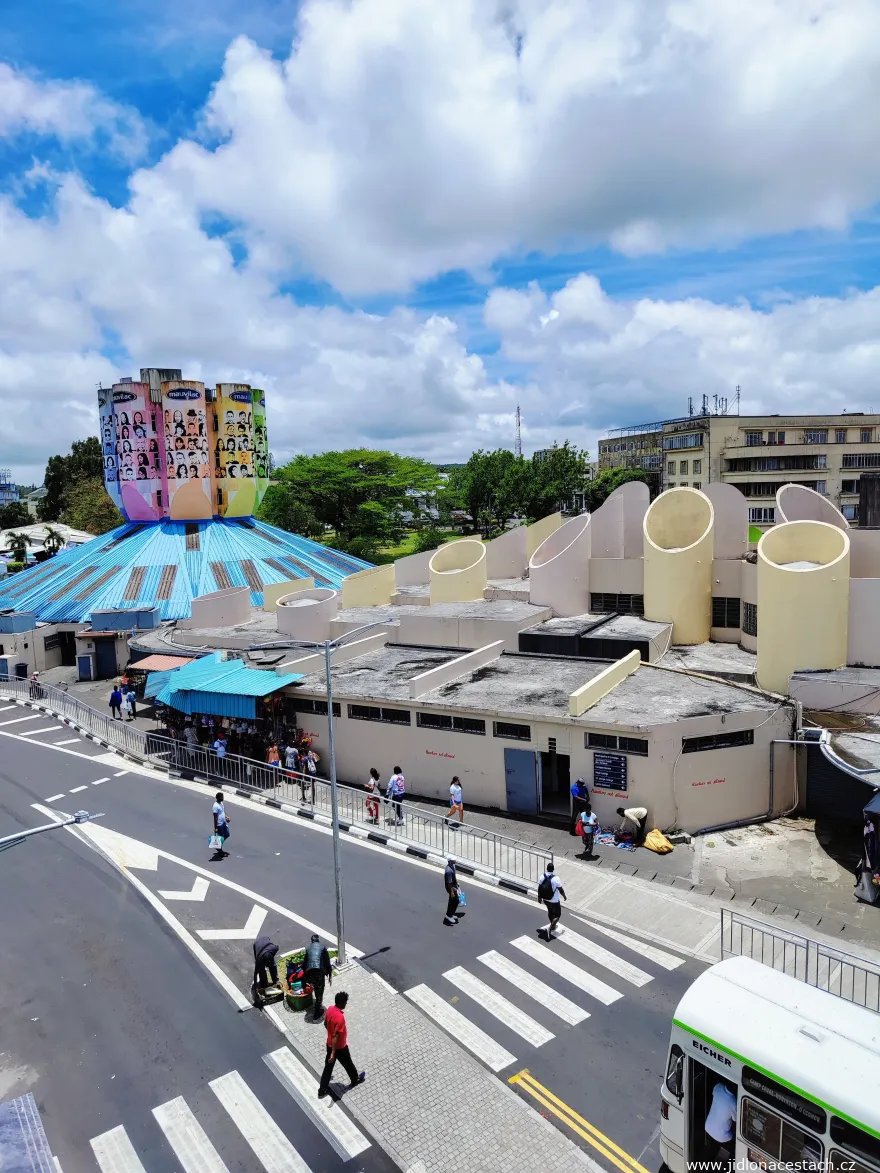
A more modern alternative is the Victoria Station Market, where buses set off for every corner of the island. This is where I stocked up on a few gâteaux piments and other snacks before the ride to Flic en Flac.
If you want to eat where the locals eat, head inland. Curepipe Market won me over with its colorful building and the food trucks around it, and Quatre Bornes Market with a food court full of small bistros. You can reach both easily from Port Louis on the brand-new air-conditioned tram.
Food Trips in Mauritius
Sugar and rum are as much a part of Mauritius as the beaches - and you can make a day trip out of both. At the L'Aventure du Sucre museum in Pamplemousses you walk through a historic sugar mill and the story of sugarcane on the island. What I enjoyed most was the tasting: ten kinds of sugar that really do taste different.
Rum lovers will be in their element at the Rhumerie de Chamarel distillery - a tour of the whole production process that ends with a tasting of eight samples. Count on it: you'll want to get here by taxi.
And if you come in season, try stopping by one of the lychee orchards - most of them have a stall out front with freshly picked fruit. The farmers let me watch the harvest up close, and a lychee picked straight off the tree tasted incredible.
How to Say Thank You for Mauritian Food
In Mauritius you'll get by in English and French, but among themselves people speak Mauritian Creole.
"Mersi" (mersi) - thank you. It comes from the French "merci" and you use it in exactly the same way. If you want to thank someone more warmly, say "Mersi bokou" (mersi boku) - thank you very much.
The answer will most likely be "Padkwa" - you're welcome.
Interesting Facts About Mauritian Food
- Dutch colonists brought sugarcane to Mauritius as early as the start of the 17th century. The humid tropical climate suited it so well that by the 19th century the island was among the world's leading sugar producers.
- Nothing goes to waste once the cane has been pressed. The bagasse is processed into biofuel that generates electricity on the island.
- Cane fields are burned before the harvest. The thin leaves burn off and the workers are left with nothing but the thick stalks; burning needs a permit and usually happens at night.
- Roti and farata differ only in shape. The round flatbread is roti, the square one farata - the dough and the fillings are the same.
- Hot broth with dumplings is a favorite even when it's 30 degrees Celsius outside. I expected it to be the last thing locals would order - and in the end I kept ordering it myself.
- The name teokon farci mixes two languages. Teokon is Creole for tofu and farci is French for stuffed - you won't find a better illustration of how the island's cuisines have blended.
- Achard isn't achard without cottonseed oil. Its flavor is very distinctive and won't suit everyone - I'd start with a small pack.
- Tea has been grown on the island since 1892. The Bois Chéri plantation in the south still supplies the whole of Mauritius with black tea flavored with vanilla.
- Every glass beer bottle in Mauritius carries a deposit. The craft brewery Flying Dodo also brews mini batches of a mere 500 liters and comes up with a new recipe every month.
- Lychee trees are protected with big nets. The ripe fruit is a treat for local birds and flying foxes. It's picked by hand with a bit of twig attached - once picked, a lychee ripens no further.
- The tram terminal in Curepipe is named after Jan Palach. When I asked about it at a snack stall, they proudly showed me the sign with his name. An unexpected Czech connection in the middle of the Indian Ocean.
Enjoy Mauritius and the best Mauritian food!



Creole Shack: A Creole Lunch in Flic en Flac
You don't walk into Creole Shack in Flic en Flac with a menu in your hand - you book a table a few days ahead on WhatsApp and find out what's cooking once you sit down. The owner cooks a single three-course menu every day, and the only choice is chicken or shrimp. And this is where I ate the best gâteaux piments in all of Mauritius.

Bol Renversé: The Mauritian Upside-Down Bowl
Bol renversé is a Mauritian dish with a trick to it: a bowl packed in reverse - egg, meat and vegetables in a soy and oyster sauce, rice - is flipped onto a plate and the waiter lifts it off right in front of you. It came out of the island's Chinese community, a descendant of Cantonese chop suey, and today it's cooked all over Mauritius and on Réunion too. I ate it in Flic en Flac, and in a cuisine that deep-fries almost everything it was a welcome exception.

Gato Arouille: Mauritian Fried Taro Balls
Gato arouille is a Mauritian fried ball of grated raw taro, seasoned with ginger, salt, a pinch of sugar and soy sauce. It's sold hot by the piece as gajak, a street snack to go with a beer. A crisp outside, a soft stringy inside, and an ingredient the cook grates with gloves on, because it stings when it's raw.

Roti and Farata: Mauritian Flatbreads Filled with Curry
Roti and farata are the two most common flatbreads in Mauritius: the smooth round roti and the layered square farata, both cooked on a griddle, filled with curry and rolled up in paper. Indian indentured laborers brought them over after 1834, but it was the island that turned them into a roll. I ate them at the beach bistros in Flic en Flac - 20 MUR (0.40 EUR) for the vegetarian one, 50-70 MUR (1-1.40 EUR) with meat.

Mauritian Rum: Distilled from Molasses and Cane Juice
Mauritian rum comes in two forms: the older one from molasses and the younger one from fresh cane juice, which the island banned for decades after independence. I'll explain why juice rum isn't allowed to call itself agricole, what a barrel does to it in the tropics, where Penny Blue got its name and how to buy a bottle to take home for as little as possible.

Mine Bouillie: Mauritian Boiled Noodles
Mine bouillie are boiled egg noodles with meat and vegetables, the humblest of the dishes the Chinese immigrants brought to Mauritius. One name covers two versions - dry noodles with sauce and an egg, or noodles in a clear ginger broth - and which one you get is up to the bistro. Dan ate them in Flic en Flac and explains why, despite the French name, this has nothing to do with porridge.

Lychee: The Tropical Fruit That Ripens for Christmas in Mauritius
In Mauritius, lychees aren't picked - they're cut, twig and all, because once they're off the tree they never ripen any further; they just brown. The French brought the Chinese tree here in 1764 and today the island eats most of the crop itself, while Europe's Christmas lychees come from Madagascar. I spent a morning in an orchard during the harvest: fruit straight off the tree tastes like nothing that ever makes it back home.

Farata Aka Vinoda Bistro: Farata Right on Flic en Flac Beach
A tin-roofed stall on the beach in Flic en Flac has a Google rating plenty of restaurants would be proud of. Farata Aka Vinoda fills fresh farata flatbreads with everything from vegetarian to octopus, the midday line moves fast, and the prices are the same as in places far from the tourist beaches.

Lao Fang Zi: A Cantonese Restaurant in Flic en Flac
Lao Fang Zi, Chinese for "old house", is a Cantonese restaurant a short walk from the center of Flic en Flac - and one of the youngest places on the island's Chinese restaurant scene. The cooking is in the hands of descendants of immigrants from Canton and Meixian, the people who gave the island fried noodles and steamed dumplings. Dinner for a few hundred rupees: two plates of chicken, a large portion of rice and the only card payment I made in a restaurant in my entire stay on the island.

Napolitaine: The Mauritian Cookie with Pink Icing
Napolitaine is the pink cookie of Mauritian bakeries: two discs of crumbly butter shortcrust glued together with guava or strawberry jam and covered in hard sugar icing. The name promises Naples, but it has nothing to do with Italy - it's a snack eaten all over Mauritius, shared only with neighboring Réunion, and it keeps for several days in a tin.