What to Eat in Czechia: Typical Czech Food and Specialties
Czech cuisine is known for meat dishes with thick sauces. It reflects the mixed culinary influences of the countries around it, especially Austrian and Hungarian cooking, but it borrows from the other neighbors as well. Even so, it keeps a character of its own and offers plenty of dishes you won't find anywhere else.
Czechia is my home country - I never had to discover Czech cooking, because I grew up on it. The more national cuisines I get to know, the more I like it, and the more deliberately I go looking for it.

Czech cooking runs on good local ingredients: meat (pork and beef above all), potatoes, a wide range of vegetables (cabbage, root vegetables), mushrooms, cream, eggs, flour and sourdough bread. Sauces and dumplings on the side carry a lot of the weight. Many traditional dishes come from the countryside and reflect the history of a land where food had one job: to fill up people who worked hard.
Typical Czech Food
The typical Czech dishes that have won over locals and foreign visitors alike are mainly the ones that follow traditional recipes and use local ingredients.

One of the best known and best loved Czech dishes is without doubt svíčková na smetaně (beef sirloin in cream sauce). It is made from beef braised slowly until tender together with root vegetables and spices. The sauce is then smoothed out with cream and the plate comes with bread dumplings, cranberries and often a slice of lemon and a spoonful of whipped cream. Svíčková counts as a festive dish and shows up at big occasions such as weddings.
Another Czech favorite is vepřo-knedlo-zelo - roast pork served with bread or potato dumplings and stewed cabbage.
Goulash came from Hungary, but it has earned its place on the Czech table too. Czech goulash is traditionally made from beef stewed with onion, garlic, paprika and caraway. The result is a thick sauce with soft pieces of meat, most often served with bread dumplings or with bread.
Czech cuisine is also famous for its sweet dishes and desserts. The best known of them are fruit dumplings, made from quark or yeast dough and filled with whole plums, apricots or strawberries. Once boiled, they get a shower of grated quark and sugar and a drizzle of melted butter.
The Czech National Dish
Ask us Czechs what our national dish is and the answers will almost certainly come down to two favorites: svíčková na smetaně and vepřo-knedlo-zelo. Svíčková, beef braised with vegetables and cream, traditionally belongs to festive occasions. Vepřo-knedlo-zelo, a plate of roast pork, cabbage and dumplings, is the plainer and cheaper option you'll find on the menu of most Czech pubs. Both go a long way back. And even if opinions on the Czech national dish differ, one thing is certain - the Czech national drink is beer.
What to Eat in Czechia
- Svíčková na smetaně (beef sirloin in cream sauce). Roast beef in a cream sauce, served with dumplings, whipped cream and cranberries. Svíčková is the festive Czech dish and counts as one of the national dishes.
- Vepřo-knedlo-zelo (roast pork with dumplings and cabbage). A typical Czech plate of roast pork, dumplings and cabbage. The combination is popular all over the country and also counts as one of the national dishes.
- Řízek (schnitzel). Breaded and fried pork or chicken schnitzel is a hugely popular main course. It usually comes with potato salad or with potatoes. A staple of Czech cooking.
- Beer. Czechia is famous for its beer culture and for the sheer number of brands and styles. Beer is part of Czech culture and social life.
- Hovězí vývar s játrovými knedlíčky (beef broth with liver dumplings). A strong beef broth with liver dumplings is the typical Czech soup. It is loved across the country and often opens Sunday lunch.
- Smažený sýr (fried cheese). Breaded and fried cheese, usually served with fries and tartar sauce. Fried cheese, affectionately called "smažák", is comfort food for a lot of Czechs.
- Goulash. Beef or pork stewed with paprika and onion, served with dumplings or bread. Goulash is popular all over Central Europe, and in Czechia it has a flavor of its own.
- Bramborový knedlík plněný uzeným masem (potato dumpling stuffed with smoked meat). A big potato dumpling filled with pieces of smoked meat and served with cabbage, at its best in the winter months. Potatoes and smoked meat together are typical of Czech cooking.
- Ovocné tvarohové knedlíky (fruit dumplings made with quark dough). Dumplings of quark dough filled with pieces of fruit (strawberries, apricots or plums most often), drizzled with melted butter and sprinkled with quark and sugar - a popular sweet main course or dessert. Quark dumplings have a long tradition in Czechia.
- Ovocné kynuté knedlíky (fruit dumplings from yeast dough). Yeast dumplings filled with whole plums or apricots, drizzled with melted butter and sprinkled with quark and sugar - another traditional Czech sweet dish. Seasonal fruit and yeast dough are a typically Czech pairing.
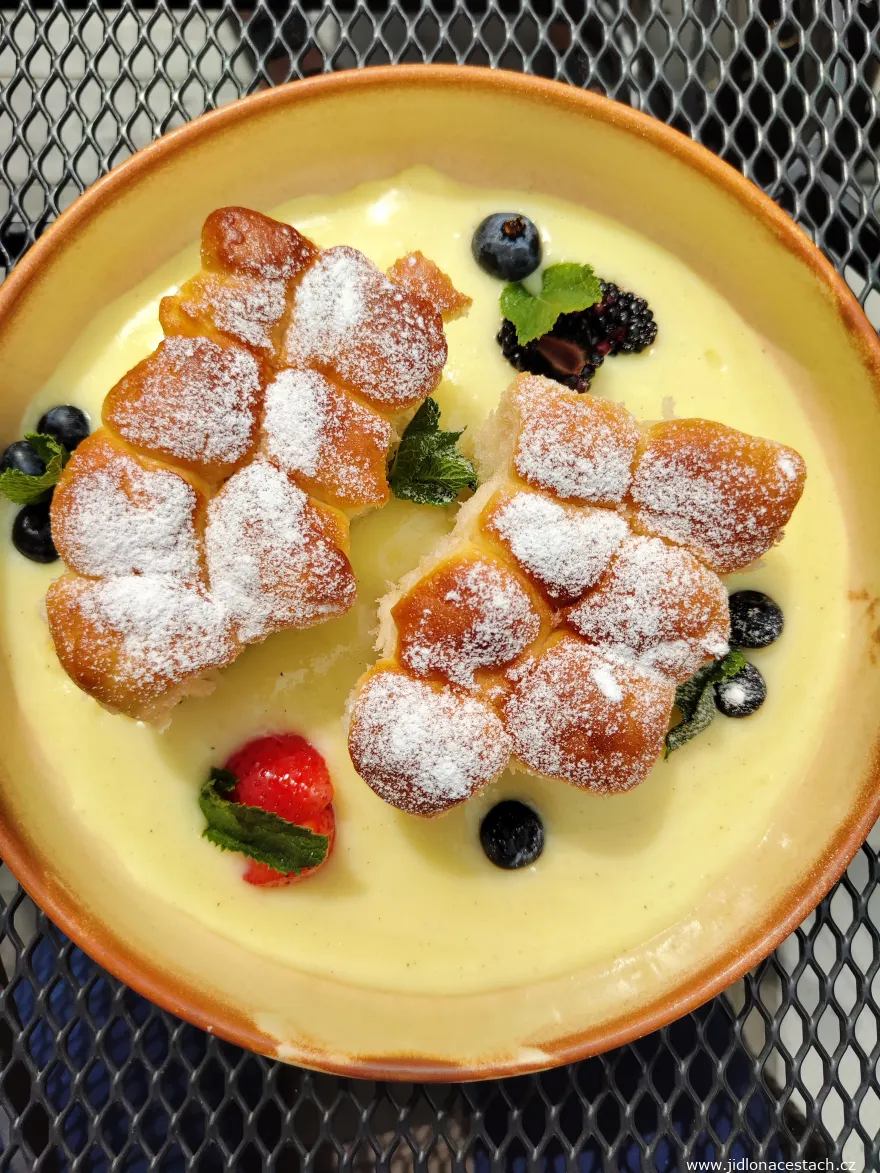
- Dukátové buchtičky s vanilkovým krémem (small sweet buns with vanilla custard). Little yeast buns swimming in vanilla custard, a simple but much loved dessert.
- Moravian wine. Moravia is the major wine region of Czechia and Moravian wines are known for their quality. Typical varieties include Grüner Veltliner, Müller-Thurgau, Riesling and Blaufränkisch. Welschriesling counts as the national variety. Winemaking goes far back in Moravia.
- Koláče (sweet round pastries). Sweet round pastries with all kinds of fillings - quark, plum jam or fruit.
- Obložené chlebíčky (open-faced sandwiches). Small open sandwiches with various toppings and garnishes, served at celebrations. Chlebíčky are the backbone of a Czech cold buffet and have a long tradition in Czech gastronomy.
- Kulajda. A creamy potato soup with mushrooms, dill and an egg. Kulajda comes from South Bohemia and is a favorite soup across the country.
- Česnečka (garlic soup). A pungent garlic soup with potatoes, often served with croutons and cheese. Česnečka is a winter classic, eaten to keep colds away or as a hangover cure.
- Zelňačka (sauerkraut soup). A soup of sauerkraut, potatoes and sausage. Zelňačka is a typical Czech soup that comes into its own in winter.
- Duck with dumplings and cabbage. Roast duck served with bread or potato dumplings and red or white cabbage. Czechs love this combination for festive occasions and family celebrations.
- Moravský vrabec (Moravian sparrow). Pieces of pork roasted with garlic and caraway, served with dumplings and white cabbage.
- Becherovka. A herbal liqueur from Karlovy Vary, made to a secret recipe. Becherovka is the Czech digestif of choice.
- Utopenci (pickled sausages). Spicy pickled sausages with onion, peppers and spices. Utopenci are a beloved pub snack.
- Olomoucké tvarůžky. A pungent ripened cheese from Olomouc, made from skimmed milk. Olomoucké tvarůžky have an unmistakable smell and taste and carry a protected geographical indication.
- Tatranky. Popular wafers in flavors such as chocolate, hazelnut or peanut. Tatranky are a Czech wafer phenomenon, in production since 1945.
- Buchty. Sweet buns filled with quark, poppy seeds or plum jam. Buchty are a typical Czech dessert and turn up even in Czech fairy tales.
- Frgály. Large round pastries from the Wallachia region, filled with quark, plum or pear jam. Frgály are a regional specialty.
- Karlovy Vary wafers. Thin, crisp wafers baked to a traditional recipe in Karlovy Vary.
- Kofola. A non-alcoholic cola-flavored drink made to its original recipe since 1960. In Czechia, Kofola is the popular alternative to the famous cola brands.
- Znojemské okurky. Pickled gherkins from Znojmo, made to a traditional recipe with dill and other spices.
- Gingerbread. Sweet honey pastry, often decorated with icing and all sorts of motifs. Gingerbread has a long tradition in Czechia and belongs to festivals and markets. The most famous comes from Pardubice.
Typical Czech Drinks
Beer is far and away the best known and most popular Czech drink. Czechia has been brewing since the 10th century. Among the best known Czech brands are Pilsner Urquell, Budweiser Budvar and Krušovice, and there are countless small producers. Czech beer stands out for its full flavor, gentle bitterness and, by European standards, an unbelievably low price. No wonder Czechs are among the biggest beer drinkers in the world.

Another typical Czech spirit is Becherovka, a herbal liqueur from Karlovy Vary. It is made from more than 20 herbs and spices whose exact blend is a closely guarded secret. Becherovka has a distinctive taste, sweet, bitter and spiced at once. It is usually poured as a digestif after a meal.
Anyone who likes spirits will fall for slivovice, the traditional plum brandy. The best comes from Moravia. A good slivovice has a soft plum aroma and a smooth taste with fruity notes. You drink it neat and chilled, in small glasses. Besides plums, Czech distillers also work with pears (hruškovice), apricots (meruňkovice) and cherries (třešňovice).
Moravia, the eastern part of the country, is famous for its vineyards and excellent wines. Thanks to a warm climate, fertile soil and a long winemaking tradition, Moravian wines are held in high regard by wine lovers. The most widely grown varieties are Grüner Veltliner, Riesling, Müller-Thurgau and Welschriesling, which counts as the national Czech variety; among the reds, Blaufränkisch and Pinot Noir.

The best known Czech soft drink is Kofola, the Czech answer to Coca-Cola. Kofola is served chilled and comes into its own in summer, though people drink it all year round.
How to Enjoy Czech Food to the Fullest
- Taste the traditional dishes. Dumplings, goulash, svíčková, vepřo-knedlo-zelo, fried schnitzel and plenty more classics are the base of the Czech diet.
- Try the regional specialties. Czech regional cooking has a lot to offer. Taste olomoucké tvarůžky, valašské frgály, Pardubice gingerbread or znojemské okurky. Every region has a delicacy it takes pride in - though most of them are on sale across the whole country.
- Go to a farmers' market. That's where you get fresh, top-quality produce straight from the growers and makers: superb vegetables, fragrant bread, cheeses, sausages and much more. In Prague, the markets at Náplavka and on Jiřího z Poděbrad Square draw the biggest crowds.
- Take a trip built around Moravian wine. South Moravia lives for its wine. My personal tip? Go to Festival otevřených sklepů (the Festival of Open Cellars). Over one long weekend you'll taste dozens of wines and regional specialties.
- Book a tasting menu of Czech dishes at a place the locals rate. You'll see Czech gastronomy in a completely new light. La Degustation Bohême Bourgeoise holds a Michelin star and cooks (surprise!) Czech cuisine. For a lighter bill, try U Kalendů - and right across from it the Náplavka farmers' market runs on Saturdays. Both are in Prague, but great restaurants are all over Czechia.

Regional Czech Cuisine and Specialties
- South Bohemian cooking is known for freshwater fish, carp and trout above all. Třeboň carp is famous throughout Czechia. South Bohemia is also home to Jihočeská niva, a delicious Roquefort-style cheese veined with blue-green mold, and to the cheese Blaťácké zlato.
- The Plzeň region is famous for its beer, but the food is excellent too. It is also the home of chodské koláče, pastries with fillings such as quark, poppy seed or plum jam.
- Central Bohemian cooking takes its cue from nearby Prague and serves a lot of the typical Czech dishes. Prague ham is its best known regional specialty.
- Moravian cooking is famous for olomoucké tvarůžky, the ripened cheese made from skimmed milk. From Wallachia come valašské frgály, big round pastries with all kinds of fillings. A regional specialty of northern Moravia is štramberské uši, a sweet spiced pastry. And Moravian wine is excellent.

Famous Czech Chefs
- Zdeněk Pohlreich (1957). Zdeněk Pohlreich is one of the best known Czech chefs and television personalities. He made his name mainly with the show "Ano, šéfe! (Yes, Chef!)", in which he helped restaurants raise their quality and service. Pohlreich is known for a blunt, sometimes brutal style that is always aimed at getting things right. He owns several restaurants in Prague.
- Radek Kašpárek (1981). Radek Kašpárek is the chef and owner of the Prague restaurant Field, which holds a Michelin star. Kašpárek is known for his experimental approach and for dishes that bring traditional Czech flavors together with modern technique. He is the head judge of MasterChef Česko and hosted the first season of the Czech version of Hell's Kitchen Česko.
- Roman Paulus (1975). Roman Paulus is another major figure of Czech gastronomy. He was head chef of the prestigious Prague restaurant Alcron, which won a Michelin star under his lead. Paulus is known for his precision and for the way he blends traditional Czech recipes with modern technique.
- Jan Punčochář (1979). Jan Punčochář is one of the best known chefs in Czechia. His Prague restaurant U Matěje quickly became a favorite among people who love good Czech cooking. Punčochář relies on local, seasonal ingredients. Before that he was head chef at Grand Cru. He also sits on the MasterChef Česko jury.
- Přemek Forejt (1987). A young, gifted chef with a big reputation. He now runs the Michelin-starred Entrée in Olomouc. Přemek Forejt is a judge on MasterChef Česko.
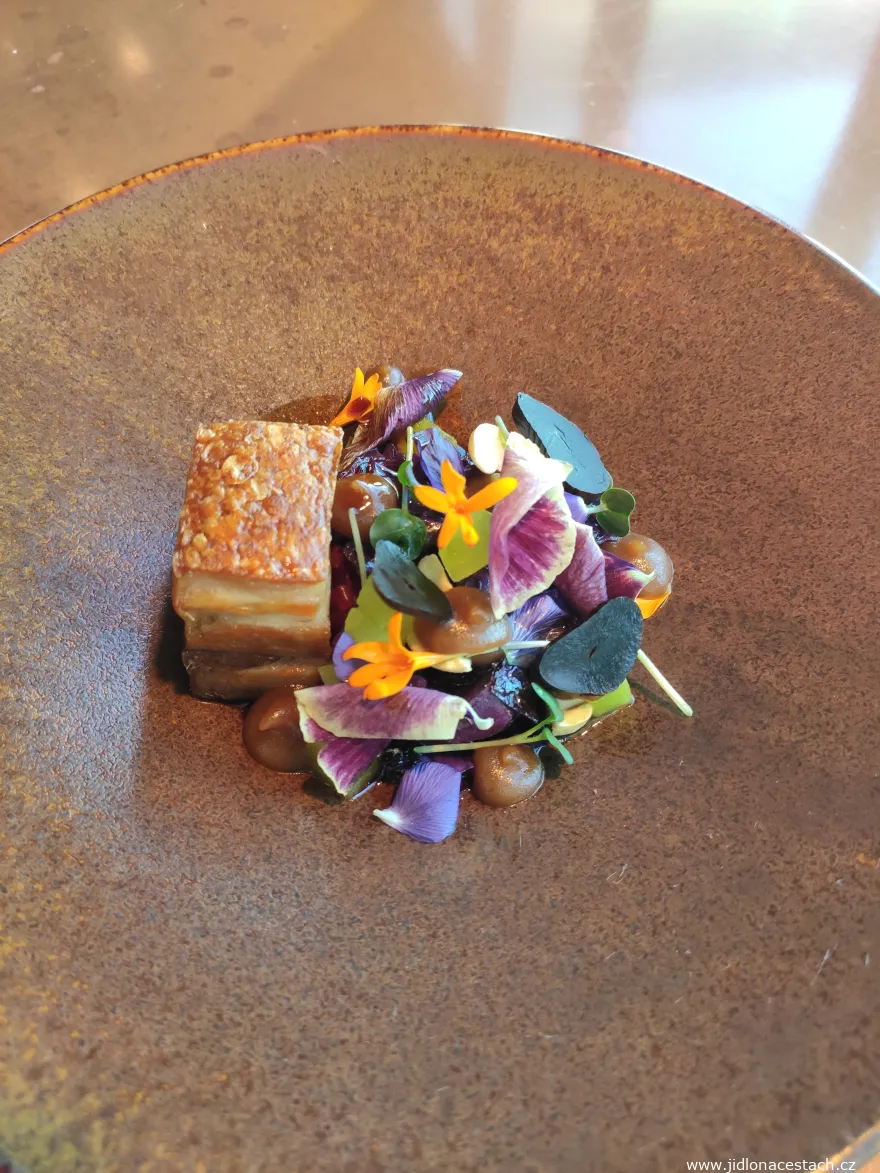
- Oldřich Sahajdák (1975). Oldřich Sahajdák is the man behind the Prague restaurant La Degustation Bohême Bourgeoise, which in 2012 became the first Czech-focused restaurant with a Michelin star and has held on to it ever since. Sahajdák reinterprets traditional Czech recipes with modern technique and local ingredients; the kitchen is now led by chef Marco Christov.
Czech Michelin Restaurants
The Czech dining scene boasts nine restaurants with a Michelin star. Papilio, chef Jan Knedla's restaurant in Vysoký Újezd, is the only one with two. One star each goes to Field under chef Radek Kašpárek, familiar from MasterChef Česko, to La Degustation Bohême Bourgeoise and then to Levitate, Casa de Carli and Štangl in Prague, Entrée in Olomouc, Essens in Hlohovec and La Villa in Zlín. These places are the best of Czech haute cuisine - and I've eaten at Papilio, Field, La Degustation and Olomouc's Entrée myself.
Alongside the stars, Czechia also hands out the Bib Gourmand, which another eighteen restaurants hold. Among them are the Italian Dejvická 34, the Czech-French Na Kopci and the modern Czech cooking of The Eatery. A further 52 places sit on the Czech Michelin list with a Selected recommendation.
Interesting Facts About Czech Food
- The oldest Czech cookbook. The oldest surviving Czech printed cookbook appeared as early as 1535. The most famous one, though, is "Domácí kuchařka (The Home Cook)" by Magdalena Dobromila Rettigová from 1826, still treated as the founding book of Czech cooking.
- Becherovka from Karlovy Vary. Becherovka, the herbal liqueur from Karlovy Vary, started out as a medicinal drink. Its recipe is a closely guarded secret known to only a handful of people. Becherovka is usually served as a digestif and is popular well beyond Czechia.
- Czech cheeses. Czechia may not be as famous for cheese as France or Switzerland, but it does have a few unique ones. Olomoucké tvarůžky are among the very few Czech cheeses with a protected geographical indication in the European Union.
- Kofola. Kofola is a popular Czech soft drink created in the 1960s to stand in for Coca-Cola and Pepsi, which weren't available in Czechoslovakia at the time. It has a distinctive herbal taste and is still going strong.
- Trdelník isn't Czech. Foreign visitors love trdelník at Czech markets, but it doesn't come from here. Its home is Transylvania (today's Romania) and it reached the Czech lands through Hungarian cooking.
- Pilsner Urquell. The Pilsner Urquell brewery, founded in 1842, is the birthplace of the world's first pale lager of the Pilsner type.
- Czech bread. Czech bread is known for its slight sourness and long shelf life. Traditional Czech bread is baked with rye sourdough, which is where that tang comes from.
Enjoy Czechia and the best Czech food!



Dejvická 34 Restaurant, Prague: Lunch Menu and a Late Dinner
My third stop at Dejvická 34, chef Tomáš Černý's restaurant and the only Italian place in Czechia holding a Michelin Bib Gourmand. This time it was the lunch menu with mushroom soup, rabbit schnitzel and apple strudel - plus a few à la carte dishes that are served in the evening as the Pozdní dejvická večeře (Late Dejvice Dinner). To top it off, an alcohol-free Riesling from the house where Beethoven once lived.

Michelin Restaurants Czech Republic (Prague): Complete Guide, Contacts (2026)
The Michelin Guide is a prestigious gastronomic ranking that awards extraordinary restaurants around the world. In the Czech Republic, only one restaurant has two stars in 2026 - Papilio. Eight restaurants then have one star - La Degustation Bohême Bourgeoise, Field, Casa de Carli, Entrée, Essens, La Villa, Levitate, and Štangl, eighteen other establishments hold the Bib Gourmand award, and another 52 establishments are listed on the Czech Michelin list.

St. Martin's Goose: Why It's Roasted on November 11
St. Martin's goose is one of the best-loved Czech autumn traditions: around November 11, it's roasted with cabbage and dumplings all over the country. But its roots don't lie in the legends about the birds that gave St. Martin away - they lead instead to the date when the farming year ended and dues were paid. And Austria, Germany, Poland and Hungary celebrate the same feast, each in its own way.

La Veranda Restaurant, Prague: A Tasting Menu Next to a Library of Cookbooks
La Veranda has been cooking modern European food with a Mediterranean base in Prague's Josefov since 2002, and the Michelin guide lists it among its recommended restaurants. Alongside a tasting menu with a wine pairing that names both the suppliers and the winemakers, it draws you in with an unusually cozy interior, a library full of cookbooks - and a kitchen that can make a potato peel shine.

Where to Eat Lunch in Prague (2026)
A big guide to lunch in Prague where I only write about the places I like: Czech classics, canteens serving lunch for under 200 CZK (8 EUR), Vietnamese bistros, ramen and Michelin stars. For each place you get my impressions from the visit, rough prices and hours - over thirty tried-and-tested addresses in one article.

Pot-au-feu Restaurant, Prague: Honest French Cuisine and Jan Kracík's Perfect Sauces
Pot-au-feu is a Prague restaurant focused on traditional French gastronomy. The establishment on Rybná Street is successfully run by chef Jan Kracík, who bets on honest culinary craftsmanship. The foundation of the local cuisine is strong broths and precisely reduced sauces. The renowned specialties include veal sweetbreads with morels or the classic beef bourguignon.

Buddha-Bar Prague: Asian Brunch with Babysitting
The Sunday brunch at Buddha-Bar Prague is a rich Asian buffet with unlimited consumption of food and selected beverages. For 1,599 CZK (64 EUR) per person, guests can taste fresh sushi, oysters, hot Pan-Asian specialties, and diverse desserts. Families with children will certainly appreciate the well-equipped kids' corner with babysitting. The quality and freshness of all dishes are ensured by the experienced Executive Chef Jan Voráček, who has been at the restaurant continuously since its opening.

420 Restaurant, Prague: Even Better Value Than Before. The Experience Near the Astronomical Clock Is Now Much More Affordable
420 Restaurant in Prague's Old Town Square focuses on perfectly executed traditional cuisine. The concept has recently undergone a transformation. The menu has been simplified and food prices have dropped. The establishment has thus taken a very welcoming step toward guests. Today, 420 Restaurant represents an exceptionally attractive choice with an excellent ratio of price to overall experience.

The Artisan Restaurant: Chocolate Brunch at the Marriott Hotel
The Artisan is a modern restaurant in the Prague Marriott Hotel that hosts brunches every Sunday. The theme changes every week, so the visitor can experience a brunch focused on, for example, a Czech pig feast, burgers, caramel, or wild garlic.

Czechia Has Ten Michelin Stars: My Take on the Results
After years of waiting, the Michelin Guide finally arrived in full force and for the first time looked beyond the borders of the capital city. The results? Immensely positive for the whole Czechia.