Pizza
Pizza is a round of leavened dough spread with tomatoes, covered in cheese and baked in fierce heat - that's the definition of the Neapolitan kind, which has traveled the planet as the most famous export of Italian cooking. But the further you get from Naples, the more loosely the word gets used: Italians themselves apply it to savory pies and dry bakery flatbreads, and the rest of the world to dishes of its own that only faintly resemble pizza.
If anyone drew up a ranking of the dishes that have conquered the world, this flatbread would be a safe bet for first place.
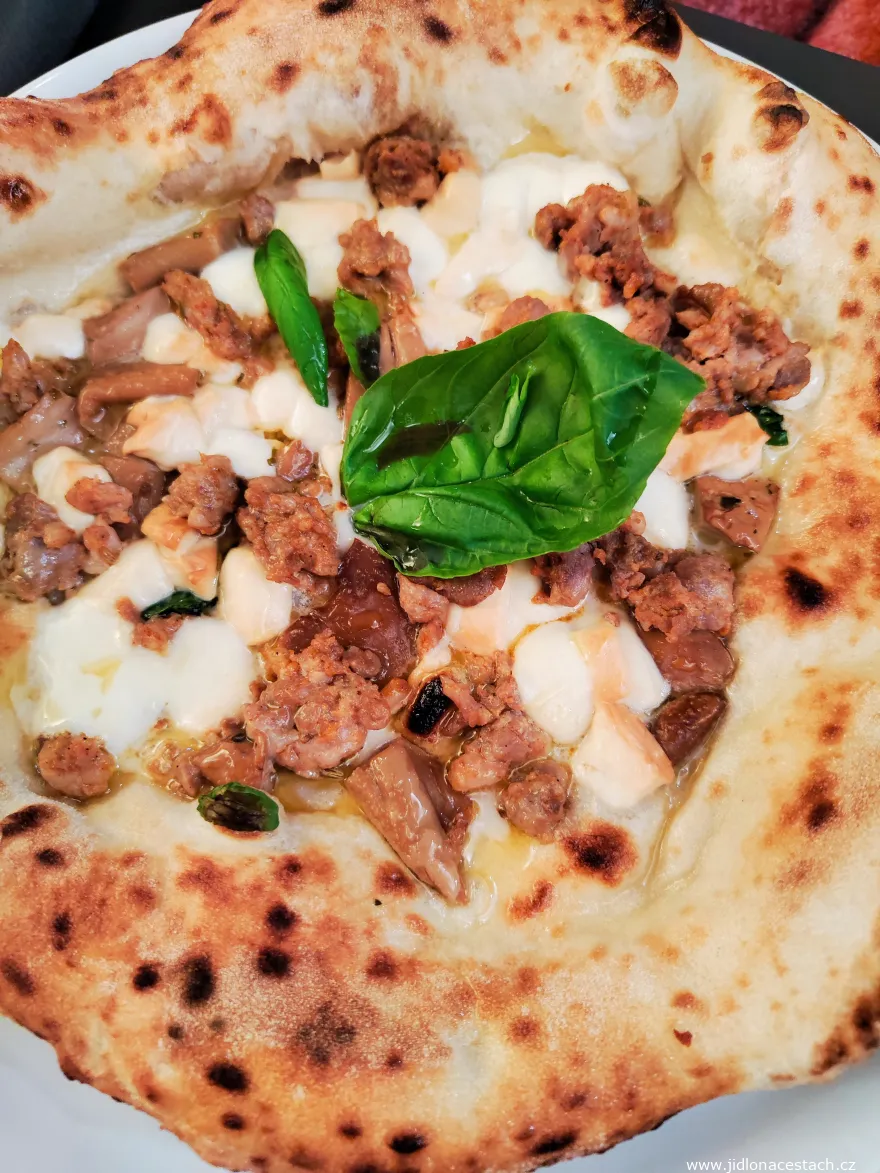
How Pizza Was Born and Who Protects It
The word is much older than the dish. The most often cited record comes from Gaeta in 997, where a Latin lease on a mill lists "pizzas" as payment in kind - and it doesn't mean pizza as we know it, just a plain flatbread from the oven. Linguists still haven't agreed on where the word came from: the candidates include the Lombardic bizzo, meaning a bite, the Greek pitta and the Latin pinsere, to crush. The only certainty is that Italians were calling flat breads by that name long before anyone put a tomato on one.
That happened in Naples in the mid-18th century, and a hundred years later pizza was feeding half the city: street vendors cut it into slices to suit the size of the buyer's wallet, and in 1843 Alexandre Dumas described versions with oil, cracklings, tomatoes and cheese. The story of pizzaiolo Raffaele Esposito creating the margherita in the colors of the flag for Queen Margherita of Savoy in 1889 is, sadly, more legend than fact - a Neapolitan cookbook describes the combination of tomatoes, mozzarella and basil as early as 1858. The royal visit most likely did happen, but it didn't invent the pizza; it just gave it a name and the kind of publicity no pizzaiolo could ever have bought.
Today Neapolitan pizza is protected twice over, and the two protections are easily confused: since 2010 the European Union has guarded its recipe as a Traditional Speciality Guaranteed, and since 2017 it has also been on UNESCO's Intangible Cultural Heritage list - except that what's inscribed there isn't pizza but the art of the Neapolitan pizzaiolo, a craft handed down from generation to generation. Italian emigrants carried pizza around the world; America's first pizzeria is traditionally dated to 1905 in New York, although historians still argue over who got there first. It didn't reach us in Czechia until the nineties - and it settled in as if it had always been there.
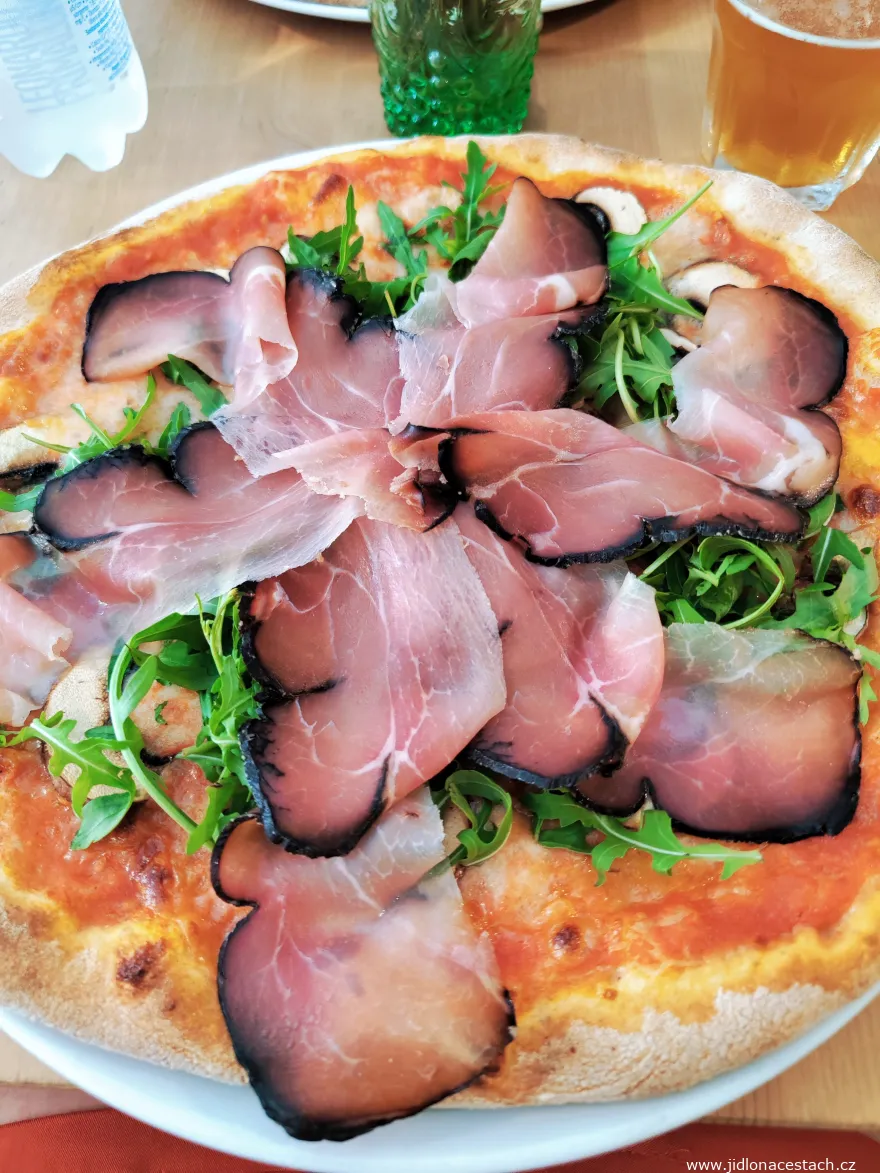
In Italy, Pizza Is a Genus, Not a Species
Type "pizza" into a translation app and out pops a round margherita. In Italian bakeries, though, the word works like the surname of a whole family of flatbreads and pies, most of which have never laid eyes on mozzarella. These are the very different members of the pizza family I've tasted on my travels around Italy:
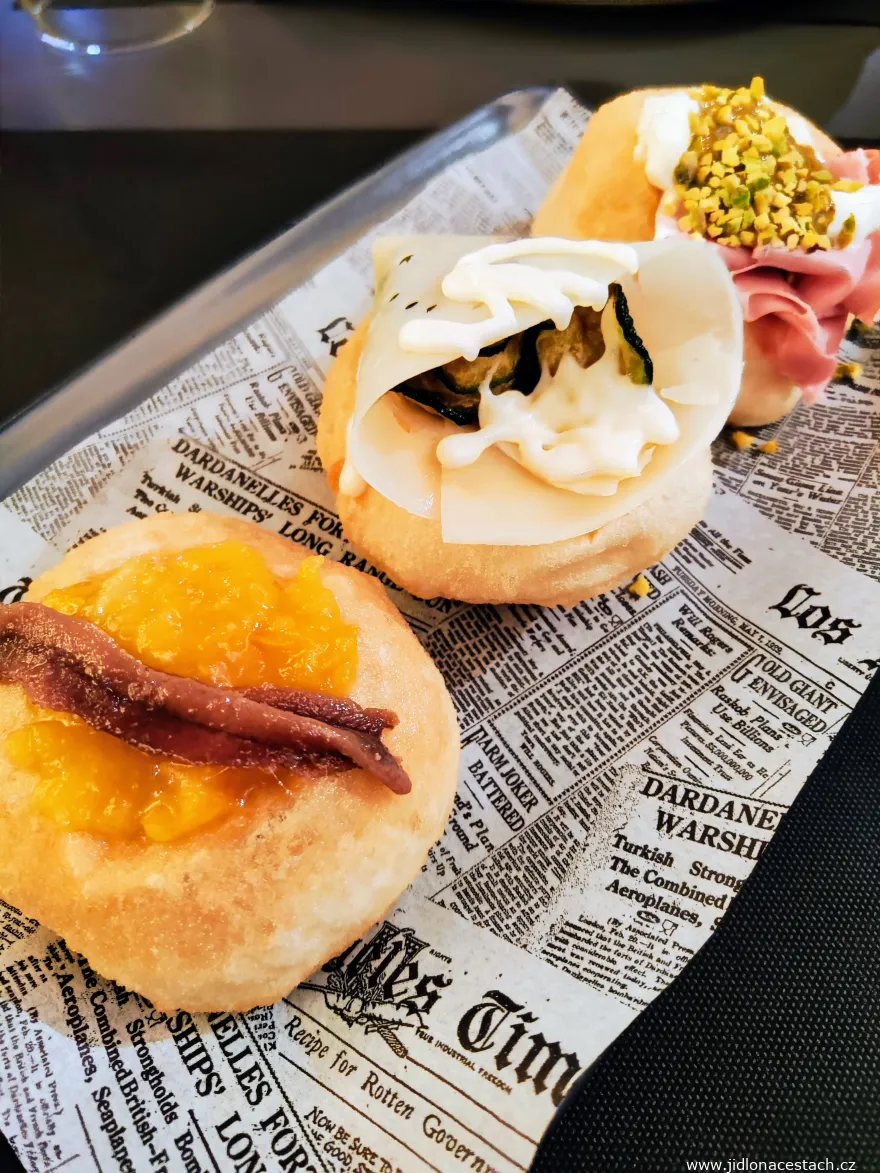
- Montanara. Neapolitan fried pizza: a ball of dough is fried in oil first and only then gets its tomatoes and cheese. In Matera, Pizzeria 400 Gradi made me a gourmet version - the one with an anchovy on yellow-tomato pesto was simply perfect.
- Pizza secca. Catania's dry flatbread, thin as a wafer, with nothing on it but tomato paste, oil and oregano. Bakeries sell it by weight and it snaps like a cookie; I've never come across it anywhere but Catania.
- Pizza rustica. A savory pie from the south: two layers of dough with melted cheese and ham in between. Every corner of the south bakes something different under that name, and it has almost nothing in common with the pizza you get at a pizzeria.
- Pizza in teglia. Pizza baked in a tray and sold by the slice and by weight - a Roman invention from the 1950s. In Palermo, Pizzeria Timilia makes it with flour from tumminia, an ancient Sicilian wheat, and in Turin I picked out my slices from the display case at Pizzeria Il Taglio.
- Pizza al padellino. A Turin classic baked in a small pan: taller and fluffy, with an edge that crisps up against the metal. The Neapolitan wave nearly pushed it out, but a handful of places are keeping it alive.
- Sfincione. Palermo's thick, fluffy flatbread with tomatoes, onions, anchovies and breadcrumbs. In America it goes by "Sicilian pizza"; in Palermo it's simply sfincione, and nobody there mistakes it for pizza.


Turkish, Armenian, French: Pizzas That Aren't Pizza
If something is flat and baked, sooner or later somebody will call it pizza. The most famous bearer of the nickname is lahmacun, a thin flatbread with a layer of spiced ground meat that people from Turkey to New York call Turkish pizza - while its twin from Armenian cooking, lahmajun, gets called Armenian pizza. Yet both actually come from Aleppo in Syria, cheese has no place on them and they're eaten rolled up; when Kim Kardashian captioned a photo of this flatbread "Armenian pizza" in 2020, it set off an international row. The closest thing to real pizza turns out to be Turkish pide, a boat of leavened dough with raised edges, where cheese is perfectly welcome.
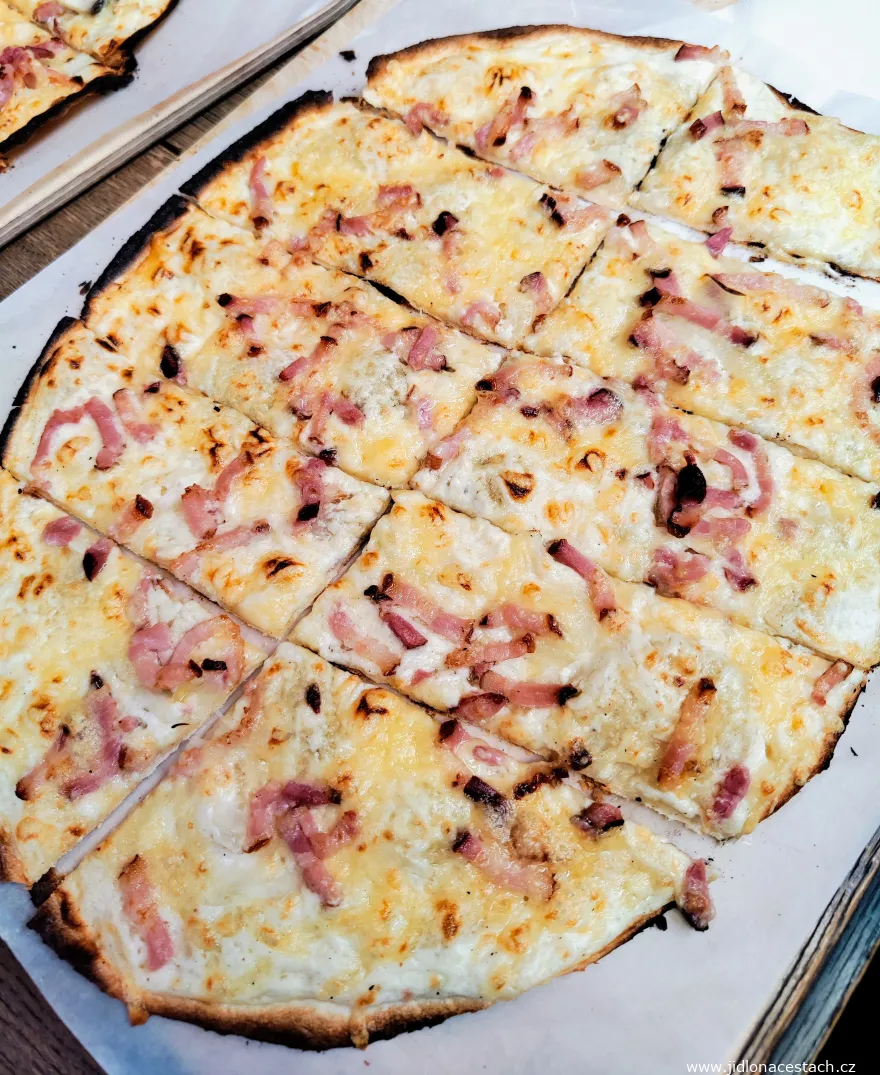
In Colmar in Alsace I tried tarte flambée, or Flammkuchen, the Franco-German pizza: a paper-thin flatbread with sour cream, onions and bacon. It supposedly started out as a test of whether a freshly fired bread oven was hot enough yet - and the test turned into a dish that French cooking now exports as proudly as Naples does its own. The same label gets stuck on Georgian khachapuri, a boat filled with cheese and egg, and on Lebanese manakish with za'atar. Pizza is simply the quickest explanation a cuisine can come up with for foreigners.

Two Pizza Memories That Run Deep
My most vivid pizza memory goes back years, to a February night just before midnight in Bari. We'd flown in late in the evening, hungry and with our hearts set on pizza - and only one pizzeria near where we were staying was still open. We sat in woolly hats on a square bathed in warm yellow light, steam rose from the pizza, and that ridiculously cheap flatbread was one of the most perfect I've ever eaten. In Palermo, on the other hand, the glass screen around the terrace where we had dinner sported a deep dent - from a bullet, or a stone kicked up by a tire? The glass was thick, the dent unsettlingly deep and the pizza excellent. Who knows!
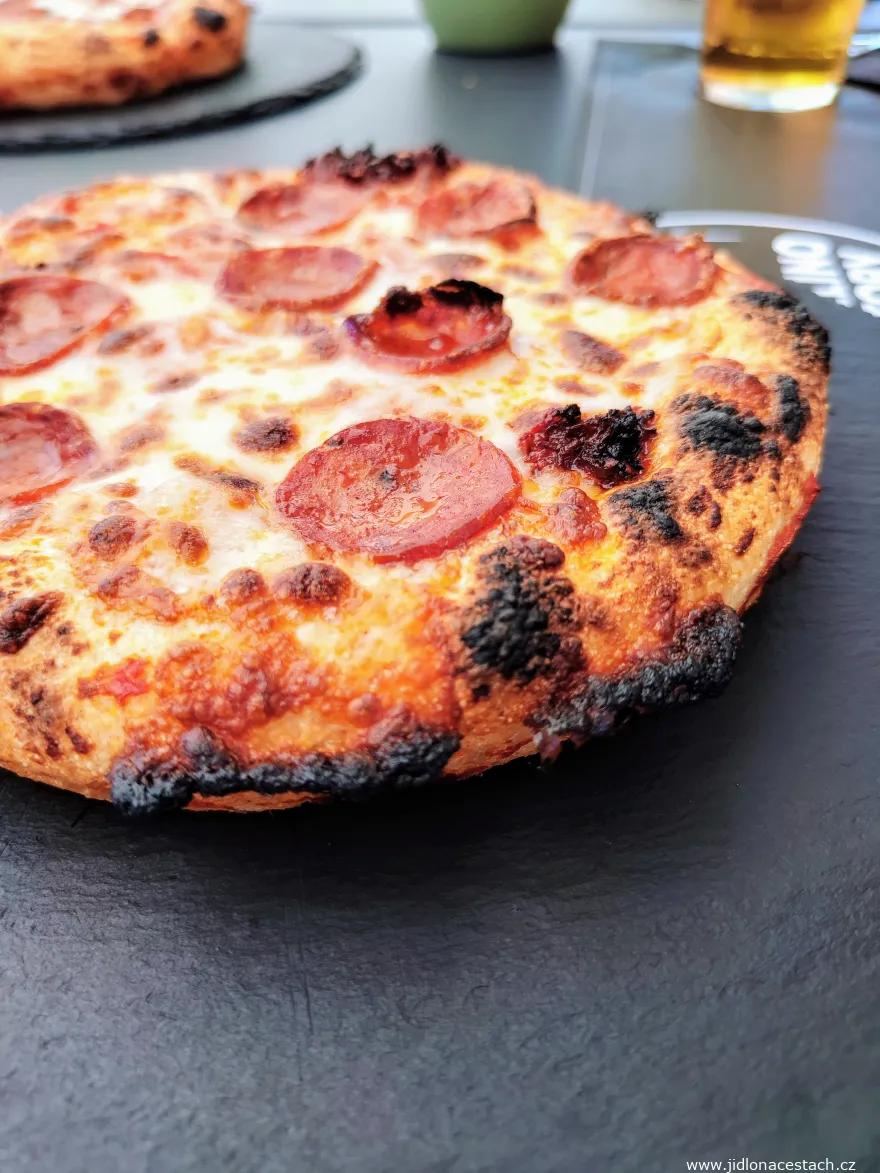
So next time you're abroad and spot a flatbread the locals call pizza, give it a try: chances are it won't be pizza at all, and that's exactly why it's worth it.



Lahmajun: The Armenian Pizza with Roots in Aleppo
Lahmajun is a thin, crisp flatbread spread with a raw mix of ground meat, tomato, bell pepper and onion and baked in fierce heat. Armenians call it Armenian pizza, even though the name is Arabic and it didn't reach Armenia until the 1960s, with repatriates from Aleppo in Syria. I ate it at Anteb Restaurant in Yerevan, where the dough was as thin as paper.

Pizza Rustica: A Savory Pie from Southern Italy
In southern Italy, the word pizza doesn't always mean a round base with tomatoes. Pizza rustica is a savory pie cut from a bakery tray: two layers of dough with cheese and ham between them, most often, and it's sold by weight. And the same name covers a different dish in Naples, in Bari and in Matera - I found mine in Gravina in Puglia.

Pizzeria 400 Gradi: Neapolitan Pizza in Matera
Pizzeria 400 Gradi brought Neapolitan pizza to Matera, a city that otherwise swears by bread. Local reviewers rank this small family place - oven in full view, dough matured for two days, a crust speckled with leopardatura - among the best in town. And I ended up celebrating the American pizza holiday there.

Montanara: Fried Neapolitan Pizza
A fried pizza from Naples that supposedly owes its name to a mountain man's lunch: instead of being baked, montanara goes into hot oil and gets dressed only once it comes out. In the film The Gold of Naples it was even sold on credit. In Matera they now serve it in gourmet versions - from mortadella with pistachios to an anchovy on yellow tomato pesto.

Pizza Secca: The Dry Pizza from Catania's Bakeries
Pizza secca is Catania's "dry pizza": a sheet of dough rolled out to a few millimeters, brushed with tomato paste, oil and oregano and baked until crisp. The bakeries of Catania sell it cold and by weight, and nowhere else in Sicily will you find it. This piece explains why a dry flatbread is called pizza, how it differs from sfincione and where I bought mine.

Pizzeria Timilia: Pizza from an Ancient Wheat in Palermo
Pizzeria Timilia on Palermo's via Maqueda takes its name not from a family but from tumminia, an ancient Sicilian wheat that goes into every dough the place mixes. What it bakes is pizza in teglia: in a tray, sold by the piece and by weight, warmed through just before it reaches you. What that format is, where it came from, and what the two pieces I picked out of the display case cost.

Pizzeria Cerere: A Family Pizzeria with Five Tables in Cagliari
A small family pizzeria in the center of Cagliari: five tables, he works the oven, she works the room, and a name borrowed from the Roman goddess of the harvest. Pizzeria Cerere stays open on Sundays and Mondays, when most of the city shuts, and alongside its twenty pizzas the menu keeps a Sardinian classic with pecorino and cured sausage. Plus an unfiltered Ichnusa from nearby Assemini.

Pizzeria da Michele: Sorrento's Namesake of the Famous Naples Pizzeria
Da Michele - a name that in the pizza world means Naples and a chain of more than seventy branches from London to Tokyo. The Sorrento one isn't among them: it's the small pizzeria and rosticceria of Michele Sorrentino, a few steps from Piazza Tasso, where locals come for a box to go. Unlike the Naples family, he needs nothing more than his own first name - and no court case to keep it.