What to Eat in Romania: Typical Romanian Food and Specialties

Restaurant Rustic: Romanian Classics with a Modern Twist on the Edge of Iași
Restaurant Rustic on the edge of Iași cooks traditional Romanian dishes the old way and serves them with a lightness its peasant name never promises. The hotel restaurant is worth the detour out to the edge of town. A piece about cauldron ribs, the first Romanian cookbook from 1841, and why it is better to give the taxi driver the name of the Bellaria hotel than the one on the sign.

Papanași: A Romanian Dessert of Curd Cheese, Sour Cream and Jam
Papanași are fried doughnuts made of curd cheese dough, a ring with a little ball on top drowned in sour cream and jam - the only Romanian dessert in the ranking of the hundred best in the world. I'll explain why they aren't doughnuts, what they share with the curd dumplings from a Czech school canteen and what they tasted like at Restaurant Rustic in Iași.

Ciorbă: Romanian Sour Soups
Ciorbă is the umbrella name for the sour soups of Romanian cooking, thick and so filling that with a slice of bread they stand in for a whole lunch. Romanian sorts them out from unsoured supă by one thing alone: sourness, which comes from lemon, sauerkraut brine or the fermented bran water called borș. I tasted four of them: the rădăuțeană from 1982, the rooster ciorbă de cocoș, the tripe one and the meatball one under a layer of lovage.

Mici: Romanian Grilled Ground Meat Rolls
Mici, in Romanian also mititei, are rolls of seasoned ground meat with no casing, grilled over charcoal and served with mustard and bread. They are the most widespread dish in Romanian cuisine: on May 1 Romanians get through an estimated thirty million of them. No one has ever found any evidence for the legend of the innkeeper who ran out of casings, while a recipe from 1920 expressly forbade pork.

Alexandru cel Bun Market, Iași: A Market Hall for Locals
Alexandru cel Bun Market is the largest market in Iași - a hectare of stalls in a residential district where locals come to shop and tourists don't. It was there that I first saw whole heads of cabbage fermented for sarmale, barrels of pickled cucumbers, horseradish sold by the kilo and freshly shelled walnuts. The market's name goes back to a charter from 1408, the oldest mention of Iași there is.

Cozonac: Romania's Sweet Holiday Bread
Cozonac is a Romanian festive bread made from a rich yeast dough, with a filling of walnuts, cocoa, poppy seeds or rahat rolled into a spiral and baked in a loaf pan. It goes on the table at Christmas and at Easter, and it belongs to a family that also includes Bulgarian kozunak, Greek tsoureki and Italian panettone. You can tell a good cozonac by the way it tears along the grain, into long strips.

Covrigi: Romanian Pretzels
Covrigi are Romanian pretzels: rings of leavened dough scattered with poppy seeds, sesame or salt, sold from bakery windows all over the country and eaten while they are still warm, ideally with kefir. Romania borrowed the name from a Bulgarian loaf, and the most famous thin rings come from Buzău. In Iași you buy them from the windows of the Petru chain and from Calzi Miki, a bakery the size of a newsstand.
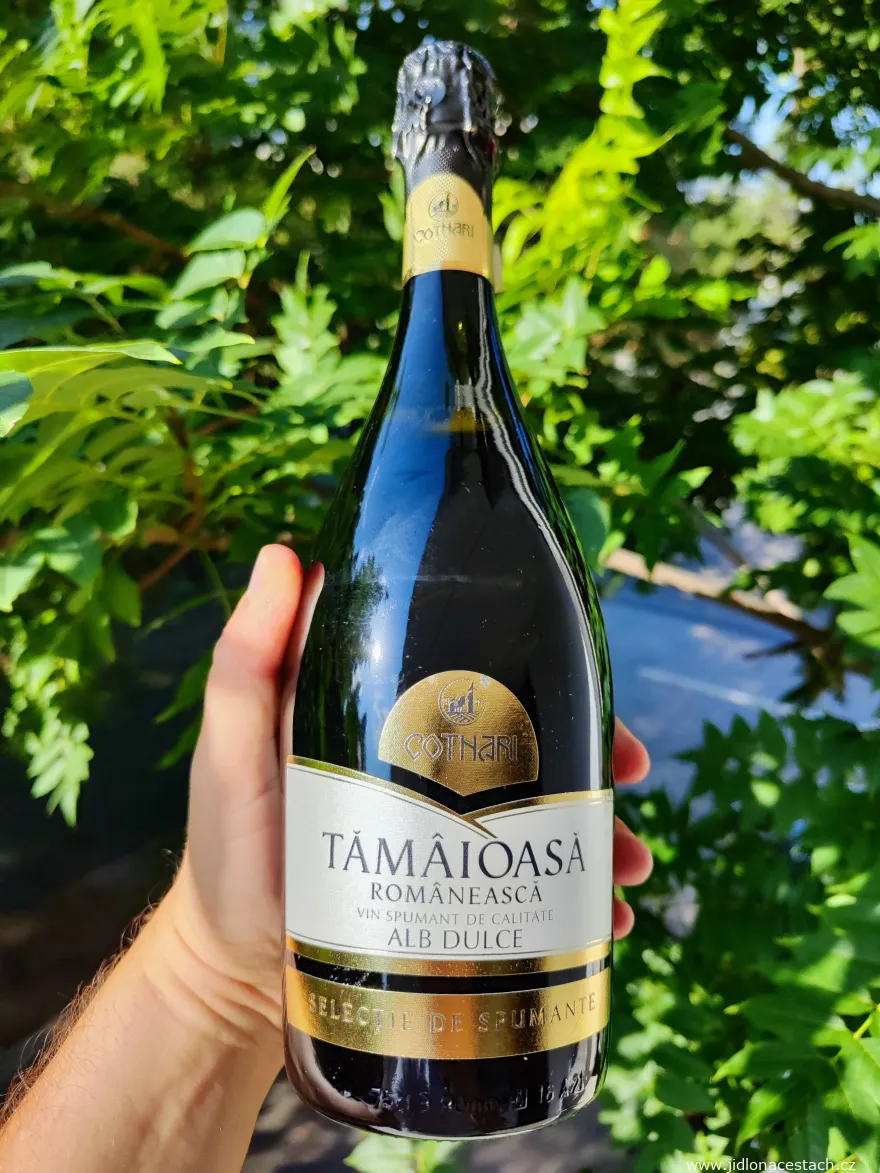
Romanian Wine: Fetească Grapes, Cotnari, and Two Bottles from Iași
Romania is the sixth-biggest wine producer in the European Union, and yet almost nobody outside its borders knows it - the country drinks most of it itself. It's built on grapes of its own, with homespun names: fetească is the maiden's, băbească the grandmother's, and tămâioasă smells of incense. They grow on both banks of the Prut, so Romania shares them with the Republic of Moldova - and argues with it over them at the same time; in Cotnari the sweet grasă joins them.

Romanian Beer: Ursus, Timișoreana, PET Bottles and the Craft Scene
More often than not, Romanian beer is a pale lager from one of the three foreign corporations that own Ursus, Timișoreana, Ciuc and Bergenbier. The first brewery was founded in Timișoara in 1718 by the Habsburg army, two-and-a-half-liter plastic bottles conquered the country in the 1990s, and a craft scene has been growing since 2013, in Iași too. A guide to the brands and to the four beers I tasted.

Beraria Veche: A Beer House with Pans Full of Meat in Iași
Beraria Veche carries the name of a famous Iași brewery that no longer stands - and yet the restaurant itself only opened in 2012. The beer house on Sărărie street cooks Romanian classics from ciorbă to mici, and its heartiest item is a pan of meat that feeds two. And the translation of the name, the Old Brewery, is wrong and right at the same time.