Wine
Wine is fermented grape juice. A simple definition that hides eight thousand years of history and a debate over who came first that still hasn't been settled. Whenever I get the chance on my travels, I head out to the vineyards - the most beautiful ones I've found so far are in Saint-Émilion in France. My favorites are reds, the soft, round ones with a creamy smoothness, although now and then I'm in the mood for something bolder that lingers on the palate. And I rarely pass up a local dessert wine.
This tag gathers everything I've written about wine on my travels: tastings across Europe, the Caucasus and North Africa, wine villages, cellars and bars. And since I'm always learning more about wine, I've also put together what I wish I'd known sooner - how wine is actually made, how champagne differs from cava, and why a hectare of Burgundy vineyard costs more than a Prague apartment building.

How Wine Is Made
It all starts with deciding when to pick. Every extra day means more sugar and less acidity - and the winemaker is after balance. Picking by hand lets you sort out unripe and diseased grapes right in the vineyard, and on steep terraces it's the only option. Machines, on the other hand, are faster when rain is on the way. The popular idea that hand-picking by itself means better wine doesn't hold up, though - in a tasting, hardly anyone can tell the difference.
Next come destemming and crushing: the berries are separated from the stems, which would otherwise add bitter, green notes, and the skins are split open. For white wine, the juice is pressed right away and only the clear must ferments; for red, the juice ferments together with the skins for two to four weeks - this is called maceration, and it's where the wine picks up both its color and its tannin. Fermentation is the work of yeasts, which turn sugar into alcohol and carbon dioxide: white wines ferment cooler (around 18-20 °C) to hold on to their fresh aromas, reds warmer (26-30 °C) so the skins give up as much color as possible.
After the main fermentation, most reds go through a second, quieter one: malolactic fermentation, in which bacteria convert sharp malic acid into softer lactic acid. This is exactly where that creamy, velvety smoothness I love most in red wines comes from. Then the wine ages - in stainless steel, which leaves it with a clean, fruity character, or in oak barrels, which slowly add vanilla, spice and structure. The smaller and newer the barrel, the more wood you taste in the finished wine; a classic barrique holds 225 liters. Finally, the wine is fined, filtered if needed, and bottled.

Red, White, Rosé and Orange
The color of a wine comes down entirely to the skins. The must itself is almost always colorless - you can press white wine even from dark-skinned grapes, as long as the juice never touches the skins; that's exactly how blanc de noirs champagne is made from Pinot Noir. Red wine ferments with its skins for weeks, while rosé gets only a few hours to a few days in contact with them. There's also the saignée method, where the winemaker "bleeds off" part of the juice from a vat of future red to make rosé and leaves the rest to concentrate. What you can't do with still wines in the EU is blend white with red - the one traditional exception is rosé champagne.
And then there's a fourth color that was long overlooked: orange. Orange wine is white wine made the way red wine is - the must ferments with the skins for days or even months, taking on an amber color, tannin and a flavor that recalls tea or nuts more than fruit. Nobody has taken this further than Georgia, where wine has been fermented for thousands of years in clay qvevri vessels buried in the ground; I first came across amber wines in the wine bars of Tbilisi.

Sparkling Wines: Champagne, Cava and Prosecco
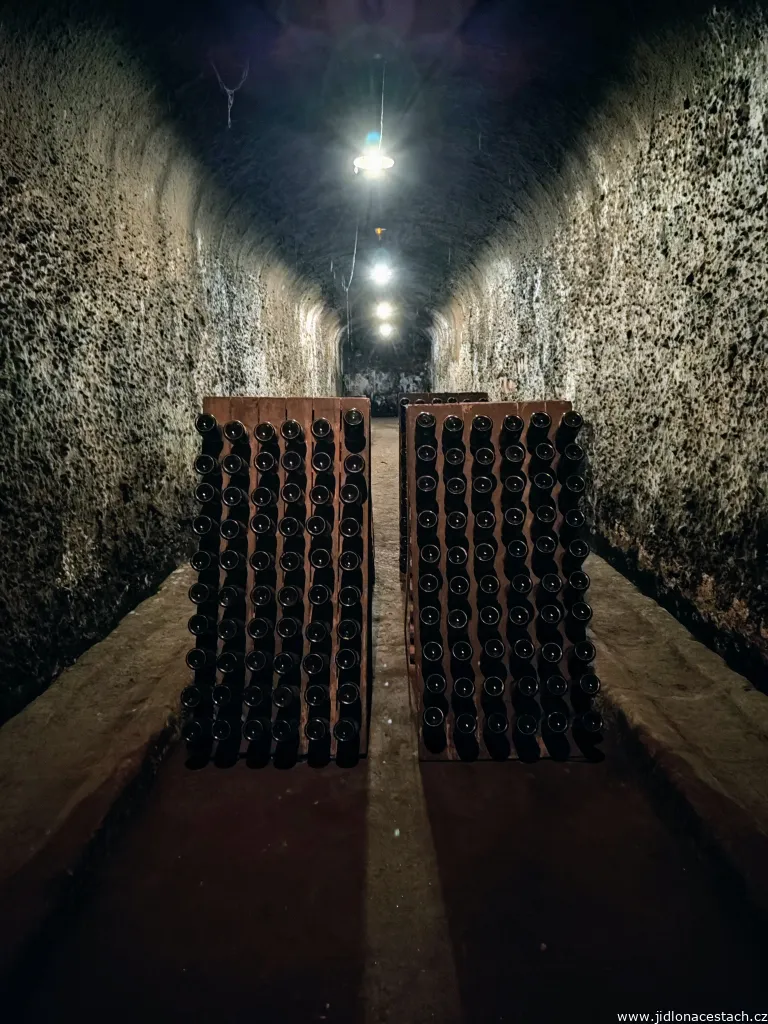
The bubbles come from a second fermentation - and depending on where it happens, sparkling wines fall into two big families. The traditional method (méthode traditionnelle) has the wine ferment a second time right in the bottle: sugar and yeast are added to a still wine, the bottle is sealed, and the carbon dioxide has nowhere to go. The bottles then rest on their lees for months or years, are gradually turned neck down (remuage), and finally the frozen plug of sediment is shot out (disgorgement). The other family, the Charmat method, runs the second fermentation in a large pressurized tank - it's faster and cheaper and keeps the fruity freshness; that's how prosecco is made.
The names, on the other hand, are a matter of law, not chemistry. Only wine from the French region of Champagne may be called champagne; Catalan cava is made by the same traditional method, but it isn't allowed to use that name. Prosecco has to be at least 85% Glera, French sparkling wines from outside Champagne are called crémant - and Germans and Czechs alike call their own sparkling wine sekt. One more trap on the label: the sweetness scale runs from brut nature (no added sugar) through brut to demi-sec and doux; "sec", which literally means "dry", is in fact off-dry.
My most vivid sparkling wine memory is a bottle of Mestres Visol Gran Reserva someone opened for me in Alicante: a cava without a single gram of added sugar, from a family documented in the vineyards of Sant Sadurní d'Anoia as far back as 1312, after four years of aging on the lees. The bubbles were fine and slow, the aroma more bready than fruity. Back in Prague, I treat myself to sparkling rituals at the Champagneria wine bar - though I have to admit that lately I mostly go there for a proper Christmas mulled wine.
Fortified and Dessert Wines
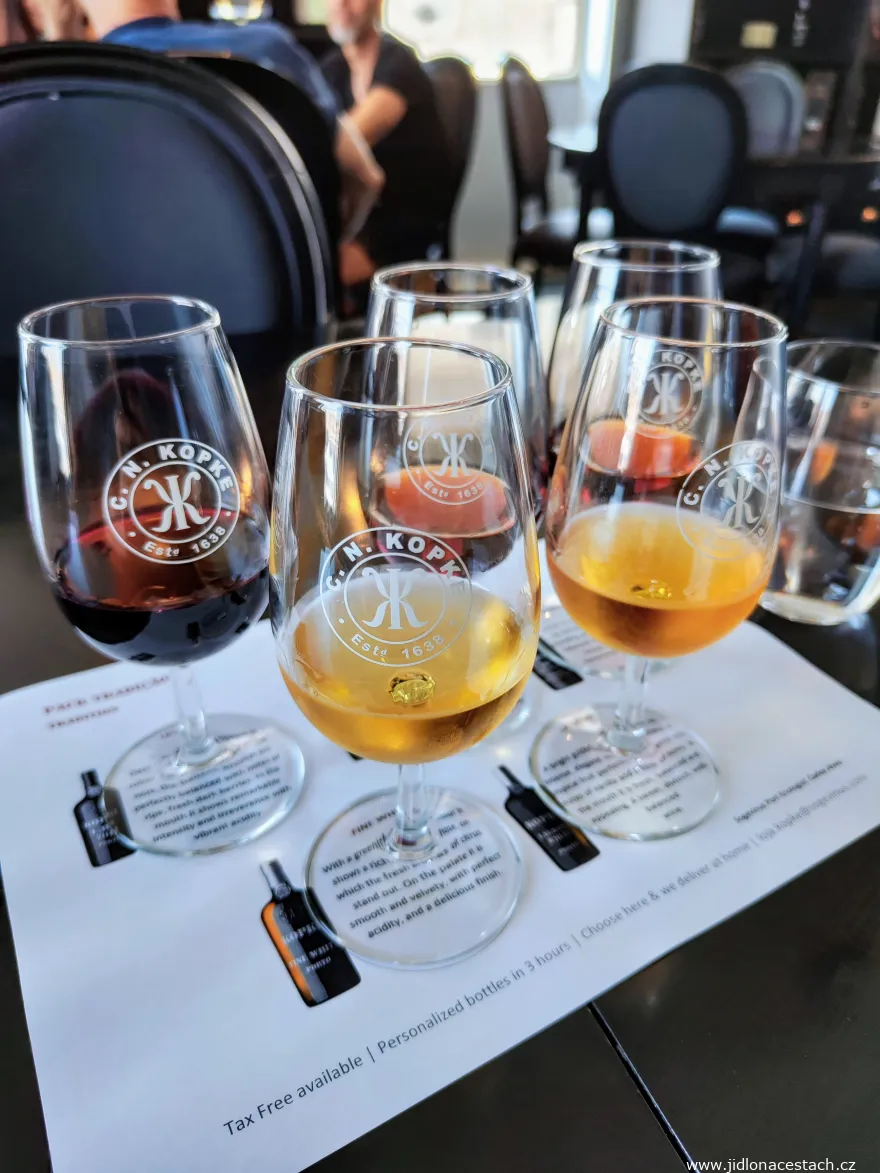
Fortified wine is made by adding grape spirit. With port, the spirit is poured into wine that is still fermenting: the yeasts die, the unfermented sugar stays, and the result is sweet and strong. Young, fruity port is sold as ruby; port aged for years in casks, slowly oxidizing and picking up nutty notes, is sold as tawny, and the pinnacle is vintage port from a single exceptional year. I've made my way through the port lodges of Vila Nova de Gaia, across the river from Porto - Kopke is the oldest port brand of all.
Spanish sherry takes a different path: white wine ages in a solera system of casks, where younger wine is gradually blended with older, and the dry fino and manzanilla styles are protected from the air by a layer of yeast called flor. Madeira is even heated on purpose, and in Sicily they fortify Marsala. The oddest relative I've come across was in Sardinia: Vernaccia di Oristano ages for years in casks that aren't topped up, under a layer of yeast much like sherry, only without being fortified - tourists send it back thinking it's gone off, while connoisseurs drink it with bottarga (more in my article on Sardinian wine).
Dessert wines, my little weakness, get their sweetness without any added spirit: the noble rot Botrytis cinerea shrivels the berries on the vine (that's how French Sauternes and the famous Tokaji from Hungary are made), ice wine is pressed from frozen grapes, and straw wine from grapes dried after harvest. I've tasted a sweet moscatel in Alicante, honey and orange peel in a glass, and the sweet sparkling Tămâioasă românească from Cotnari, which makes it clear why the grape is named after incense. And I have to own up to some unfinished business: I went to Alicante for fondillón, a powerful wine made from overripe Monastrell and aged ten years or more in a solera - and in the end it was left waiting for me in its cask, because I was steered toward three Monastrells instead (the whole story is in my article on the wines of Alicante).
Wine Powerhouses and the Cradle of Wine
Who makes the most wine? According to the International Organisation of Vine and Wine (OIV), the 2024 ranking puts Italy ahead of France and Spain - together, these three produce roughly half of the world's wine. Yet the largest vineyard area in the world belongs to Spain (919,000 hectares in 2025); Italy gets more wine out of less land thanks to higher yields. And when it comes to drinking, the leader is, surprisingly, not France but Portugal: 61.1 liters per person in 2024, with France in second place. Set against Europe's "Old World" is the New World - California's Napa, which beat top French wines in a blind tasting in 1976, Chile, where phylloxera never arrived, Argentine Malbec and Australian Shiraz.
Wine's origins lie elsewhere, though. The oldest chemical traces of wine in the world come from clay shards found in Georgia, some eight thousand years old; the Georgian method of fermenting in qvevri has been on the UNESCO list since 2013. The oldest complete winery - with a press, a vat and even grape seeds - was found in the Areni-1 cave in Armenia, and the two countries are still squabbling over the title of cradle of wine (more in my article on Armenian wine). From there, the vine spread by way of Persia, the Phoenicians, Greece and Rome across the whole of Europe.
Regulation is a similar tug-of-war: a Tuscan edict drew the boundaries of the Chianti area in 1716, the Tokaj vineyards were classified from 1730 onward, and Portugal's Douro came under the first state oversight in 1756 - each of these regions now claims to be first by a different yardstick. Saint-Émilion's charter of 1199, meanwhile, is one of the oldest wine regulations of all. On a world scale, Czechia is a small producer - 96 percent of Czech vineyards are in Moravia. And a nice little detail to finish: the oldest vine in the world still bearing fruit, the more than 400-year-old Stara trta, grows on the front of a house in Maribor, Slovenia.
The World's Most Expensive Wines and Vineyards
Burgundy rules the auction records. A bottle of Domaine de la Romanée-Conti 1945 sold at auction in March 2026 for $812,500 - only 600 bottles were made that year, the last vintage before the vineyard was grubbed up after phylloxera, breaking the $558,000 record set by the very same wine at a Sotheby's auction in 2018. Among wines regularly on the market, the most expensive is Leroy Musigny Grand Cru, at tens of thousands of dollars a bottle; six wines in the top ten come from a single winemaker, Lalou Bize-Leroy, and the only non-French entry is a German Riesling, Egon Müller Scharzhofberger Trockenbeerenauslese from the Mosel.
The same logic applies to land: Burgundy's grand cru vineyards are by far the most expensive farmland in the world - converted, that's tens of millions of euros per hectare, well ahead of Bordeaux, Champagne and California's Napa. In Bordeaux, prestige is measured by the 1855 classification, whose five first growths (premiers crus) - Lafite, Latour, Margaux, Haut-Brion and, since 1973, Mouton Rothschild - the world still knows today. And Cristal champagne was created in 1876 for Russia's Tsar Alexander II - in a clear bottle with a flat bottom, so that no one could hide a bomb underneath it, and until 1945 it wasn't sold outside the imperial court at all.
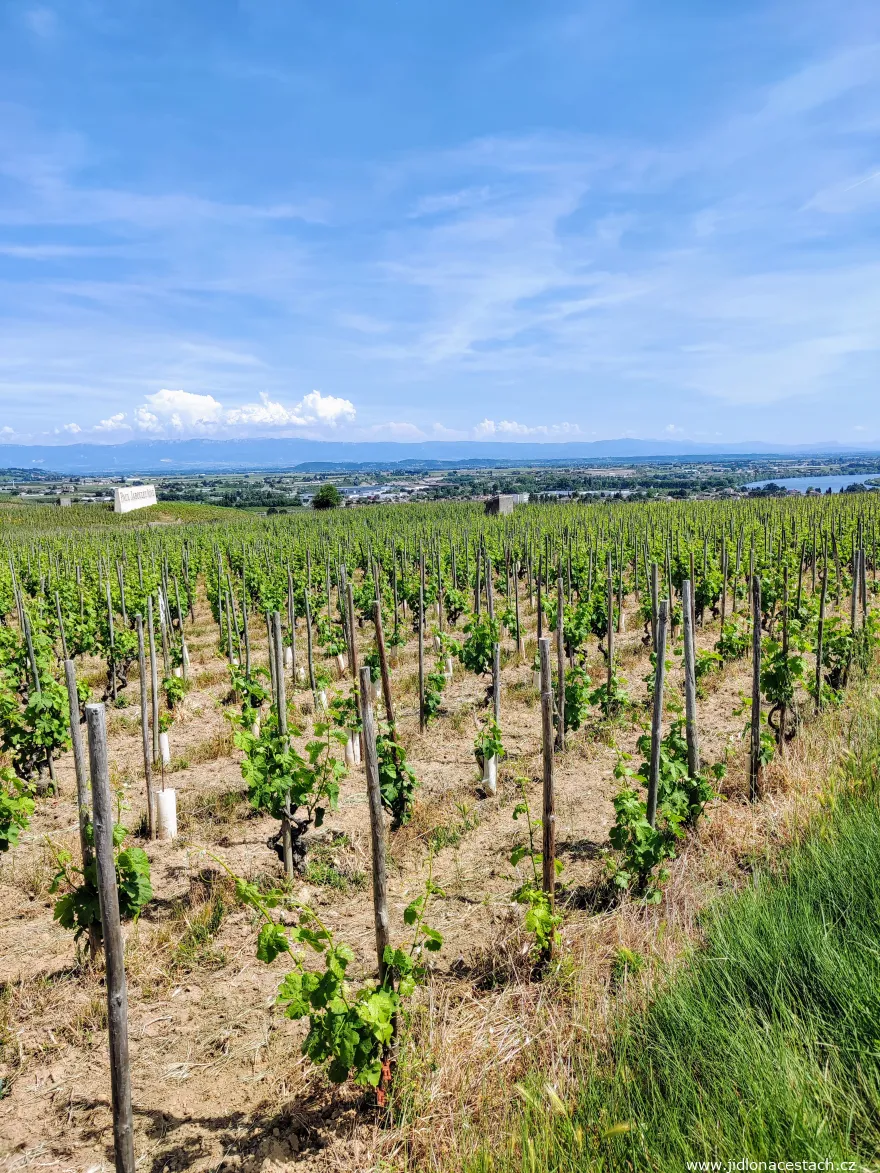
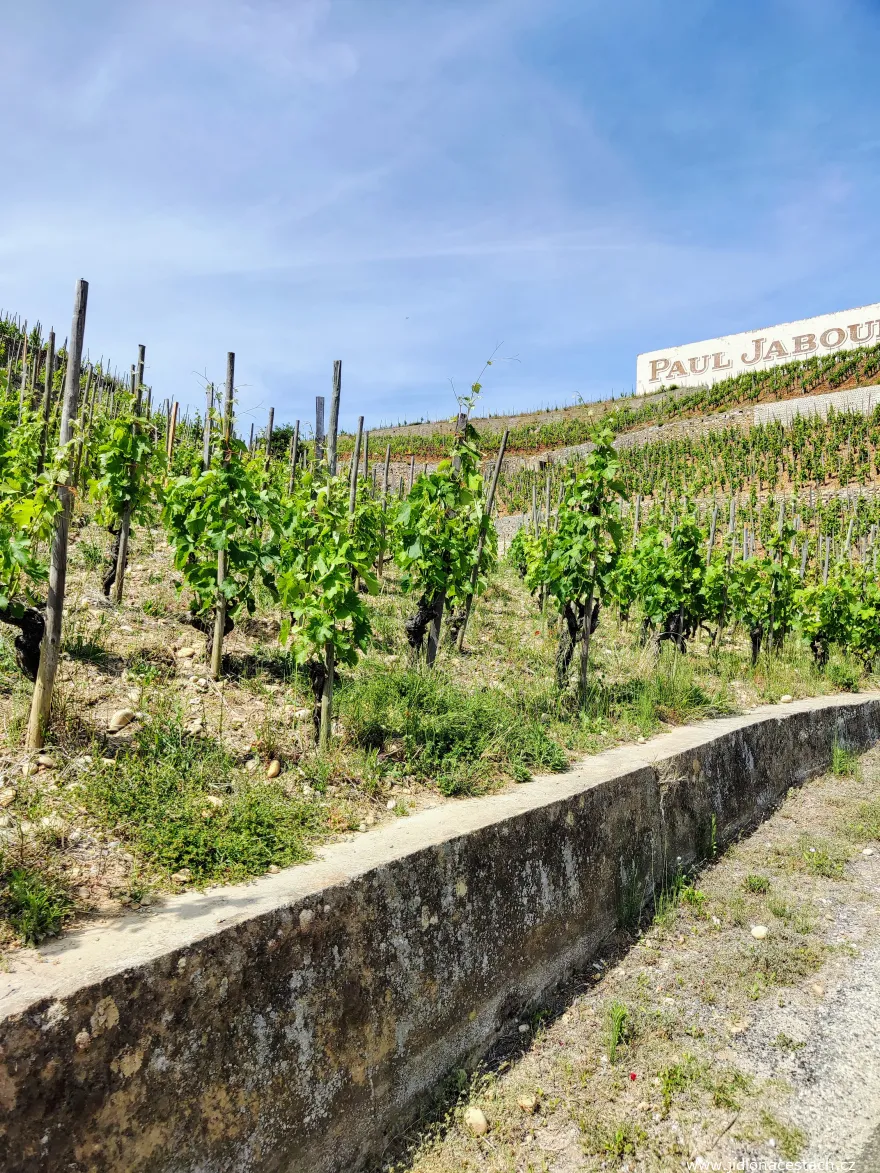
I'll admit it freely: I only know these wines from stories and price tags. And that doesn't bother me one bit. My best wine experiences have always been about the people I'm tasting with - in Tain-l'Hermitage, home to some of the most famous Syrahs in the world, we spent a whole day tasting at Cave de Tain and at Chapoutier, for free and entirely unplanned, and the only bill that day was for the train from Lyon.
Wine on My Travels
Below this text you'll find all my articles about wine; here I'll pick out what stuck with me most from each country (as of September 13, 2026).
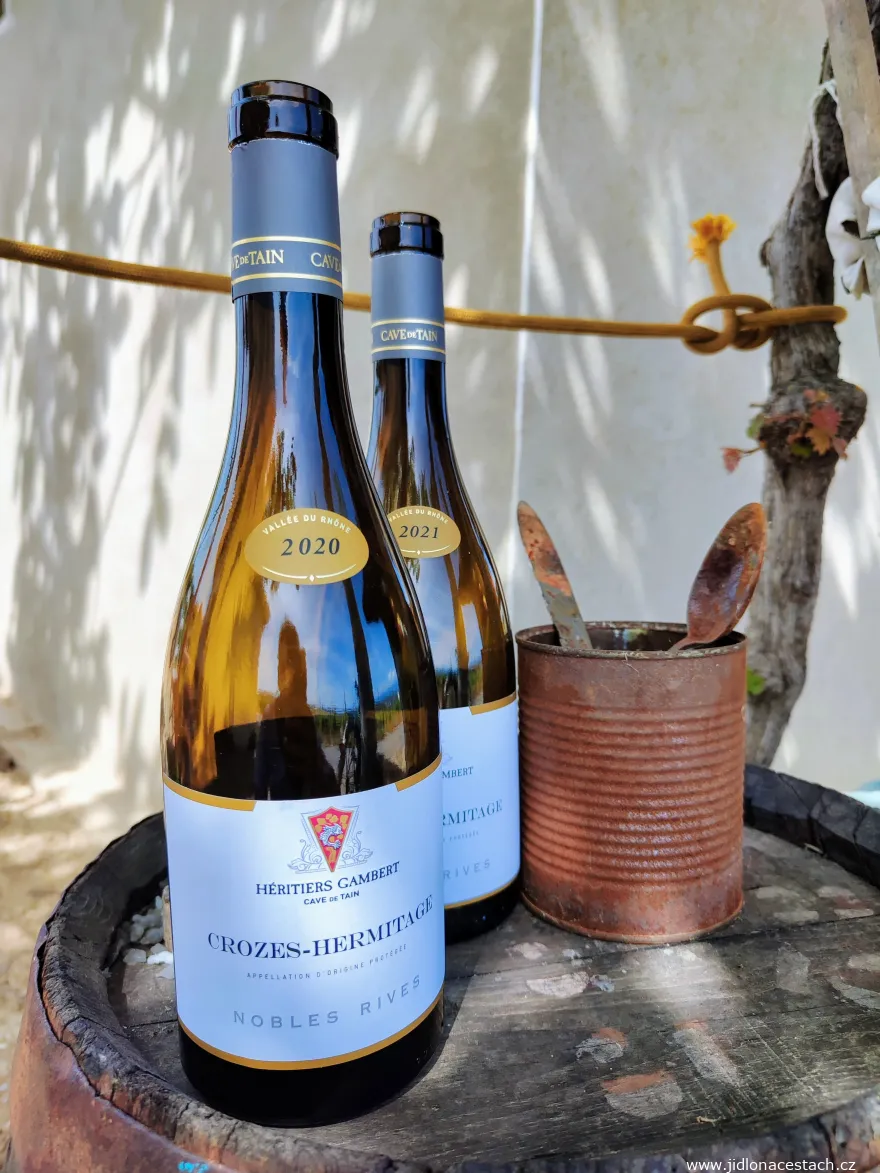
- France. The most beautiful wine places I know: Saint-Émilion near Bordeaux, down-to-earth Tain-l'Hermitage on the Rhône, and La Cité du Vin, a wine museum shaped like a decanter, where the displays of different wine aromas kept me the longest.
- Spain. Monastrell from Alicante, which completely won me over, and cava; plus a scene I'll never forget: a bartender in San Sebastián pouring txakoli from half a meter up to make it sparkle.
- Italy. In Sardinia I put together a ranking of six supermarket bottles - one of the cheapest Vermentinos came out on top. The wines of Piedmont and Sicily are still waiting for articles of their own.
- Israel. Of the four bottles I bought in Jerusalem, the one I liked best had no winery name on it - just the designation of origin, the Land of Judea.
- Armenia. Three bottles from a shop in Yerevan - the most approachable was the soft, round Karas. On top of that, pomegranate wine, which tastes of the very fruit it's made from.
- Georgia. Wine bars in Tbilisi, tastings by the glass, Saperavi, Rkatsiteli and amber wines from qvevri - even after eight thousand years, you can tell this is the cradle of wine.
- The Balkans. Bulgarian Mavrud set me straight after the impression Bear's Blood had left on me back in my college days; in Romania's Iași, Romanian and Moldovan bottles stand side by side on the shelf as if the border had never existed; and I spent my first night in Albania at a small winery.
- Turkey and Tunisia. Two Muslim countries with vines deep in their history: Anatolia is one of the cradles of winemaking, even though at home Turkish wine now ranks behind rakı and beer; I hunted down Tunisian bottles in Monoprix stores, a legacy of the French colonial era.
- Switzerland. Of every hundred bottles of Swiss wine, only about one leaves the country - mine was a light, mineral Chasselas Yvorne Grand Cru.
- Cyprus and Greece. The dessert wine commandaria and pine-scented retsina - yes, I have a real soft spot for a good retsina.
- Czechia. For ten years now I've kept coming back to the Na břehu Rhôny wine bars, where you tap your own wine from bag-in-boxes; around Christmas I head to Champagneria for a proper mulled wine; and for wine in Prague you can even go to St. Clare's Vineyard in the botanical garden.

But the loveliest wine twist of all came courtesy of Bordeaux. In the shop at La Cité du Vin, stocked with a range of wines from around the world like nothing I've seen anywhere else, I came across a Moravian Pálava from the Sonberk winery. The museum takes in the wine cultures of the whole world - and in the end, the bottle I liked best was one I know from home. That's wine for you: you can travel the world chasing it, and it still gets you where you least expect it. Which wine won you over on your travels?



Moldovan Wine: Rară Neagră, Underground Cellars, and a Glass from the South
Moldovan wine comes from a country where vines cover seven percent of the farmland. Moldova shares the fetească and rară neagră grapes with Romania, the tsarist era left it French varieties, and the underground cities of Cricova and Mileștii Mici rank among the largest cellars in the world. After two Russian embargoes, most of its bottles now go to the EU, and alongside the big industrial wineries a new wave of small winemakers from the south is taking root.

Cricova Winery: An Underground City of Wine Near Chișinău
Cricova turned the quarried-out limestone tunnels near Chișinău into an underground city of wine: 120 kilometers of tunnels with streets named after grape varieties, electric trains and sparkling wine aging right in the bottle. The state winery's collection holds more than a million bottles, including Göring's war loot and a 1902 Becherovka, the Czech herbal liqueur. Guided tours with tastings, offered in six languages, take you through the underground.

Must: Grape Juice Halfway to Wine
Must is fresh grape juice from the new harvest, the way it's drunk in autumn in Moldova and Romania - sweet, cloudy and wilder by the day as the yeasts get to work. Once it starts to fizz, it's the counterpart of Czech burčák; the next stage Moldovans call tulburel, literally "the little cloudy one". Because it can't be transported, it's drunk only a few weeks a year, and only where it was born.

Wine.md Wine Bar: Moldovan Wine from Self-Service Machines in Chișinău
Wine.md is a self-service tasting room in the center of Chișinău. Nobody pours for the guests here: they get a card at the bar, pour themselves small measures of Moldovan wines from Enomatic machines and pay only when they leave. The wine bar stands at an intersection known as the Drunken Corner, where wine was already being sold in the late 19th century, and it bills itself as the city's first tasting room since 1985.
Albanian Wine: Kallmet, Shesh and a Night at a Winery
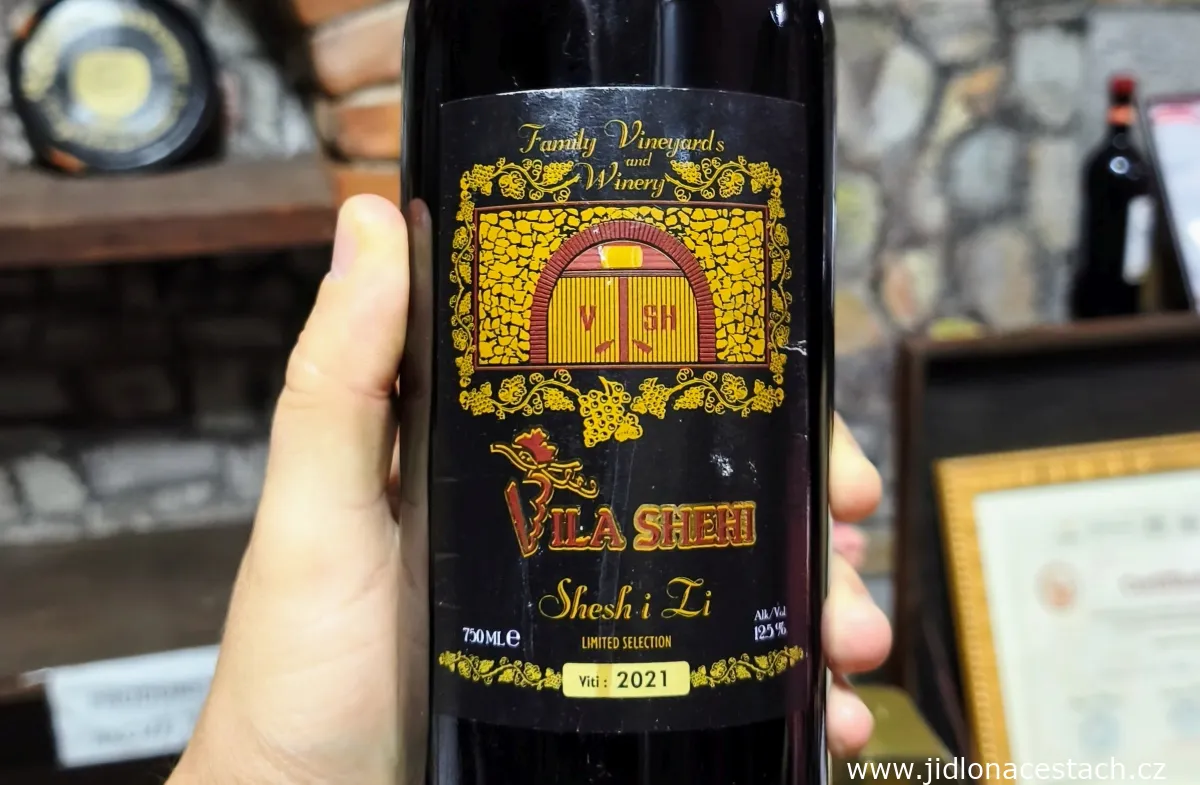
Albanian wine is made from grapes named after villages: Kallmet from near Lezhë, Shesh i Zi and Shesh i Bardhë from near Tirana. It was already being made in the ancient ports of Apollonia and Dyrrachion, it outlasted the Ottomans and the communist state wineries, and since 1991 small family wineries have been bringing it back to life - some of them offer guests a bed for the night along with the tasting.

Tunisian Wine
Tunisia has a long winemaking tradition dating back to ancient Roman times. French colonization in the 19th century brought modern winemaking technologies to the country and boosted wine exports to Europe. Today, Tunisia produces intriguing red and white wines from both local and international grape varieties, despite the restrictions imposed by Islam.

Na břehu Rhôny: A Chain of Self-Service BIB Wine Bars
Na břehu Rhôny is a chain of wine bars that focuses on wines from the Rhône Valley in France. A major difference from other wine bars is the self-service option, where guests can choose from approximately twenty different wines from bag-in-boxes, pour their own drinks, and record their consumption. Bottled wines and French delicacies are also available.

Cava: The Spanish Sparkling Wine That Can't Be Called Champagne
Cava is a Spanish sparkling wine that gets its bubbles from a second fermentation in the bottle, just like champagne - only from the Catalan grapes Macabeu, Xarel·lo and Parellada, and under a name that means cellar. Almost all cava is made in the Penedès region around the small town of Sant Sadurní d'Anoia. Alongside the history and the fight over the name, the article ends with a bottle of Mestres Visol Gran Reserva in Alicante.

La Hora del Vermut: The Spanish Vermouth Hour
The name is German, the drink Italian and the custom Spanish: between noon and lunch you stand at the bar with ice, an olive and a splash of soda in your glass, and they call it la hora del vermut. What's inside the glass, why it's served straight from the tap, how a drink from Turin ended up in Reus, and how the house rojo tasted in two vermuterías in Alicante.

Alicante Wines: Monastrell from Vinalopó, Fondillón and Moscatel
Three quarters of the wine from Alicante comes from a single grape, monastrell, which the province shares with the whole Spanish southeast - and then there is one wine nobody else has: fondillón, made from overripe grapes and aged at least ten years without a drop of added spirit. The DO Alicante appellation has two subzones: the inland Vinalopó with its reds and the coastal Marina with its sweet moscatel.