Pacha (باجة) is an Iraqi dish that could be simply described as a strong, slow-cooked broth with pieces of meat, stuffed intestines, and stomachs.
When you look at the giant pots of pacha in front of specialized restaurants, you are looking into the face – often literally – of an uncompromising Iraqi tradition. At first glance, pacha can seem almost intimidating, especially when a whole skull sits atop the pile of meat, but for Iraqis, it is the definition of a festive morning and absolute comfort.

However, before we start turning up our noses at the idea of boiled innards, we need to realize one fundamental thing. Pacha is no barbaric fad, but simply a Middle Eastern, proudly acknowledged variant of what we have known and loved in Europe for centuries. It is the “nose-to-tail” philosophy in its purest form. If you enjoy Czech jitrnice (white pudding), prejt (sausage meat), boiled pork knee, or honest homemade headcheese, then you cannot complain about pacha. In principle, it is the same thing – respect for the animal, from which not a single piece is wasted, and the art of turning even the less “noble” parts into good food. The only difference is the absence of pork; the essence remains the same.
The origin of pacha is rooted in the need to feed a family with a hearty, caloric meal that provides energy for hard labor. Traditionally, it is a winter breakfast, often served on Friday (the equivalent of the festive European Sunday) morning, when the family gathers after prayer. It is a communal meal that blurs the lines between social classes – at a table with pacha, everyone has greasy fingers and a satisfied expression.
There is one city in Iraq that claims the title of the absolute king of this dish – Mosul. The inhabitants of Mosul are renowned for their obsession with detail, and “Maslawi pacha” is a concept in itself. Why is it considered the best? It is more refined, more precisely cleaned, and stuffed with absolute precision. While in Baghdad or the south, pacha might be more rustic and greasy, in Mosul it is prepared precisely; every intestine is filled just right so it doesn’t burst, yet is bursting with flavor.

The base of pacha is lamb, ideally from a younger animal, but beef pacha is also very common. The pots for it are even more massive, the shanks are huge, and the broth is prepared for a much longer time so that the tough collagen bonds break down. However, what immediately catches the eye of an uninitiated tourist in the pot are the stuffed intestines and stomachs.
It might surprise you, as it did me, that some pieces of intestine have a strange, yellow-green hue, even though the filling inside contains no turmeric. Do not be alarmed; that is actually the most valuable piece. It is a specific part of the digestive tract that, even after thorough cleaning, retains its natural coloration influenced by bile and the animal’s digestive enzymes. It is a premium piece for connoisseurs, which is the first thing sought after on the plate because it is the most unique.

The preparation of pacha is not for the impatient, and certainly not for sensitive souls. Most of the work takes place before a match is even struck under the pot. Cleaning the heads and innards takes hours; everything must be perfectly rid of impurities. Then comes the stuffing. A mixture of rice, minced meat, and spices is stuffed into the intestines and stomachs, which are then closed with a skewer.

Everything is then thrown into a huge pot. The magic lies in slow cooking. The meat is boiled until it literally starts to separate from the bone at a mere glance and the broth turns into a sticky emulsion. Before serving, Iraqi bread is often torn into a large bowl and doused with the boiling, fatty broth. The bread immediately soaks up the liquid and softens; upon this base, the treasures from the pot are layered: cheeks, gelatinous trotters, those famous stuffed intestines, and everything else you can imagine.
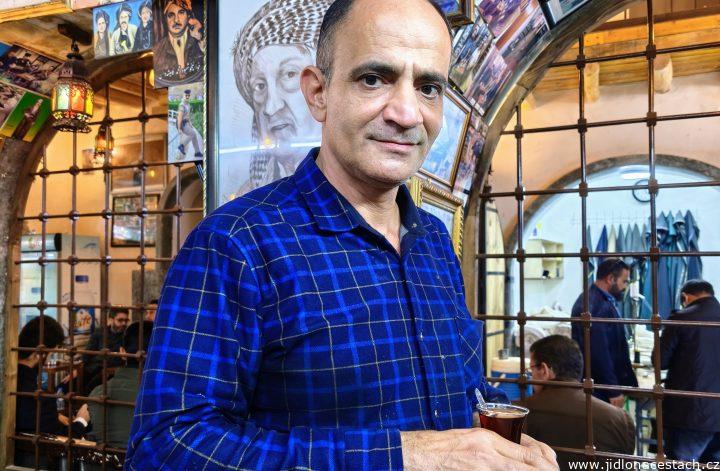
The meal is served with raw onion or pickled vegetables, and ayran is a must, helping to digest the rich heaviness. Pacha is dense, hearty, unconventional, intense. Finishing the meal is followed by a state Iraqis know well – a heavy but blissful fatigue, which can only be remedied by strong, sweet tea in a small glass.
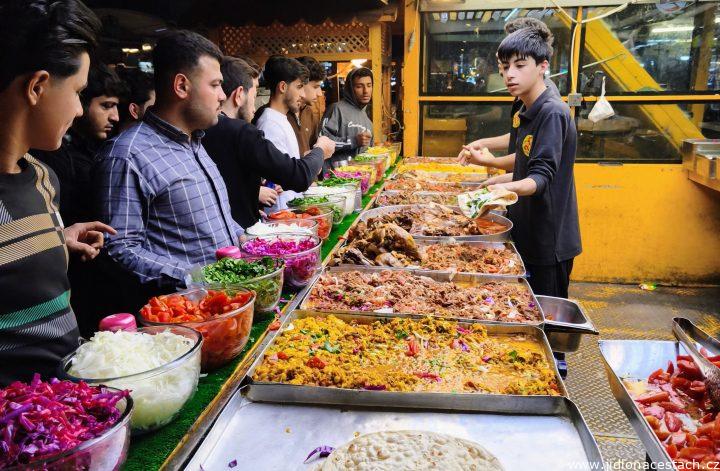
One portion of pacha on the famous Iskan food street (see Where to Eat in Erbil) cost me 10,000 IQD (6 EUR).
Would you give it a try?
Bon appétit!