The cuisine of Iraqi Kurdistan stems from the geographical conditions of the mountainous region and a long agricultural tradition, which is based primarily on sheep farming and grain cultivation.
The basis of most dishes is lamb or mutton, which is often combined with rice, bulgur, and a large amount of vegetables, especially eggplant, zucchini, tomatoes, and okra. Unlike some neighboring cuisines that utilize complex spice blends, Kurdish cuisine is more restrained in this regard, allowing the natural flavor of the basic ingredients to stand out more.
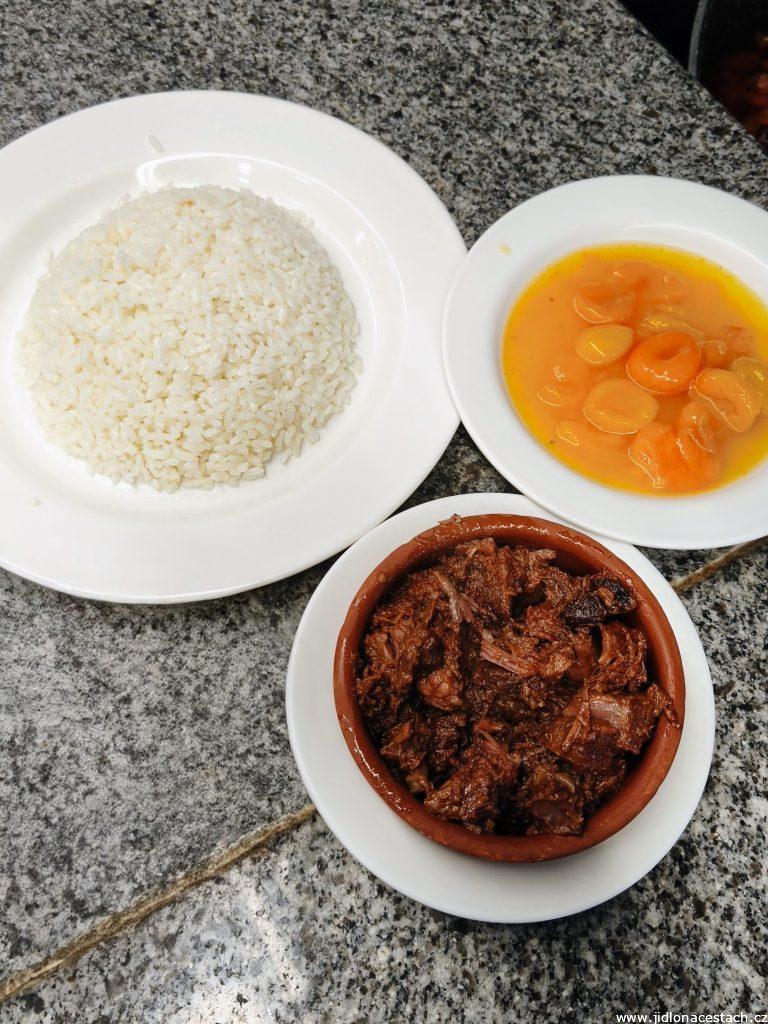
Qeli: confit meat with rice and apricots. A Kurdish regional specialty from the city of Akre.
Meals are often hearty and calorie-rich, reflecting the need for energy for life in the demanding mountain terrain.
A typical feature of local gastronomy is a preference for sour flavors, which chefs achieve by using dried limes, pomegranate, or sumac. This acidity often balances the richness of meaty dishes, which are frequently prepared with sheep tallow or clarified butter.
Dining culture in Iraqi Kurdistan is based on sharing and hospitality. Food is usually served on large communal trays from which everyone takes their portion. It is customary to always prepare more food than necessary, just in case an unexpected guest arrives. Refusing offered food or tea can be perceived as impoliteness.
Communal dining fulfills an important social function here and is an opportunity to strengthen family and neighborhood relationships.
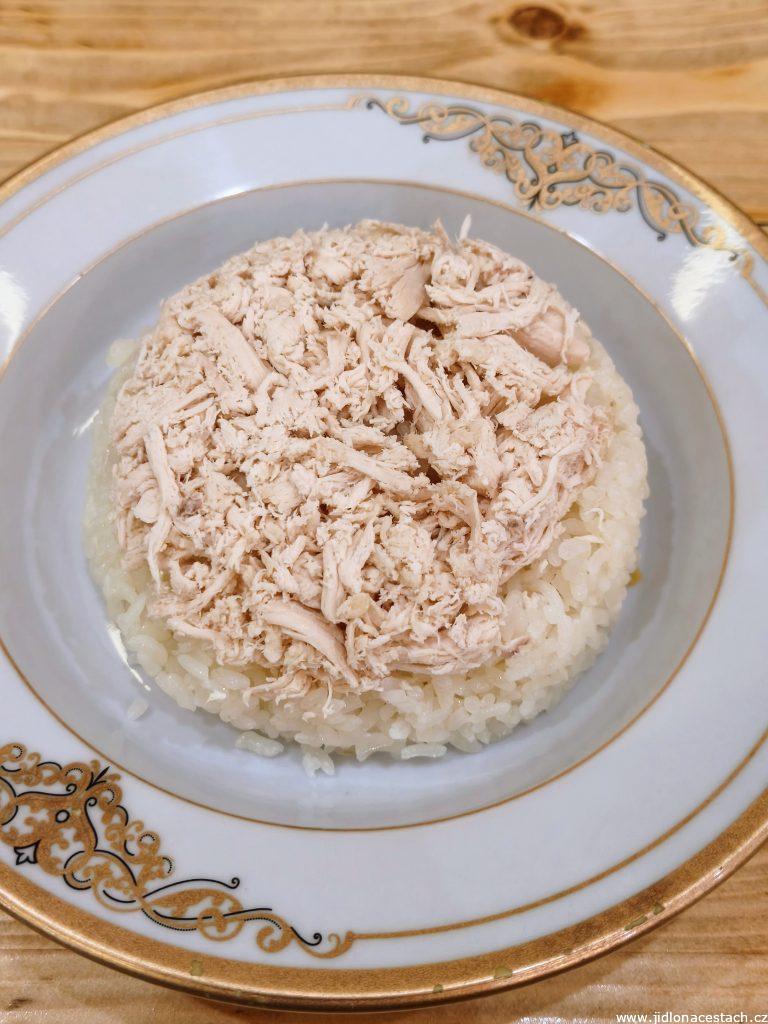
Traditional Kurdish dish: kasa brinj (rice with chicken).
What to Taste in Iraqi Kurdistan
Dolma (دولمة). Although dolma is known throughout the Middle East, the Kurdish version is specific in that not only vine leaves are used, but absolutely every available vegetable is stuffed – zucchini, eggplants, peppers, and even chard leaves, while the filling in Kurdistan is much meatier and fattier (often with lamb tallow) and less acidic than, for example, in the Turkish version.
Kubba Mosul (كبة موصلية). Although Mosul lies on the border of the region, its influence on Kurdish cuisine is fundamental; Kubba Mosul is a specific “flat” variant of the popular dish kubba.
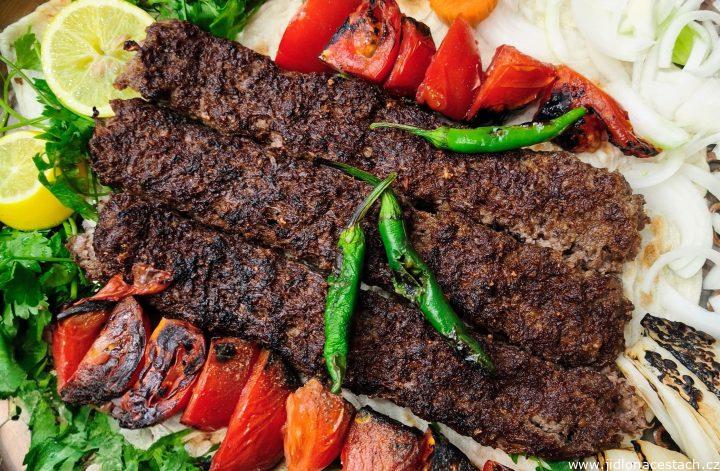
Kurdish Kebab (كباب أربيل). Kurdish kebab differs from the Baghdadi one in that it is prepared exclusively from young lamb grazed on Kurdish mountain meadows, which gives it a specific taste, and unlike other regions, only a minimum of spices is added to it.
Tashreeb (تشريب). A traditional “highlander” dish where special Kurdish bread is torn onto the bottom of a plate and poured over with chickpea and lamb broth; the Kurdish version is specific in that it is often served with a red tomato-based sauce, while the yellow version with turmeric is more common in southern Iraq.
Shilena (شلة). A traditional Kurdish dish similar to thick porridge or risotto, prepared from rice and meat, which is specific for its sticky consistency. It is often served at funeral ceremonies or large gatherings in the Duhok and Erbil region.
Kutilk (كتلك). A Kurdish variation on stuffed dumplings that are boiled in water or broth. The dough is made of bulgur and semolina, and the filling is richly spiced with a mixture of local herbs that grow in the Kurdish mountains.
Bulgur (برغل). While rice dominates in the Arab part of Iraq, bulgur (wheat) is historically the staple food in the Kurdish mountains, prepared in dozens of ways, often stewed with tomato paste and vegetables.
Duhok Kebab (كباب دهوك). A specific variant of kebab from the city of Duhok, known for the meat being coarsely ground and containing a higher proportion of fat; it is often served with grilled tomatoes and onions sprinkled with sumac.
Nisk (شوربة عدس). Kurdish lentil soup is a breakfast staple in many restaurants; it is specific for its bright yellow color thanks to turmeric, and noodles are often added to it, which is not common in the Arab version.
Mastaw (ماستاو). A refreshing drink made of yogurt, water, and salt (similar to ayran), but in Kurdistan, chopped fresh mint or even finely chopped cucumber is added during the season. It is served with heavy meat dishes to aid digestion.
Qazwan (قهوة قزوان). Coffee prepared from the fruits of the wild pistachio tree, which grows in the Kurdish mountains; it contains no caffeine and has a specific nutty, resinous taste, completely different from Arab coffee.
Mann al-Sama (من السما). A traditional sweet that is known elsewhere, but the highest quality comes from the mountains of Kurdistan, where “manna” (resin) is collected from oak leaves, mixed with eggs, sugar, and cardamom, and filled with walnuts or pistachios.
Brinji (تمن). Rice prepared in a specific Kurdish way, often with the addition of noodles fried until brown and raisins, served as a side dish to stewed meats.
Sawar u nisk (برغل وعدس). A simple but popular dish of poor highlanders, a mixture of bulgur and lentils cooked together, often served with caramelized onions on top.
Hirmê (كمثرى مطبوخة). A dessert made from wild pears that grow in the mountains, stewed in sugar syrup or molasses, specific to the autumn season in the Barzan region.
Ribas (ريباس). In the spring, wild rhubarb is collected in the Kurdish mountains, eaten raw with salt as a sour treat, or cooked into refreshing compotes, which is unknown in the flat Arab Iraq.
Kangir (كعوب). A thistle-like plant collected in the mountains in spring, fried with eggs or cooked in a yogurt sauce; it is a seasonal specialty that Kurds look forward to all year round.
Qeli is a traditional Kurdish meat dish created by long cooking and subsequent confit of meat in its own fat. This hearty specialty is inseparably linked to the Iraqi city of Akre. No complex spice blends are used in the preparation; the main flavor is provided by the meat itself. An essential accompaniment is qeysi, a warm sauce made from dried apricots. Its sweet and sour taste perfectly balances the richness of the meat.
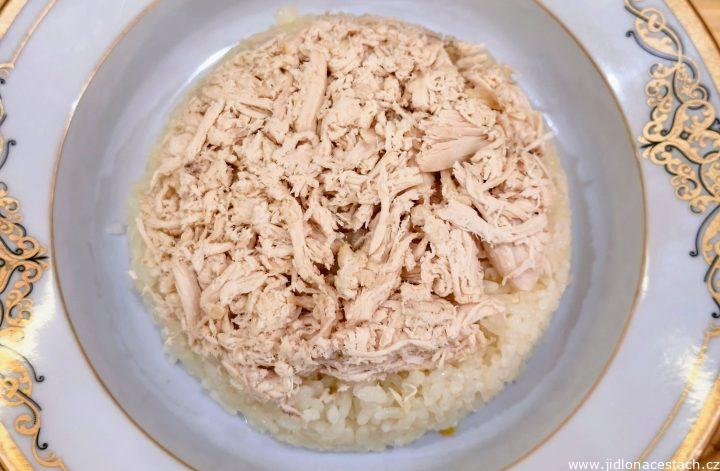
Kasa brinj is a traditional dish from Iraqi Kurdistan. It is steamed rice with finely shredded boiled chicken meat. For this recipe, the chicken is not roasted but slowly simmered in water until completely tender. Subsequently, the meat is manually stripped of bones and skin and shredded into smaller pieces so that only pure meat remains on the plate. A bowl of sauce is an inseparable part of the meal. Most often, you will be served a tomato ragout made of white beans or okra with it.
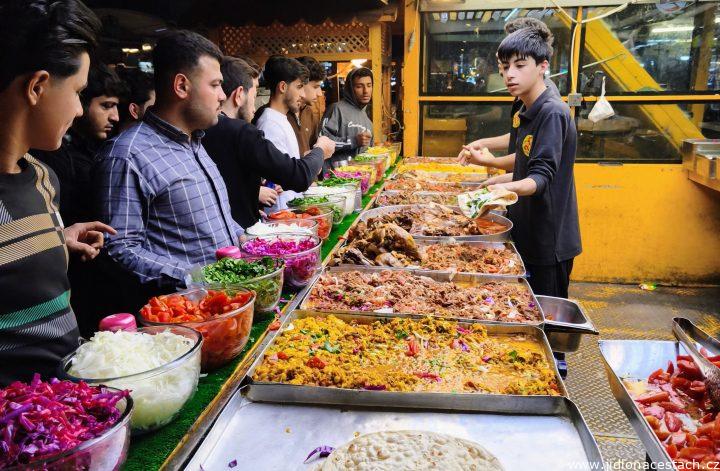
Iskan is a legendary street food street in the heart of Kurdish Erbil. This vibrant corridor comes alive primarily after sunset; locals seek escape from the daily heat and enjoy the bustling atmosphere until dawn. Visitors will find dozens of stalls offering grilled meat, kebabs, and traditional strong tea. Nocturnal Iskan is the true gastronomic heart of the city.
Yassin Kebab is a legendary kebab shop in Kurdish Erbil, arguably the best in town. You can find it in the authentic alleyways of the bazaar beneath the old Citadel. The local chefs prepare fresh kebab over charcoal right before your eyes.
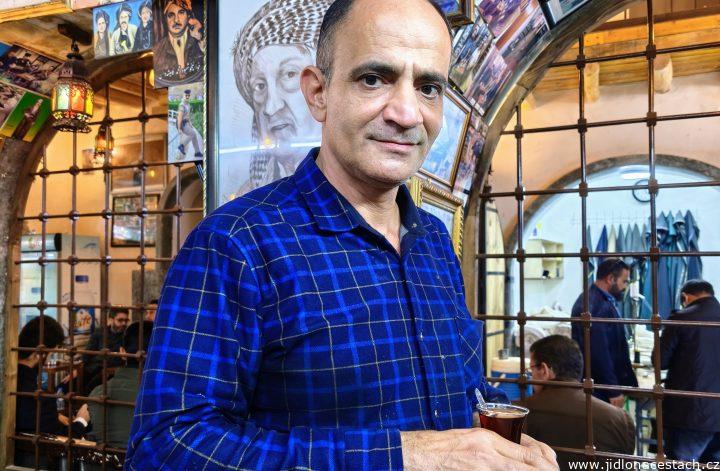
Chaykhana Mam Khalil is a legendary teahouse hidden in the labyrinth of the old Qaysari Bazaar in Erbil, Iraq. Its walls and ceiling are covered with thousands of framed photographs of guests. You will find politicians, poets, and ordinary regulars among them. The establishment was founded in 1952 by Mam Khalil, and today his son continues the family tradition.
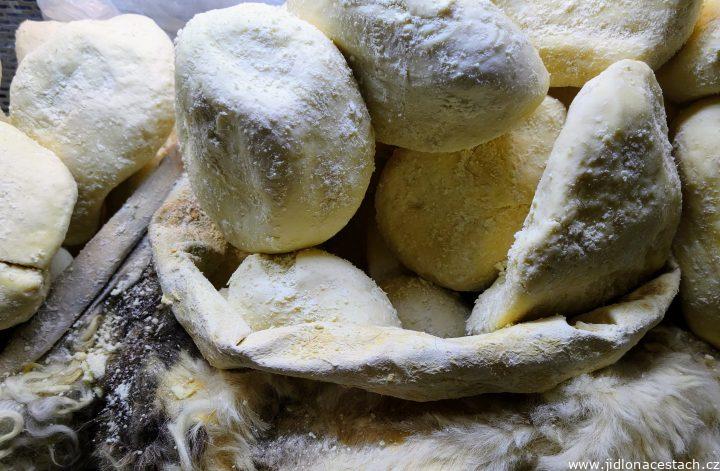
Motal and its herbal variant zhaji are traditional Kurdish cheeses that are aged and sold inside a sheepskin. This ancient method of preservation arose from the necessity to store surpluses for the winter in times without electricity. Today, this cheese specialty is a great rarity in Kurdish markets.