What to Eat in Tunisia: Typical Tunisian Food and Specialties
Tunisian cuisine is a combination of Mediterranean, Arab, Berber, and African influences. It is characterized by the use of fresh ingredients and aromatic spices such as cumin, paprika, cinnamon, coriander, saffron, and mint. Popular ingredients include olive oil, eggs, canned tuna, garlic, chickpeas, and dates.
Tunisian cuisine is renowned for its spicy flavors, variety of dishes, and emphasis on communal dining.
Food in Tunisia
Tunisian feast at the market in Tunis: freshly grilled fish, kafteji salad, fries with spicy pepper, and fresh baguette.
Typical Tunisian Dish
A typical Tunisian dish is couscous, small steamed semolina balls served with vegetables, meat, or fish. Another popular traditional Tunisian dish is brik, a crispy fried pastry filled with tuna, egg, and other ingredients. In Tunisia, you’ll also find a wide variety of soups, the most famous being chorba – a tomato-based soup, and lablabi – a spicy, thick chickpea soup.
Brik: a typical Tunisian dish.
Tunisian National Dish
Couscous is considered the national dish of Tunisia, with a history dating back to ancient times. Couscous is traditionally prepared in a special pot called a “couscoussier,” which consists of two parts – the bottom part for cooking meat and vegetables, and the top part with a perforated base for steaming the couscous. Couscous is usually served with a sauce made of meat, vegetables, and chickpeas, often garnished with a boiled egg and, of course, harissa.
Tunisian couscous with lamb, roasted vegetables, fried spicy pepper, raisins, and almonds. Couscous is considered the national dish of Tunisia.
What to Eat in Tunisia
Couscous. Couscous is a traditional North African dish that is very popular in Tunisia and considered the national Tunisian dish. It consists of small steamed semolina balls, often served with various sauces, meat, and vegetables.
Brik. Brik is a Tunisian specialty made of thin pastry filled with egg, tuna, or potatoes, fried in oil. It’s a popular street food or appetizer.
Harissa. Harissa is a typical Tunisian spicy paste that forms the base of many Tunisian dishes. It’s made from chili peppers, garlic, spices, and olive oil. Tunisians love harissa.
Merguez. Merguez are spicy sausages made from lamb or beef, typical of Tunisian cuisine. They are often served as a side dish or in sandwiches.
Tajine tunisien. Tunisian tajine is a baked dish similar to an omelette, filled with meat, potatoes, vegetables, and spices. It’s completely different from Moroccan tajine.
Salata mechouia. A cold salad made of grilled vegetables like peppers, tomatoes, and onions, seasoned with olive oil, garlic, and coriander. The grilled vegetables are chopped before serving.
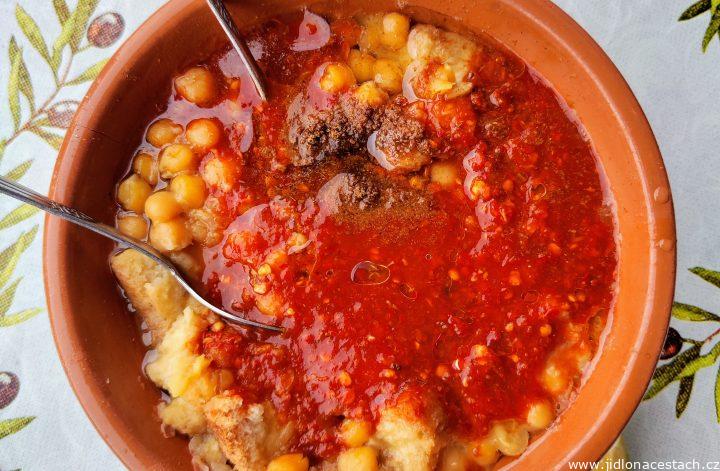
Lablabi. Lablabi is a popular Tunisian thick soup made with bread pieces, chickpeas, garlic, cumin, and olive oil. It’s especially popular in winter.
Makroudh. Makroudh is a Tunisian sweet pastry filled with dates and soaked in sugar syrup. It’s very popular during holidays and celebrations.
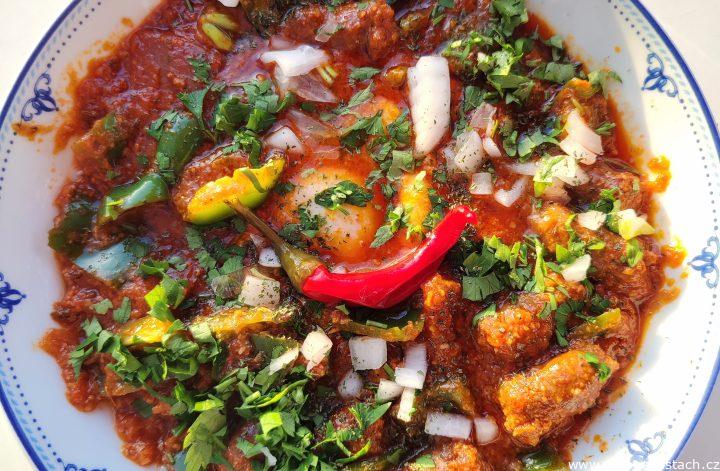
Ojja. Ojja is a Tunisian dish made with tomatoes, peppers, onions, and eggs, similar to shakshouka. It’s often served as a light lunch or dinner.
Bambalouni. Bambalouni are sweet fried doughnuts, popular as street food or dessert in Tunisia. They are coated in sugar and eaten hot.
Mlewi. Mlewi (mlawi) is a Tunisian flatbread similar to the Moroccan bread msemen. It is often filled with various types of ingredients, typically cheese, tuna, or egg.
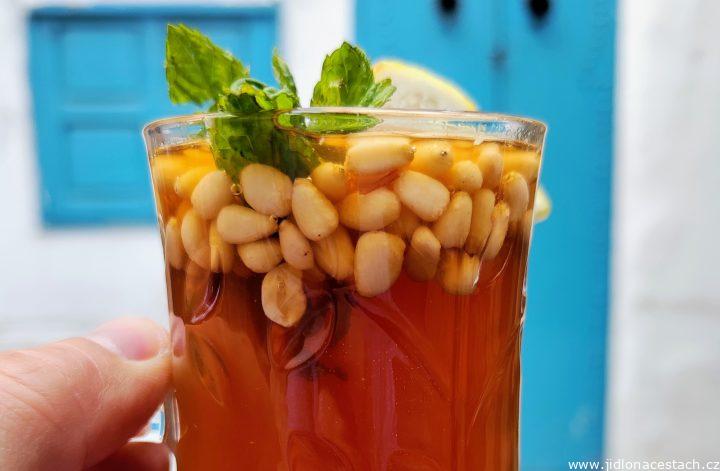
Thé aux pignons. Tunisian tea with mint and pine nuts. It is especially popular in the Tunis area, where it is served as a symbol of hospitality.
Chapati tunisien. Unlike Indian chapati, the Tunisian version is not just a side dish. This thicker flatbread is richly filled and mainly sold as street food. Typical fillings include tuna, eggs, and spicy harissa.
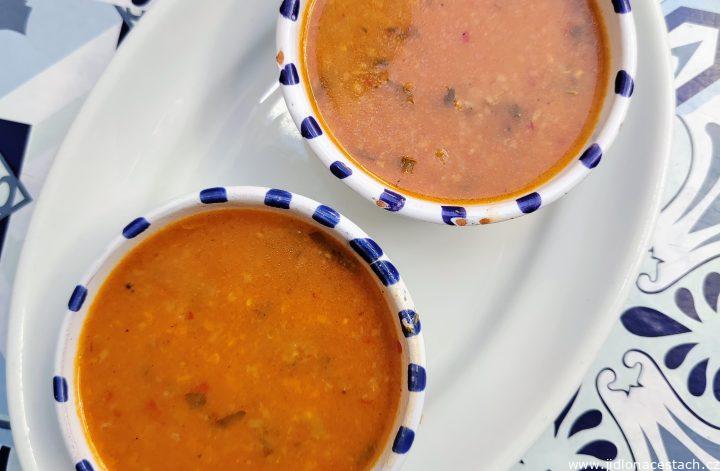
Chorba. Chorba is a Tunisian soup made with broth and tomatoes. It may or may not include meat. It’s often served during Ramadan.
Kafteji. Kafteji (or kefteji) is a Tunisian dish made of fried vegetables served with eggs. Harissa is an essential component, making kafteji a potentially very spicy dish.
Riz djerbien. Riz djerbien is a typical Tunisian rice dish originating from the island of Djerba. The rice is prepared with spinach, meat, legumes, and spices.
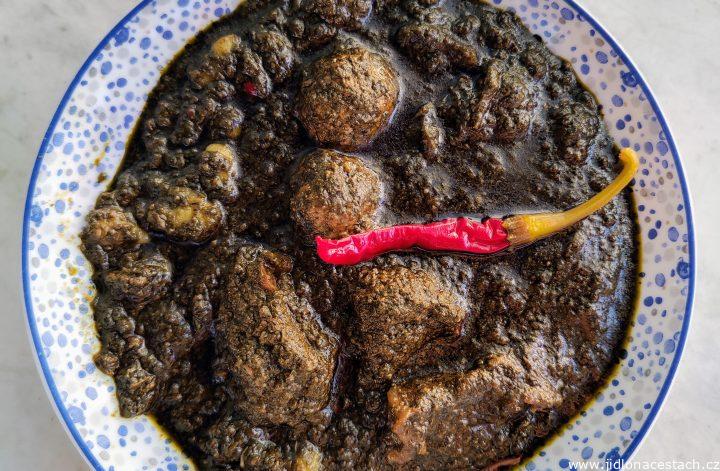
Madfouna. Beef and meatballs slowly cooked in a chard sauce. One of Tunisia’s most authentic dishes.
Sahfa thoum. Literally translated as “a bowl of garlic.” Soft-boiled eggs, olive oil, various other ingredients, and lots and lots of garlic.
Bsissa. Bsissa is a Tunisian mix of roasted grains, legumes, and spices. It is typically eaten as breakfast.
Zrir. Zrir is a typical Tunisian sweet made from roasted sesame seeds, honey, and nuts, ground and mixed with aromatic spices. The mixture is sweetened with honey or date syrup and is typically prepared for festive occasions.
Assidat zgougou. Assidat zgougou is a Tunisian dessert made from Aleppo pine nuts, flour, sugar, and a creamy milk mixture. It’s similar to pudding and is often served during celebrations and holidays.
Fricassé. Fried pastry filled with tuna, egg, potatoes, and olives. A popular Tunisian street food.
Felfel mehchi. Felfel mehchi are stuffed peppers prepared in a typical Tunisian style. They are filled with a spiced meat mixture and often served with tomato sauce containing harissa.
Shakshuka. A vegetable dish made with tomatoes, peppers, and onions, into which eggs are cracked. Originally, this dish comes from North Africa.
Khobz tabouna. Khobz tabouna is a traditional Tunisian round bread baked in a special clay oven. Khobz is bread baked in a regular way, such as in an oven, and is the base of many Tunisian dishes and sandwiches.
Khobz mbesses. Khobz mbesses is a Tunisian sweet bread flavored with spices, especially fennel.
Boukha. Boukha is a Tunisian fig brandy. It is popular as a digestif after a meal.
Mloukhiya. Mloukhiya is a dish made from jute leaves, which are cooked with other ingredients for a long time and then blended into a thick sauce served with meat and rice. Due to the long cooking time, this rich sauce is served in certain regions as a symbol of prosperity and patience.
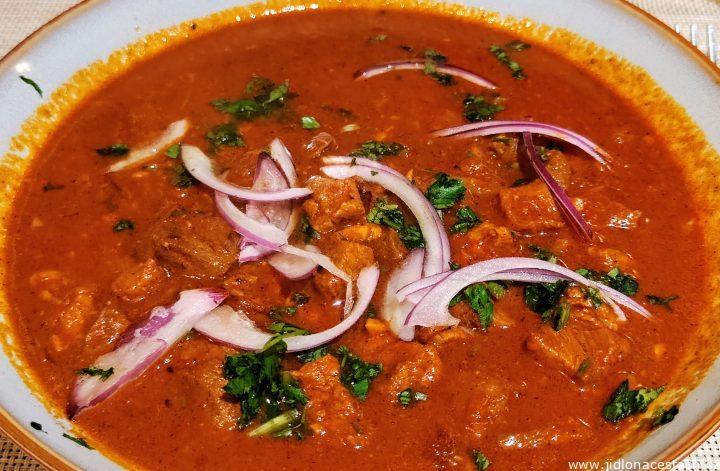
Kamounia. Kamounia is a stew made from meat, onions, tomatoes, and spices (especially cumin). It is served with bread or couscous.
Jben. Jben is a Tunisian fresh cheese made from sheep, goat, or cow’s milk, similar to ricotta. It is often served for breakfast with bread and olive oil and is frequently homemade.
Mrouzia. Mrouzia is a Tunisian dish of stewed lamb with raisins, almonds, cinnamon, and honey, traditionally prepared during Eid al-Adha. The dish is characterized by its sweet and savory taste.
Masfouf. Tunisian masfouf is a sweet dessert made from couscous, dried fruits, and almonds. Masfouf is also popular in Algeria. There are many variations of this dish.
Mlabes. Mlabes are traditional North African cookies, especially popular in Tunisia. They are almond cookies with marzipan.
Legmi. Legmi is a traditional Tunisian drink made from date sap, similar to sweet cider. The juice is consumed fresh but can also be fermented into an alcoholic beverage resembling wine. Legmi is especially popular in southern Tunisia, where dates are grown. The sap is harvested manually.
Yoyos. Yoyos are Tunisian fried doughnuts dipped in honey and topped with pistachios or other nuts. They are popular for festive occasions. Compared to bambalouni, they are smaller and differ in both recipe and flavoring.
Berkoukech. Berkoukech is a hearty dish made with wheat groats, prepared with meat and vegetables. It is somewhat similar to couscous due to the shape of the grains, though they differ significantly in size.
A common side dish in Tunisia: fries made from fresh potatoes and sprinkled with parsley.
Typical Tunisian Drinks
Typical Tunisian drinks include coffee, tea with mint, and various fruit juices. Coffee in Tunisia is served strong and sweet. Green or black tea with mint is very popular and is enjoyed throughout the day as a refreshing beverage. Unlike in Morocco, Tunisians often prepare it with pine nuts. If you’re visiting someone (family or friends), tea is always offered as a symbol of hospitality.
A typical Tunisian drink: tea with pine nuts.
A typical Tunisian lemonade is Boga. On hot summer days, Tunisians enjoy lemonade, called “citronnade,” made from freshly squeezed lemons, sugar, and water. Freshly squeezed orange juice or pomegranate juice is also very popular.
In Tunisia, you can dine with incredible views. For example, near the colosseum in the Tunisian city of El Jem.
The Best Tunisian Food
If I had to pick three personal favorites, the best Tunisian food for me is:
Sahfa thoum. I love garlic, and this Tunisian “bowl of garlic” is the most garlicky dish I’ve ever tasted anywhere in the world.
Kafteji. You have to grow to love kafteji; the spicy green peppers combined with fiery harissa aren’t for everyone. But once you’ve had it three or four times, you’ll fall in love with it.
Lablabi. Once stirred, lablabi is one of the least visually appealing dishes I’ve ever seen. But the locals love it, and I can’t blame them. Try the combination with a soft-boiled egg and garlic; it’s my favorite.
Lablabi: a typical Tunisian dish. Very simple, yet extremely popular in Tunisia.
Tunisia and Alcohol
Tunisia is considered one of the most progressive and liberal Arab states, a fact reflected in its approach to alcohol. Unlike many other Muslim countries (e.g., Iran, Kuwait, or Saudi Arabia), where alcohol is entirely banned or heavily restricted, alcohol is available in Tunisia in specialized shops in larger cities. However, these shops are primarily intended for non-Muslims and tourists.
Surprisingly, Tunisia even produces its own alcoholic beverages. Perhaps due to French influence, Tunisian wine is of excellent quality, and the country also brews local beer. Tunisia also produces various fruit liqueurs and spirits, such as the fig brandy “boukha.” Fermented fig sap, “legmi” (also available fresh and non-alcoholic), is also worth trying.
For tourists, alcohol is easily accessible in hotel resorts and tourist destinations. These places have special exemptions and can sell and serve alcohol without restrictions.
As in other cases, it’s appropriate to respect local customs and traditions and consume alcohol in Tunisia in moderation.
Tunisian red wine.
Regional Tunisian Cuisine and Specialties
Regional Tunisian cuisine is influenced by geography as well as cultural and religious traditions. Each region has its typical dishes and methods, reflecting local customs.
Tunis and surroundings. The original inhabitants of Tunis prefer milder flavors and use harissa less frequently. They have unique types of bread and desserts.
Djerba. On the island of Djerba, which has a large Jewish community, kosher cuisine is often encountered. Traditional dishes include riz djerbien and meals primarily based on seafood.
Gabes. In this region, a seasoning paste called hrous is used instead of harissa. Hrous Gabsi is made from pickled onions and dried red peppers in a 1:1 ratio (traditional harissa does not contain onions).
Atlas Mountains region. Near the Atlas Mountains, game meat is commonly consumed. Popular meats include quail, pigeons, doves, partridges, rabbits, and hares.
Cap Bon. The residents of this peninsula are known for their love of fish.
Sfax. A typical dish is marka, a fish soup. Another specialty is charmoula, a dish made from baked raisins, onions, and spices, traditionally served with salted fish on the first day of Eid al-Fitr. Sfax is also renowned for its pastry tradition.
Madfouna: one of the most authentic dishes of Tunisian cuisine.
Famous Tunisian Chefs
Tunisia is home to many talented chefs who have significantly contributed to the promotion of Tunisian cuisine and its traditions. Among the most notable are:
Chamseddine Ben Nasr. Known as “Ben Benasr,” this chef earned two Michelin stars in Germany at the “Gutsschenke” restaurant in Ludwigsburg (2017 and 2018). His dishes blend Mediterranean influences with innovative techniques.
Bessem Ben Abdallah. After years of experience with renowned chefs, he opened his own restaurant “Bessem” in France. In 2024, it was awarded a Michelin star for its refined dishes combining Tunisian and French cuisine.
Slim Douiri. After studying in Paris and working in globally renowned restaurants, he opened “Cult” in Tunis. His modern interpretation of Tunisian cuisine has earned recognition both at home and abroad. The restaurant is currently (2025) listed among the 50 best restaurants in the Middle East and North Africa at 47th place.
Bilel Louchtati and Taïeb Bouhadra. These chefs represented Tunisia at the international “Couscous Fest” in Sicily (I had the chance to visit one edition myself), where they won the title of world champions for the best couscous.
Tajine: a typical Tunisian dish. Tunisian tajine is completely different from the Moroccan version; it is an egg-based casserole.
Interesting Facts About Tunisian Food
Love for pasta. Tunisians surprisingly have a strong passion for pasta, a legacy of Italian influence. Pasta often appears in Tunisian dishes, such as in combinations with tuna, tomatoes, and spices. Tunisians are the second-largest consumers of pasta in the world (Italians are, of course, first).
Tuna in (almost) every dish. Tuna is very popular in Tunisia and is used in many dishes, from salads to pasta to stuffed snacks like brik. However, fresh tuna is a luxury for many, so canned tuna is the most commonly consumed form.
Red couscous. Tunisian couscous often stands out from versions in other countries due to its reddish color, which comes from using tomatoes or tomato paste.
Spiciness is everywhere. Tunisians are known for their love of spicy food, so harissa – a hot chili paste – is often added to many dishes. Tunisians are literally “shaab al harissa,” the people of harissa.
Camel meat on the plate. In southern Tunisia, particularly in desert regions, camel meat is considered a delicacy and is part of traditional dishes. It is prepared in various ways.
Shakshuka is not originally Israeli. Shakshuka is originally a North African dish. Thanks to Jewish communities, it made its way to Israel, where it became one of the typical Israeli dishes.
The names of some Tunisian dishes are full of imagination. For example, the name of the carrot salad “ummak huriyya” can be translated as “your mother is a fairy,” the meatloaf roll stuffed with eggs “ain sbaniouria” is “the eye of the Spanish woman,” and the fried rolls “swebaa Fatma” are “Fatima’s fingers” (a significant Muslim name).
Kafteji is a traditional Tunisian dish made from fried and finely chopped vegetables combined with eggs and flavored with harissa, cumin, and parsley. The name of the dish means "chopped," perfectly describing its preparation – the vegetables are chopped with special knives after frying to create a fine mix. It is often served with khobz bread or as a side dish with grilled meat. Kafteji is one of Tunisia's most beloved dishes.
Brik, a traditional Tunisian street food, is a crispy fried pastry made from thin dough and filled with tuna, potatoes, parsley, and raw egg. Its preparation requires some skill, as the dough tears easily. A properly fried brik has a crispy crust, but the yolk inside remains runny.
Bambalouni, a Tunisian specialty from Sidi Bou Said, is a fried dessert resembling a doughnut. It is a popular street food in Tunisia. Bambalouni are served hot, coated in sugar.
Chorba is a thick tomato soup popular in North Africa, particularly in Tunisia, Algeria, and Libya. The soup is based on broth and tomatoes, with added vegetables, legumes (such as chickpeas or lentils), and sometimes meat. Chorba is seasoned with a variety of spices. It is a favorite dish during Ramadan throughout the Maghreb region.
Thé aux pignons, or tea with pine nuts, is a traditional Tunisian beverage that combines the flavors of green tea, mint, and pine nuts. It is available in cafés and restaurants across Tunisia, and locals enjoy it at any time of the day.
Ojja is a Tunisian dish made from tomatoes, peppers, onions, and eggs, all enhanced with spicy harissa. Merguez sausages, seafood, or meatballs can also be added. It is simple to prepare but delivers fantastic results. Ojja is served with fresh bread.
Madfouna is a traditional Tunisian dish with roots in Jewish cuisine. Its name refers to the slow-cooking method of preparing beef under a layer of Swiss chard. This prolonged simmering process gives the dish an intense and concentrated flavor. Minced beef balls with mint and white beans are added toward the end of cooking. Madfouna is one of the most authentic dishes in Tunisian cuisine.
Lablabi is a traditional Tunisian dish made from chickpeas and stale bread, originally popular among people doing physical labor. Today, it is enjoyed by people across all social classes. This dish, served in ceramic bowls, typically consists of pieces of stale bread soaked in aromatic chickpea broth, complemented by harissa, olive oil, garlic, and a soft-boiled egg.
Kamounia is a traditional North African dish, especially common in Tunisia, Algeria, and Egypt. It is made with stewed meat, often accompanied by liver or other offal, cooked in a sauce with a strong cumin flavor, which is essential to the recipe. The flexibility of the recipe allows for the use of various types of meat, from beef and lamb to seafood like shrimp or octopus.
Bsissa is a traditional Tunisian mixture made from roasted grains, legumes, and aromatic spices. The mixture is ground into a fine powder and mixed with olive oil, water, honey, or sugar before consumption. It becomes a highly nutritious dish that, in the past, served as a durable food supply for long journeys. Bsissa is an integral part of Tunisian cuisine and traditions, prepared during holidays and religious ceremonies and remaining a popular breakfast choice to this day.