They don’t play at being ostentatious and you won’t find them on the main tourist artery. Yet the Prague’s Vallmo Restaurant is a place gourmets should be talking about. Chef Dan Kukačka proves here that Czech cuisine can be modern, light, and world-class.
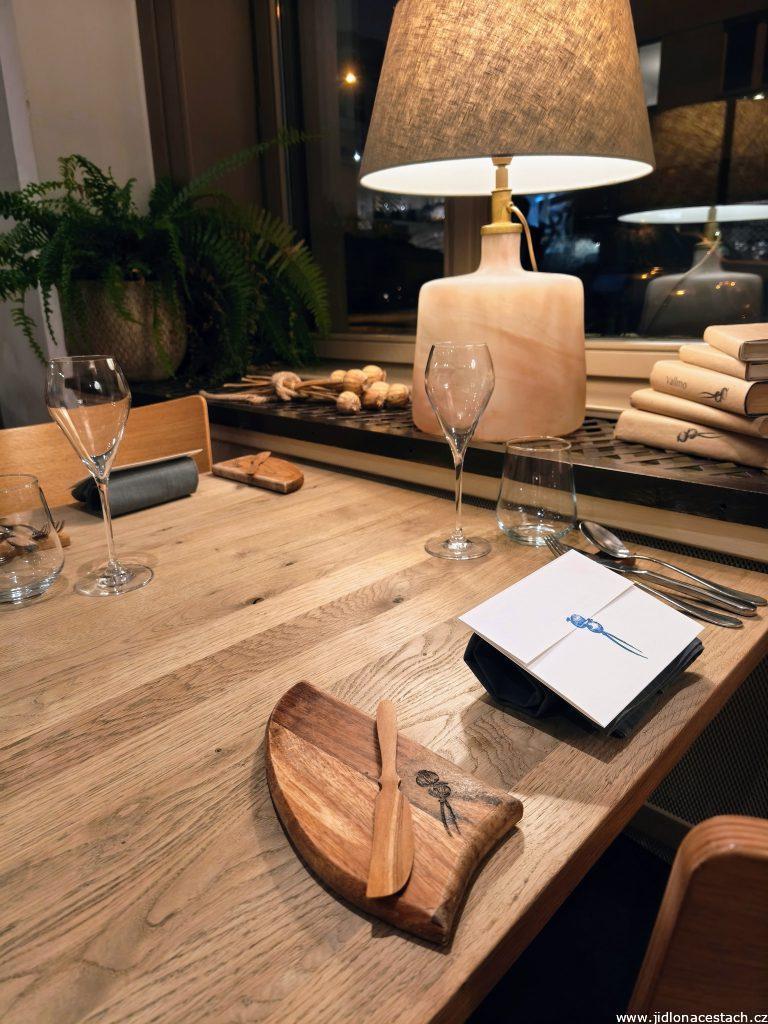
The restaurant’s name – Vallmo – means poppy in Swedish. This also metaphorically captures the establishment’s philosophy: deep roots in Czech tradition, but with a fresh, clean, Nordic approach to design and serving. Poppy permeates the entire concept – from the design of poppy heads on napkins and serving boards to signature dishes.
More than three years have passed since my last visit, and a lot has happened at Vallmo in the meantime. The most fundamental change is the passing of the culinary baton. While founder and face of the business Martin Makovička has moved into the role of owner and divides his energy between Vallmo and new projects in Třeboň, Dan Kukačka has been ruling the kitchen for over two years.
Kukačka is no newcomer to the scene. He belongs to a strong generation of chefs who grew up professionally at the legendary Alcron under the guidance of Roman Paulus. He was formed here alongside names like Pavel Býček or Maroš Jambor.
Although Kukačka has Michelin training behind him, at Vallmo he bets on refined simplicity. His signature is legible and confident: perfectly prepared meat or fish, seasonal vegetables, strong sauce, and herbs.
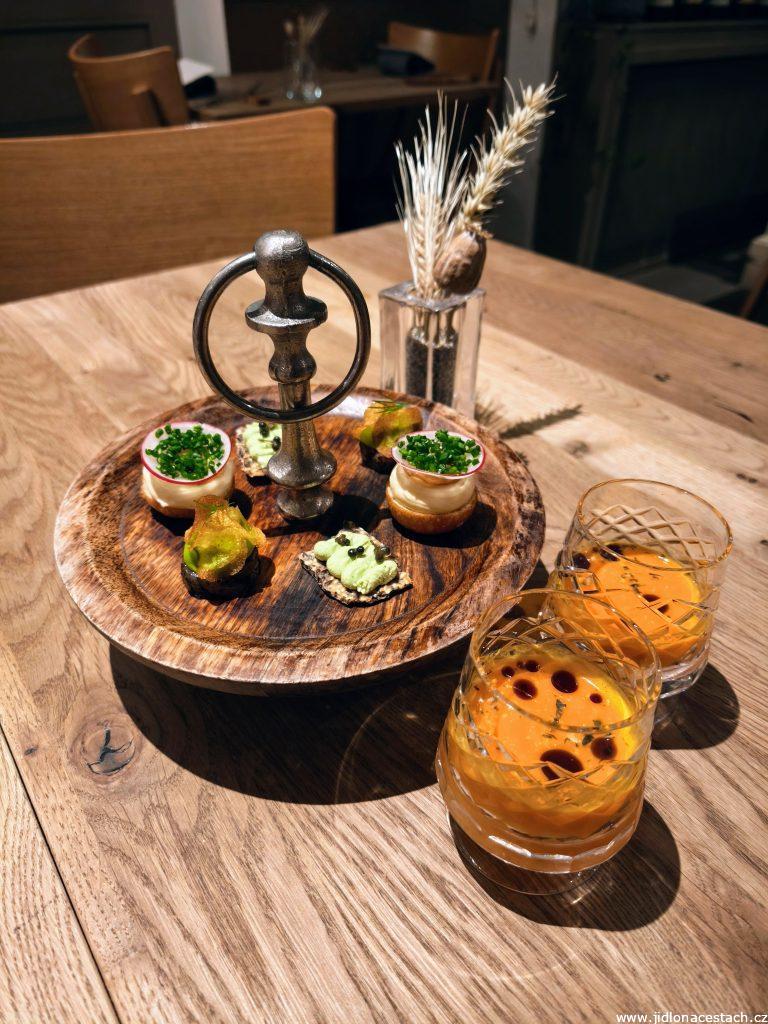
This approach is evident right from the start, provided by a playful trio of amuse bouche in a “snack bar” style. The canapés are technically precise and flavor-concentrated, with the set complemented by a warming pumpkin soup served in a small glass.
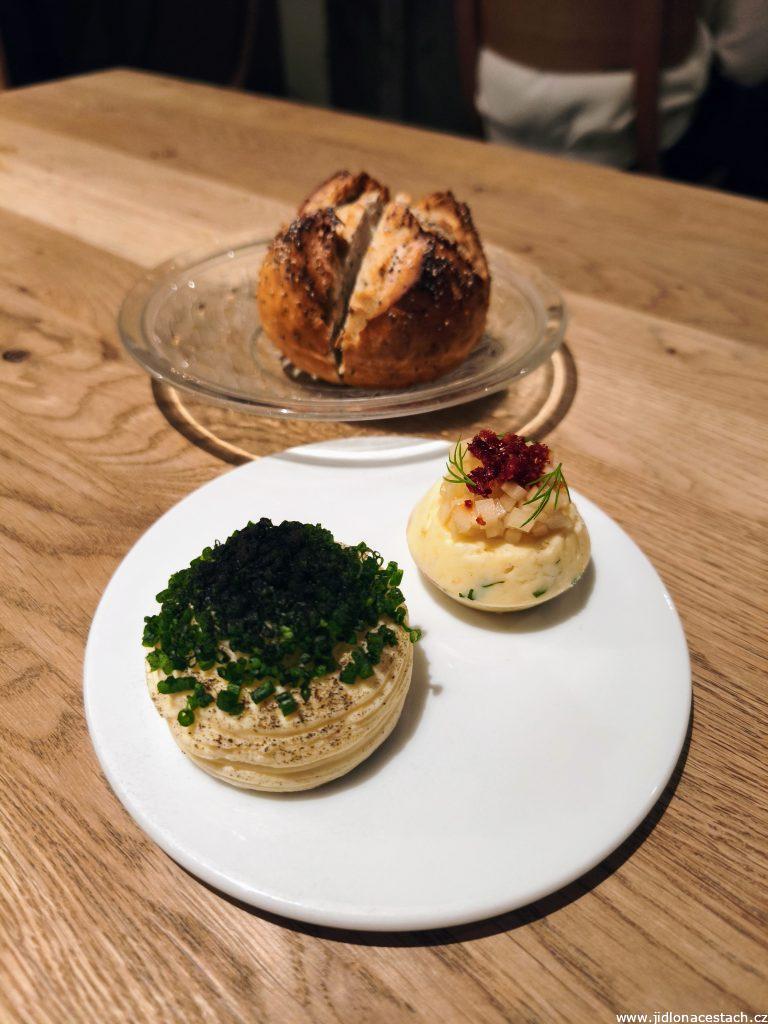
Bread arrives at the table even before that – at Vallmo they bet on a warm bun with a dense crumb and crispy crust. This is accompanied by flavored whipped cheese, in which – just like years ago – I sense a nostalgic note of “processed cheese”, but in the most luxurious form possible.
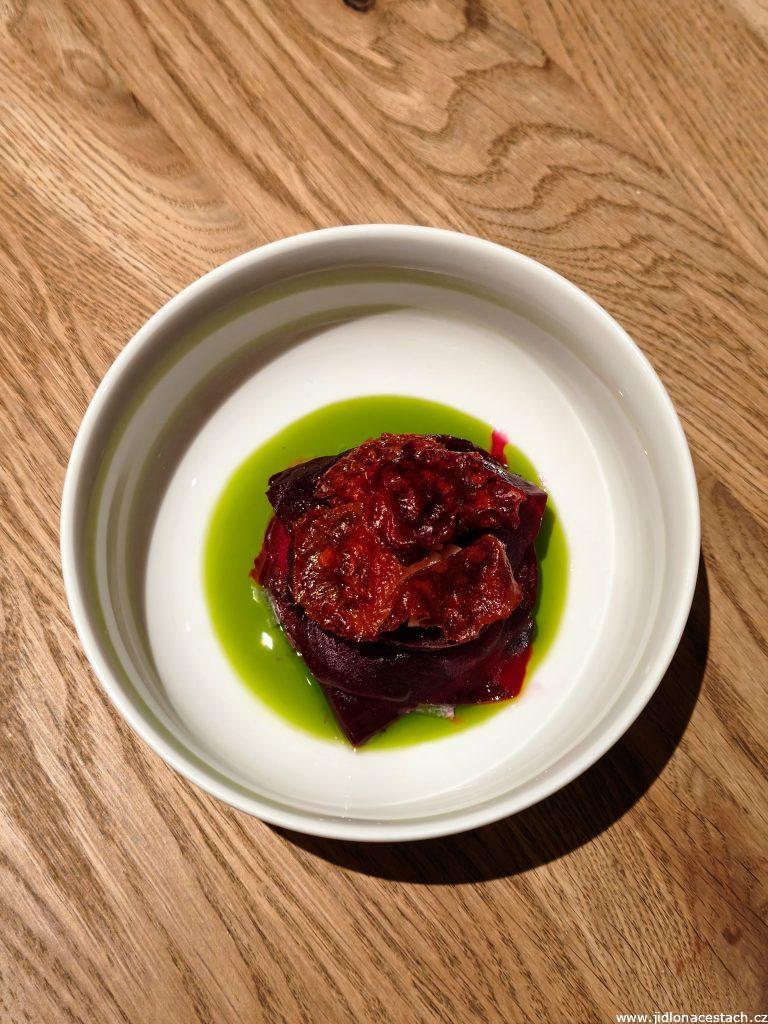
The beetroot course continues the established trend of refinement. The earthiness of the root vegetable is softened by smoked mascarpone, and the aroma of bay leaf elevates the dish to an interesting experience.
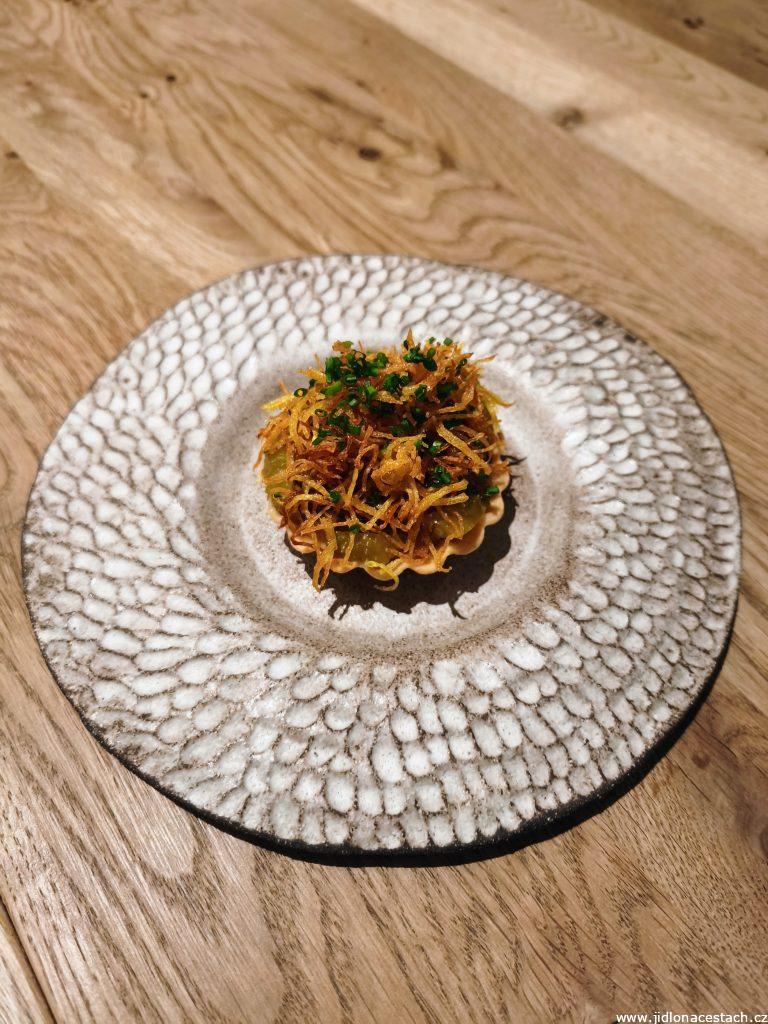
Were it not for the tartlet as the next course, my report from Vallmo would be just an ode to perfection. Unfortunately, the crust was too thick and tough, almost impossible to cut with cutlery. Even the option of holding it in hand wasn’t ideal – when bitten into, the rich filling pushed out and fell. It is a great shame, because the pulled duck meat itself got along excellently with the melon, quince, and potato straw.
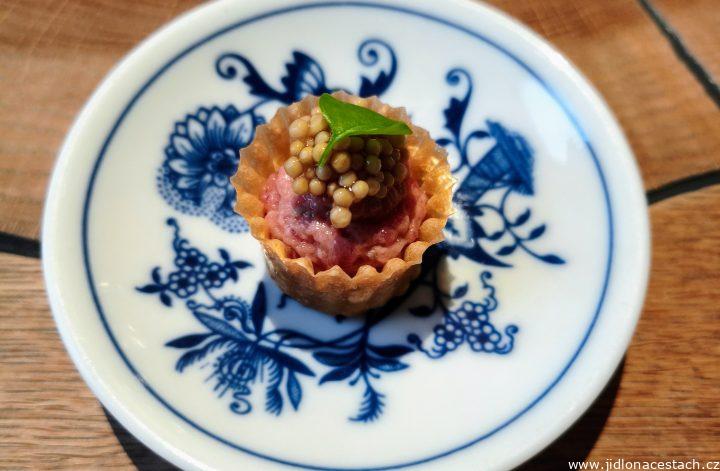
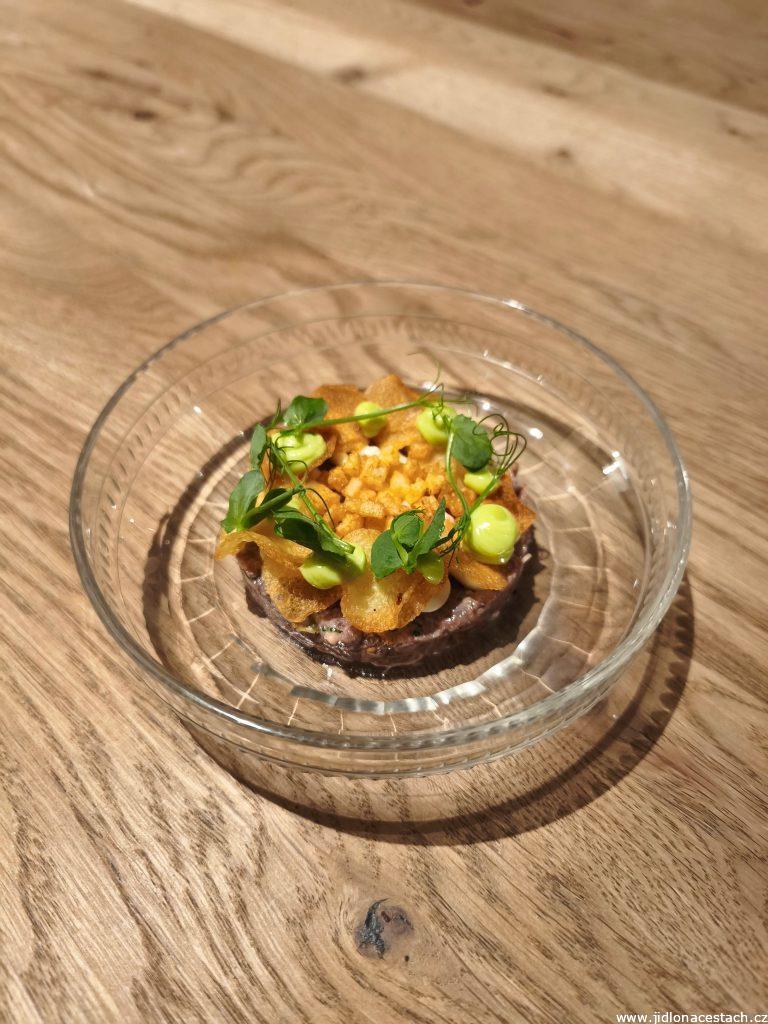
However, Vallmo returns to perfection in the very next course, the tartare, where beef is complemented by distinct marjoram. It is an unusual combination in high gastronomy, but it works brilliantly. Together with the milkcap mushroom, it creates an earthy, forest flavor that immediately transports you to the Czech landscape.
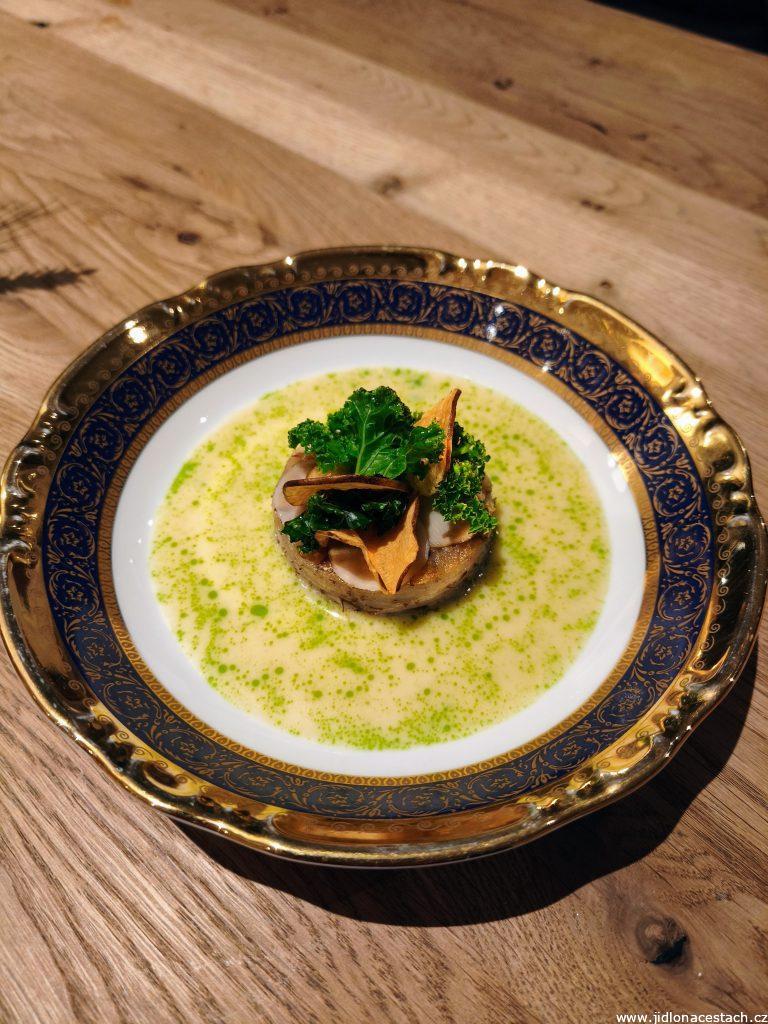
The following course is visually the most beautiful plate of the evening and proof that meat is not a necessity.
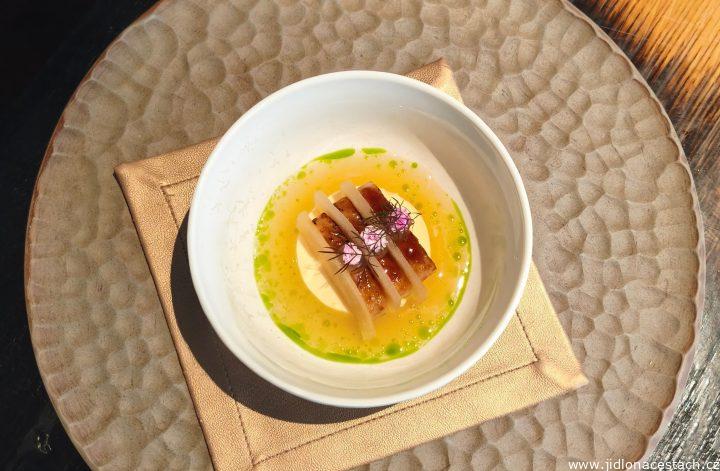
The Jerusalem artichoke is prepared using the “Anna” technique, i.e., layering thin slices on top of each other. Crispy kale with whey sauce proudly complements the Jerusalem artichoke.
It is a light, elegant, and flavor-layered dish that you would expect more in a top establishment in Paris than in an inconspicuous restaurant in a side street near the Prague’s Náplavka.
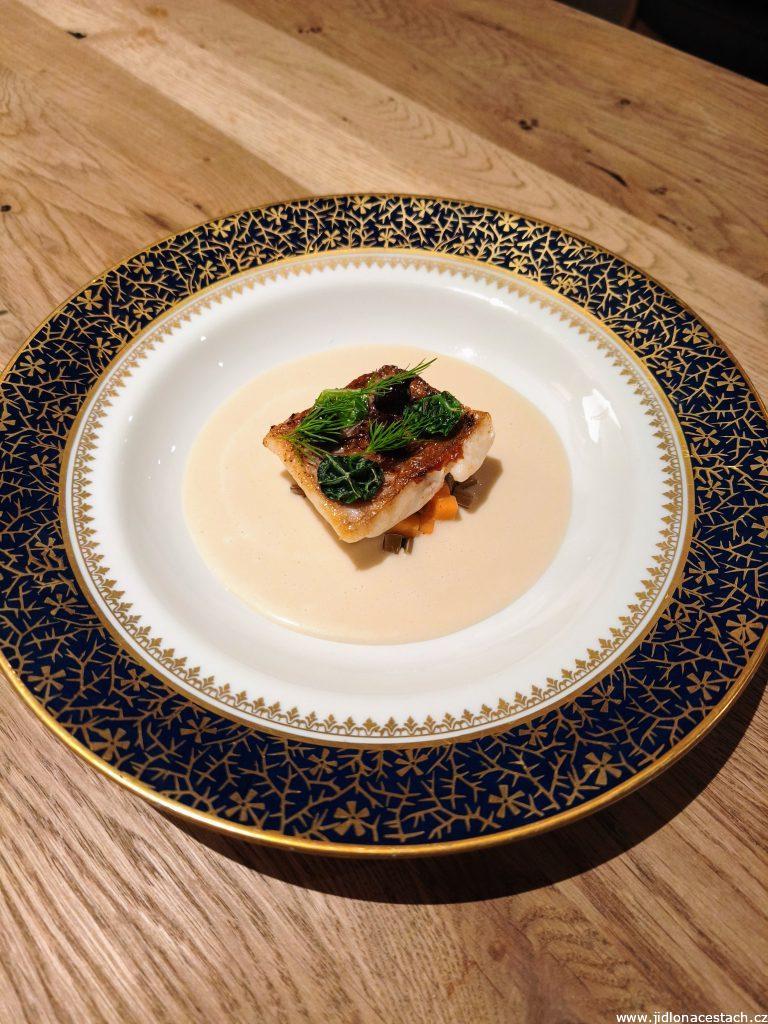
A return to South Bohemian roots is then confirmed by the course which was the absolute highlight of the entire tasting for me. Pike, a predatory fish with firm meat, is prepared flawlessly, with crispy skin. But the main event takes place around it. The horseradish sauce is perfectly balanced – it has a kick, but doesn’t overpower the delicate fish. In combination with sour currants and sweet pumpkin, it is an exemplary play of contrasts.
I search my memory in vain for when I tasted a better horseradish sauce in a restaurant. Quite possibly never.
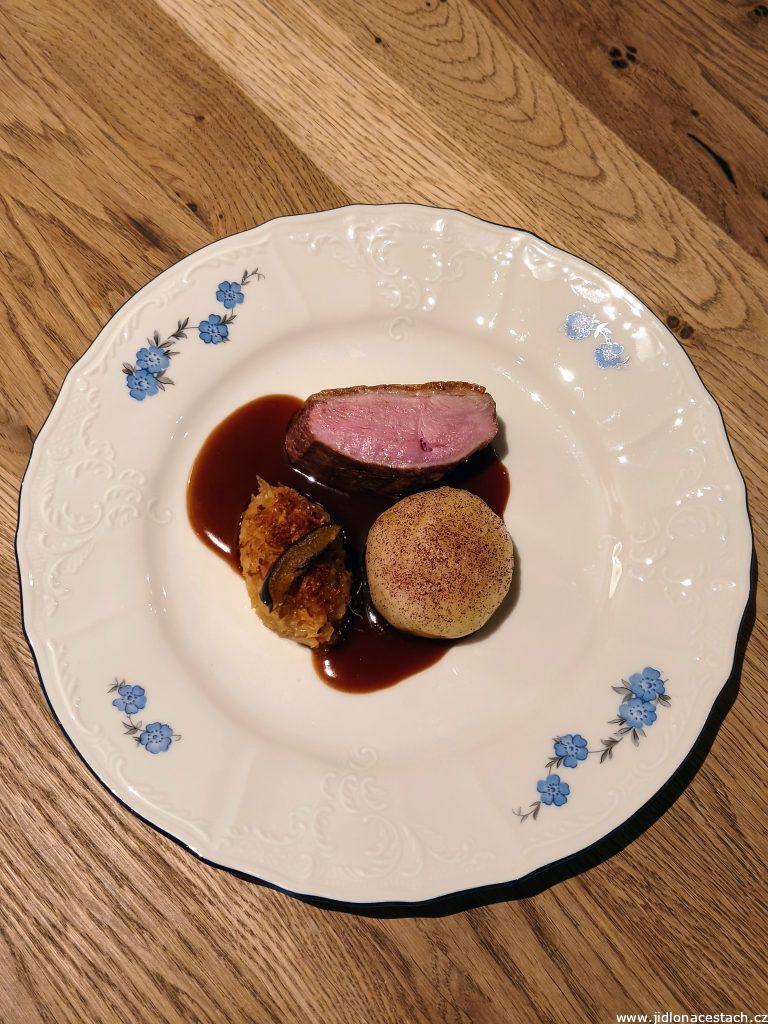
The duck as the next course is aged on hay for twelve days, which gives the meat tenderness and concentrated flavor. The side dish is the traditional South Bohemian potato dumpling “drbák”, prepared from a mixture of raw and boiled potatoes. Everything is complemented by white cabbage with carrots and a strong sauce.
I often consider duck breast in restaurants to be a relatively boring meal, but here it is a dish that caresses the soul and reminds us that the greatest strength lies in simplicity and quality ingredients.
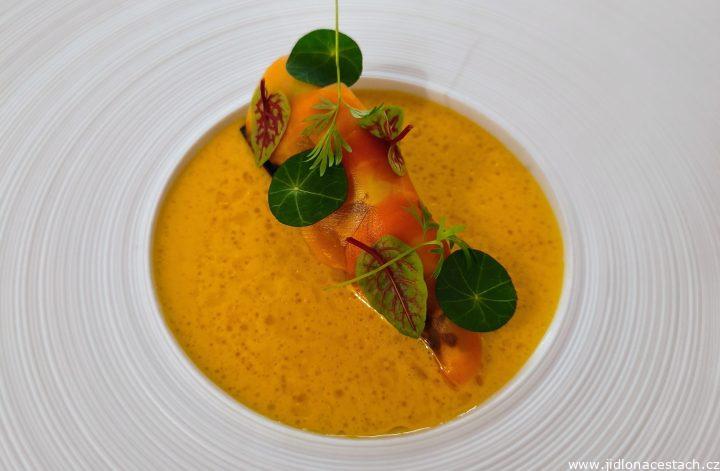
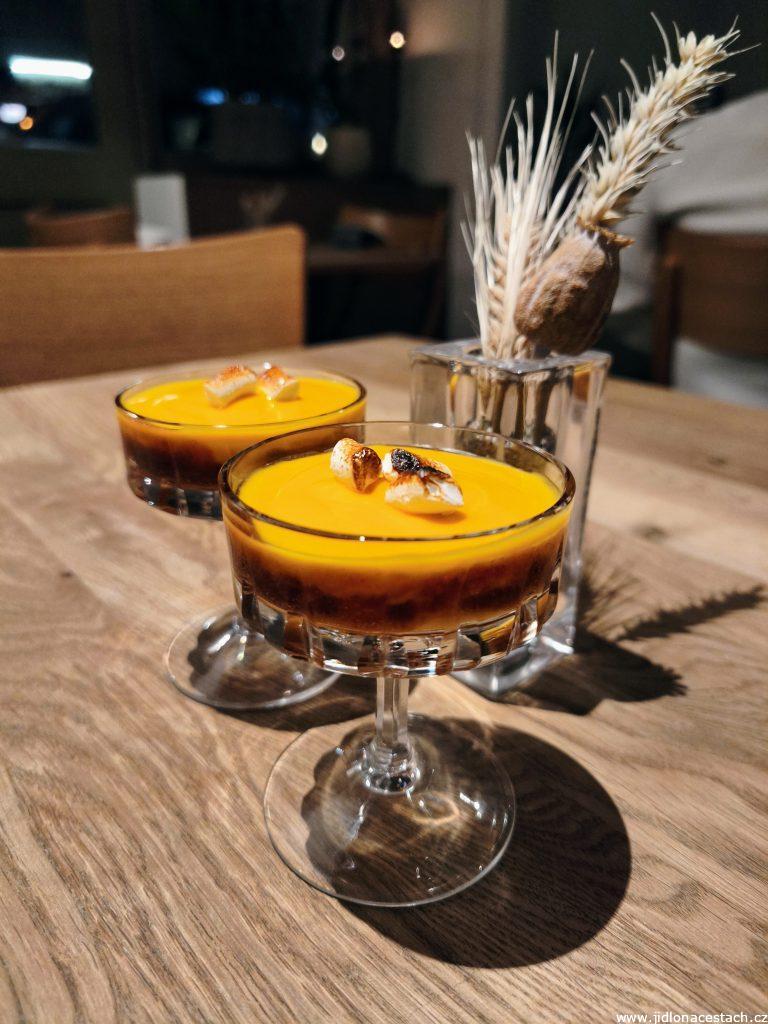
The transition to the sweet part of the menu is provided by a pre-dessert that cleverly uses seasonal ingredients. Pumpkin meets coffee and fluffy marshmallow here. It is a bold combination, where the bitterness of the coffee tames the sweetness of the pumpkin. It works as a perfect palate cleanser before the main dessert and is quite possibly the best sweet preparation of pumpkin I have ever encountered.
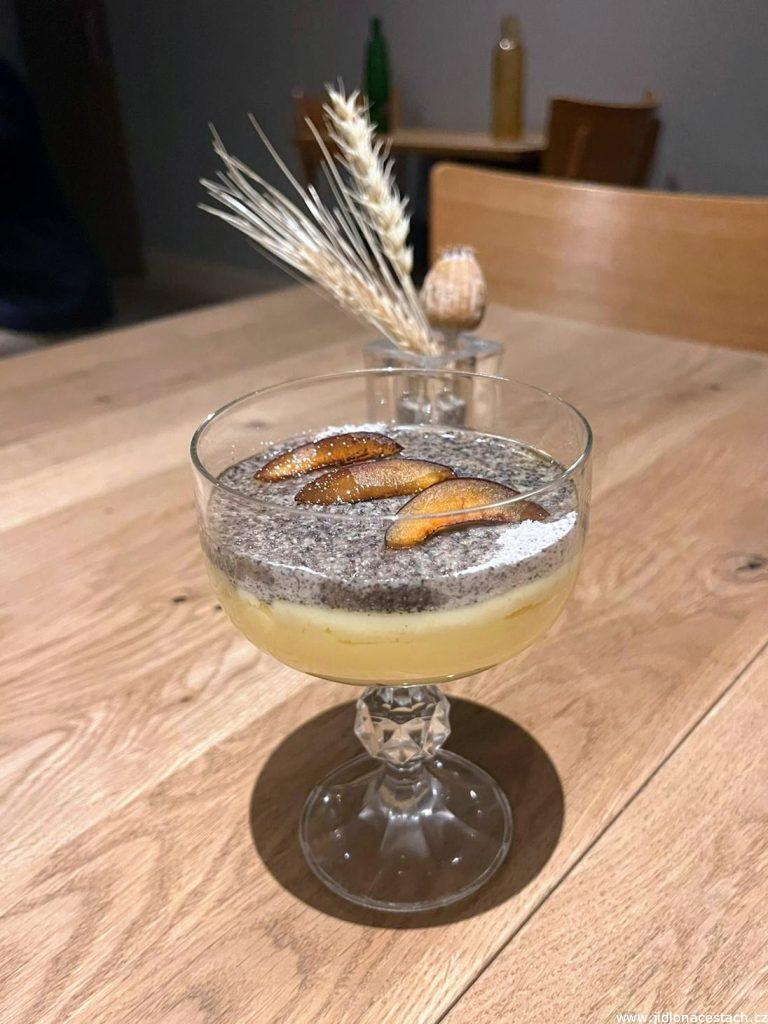
If the restaurant is named Vallmo (Poppy), it is clear that you cannot leave without poppy seeds. The variation on the potato dumpling “škubánek” with poppy seeds, plums, and hot butter is perfected here. A simple combination that will absolutely amaze you with its taste, flood you with satisfaction, and force you to immediately plan another reservation.
Wine pairing at Vallmo is not strictly fixed. The sommelier compiles it flexibly according to the current menu and the guest’s taste, while not being afraid to combine domestic production with foreign.
An example is Spätburgunder (Pinot Noir) from the German winery Steintal. It is a lighter, mineral red wine that fits surprisingly well with the meat courses presented by Dan Kukačka.

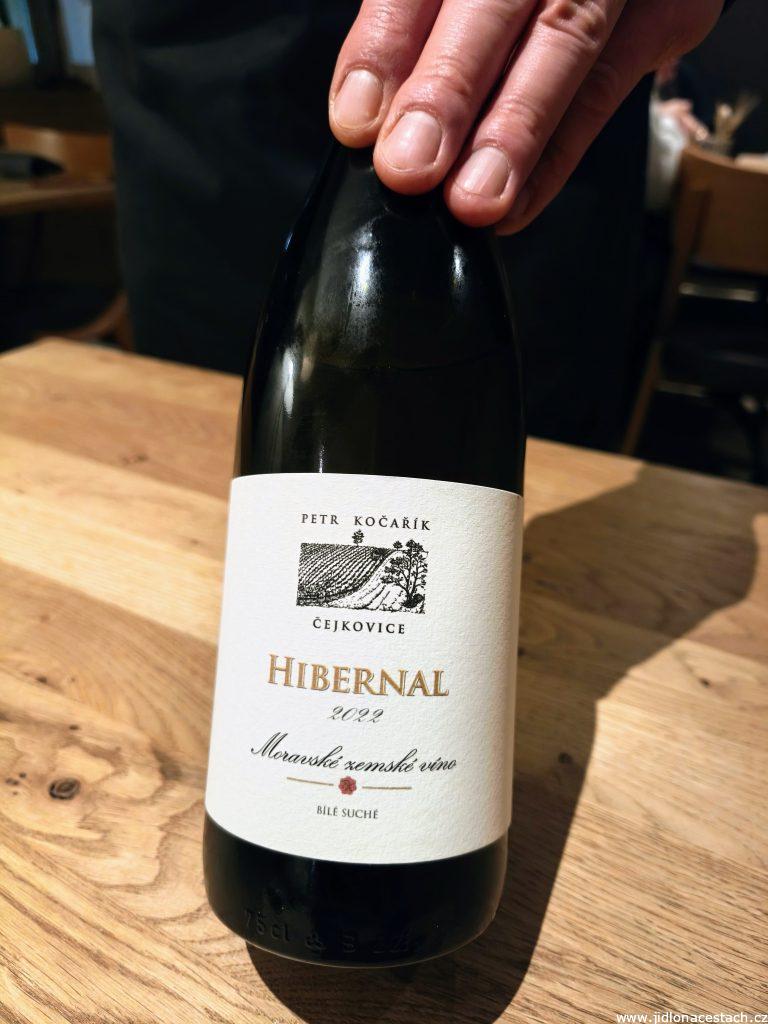
However, Morava has the main say on the list. For more delicate courses, the staff selects, for example, Hibernal from Petr Kočařík.
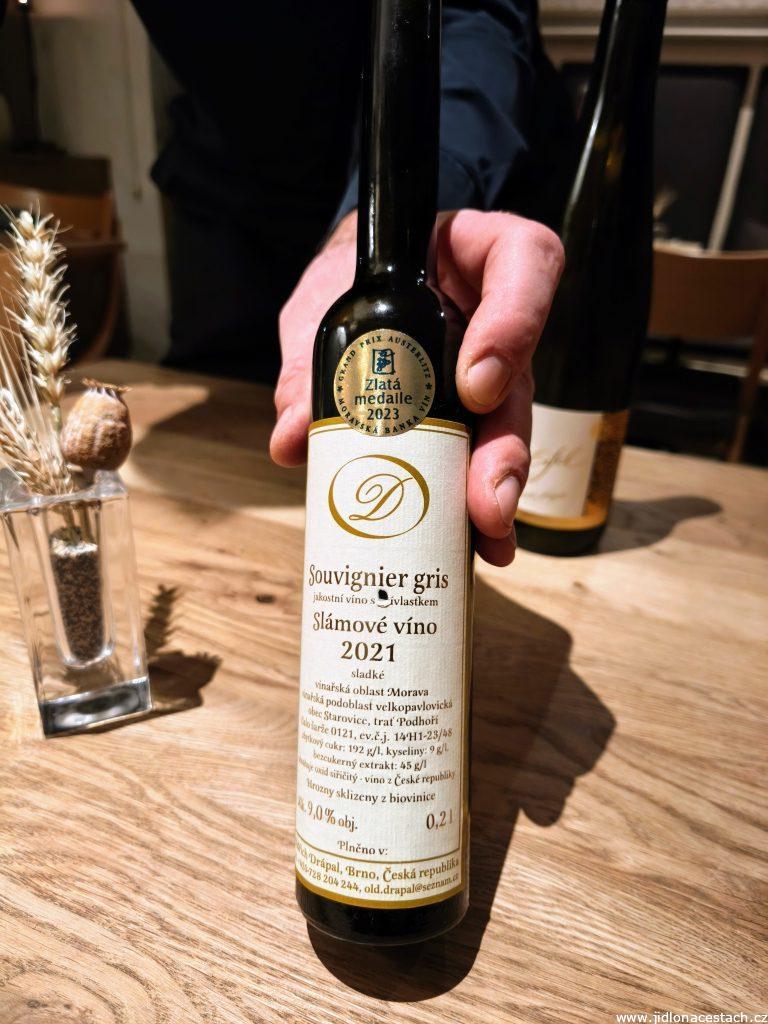
The sweet finish to the dessert is provided by straw wine from Oldřich Drápal. In the bottle of the Souvignier Gris variety, the wine spontaneously fermented further in the bottle. This could have even spoiled the wine, but in this case, the exact opposite happened. A gentle sparkle was added to the sweetness, which lightened the taste and pleasantly concluded the dinner.
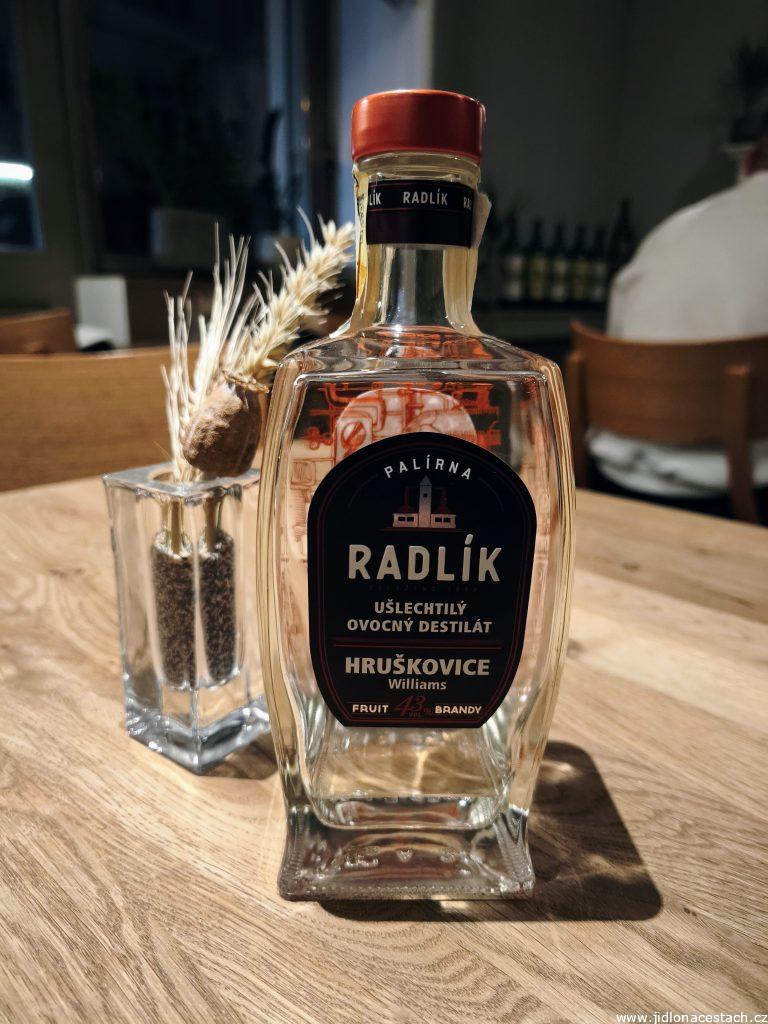
However, if wine is not enough for you at the end of the evening, Vallmo also has quality fruit spirits on the list. As a digestif, they have prepared pear brandy from the artisanal distillery Radlík, which regularly collects awards for its purity and intense fruit character.
The restaurant space itself also deserves a mention. The interior is designed in such a way that it directly invites a romantic date for two. You won’t find harsh fluorescent lights here, but plenty of dimmed lights and lamps that create an intimate atmosphere. Comfortable sofas and table spacing then ensure enough privacy and comfort, so you can easily “forget yourself” here for several hours.
Vallmo is a likeable establishment that doesn’t pretend to be anything it’s not. In a time when many restaurants try to impress with complicated concepts, here they bet on quality ingredients and honest cooking. Dan Kukačka shows that Czech cuisine can be modern and light.
The eight-course tasting menu at Vallmo costs 2,650 CZK (106 EUR), while the shortened five-course menu costs 1,990 CZK (79.60 EUR). It is possible to purchase beer or wine pairing with the menu.
If you are looking for quality gastronomy in a quieter environment off the main tourist routes, close to the Prague’s Náplavka, Vallmo is a safe bet.
Bon appétit!
Restaurant website: vallmo.cz
🇨🇿 You have mastered Czech cuisine. How about trying something new? Sign up for my newsletter and I will introduce you for free to great dishes from Spain, Portugal, or France.