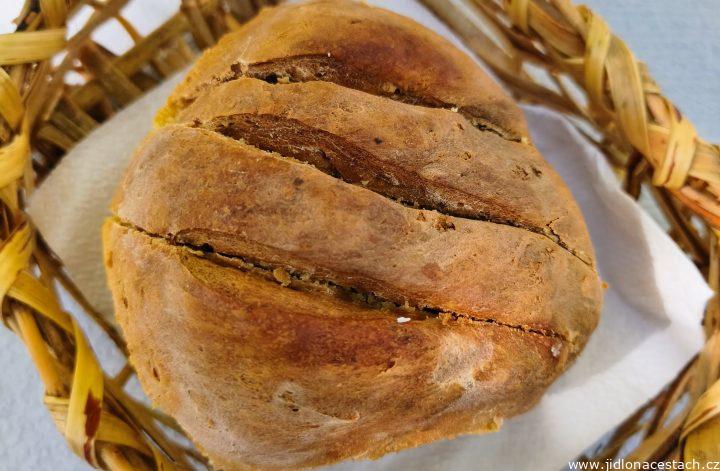
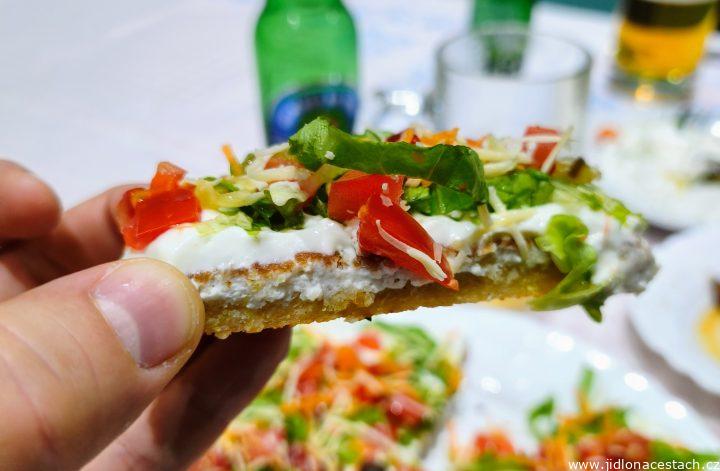
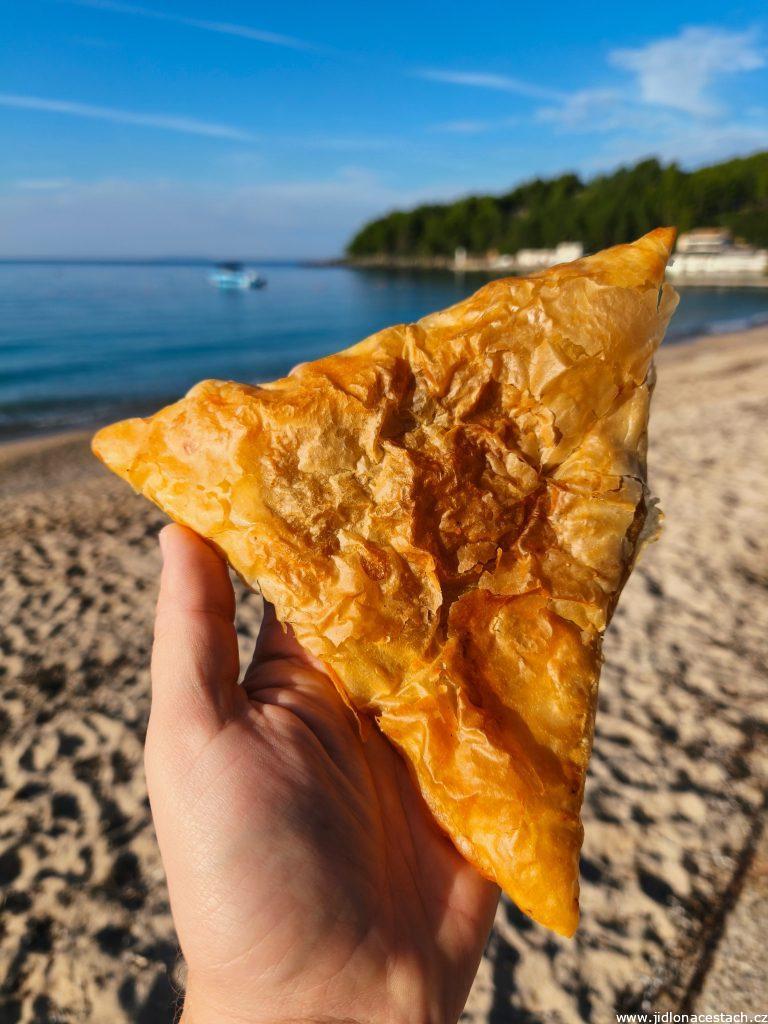
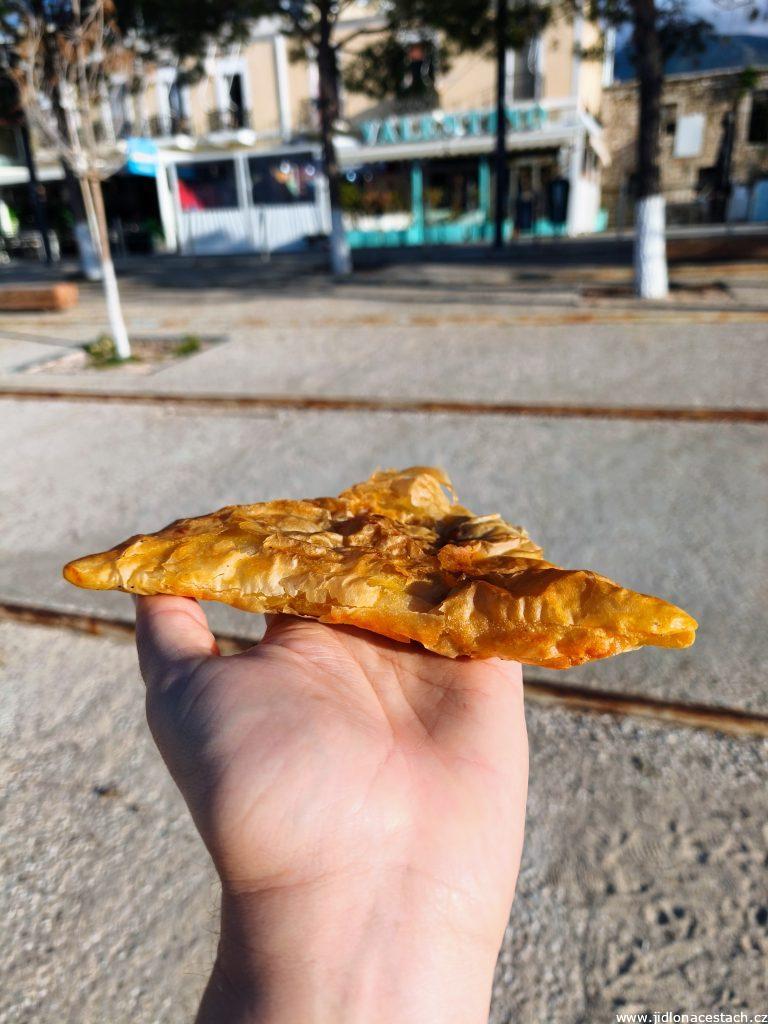
Byrek is a traditional Balkan pastry filled with various savory fillings. It is one of the best-known dishes of Albanian cuisine. Byrek is popular throughout Southeastern Europe, and its popularity even reaches the Middle East. Its typical feature is the use of thin layered dough (jufka or filo).
In Albania, byrek is an important part of everyday dining and is often sold in specialized bakeries called “byrektore”.
Byrek
Origin and History
Byrek (in Albanian also burek, börek) originates from Ottoman cuisine. The first mentions of similar pastries date back to the Ottoman Empire, which ruled over the Balkans and much of the Middle East. From there, byrek spread to many regions of today’s Albania, Kosovo, North Macedonia, Serbia, Bulgaria, Turkey, Greece, and other countries.
Each country adapted this pastry slightly to suit its own tastes.
Typical Ingredients
The main component of byrek is very thin layered dough, traditionally handmade. The most common fillings include:
- white cheese
- minced meat
- spinach
- tomatoes with onions
Black pepper, salt, and sometimes fresh herbs, such as parsley, are commonly used for seasoning.
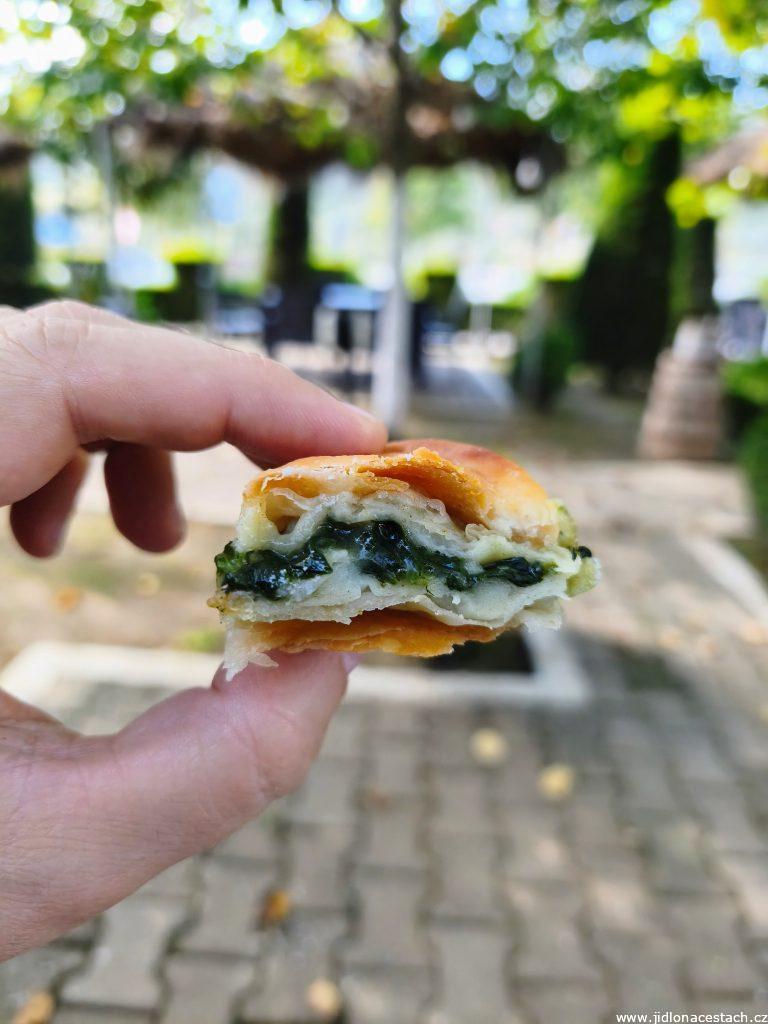
Shapes and Preparation Methods
Byrek can take several shapes:
- round – resembles a cake, cut into triangles
- rolled – dough with filling is rolled into a spiral
- square or rectangular – baked on a tray and cut into portions.
- individual pastry pockets (“byrek me peta”)
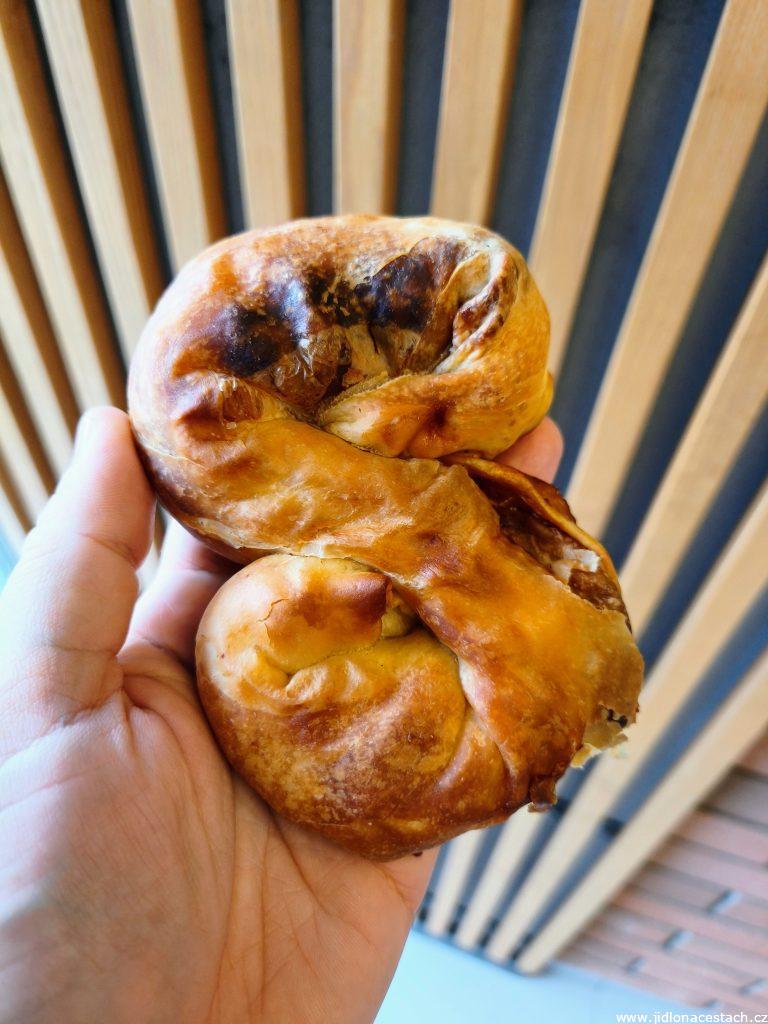
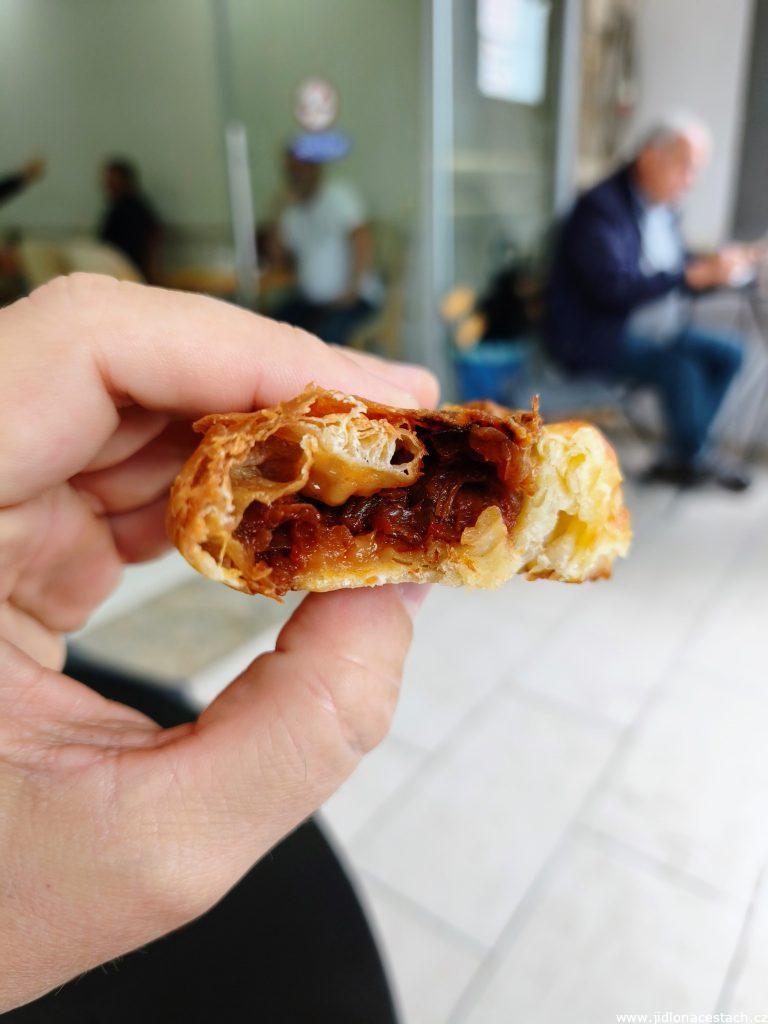
Byrek is commonly eaten in Albania as fast food, breakfast, a snack, or a light lunch. It is served warm or cold. It is one of the cheapest Albanian foods; a single piece will cost you, depending on size and type of filling, 50 – 100 ALL (0.50 – 1 EUR).
My favorite filling is byrek with tomatoes and onions. If you want to enjoy byrek just like the locals do in Albania, pair it with the yogurt drink dhallë.
Bon appétit!