

İrmik helvası is a traditional Turkish dessert made from semolina, butter, sugar, milk, and pine nuts. If you associate the word “halva” exclusively with a crumbly, dry, and oily block of sesame paste, forget about it. This is a completely different story 😁 İrmik helvası, or semolina halva, is essentially a warm, sweet, and very thick porridge.
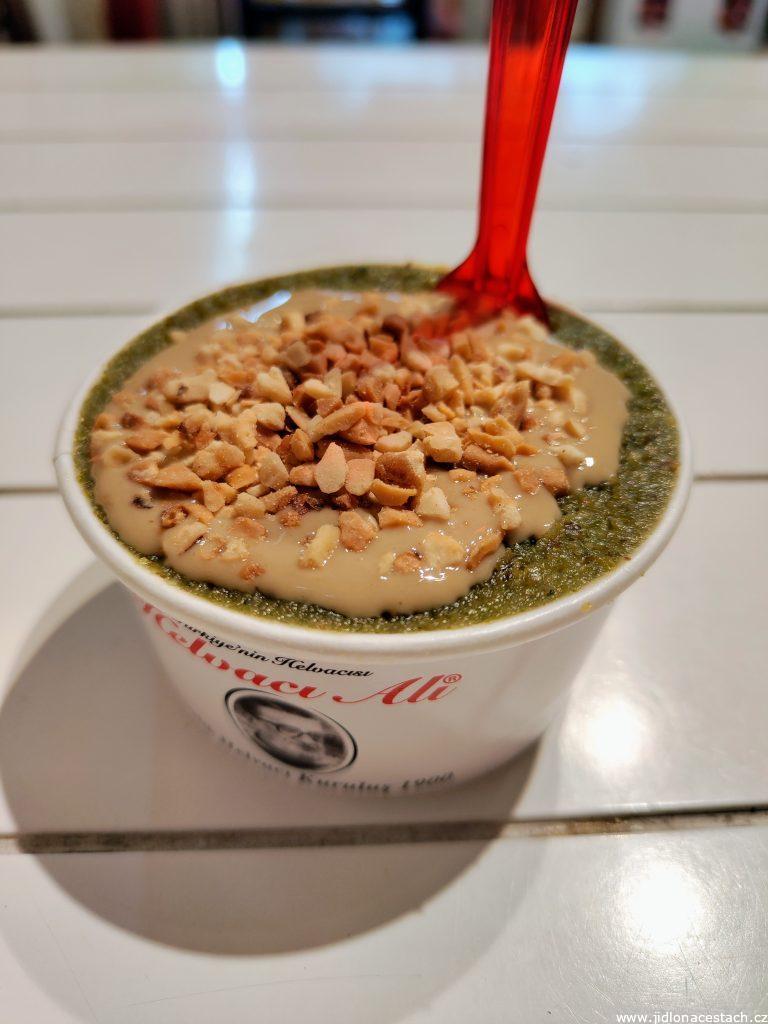
The word “helva” comes from an Arabic term that simply means sweet. During the Ottoman Empire, halva was so significant that the sultan’s palaces had a dedicated kitchen section called “helvahane” (house of halva), where master confectioners experimented with dozens of varieties. However, the semolina version caught on most in ordinary households due to the availability of ingredients. In Turkey, this dish has a strong social dimension. It is cooked at the birth of a child, upon departure for military service, but most often upon a death in the family. The scent of roasted butter and semolina wafting from the windows is a clear signal to neighbors that something has happened in the house. The bereaved then distribute it to neighbors and passersby so that they may offer a prayer for the deceased while eating it. It is a sweet that unites the community in joy and sorrow.
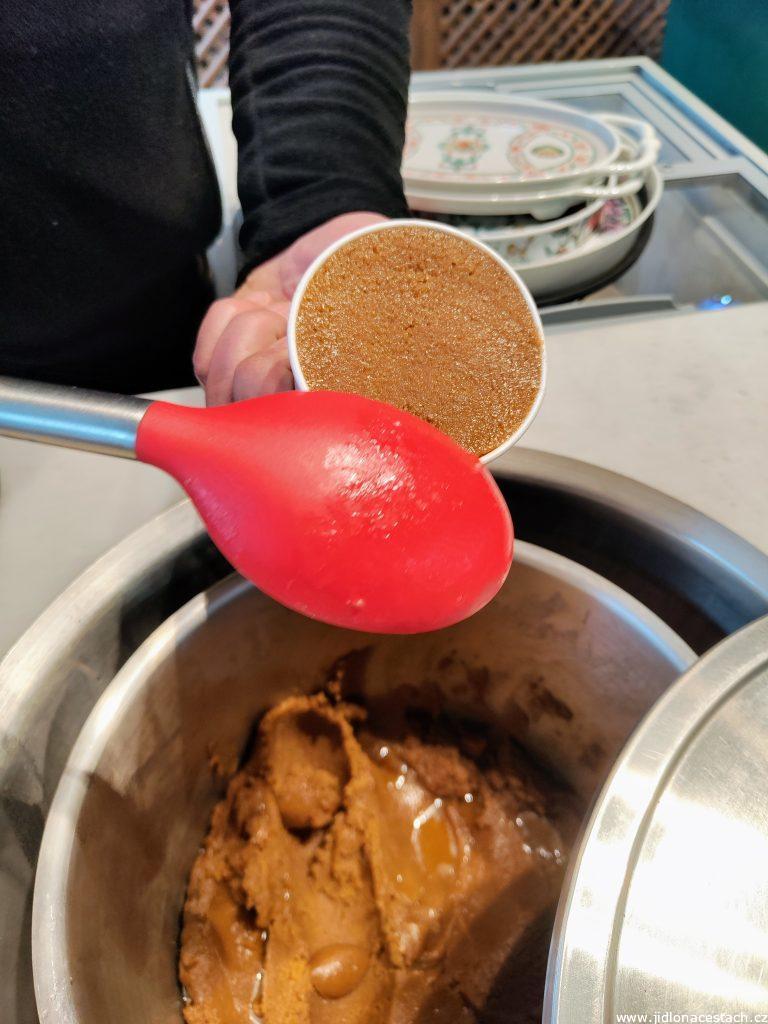
The base of semolina halva is “irmik”, i.e., coarse wheat semolina. This gives the dish its characteristic grainy texture – you can feel individual grains in your mouth, but they are not hard, rather soaked in liquid. The second important ingredient is quality butter. Sugar is boiled with water or milk (the milk version is creamier and smoother) into a syrup, which is incorporated into the dish at the very end.
The pistachio version (fıstıklı irmik helvası) is very popular, being the most distinctive visually and in terms of taste. Thanks to the use of high-quality Gaziantep pistachios – often in the form of a paste mixed directly into the hot mixture – the dessert acquires a rich green color and a much more intense flavor. Riding the wave of global trends is the version with Lotus biscuits, where caramel paste or crushed cookie pieces are mixed into the semolina. Also worth mentioning is the more traditional, yet for foreigners surprising, peynirli irmik helvası, a specialty from the Şanlıurfa region. In this case, unsalted fresh cheese is mixed into the hot semolina, melting with the heat to create a stretchy, salty-sweet texture.
Irmik helvası is best eaten while still warm, shortly after cooking. It is served in bowls or on a small plate, often drizzled with tahini, sprinkled with cinnamon or crushed pistachios. A modern and extremely popular way of serving is in combination with ice cream, ideally with traditional Turkish “dondurma“.
This type of semolina dessert is not exclusive to Turkey. In Greece, you will find practically the identical dish under the name “halvas”, which is often (especially during the fasting period) prepared with olive oil instead of butter and with water instead of milk, flavored with orange peel and cinnamon. If we look further east, in India we encounter “sooji halwa” or “sheera”.
Bon appétit!
🇹🇷 Discover the magic of Turkish cuisine with my newsletter! Subscribe and get a free comprehensive guide that will reveal all the secrets of Turkish dishes and drinks.


