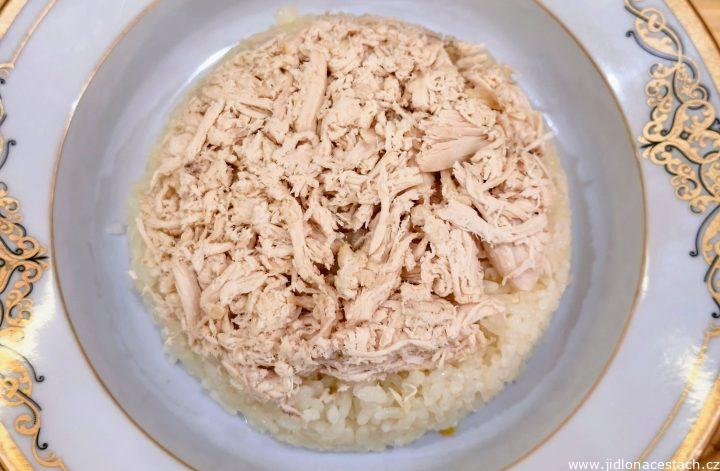
Qeli (قلي) is a traditional Kurdish meat dish that is inseparably linked to the city of Akre and its mountainous surroundings. It involves a specific preparation of fatty meat, historically most often lamb or kid goat meat, however, in modern restaurants today, you will often encounter a version made from veal or beef. The meat undergoes a process of long braising and subsequent confit in its own fat. It is usually served with rice and a sauce made from dried apricots.

In the city of Akre in Iraqi Kurdistan, qeli is almost synonymous with local cuisine. Historically, it was a way to preserve meat in times without refrigerators. The meat was cooked until all the water evaporated, and then it was confited in fat, which preserved it for long months. Qeli is cooked in large cauldrons, often for hundreds of people during the Newroz holiday or at large family gatherings.

No complex spice blends or herb marinades are used for the meat when preparing qeli. However, the essential accompaniment that takes the flavor to another level is “qeysi” – a thick, warm sauce made from dried apricots. These are boiled in water until they soften and create a sweet and sour compote. It is precisely this element that makes qeli an interesting gastronomic experience, because the acidity of the apricots cuts through the richness of the meat and the sweetness softens its intense flavor.

The most common side dish for qeli is rice, Kurdish of course.

I tasted beef qeli in a small restaurant in the town of Akre. One portion, including soup, bread, vegetables, several salads, a bottle of water, and a glass of tea, cost 12,000 IQD (7.20 EUR). The meat was prepared excellently; it was literally falling apart.
Bon appétit!