Panir is a traditional Iranian cheese, known for its mild, creamy flavor, low acidity, and slightly spreadable texture that makes it easy to slice and spread. It is most commonly made from cow's milk and has a structure similar to feta cheese, but it is less salty. Panir is consumed fresh, without aging, and is an integral part of Iranian cuisine, especially at breakfast, where it is served with local bread, herbs, tomatoes, nuts, or honey.
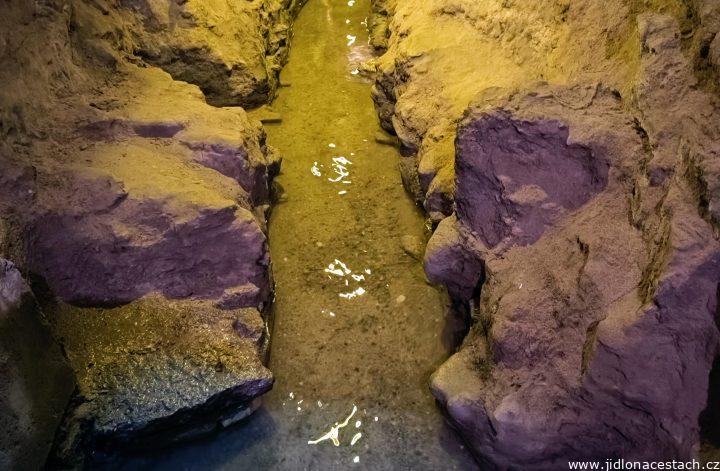
A qanat is a system of underground water channels that transports groundwater from mountainous areas or reservoirs to lower-lying locations using gravity. This ingenious system, with a history dating back more than 2,500 years, is particularly characteristic of Iran, where thousands of qanats are still in use today. A significant center of qanats is the desert city of Yazd. Due to their historical and technical significance, the qanats in Yazd have been inscribed on the UNESCO World Heritage List.
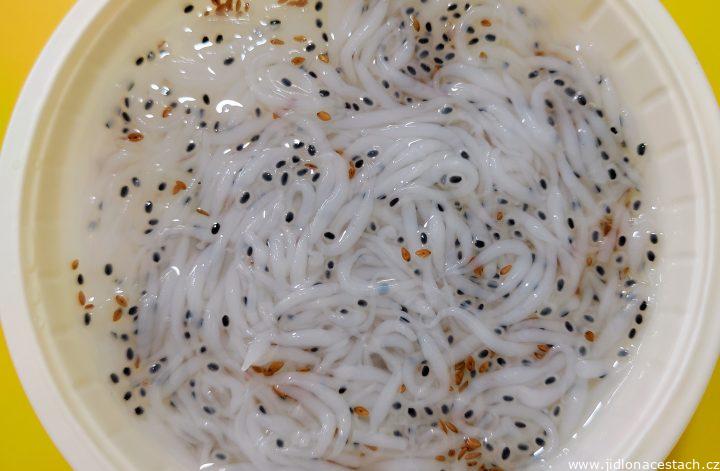
Faloodeh Yazdi is a traditional cold dessert from the city of Yazd. It consists of thin starch noodles soaked in thick syrup made from rose water and sugar. Unlike the more widespread Faloodeh Shirazi, which contains slushy ice, Faloodeh Yazdi is characterized by its thicker syrup and the addition of water-absorbing seeds.
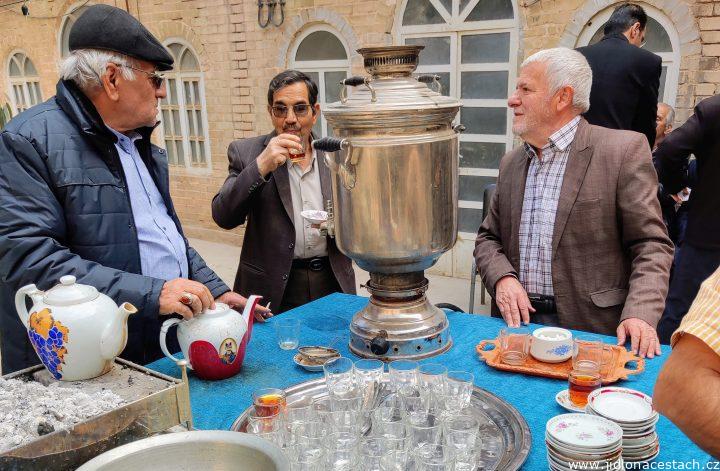
Nazr is a solemn vow or commitment in Islam, where a person pledges to provide food or other gifts to those in need as an expression of gratitude to Allah. The sofreh nazr ("nazr laid table") tradition involves preparing and distributing food for free, whether in the form of large public feasts or small informal gatherings. This act has deep religious significance while also promoting solidarity, generosity, and community cohesion.