What to Eat in Poland: Typical Polish Food and Specialties
Polish cuisine is characterized primarily by its richness and heartiness. Poles love meat, especially pork and poultry. Various types of sausages and smoked meats are also very popular. Other frequently used ingredients include potatoes, cabbage, beets, mushrooms, and various types of grains. Poles also have a fondness for dairy products, especially sour cream, which they add to many dishes. Bread and other baked goods also play a significant role.
Food in Poland
Typical Polish dish: kotlet schabowy. In Poland, pork cutlet is often served with potatoes sprinkled with dill and cabbage.
Typical Polish Dishes
Among the typical Polish dishes are definitely pierogi, stuffed dumplings made from dough. The filling can be savory or sweet, ranging from minced meat, cabbage, and mushrooms to cottage cheese and fruit. Various types of soups are also very popular, such as żurek, a soup made from fermented rye starter or barszcz, a beetroot soup. Worth mentioning is also bigos, a hearty dish made from sauerkraut, various types of meat, and sausages. For those with a sweet tooth, there is sernik, a delicious cheesecake, or faworki, delicate fried pastries dusted with powdered sugar.
Typical Polish dish: pierogi.
🇵🇱 Do you love Polish food? Sign up for my newsletter and I will send you comprehensive information about Polish dishes, drinks, and other specialties for free.
Polish National Dish
The national dish of Poland is pierogi. These tasty dumplings have been part of Polish cuisine since the 13th century. Their preparation is time-consuming, but the result is worth it. Pierogi can be served as a main course or dessert, boiled, baked, or fried, and Poles never seem to tire of them.
Another strong candidate for the title of Poland’s national dish is bigos. Bigos is one of the oldest and most traditional Polish dishes, beloved throughout the country. This dish is a mix of sauerkraut, various types of meat, and sausages. Sometimes, mushrooms or dried plums are added, giving the dish an even richer flavor. Bigos is cooked slowly and for a long time, often over several days.
Chłodnik Litewski is an extremely popular cold soup in Poland, made from beets and sour milk.
What to Eat in Poland
Pierogi. Stuffed dumplings that are very popular in Poland, considered a national Polish dish.
Bigos. A traditional Polish dish made from stewed cabbage, meat, and sausage, often served at weddings and other celebrations.
Żurek. A soup made from rye sourdough, typical of the Easter season.
Gołąbki. Cabbage leaves stuffed with a mixture of meat and rice, popular as a Sunday lunch in Polish households.
Pączki. Sweet donuts filled with jam or custard, which are an integral part of the carnival season in Poland but are available year-round.
Zapiekanki. A popular Polish fast food consisting of a split baguette baked with cheese and other ingredients such as mushrooms, bacon, or sausage.
Kiełbasy. Various types of sausages that are an integral part of Polish cuisine and are often grilled or roasted over a fire.
Kabanosy. Long thin sausages from the Wielkopolska region, a popular snack.
Makowiec. A traditional Polish poppy seed roll, baked mainly for Christmas and Easter.
Kotlet schabowy. A fried pork cutlet, a common dish in Polish restaurants and canteens.
Sernik. Polish cheesecake, a favorite dessert at family celebrations and gatherings.
Chłodnik Litewski. A cold beet soup, popular especially in the summer months.
Flaki. Polish tripe soup made from tripe, vegetables, and spices.
Pierniki toruńskie. Gingerbread from the city of Toruń, famous for its unique taste and decoration.
Oscypek. Smoked cheese made from sheep’s milk from the Podhale region in the Polish Tatra Mountains, protected by a designation of origin.
Zupa pomidorowa. Polish tomato soup, often served with rice or pasta.
Szarlotka. Traditional Polish apple pie, a popular dessert especially in autumn.
Faworki. Delicate fried pastries dusted with powdered sugar, prepared for the carnival season.
Kogel-mogel. A dessert made from beaten egg yolks with sugar, also used as a remedy for colds.
Sękacz. A cake shaped like a tree trunk, originating from the Podlasie region in northeastern Poland.
Zupa ogórkowa. Polish cucumber soup made from pickled cucumbers, often served with potatoes.
Mazurek. A traditional Polish Easter cake with various types of fillings and decorative appearance.
Zrazy. Beef rolls stuffed with vegetables, eggs, or bacon, popular mainly in Warsaw and the surrounding area.
Kaszanka. Blood sausage filled with barley groats and pork blood, typical of the Wielkopolska region.
Krówki. Soft caramel candies from the city of Poznań, a popular Polish souvenir.
Ptasie mleczko. A confection from the Wedel chocolate factory, named after the “bird’s milk” from Polish fairy tales.
Kremówka (napoleonka). A puff pastry dessert with vanilla cream, made famous by Pope John Paul II from the town of Wadowice.
Grochówka. Polish pea soup, a traditional dish during pilgrimages and village festivals.
Kluski śląskie. Silesian potato dumplings, a specialty of the Silesia region in southern Poland.
Andruty. Wafers filled with a nut filling, typical of the city of Kalisz in central Poland.
Famous Toruń gingerbread.
Typical Polish Beverages
One of the most popular Polish alcoholic beverages is vodka. Polish vodka is renowned for its purity and smooth taste. The Poles are very proud of their vodka and love to serve it on various festive occasions.
Poles also love their beer. Polish breweries offer a wide range of beers, from light lagers to strong dark beers. Be sure to try the beer from small Polish craft breweries. Polish beer is an excellent complement to traditional Polish dishes and is definitely worth tasting.
Baltic porter is a strong dark beer with a high alcohol content. Poland is a world leader in brewing it.
How to Fully Enjoy Polish Food
Try traditional Polish dishes. Polish cuisine is rich in traditional foods that everyone should taste. The most famous include pierogi (stuffed dumplings), bigos (cabbage with meat), and żurek (sour soup).
Visit milk bars. These traditional Polish diners offer homemade meals at affordable prices. It’s a great way to experience authentic Polish cuisine. Milk bars are slowly disappearing.
Try Polish sausages. Poland is famous for its high-quality sausages, such as kiełbasa (sausage) and kabanos (very thin sausage).
Visit markets and fairs. Local markets and fairs are great places to taste fresh and regional products, such as cheese, baked goods, fruits, and vegetables.
Indulge in Polish sweets. Poland has a rich baking tradition. Try pączki (doughnuts), sernik (cheesecake), or makowiec (poppy seed roll).
Taste Polish beers and vodkas. Poland has a long tradition of brewing beer and distilling vodka. Sample different types of beer from local small craft breweries, and don’t forget to try the famous Polish vodkas like Żubrówka or Wyborowa.
Enjoy Polish breakfasts. A traditional Polish breakfast often includes various types of bread, sausages, cheeses, eggs, and vegetables. It’s a great way to start the day. In Poland, you can find bistros specializing in breakfast.
Polish breakfast: scrambled eggs with sun-dried tomatoes, spicy nduja sausage, Parmesan, vegetable salad with seeds, and of course, a Polish bagel.
Regional Polish Cuisine and Specialties
Polish cuisine is known for its diversity. Each region has its own specialties, reflecting local traditions, available ingredients, and historical influences.
Greater Poland Cuisine (Poznań)
Greater Poland, with its capital in Poznań, boasts a rich gastronomic tradition. The most famous local specialties include “pyry z gzikiem” – potatoes with cottage cheese, “szare kluchy” – gray potato dumplings, and “rogale świętomarcińskie” – sweet crescent rolls filled with white poppy seeds, traditionally baked for St. Martin’s Day.
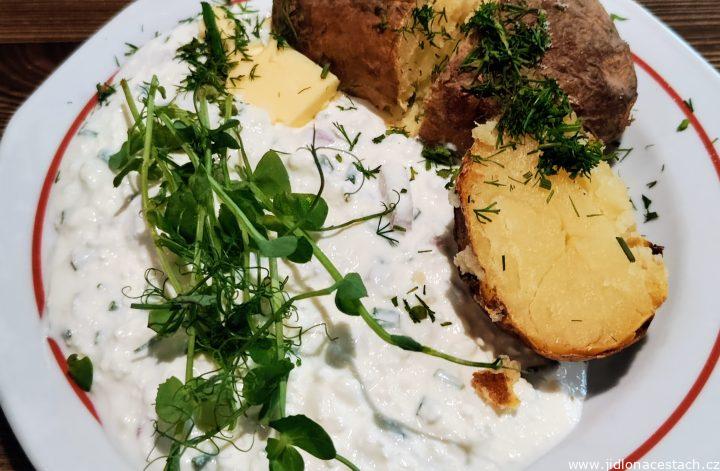
Typical Polish regional dish from Poznań: pyry z gzikiem.
Pomeranian Cuisine (Gdańsk)
Pomerania, with its capital in Gdańsk, is located by the Baltic Sea, which is reflected in its local cuisine. The fish dishes here are famous, such as “śledź po kaszubsku” – Kashubian-style herring with onions or “zupa rybna” – thick fish soup. Popular dishes also include “kołduny” – dough pockets filled with minced meat.
Silesian Cuisine (Wrocław)
Silesia, with its capital in Wrocław, is famous for its hearty and filling dishes. The most famous specialties include “rolada śląska” – Silesian beef roll with stuffing, “kluski śląskie” – Silesian potato dumplings, and “modra kapusta” – red cabbage stewed with apples and spices.
Galician Cuisine (Kraków)
Galicia, with its capital in Kraków, has a cuisine influenced by Austrian and Jewish traditions. Famous dishes here include “pierogi ruskie” – dumplings filled with seasoned cheese stuffing, “bigos” – stewed cabbage with sausage and dried mushrooms, and “sernik krakowski” – Kraków cheesecake.
Lublin Cuisine (Lublin)
Among the specialties of the Lublin region are “cebularz lubelski” – a large flatbread with an onion topping, “forszmak lubelski” – a Lublin dish made of meat, sausage, and pickles, and “makowiec” – poppy seed roll.
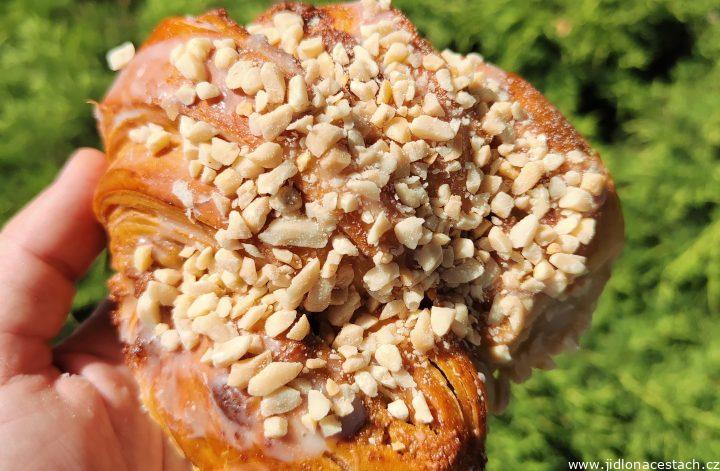
Drożdżówki: typical Polish yeast cakes.
Famous Polish Chefs
Magda Gessler (1953). Magda Gessler is one of the most prominent figures in Polish gastronomy. She is best known for her role in the television show “Kuchenne Rewolucje,” the Polish version of the British show “Kitchen Nightmares.” Gessler owns several restaurants across Poland and is known for her charismatic and often controversial approach to cooking and restaurant management. She is also the author of several cookbooks and regularly contributes to various culinary magazines.
Wojciech Modest Amaro (1972). Wojciech Modest Amaro is one of the most acclaimed Polish chefs, known for his innovative approach to traditional Polish cuisine. His restaurant Atelier Amaro in Warsaw was the first in Poland to earn a Michelin star. Amaro focuses on using local ingredients and seasonal produce, which allows him to create extraordinary and refined dishes.
Robert Makłowicz (1963). Robert Makłowicz is a well-known promoter of Polish cuisine. His television shows, in which he travels around the world discovering different culinary traditions, are very popular. He is the author of several cookbooks, and his approach to cooking is often described as educational and inspiring.
Kurt Scheller (1952). Although Kurt Scheller is not originally Polish, his contribution to Polish gastronomy is undeniable. He hails from Switzerland but has spent most of his career in Poland, where he has served as a chef in several prestigious restaurants. Scheller is known for his emphasis on precision and the quality of ingredients. He is also the founder of a culinary academy where he teaches new generations of chefs.
Karol Okrasa (1978). Karol Okrasa is another prominent Polish chef, known for his television shows and books. His cooking style is characterized by a modern approach to traditional Polish recipes. Okrasa often experiments with new techniques and ingredients to create unique and innovative dishes. His work is often focused on promoting Polish cuisine on the international stage.
Polish Michelin Restaurants
Poland has 76 restaurants listed in the Michelin guide, including 1 restaurant with 2 stars, 5 restaurants with 1 star, 16 restaurants in the Bib Gourmand category – for exceptional value for money, and another 54 restaurants listed (as of August 2024).
Currently, the only two-star restaurant in Poland is Kraków’s Bottiglieria 1881. Located in the historic part of Kraków, it is known for its intimate and elegant ambiance. Chef Przemysław Klima emphasizes local ingredients and traditional Polish recipes, which he interprets in a modern way. The tasting menu at Bottiglieria 1881 is carefully curated and features dishes such as venison, fresh fish, and homemade desserts.
However, the number of restaurants listed in the Michelin guide has been rapidly growing in Poland in recent years, and the value for money is exceptionally good, even for Czechs.
Bób: a summer Polish specialty.
Interesting Facts about Polish Food
Żurek in Bread. The traditional Polish soup żurek is often served in an edible bread bowl. While serving soups like goulash in a bread bowl has mostly disappeared in the Czech Republic, it is still common in Poland.
Oscypek and its Protected Status. Oscypek, a traditional smoked sheep’s cheese from Podhale, has a protected geographical indication from the European Union. This means that true oscypek can only be made in this specific Polish region using traditional methods.
Kaszanka and Its History. Kaszanka, the Polish version of blood sausage, has roots in ancient pagan rituals where blood was considered sacred, and the sausage was part of sacrificial feasts.
Polish Vodka. Poland is one of the largest producers of vodka in the world and is known for its diverse flavors. One of the most famous is “Żubrówka,” which contains a blade of grass from the Białowieża Forest.
Czernina Soup. This traditional soup is made from duck blood and is known for its distinctive taste. In the past, it was served as a symbolic dish when rejecting a marriage proposal.
Kiełbasa and Its Varieties. Poland has over 100 types of sausages, known as “kiełbasa.” Each region has its own recipes and preparation methods.
Pączki and Their Significance During Lent. These fried doughnuts filled with jam or other sweet fillings are traditionally eaten on “Fat Thursday” before the start of Lent. On this day, millions of pączki are consumed in Poland.
The Traditional Polish Christmas Eve Dinner “Wigilia” Consists of Twelve Dishes. This number symbolizes the twelve apostles.
Bigos and Its Variability. Bigos is a dish that improves as it ages. Its flavor changes daily due to the fermentation of the cabbage and meat ingredients.
Red Barszcz and Its Variations. Polish beet soup barszcz has many variations. For example, at Christmas, it is often served with “uszka,” small stuffed dumplings similar to ravioli. This version is very different from the regular barszcz served with potatoes or eggs.
Kogel-Mogel. This sweet Polish dessert made from egg yolks and sugar is the predecessor of modern ice cream. Kogel-mogel was especially popular in times when sweets were scarce.
Polish Cuisine and Mushrooms: Poland is (along with Czechia) one of the few countries where wild mushroom picking is a national passion. Mushrooms are an integral part of many traditional dishes, such as “zupa grzybowa” (mushroom soup).
Poland is one of the world’s leading producers of apples (after China and the United States). Polish apples are known for their quality and excellent taste, which is why they are sought after not only in the domestic market but also abroad.
Want to Compliment the Food in Poland? Say “Niebo w gębie,” literally “Heaven in the mouth.” This will definitely please the cook.
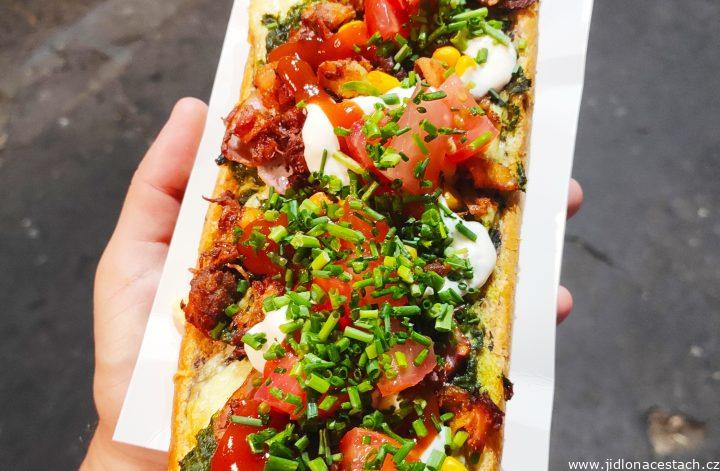
Typical Polish fast food: zapiekanki. Half a baguette baked with various fillings.
Pierogi, traditional Polish dumplings made from unleavened dough and filled with a variety of fillings, are one of the most beloved and well-known dishes in Polish cuisine. There is an incredible range of pierogi variations, from classic Russian-style with potato and cottage cheese filling to sweet fruit-filled ones. Different regions of Poland have their own local variants. Pierogi are popular at celebrations, festivals, and in specialized restaurants called "pierogarnie." They are so popular that they even appear in Polish proverbs and sayings.
Bób, (broad beans, also known as fava beans) are a popular legume with a long tradition in Polish cuisine. Freshly harvested broad beans, available from June to August, have the best taste. Broad beans are popular not only in Poland but also in other cuisines, particularly around the Mediterranean and in the Middle East.
Polish doughnuts, known as "pączki," are exceptionally popular pastries in Poland. These doughnuts, usually round or oblong in shape, are filled with a wide range of fillings. You can taste rose jam, plum jam, or vanilla cream, but there are dozens of other options. Although they are more expensive than Czech doughnuts, their size, taste, and generous amount of filling make them an irresistible treat.
The St. Martin's croissant, a sweet pastry with a poppy seed filling, is inextricably linked to Poznań and the celebrations of St. Martin's Day. It has gained such popularity that it is now available all year round and has become one of the symbols of Poznań's gastronomy. The name of the pastry is protected by a local certificate and has also been granted Protected Designation of Origin (PDO) and Protected Geographical Indication (PGI) status by the EU.
Kotlet schabowy, one of the most popular Polish dishes, is a pork schnitzel prepared similarly to the Czech version. The foundation is a high-quality pork chop, tenderized, salted, peppered, and coated in a triple breading. The Polish kotlet schabowy is traditionally served with potatoes sprinkled with dill, sauerkraut, or a vegetable salad.
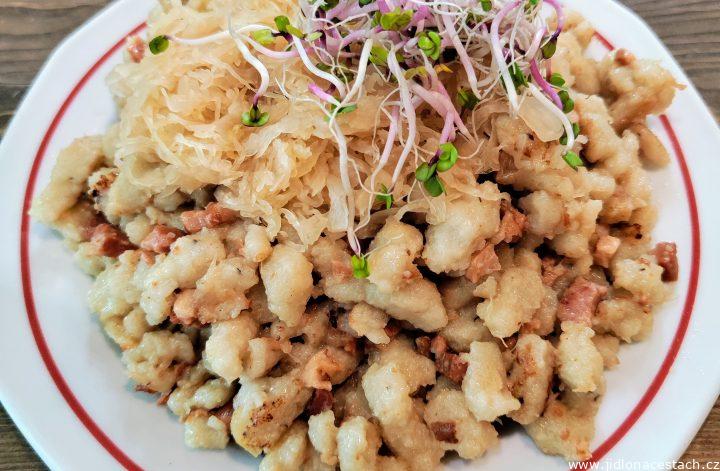
Szare kluchy are traditional Polish potato dumplings from the Greater Poland region, which get their gray color from the use of raw grated potatoes. The dough made from potatoes, flour, eggs, and salt is shaped into small dumplings that are boiled in water and served with pork cracklings and sauerkraut. This tasty and filling dish remotely resembles Slovak halušky.
Pyry z gzikiem, a traditional Greater Poland dish of baked potatoes with a cottage cheese sauce, is a great example of a simple yet perfectly delicious meal. The foundation of the dish is potatoes baked in their skins, but the real star is gzik - a creamy sauce made from cottage cheese, cream, onion, and herbs.
Chłodnik Litewski is a refreshing cold soup that combines the flavors of red beets and sour milk. This traditional soup, popular in Lithuania, Poland, and Belarus, has a rich history dating back to the period of the Polish-Lithuanian Commonwealth. Its simple preparation without cooking makes it an ideal summer dish that will not only refresh you with its taste and vibrant pink color but also delight your eyes.
Flaki, a traditional Polish soup made from beef tripe, is considered one of the national Polish soups. Preparation requires care and time. Compared to the Czech version, Polish tripe soup contains less paprika and more vegetables, especially carrots. Poles also often use pork or deer tripe.
Zapiekanka, a cult Polish fast-food dish, is a halved baguette baked with cheese and various ingredients such as mushrooms, onions, bacon, sausage, ham, meat, tomatoes, or corn. It became popular in the 1970s as a cheap and filling street food. Today, you can find it all over Poland in different variations, with the best ones allegedly made in Krakow.