Ayran is a cold, salty drink made from yogurt and water, which forms the absolute basis of hydration in Turkey and many other countries from the Balkans to Central Asia. It is a functional drink that has been developed over centuries not only to refresh a person in a hot climate but also to help them digest fatty and spicy foods. In a frosted glass, often with a rich cap of foam, ayran represents the perfect counterpoint to a scorching grill or the blazing sun.
The origin of ayran cannot be attributed to a single specific modern state, although today it is most associated with Turkey. Its roots reach deep into history to nomadic Turkic tribes in Central Asia. The logic behind the creation of ayran was simple and stemmed from necessity. Nomads needed to process and preserve milk. Fermenting it into yogurt extended its shelf life, but pure yogurt was often too thick and sour to be drunk in large quantities as a source of fluids. By diluting it with water and adding salt, a drink was created that did not spoil as quickly and at the same time replenished minerals sweated out in the heat.
With the expansion of the Ottoman Empire, this custom then spread to every corner of the controlled territory. That is why today you will encounter ayran or its very close relatives in an incredibly wide belt of countries. It is at home in Turkey, Syria, Lebanon, Iraq, Jordan, and Palestine. In the Balkans, you will find it in Bulgaria, in Albania (dhallë), in North Macedonia, and in Greece. Towards the east, it is drunk in Iran, Afghanistan, Azerbaijan, Armenia (tan), and of course in post-Soviet republics like Kazakhstan or Kyrgyzstan.
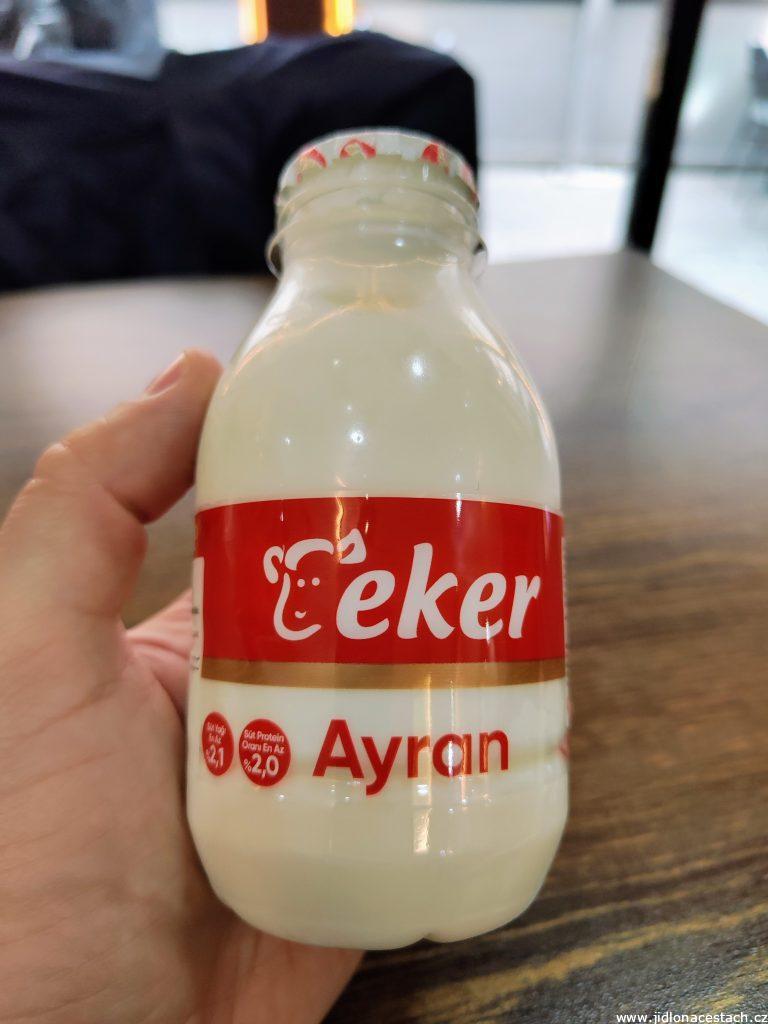
The basis of ayran is yogurt. In authentic versions, yogurt from sheep’s or goat’s milk is often used, which has a more distinct, earthier aroma and naturally higher fat content than cow’s milk. The second component is water, which must be ice-cold. The dilution ratio depends on personal preference and the thickness of the starting yogurt, but the goal is a liquid that is easy to drink but still leaves a milky film on the tongue. The third ingredient is salt. It brings out the natural sweetness of the yogurt. In some countries, for example, dried mint is added (doogh in Iran).
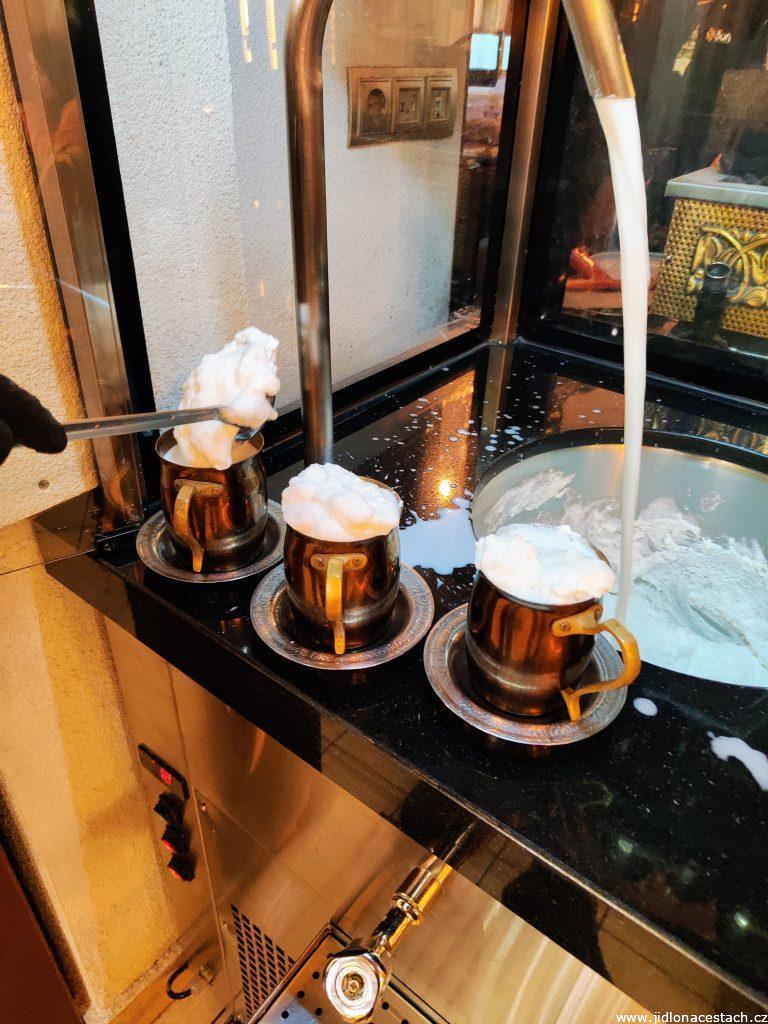
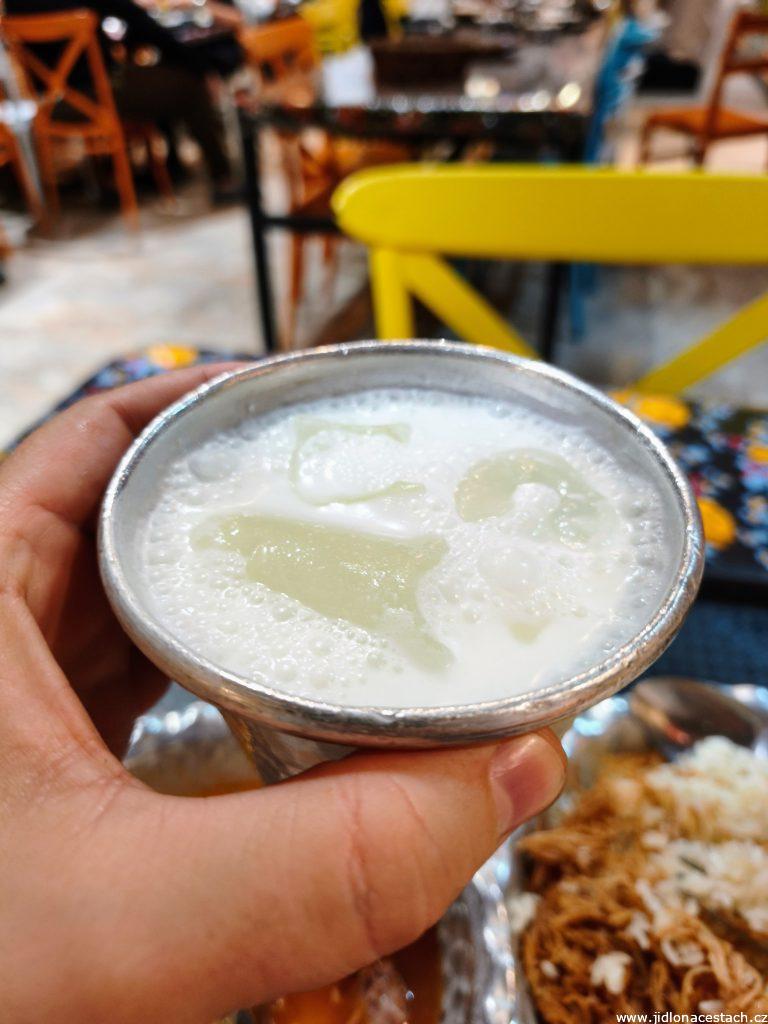
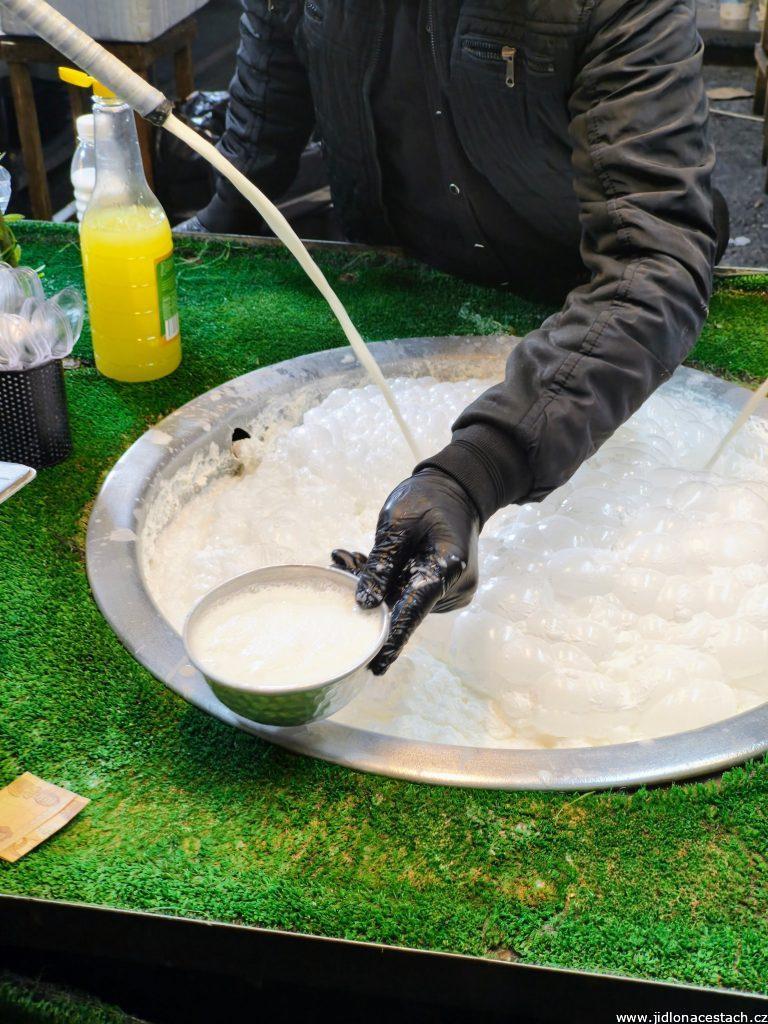
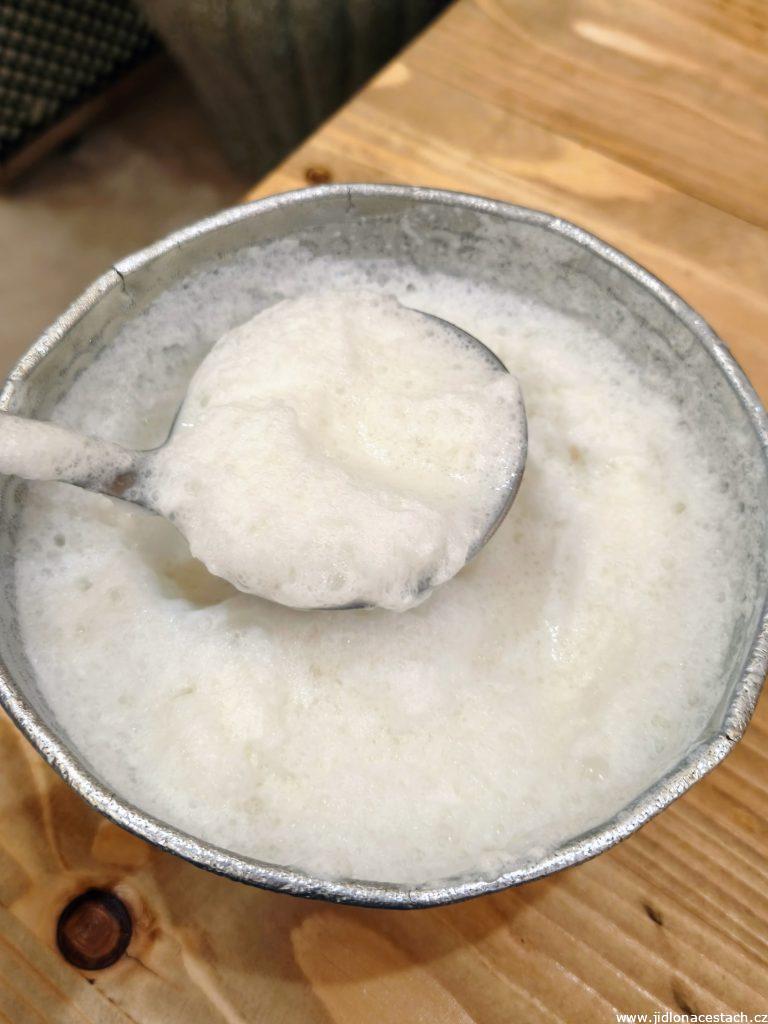
Preparation in the kitchen is simple. The easiest method is simply whisking yogurt with water and salt with a whisk or in a blender. The goal is the perfect combination of both liquids. In Turkey, however, the so-called “yayık ayranı” is highly prized. Traditionally, it was prepared in wooden barrels or leather bags suspended from a tripod, which were rhythmically rocked back and forth. This movement not only mixed and cooled the liquid but, above all, drove air into it. The result is ayran with a thick, creamy foam on the surface, resembling the head on a well-drafted beer. Modern restaurants mimic this effect with special fountains.
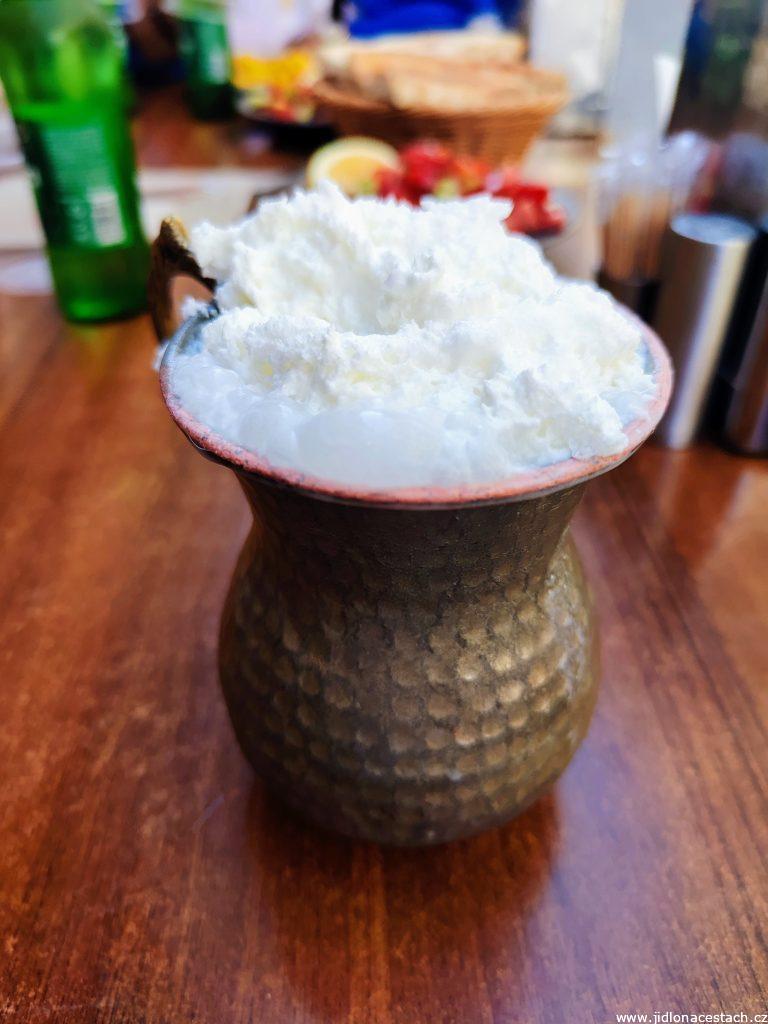
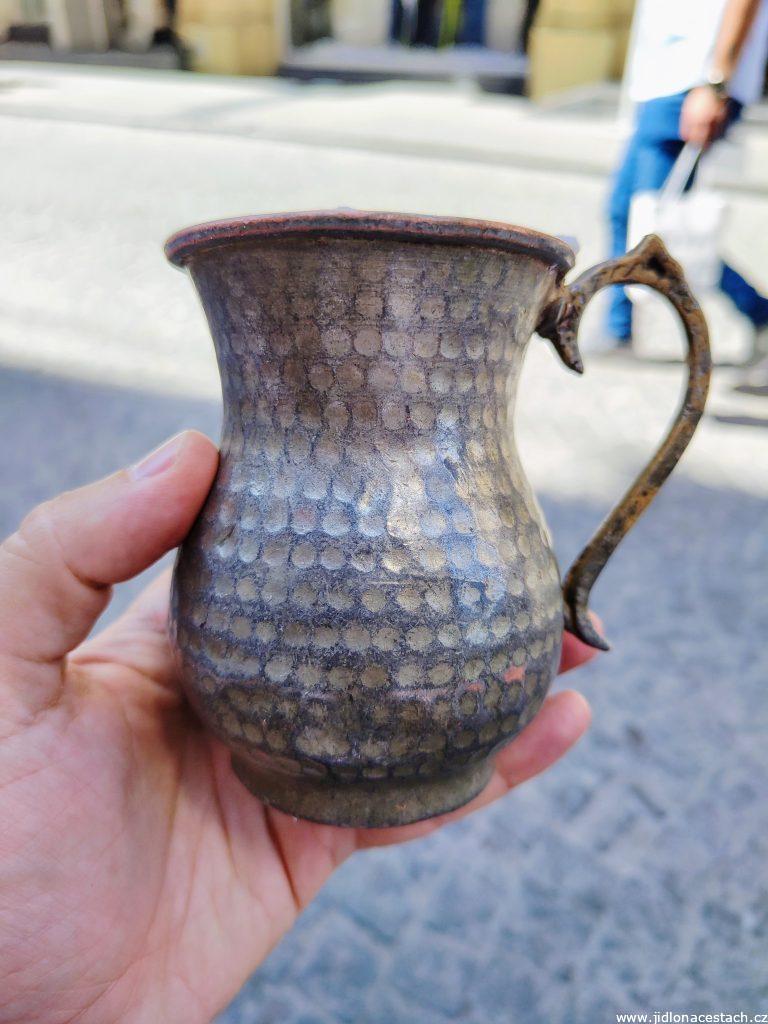
Ayran is rarely drunk just on its own for thirst; its true place is next to a plate of food. It is often served in copper mugs called maşrapa, which conduct cold perfectly and keep the drink icy until the last sip.
Ayran functions as a gastronomic fire extinguisher. If you are eating spicy Adana kebab or seasoned lamb, capsaicin irritates your tongue. Water would only spread the heat around the mouth, but the fat and proteins in ayran can neutralize it and soothe the mucous membrane. Moreover, the saltiness of the drink stimulates the appetite, and the acidity helps the stomach process heavier, fatty meats. After finishing the meal and the drink, there is no feeling of heaviness, but rather a pleasant, cooling settling.
For me, ayran is a drink without which I cannot imagine a visit to Middle Eastern countries.
Cheers!
🇹🇷 Turkey on a plate and in your email! Subscribe to my newsletter and get exclusive access to information about Turkish cuisine for free. Discover lesser-known but still great Turkish foods!