Guinness Storehouse: A Tour of the Dublin Brewery
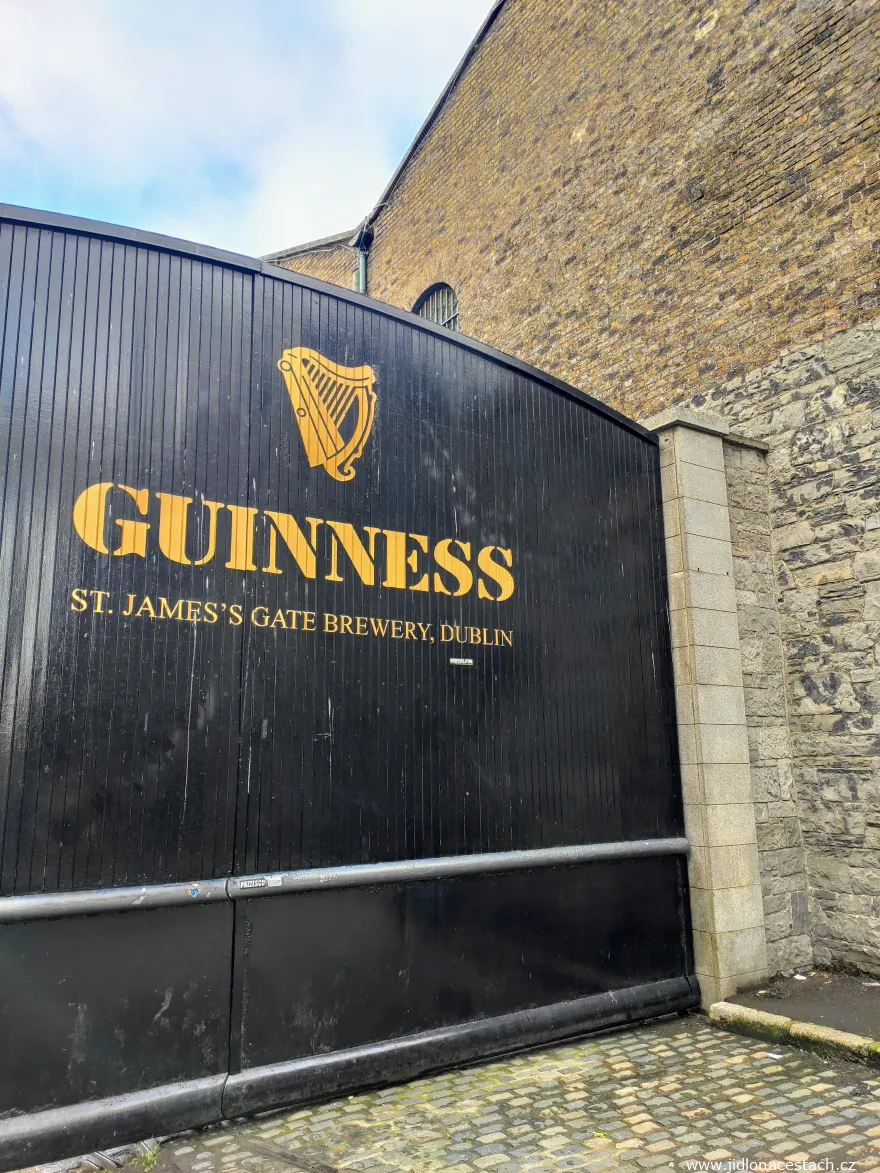
The corporate museum is a genre I approach with suspicion: the company tells its own story and the ticket is really admission to a commercial. I'll admit that in Dublin I expected next to nothing from the visit. I walked out delighted. The Guinness Storehouse is a seven-floor interactive exhibition devoted to the most famous beer in Irish cuisine; it sits in a former fermentation house right inside the brewery grounds at St. James's Gate, where beer has been brewed for more than two and a half centuries.
What Guinness Is and Why It Isn't Black
Guinness is a stout, a dark top-fermented beer made from roasted barley. The grain is roasted much like coffee, and the flavor goes the same way: coffee and dark chocolate with a dry finish. The thick creamy head doesn't come from carbon dioxide but from nitrogen, with its finer bubbles - I describe the two-part pouring ritual that goes with every pint at the Dublin pub Long Hall. And the brewery owns up to one detail itself: Guinness isn't actually black - held up to the light, it's a deep ruby red. The name is an anglicized version of the Irish Mag Aonghusa, "son of Aonghus" - the beer is named after the founder's family, not after a place or an ingredient.
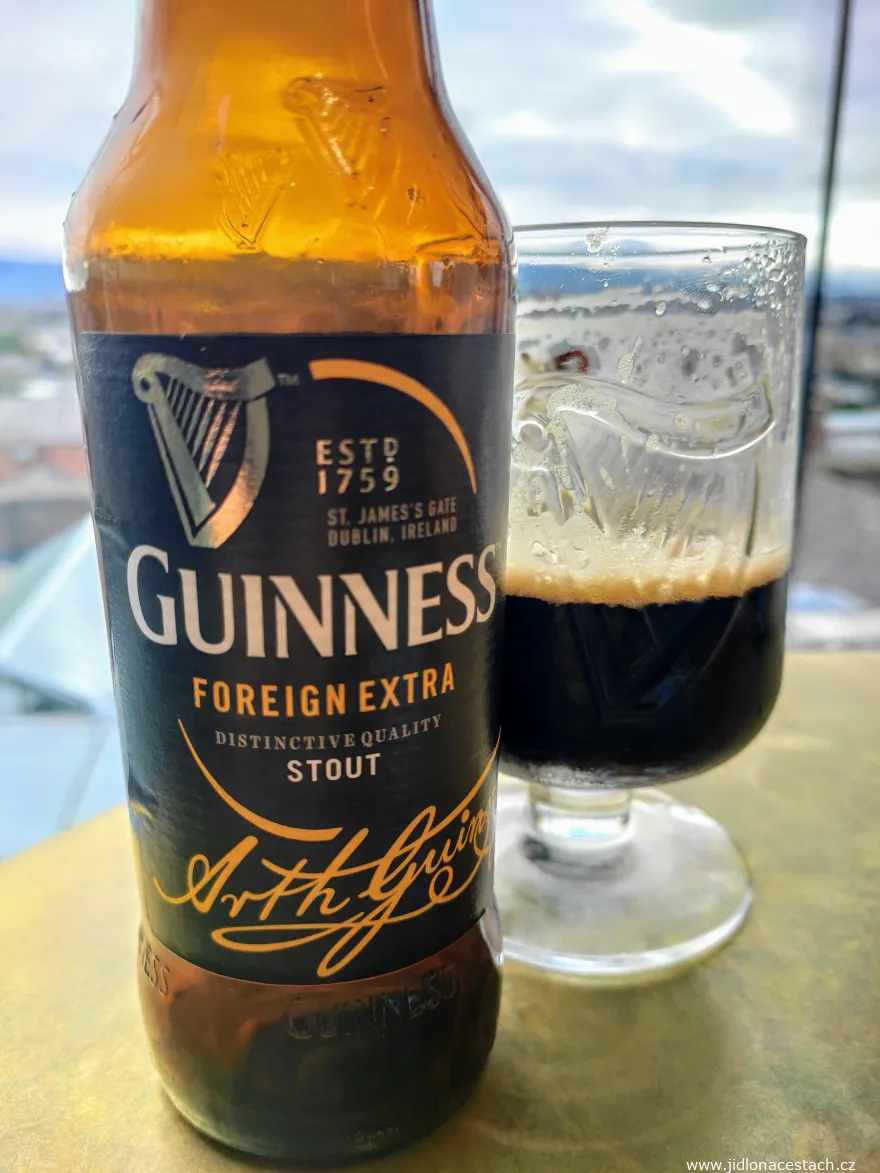
Stout only poses as an Irish invention, though. Porter, its predecessor, was invented in England - in eighteenth-century London, to be precise - and named after the porters who hauled loads around the city's markets. Guinness took up the London recipe, soon brewed nothing else, and in time turned an English style into an Irish symbol. It isn't the only brewer of Irish stout, though: Murphy's and Beamish from Cork keep up a quiet regional feud with the Dublin giant, and from that same London ancestor the bottom-fermented porter bałtycki emerged around the Baltic. And most Guinness isn't drunk in Ireland - since 2007 the brand's second-biggest market has been Nigeria, right behind the United Kingdom and ahead of Ireland itself; what goes there is the stronger export version, Foreign Extra Stout.
A Lease for 9,000 Years
The most precious exhibit in the place lies under glass: the lease signed on the last day of 1759 by a thirty-four-year-old brewer named Arthur Guinness. What he took on was a derelict, disused brewery with four acres of land, a mill and stables - for 9,000 years at 45 pounds a year. By the business standards of the day it was an audacious bet, but it paid off: the brewery never left St. James's Gate. That curious lease no longer stands, by the way - according to most sources the company simply bought the land outright during the last century. No official source spells out what exactly became of the document, which is understandable enough for a contract that runs until the year 10759.

Seven Floors Around a Glass Pint
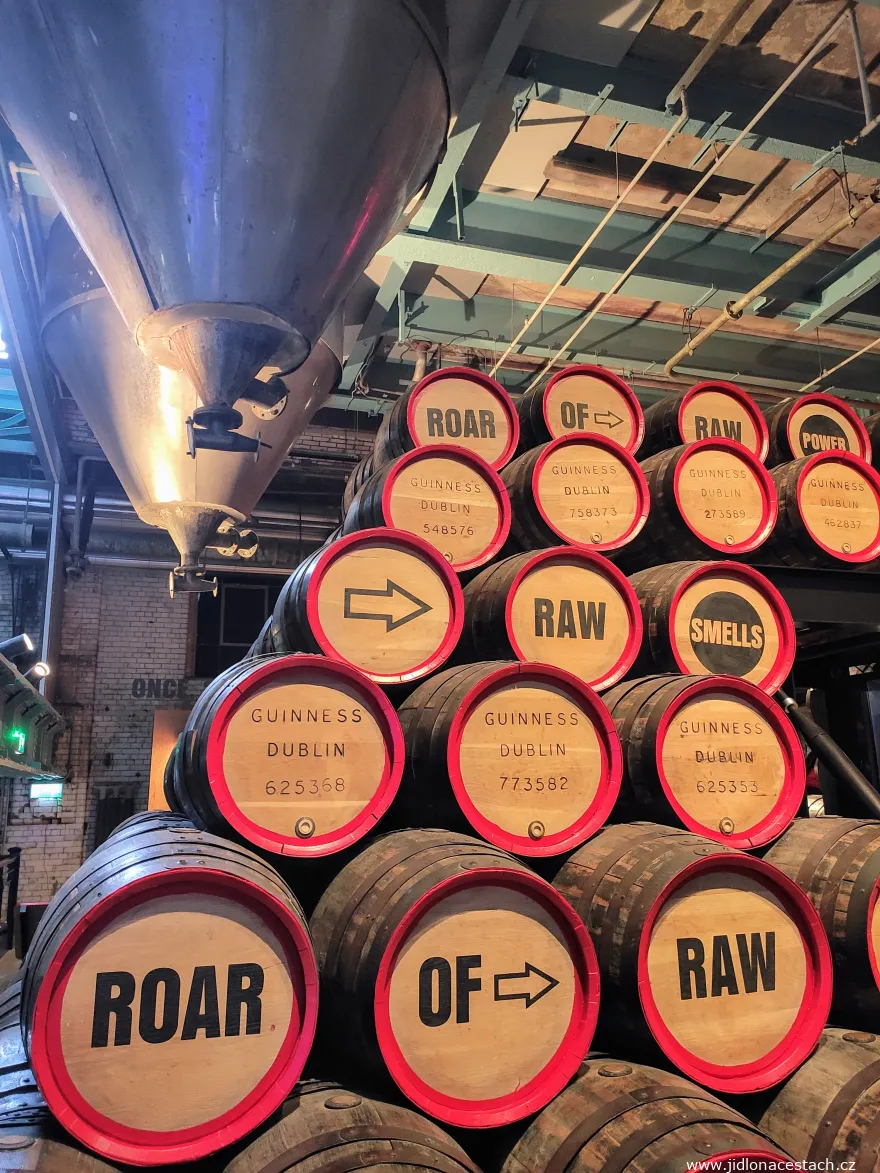
The exhibition winds around a glass atrium shaped like a giant pint and you walk it freely, at your own pace. Few museums have let me put my hands on so much: you reach into raw barley grains, dip your fingers into the cascade of water the beer is brewed with, and smell barley roasted to every different degree. A whole floor belongs to the coopers - in the 1920s half of all the coopers in Dublin worked for Guinness, and the last wooden cask here was filled in 1963. Another floor goes to advertising, a field Guinness has dominated for close to a hundred years: the famous toucan balancing glasses on its beak came from the pen of Dorothy L. Sayers, the detective novelist who made extra money writing ads - she reworked a pelican that had been painted first. The whole thing has the rhythm of a school trip to a factory, only without the worksheets and with one difference - at the end the class gets a beer.
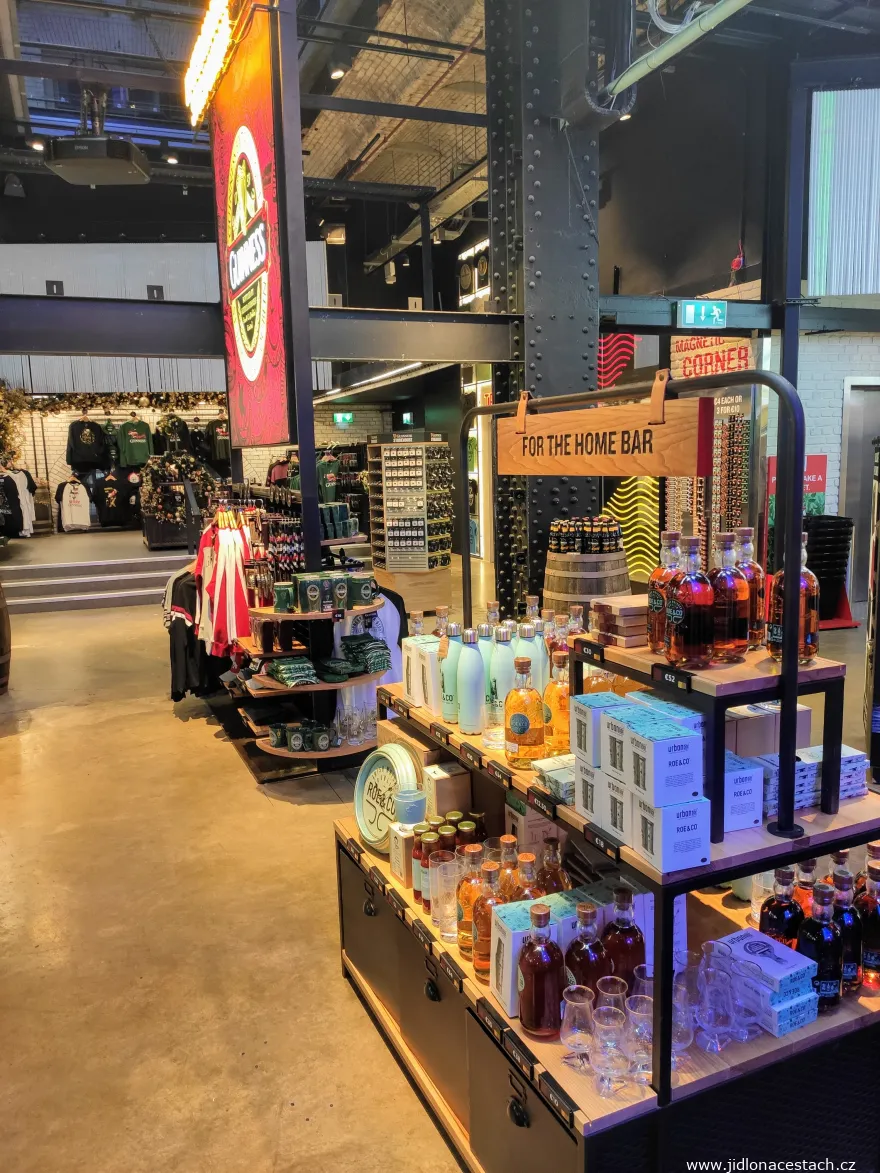
You buy tickets online in advance for a set day and time, so there's no line at the entrance and you're inside almost immediately. The tour ends in the brand store: the range is unbelievably wide, from T-shirts to a shelf of bottles for your home bar, and by museum-shop standards the prices are surprisingly reasonable.
Stout Above the Dublin Rooftops
The tour finishes in the Gravity Bar on the seventh floor, where every ticket comes with one drink of your own choosing. I took the Foreign Extra Stout, the stronger export version at seven and a half percent, and stood with my glass at the glass wall looking out over Dublin. Compared with the regular pint it's denser and noticeably more bitter, the roast slides from coffee into dark chocolate, and for its strength it's dangerously easy to drink. The ticket cost 22 EUR a head and the drink in the Gravity Bar was already included. I walked into that corporate museum a skeptic; but Guinness has never filmed a better commercial than those seven floors.
Guinness Storehouse


