Schiuma Pastry Shop: Four Generations of Pastry Chefs in Matera
Zeppola di San Giuseppe has a fixed date in the Italian calendar: on March 19, St. Joseph's Day, Italy celebrates Father's Day, and no celebration is complete without this fried sweet. When I ordered mine it was February - and the zeppola was waiting in the case anyway.
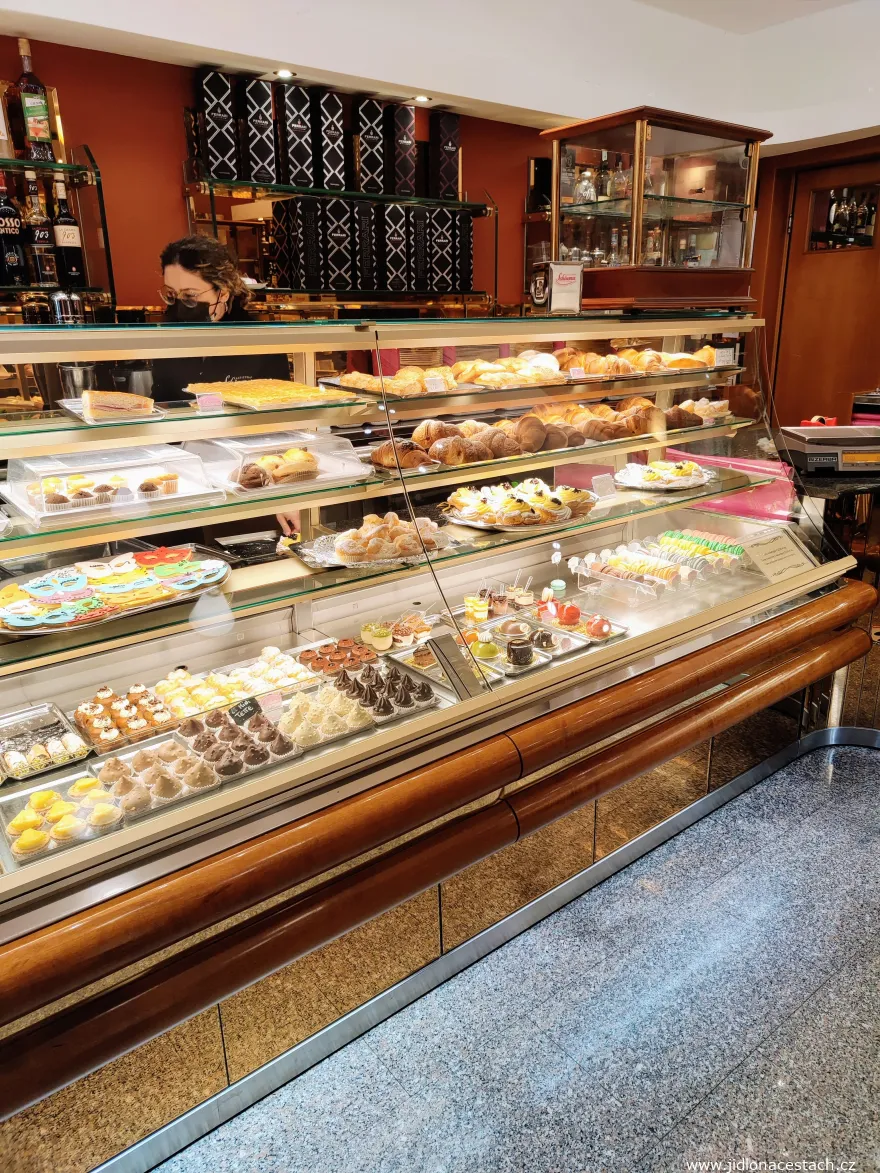
Bar Pasticceria Schiuma is a family pastry shop a few steps off the main promenade in Matera, where the same family has stood behind the counter since 1946, today in its fourth generation. The case holds the classics of Italian pastry, from fried zeppole to whipped creams, there are a few tables out front, and over the whole place hangs a name that is a small linguistic joke in itself.
A Pastry Shop Called Foam
Schiuma is Italian for foam - the foam on a cappuccino, on a beer, on a wave out at sea. Dictionaries track the word back to the 13th century and its root to the Lombardic skūm, a relative of the German Schaum; for the family it is simply a surname. But when a pastry shop called Foam sells whipped mascarpone, literally foam in a bowl, as one of its specialties, it looks like a carefully planned marketing move. It's pure coincidence, and exactly the kind marketing departments dream about.
That coincidence gets handed down behind the counter. Giovanni Schiuma founded the shop in 1946 after learning the trade from childhood in another Materan workshop; since 1991 it has been run by Enzo Schiuma, who added chocolate and celebration cakes to the range, and his daughter Claudia has since grown into the craft. Four generations of one surname.
Where the Zeppola Came From and What Mascarpone Is Doing in the South
The zeppola itself is a newcomer to Matera. It's a ring of choux pastry fried golden, filled with pastry cream and crowned with a cherry in syrup or a spoonful of jam - the same dough as the cream-filled choux rings we buy at the bakery back home, except ours go into the oven and the zeppola into the fryer. The first recipe was printed in 1837 by the Neapolitan gastronome Ippolito Cavalcanti, which is why the whole of Italy links the dessert mainly with Naples. Legend takes it further back still, to St. Joseph, who is supposed to have made a living frying fritters in the street after the flight into Egypt - though that's legend, not history. The south of Italy has made zeppole its own, region by region: Basilicata fries them in lard and works potatoes into the dough, so the zeppola has long been at home in Matera as well; it simply arrived at some point.
Mascarpone arrived from the opposite end of the map, from Lodi in northern Italy, where the cream cheese has been made since the Middle Ages. Whipped with egg yolks and sugar it turns into mascarpone montato, a spoonable dessert the south adopted much as it adopted tiramisu, another northern native. Matera itself is more a city of bread - the loaves of pane di Matera have a protected designation of their own - and so the sweet side of the city rests on pastry shops like Schiuma. Zeppole play the lead role here around March 19, but the case is full of them for weeks beforehand.

Two Desserts on Via XX Settembre
I went to the Schiumas' (see Where to Eat in Matera) twice and didn't pass up the zeppola either time; the second time, at a table out front, whipped mascarpone with strawberry glaze came with it. It arrived with a red-and-white heart carrying the name of the pastry shop and the year 1946 - a place that signs its desserts clearly stands behind them. The zeppola came apart in the right order: first the crisp fried shell, then the cool smooth cream, and finally the tart final note of jam under the powdered sugar. The mascarpone was lighter than its ceremonial looks suggested, and the strawberry glaze lent it sweetness and color. The staff were friendly and the prices weren't inflated: the zeppola cost 2.30 EUR. I never wrote down what the mascarpone cost. But I still remember that signed little heart.
Bar Pasticceria Schiuma


