Swiss Bread and Pastries
Six rolls grown together into a ring, a glossy chestnut crust, a few grains of coarse salt on top. The wreath comes pre-portioned by design: you don't slice it, you tear it - everyone breaks off their own roll and leaves the rest to the others.
The Silserkranz is a wreath of six joined lye rolls and a fixture of bakeries in the German-speaking part of Switzerland. And since the things sitting next to it in the window are too good to walk past, this time I'll treat it as a small parade: the wreath, the buttery Butterweggli and the potato roll Kartoffelbrötchen.
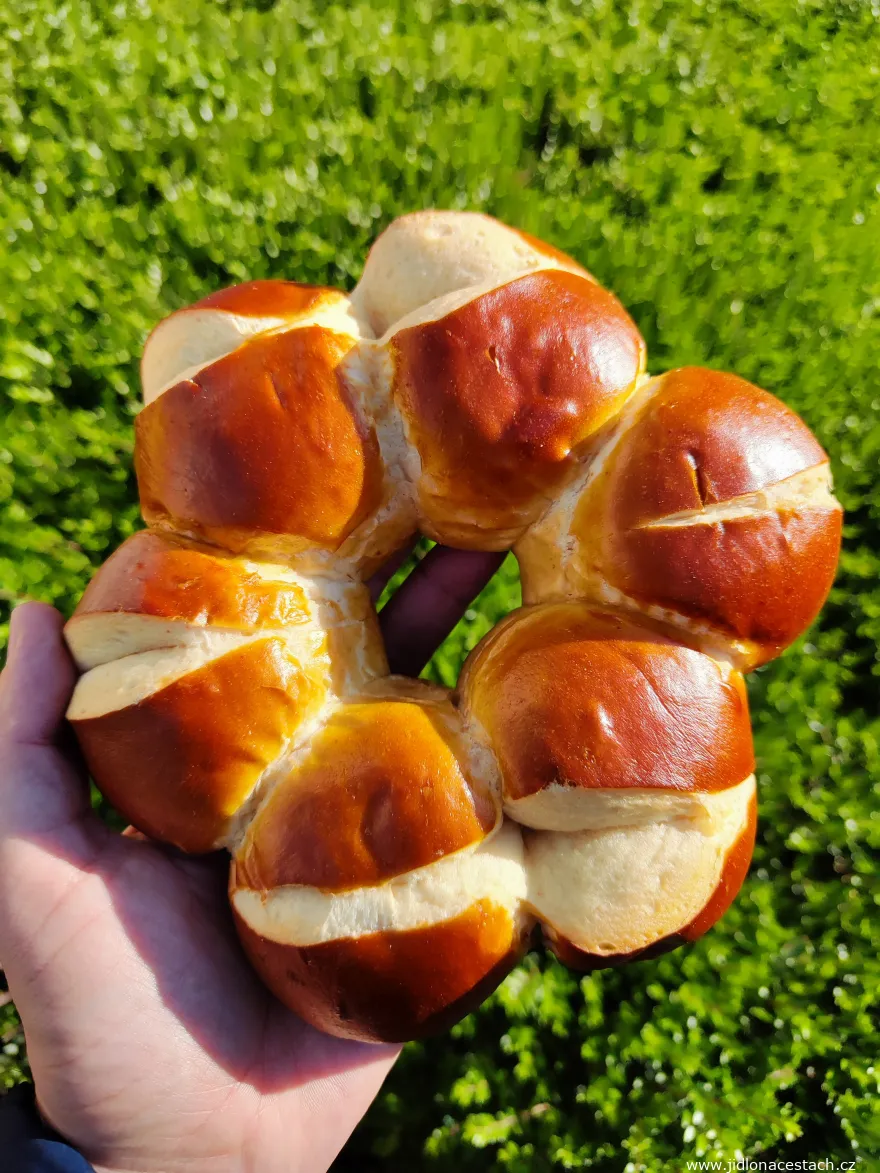
What Silser Means and What the Pretzel Has to Do With It
The name looks like an address. Sils is a village in the Engadine where Nietzsche used to go to think, and the notion that this is where somebody first braided a wreath out of rolls has a certain Alpine charm. The linguistic evidence says otherwise, though: the Swiss dialectologist Markus Gasser dismisses the "named after the village" reading as a mistake and traces the word to Salse - the salty bath the dough is dipped in before baking, which over the centuries shifted to "Silse" in the local dialect. So the Silserkranz isn't named after a place on the map, but after the lye - the same lye that gives the pretzel its dark crust and its bite. The two are siblings in technique: the same bath, the same coarse salt and the same salty crust that cries out for butter or a slice of cheese.
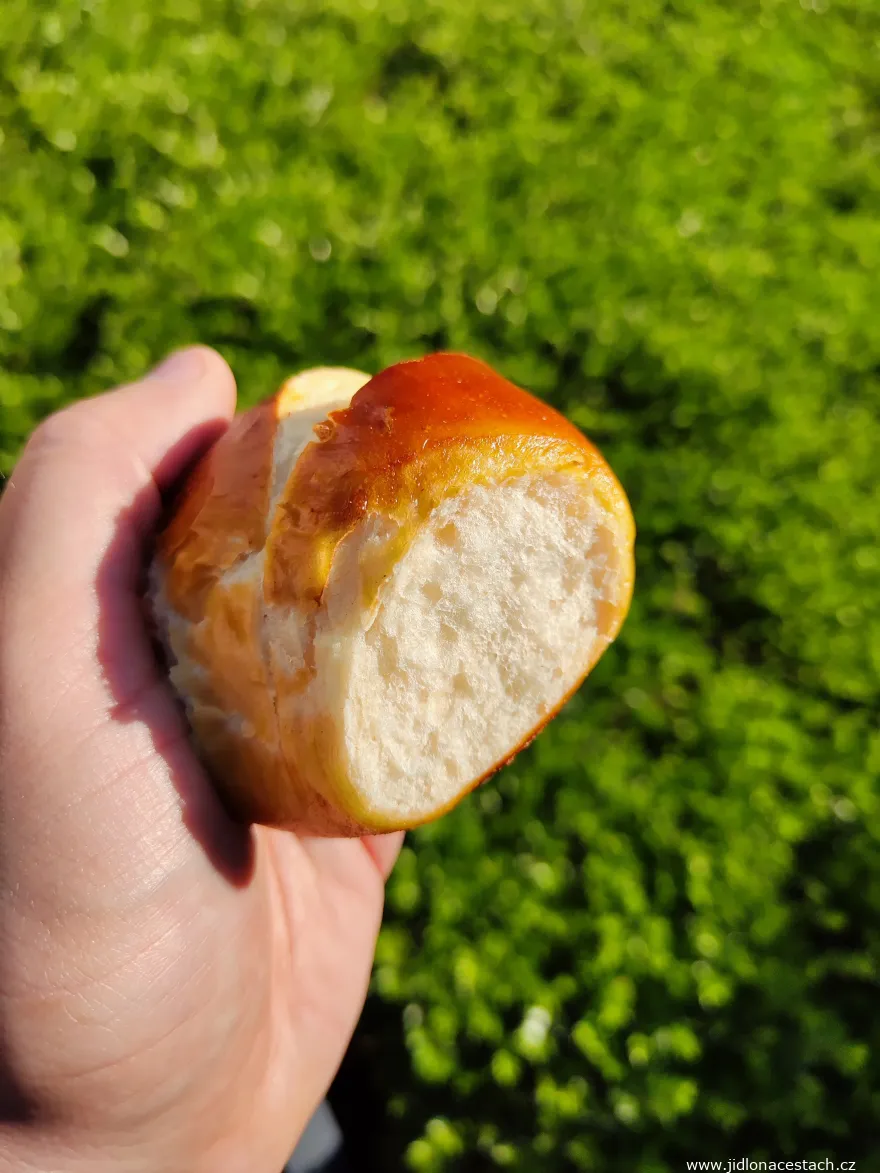
Lye-dipped baked goods come out of ovens all over the triangle of southern Germany, Austria and German-speaking Switzerland - and in the French-speaking cantons you won't find the wreath at all. What is really Swiss about it is the word: what Germans and Austrians sell matter-of-factly as Laugenkranz, a "lye wreath", nobody outside the country calls a Silser. The individual rolls from the wreath are sold on their own, too, as Silserli. And don't confuse the wreath with the American pull-apart breads of food blogs: those were invented for parties, whereas the Silserkranz stood in Swiss bakery windows long before them and its ring answers a more prosaic question - how to get your bread without a knife.
Butterweggli: A Roll With Instructions for Breaking It
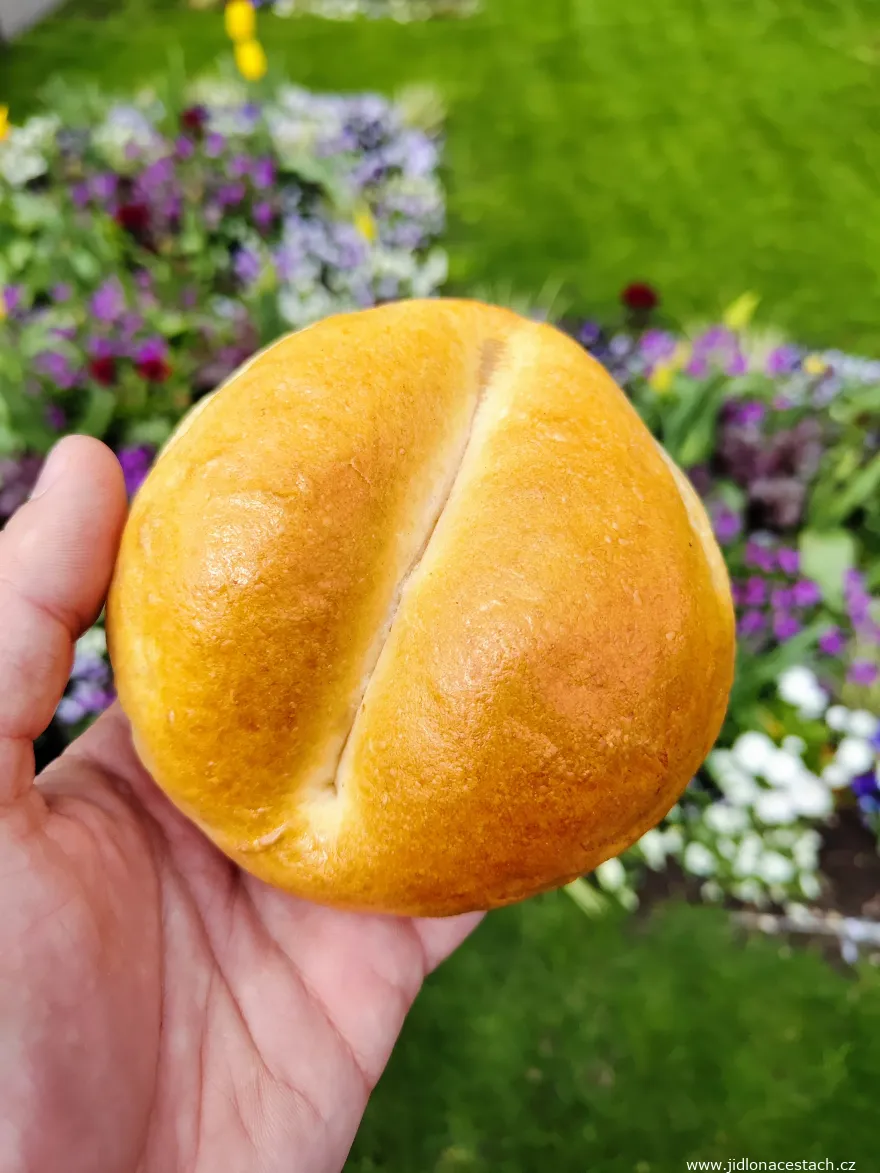
Butterweggli, the second piece in the parade, is a round milk roll with a deep groove running the length of its back. The groove is the instruction: along it the roll breaks into two clean halves with your bare hands. The name promises butter and the recipe delivers it with Swiss restraint - in a documented baker's recipe the butter comes to exactly seven percent of the dough: more than in a plain roll, less than the name leads you to expect. Today that sounds modest, but as late as the early twentieth century butter and white flour were enough to make Weggli the bread of the well-off. That former luxury is now a schoolchild's snack all over the country - and the base on which Basel built its chocolate version, schoggiweggli.
Kartoffelbrötchen: What Potatoes Are Doing in the Dough
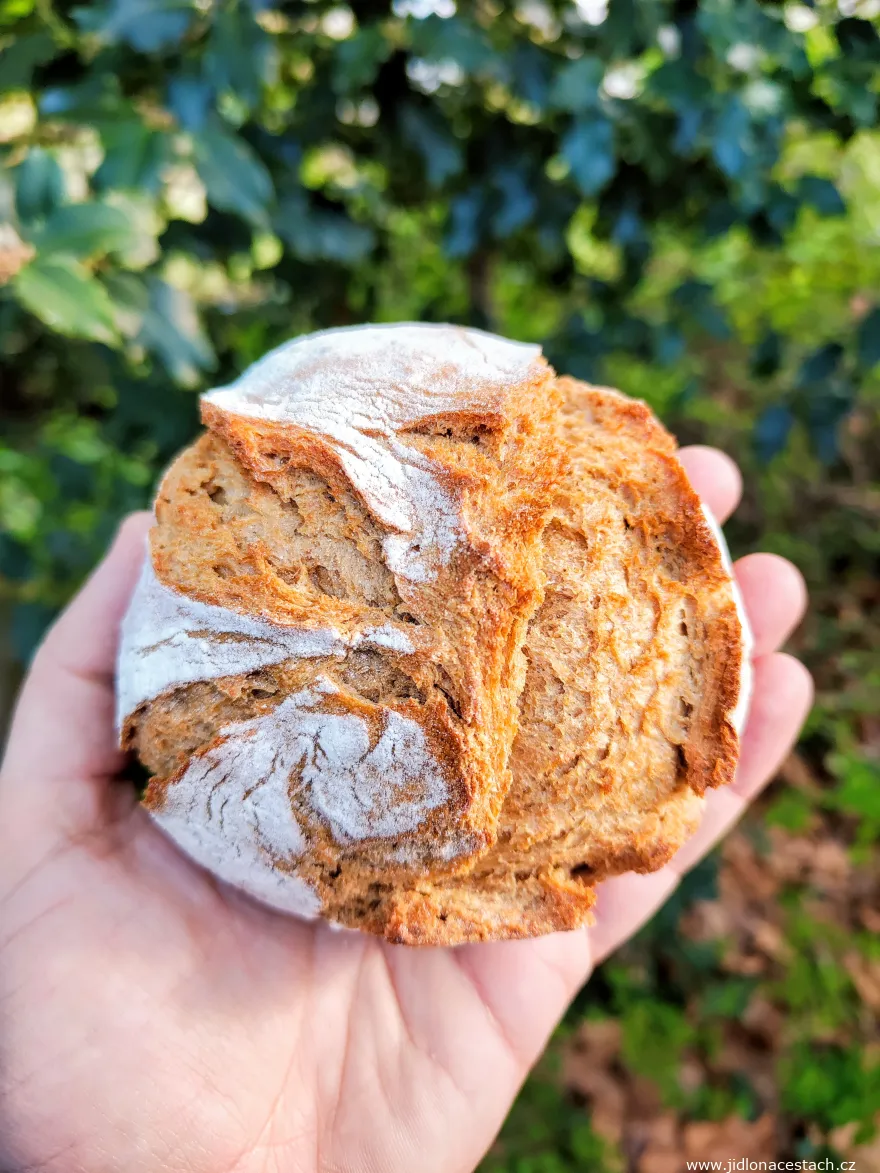
The third piece in the window is built on potatoes. Boiled and mashed, they are worked into the dough, and their starch then does its quiet job: it holds on to water, so the crumb stays moist long after wheat rolls have gone hard. The idea isn't Swiss: potato bread was championed in the late eighteenth century in France, where the agronomist Parmentier was looking for a substitute for expensive grain, and German-speaking Europe took it up eagerly. None of that is news to a Czech - our cooking knows potatoes in dough inside out, and potato dumplings are built on them. And one note from the road: if you buy your bread in the morning for a full day out, reach for the potato one - it will still be soft in the evening.
The Wreath, the Milk Roll and the Potato Roll
I tore the Silserkranz apart exactly the way it is built: one roll at a time, as I went. Inside they were beautifully moist and tasted closest to a pretzel - a real treat! The Butterweggli was soft, airy and only faintly sweet, with the butter coming through in every bite; the Kartoffelbrötchen won me over with its crisp crust - and since I bake sourdough bread at home practically every week, I looked at that crust with a certain professional envy. The wreath cost 3.10 CHF (3.10 EUR), the buttery roll 0.85 CHF (0.85 EUR) and the potato roll 1.25 CHF (1.25 EUR). The home baker in me was taking notes the whole time; the eater threw them away somewhere around the second roll.


