Bulgarian Wine: The Native Grapes Mavrud, Melnik and Gamza
The one Bulgarian wine most Czechs can name is named after an animal. Bear's Blood sat on every supermarket shelf back home in the nineties, and plenty of people still take it as the measure of what Bulgaria can do with wine. Yet in 1978 Bulgaria was the second-largest wine exporter in the world, right behind France, and three quarters of those bottles went to Britain, not to us in Czechoslovakia.
Bulgarian wine (in Bulgarian българско вино) today means above all the native grapes - the heavy, tannic Mavrud from around Plovdiv, the aromatic Melnik from the Struma valley and the light Gamza from the Danube, which are finding their way back onto labels after decades of cabernet grown for export. And Bear's Blood? The supermarket version today is often made from Pamid, a high-yielding grape, so the nostalgia doesn't taste the way you remember it.
Mavrud, Melnik and Gamza: What Grows Only Here
Mavrud has two legends and one etymology attached to its name. The legends tell of Khan Krum and a strongman called Mavrud who drew his strength from wine - in one version he kills a lion, in the other there is no lion at all. The etymology is more prosaic: mavro is Greek for black, the grape really is almost black, it is picked as late as the second half of October and it gives a wine that wants a few years of laying down. Of all the Bulgarian grapes, the only unarguably endemic one is Shiroka Melnishka Loza, the Broad-Leaved Melnik vine, from the Struma valley in the southwest; Mavrud grows in small amounts in Greece, North Macedonia and Romania as well, and Gamza has cousins across the Balkans. Greece has Xinomavro and Mavrodafni, but all they share with Mavrud is the word for the color black; the Greek Mavroudi is a relative according to Greek sources and a grape in its own right according to Bulgarian ones, and the argument simmers on, with nobody to settle it. Hungarians and Serbs, for their part, spent years treating Gamza as their own Kadarka, until DNA analysis showed they are two different grapes with a shared ancestor. Neighboring Romania builds on the Fetească grapes (Romanian wine is full of them), North Macedonia on Vranec, and Turkey is only now rediscovering what is left of its Thracian tradition (see Turkish wine).
Cabernet for Export and the Return of Mavrud
Thrace covered what is now Bulgaria, Greece and European Turkey, so three countries lay claim to Dionysus at once; grapevine remains found near the village of Tatul in the Rhodopes push winemaking here back to the Neolithic, though the exact date is still for the archaeologists to settle. The documented history only starts in the modern era: the Minkov Brothers founded their winery in Karnobat in 1875 and nineteen years later brought home Bulgaria's first gold medal from a European competition, in Brussels. Then socialism arrived and turned wine into an export commodity: the native Mavrud, Gamza and Pamid gave way to cabernet and merlot, because those sold better in Britain - as if a village bakery stopped baking its own bread because baguettes sell better in town. After 1989 exports fell from a peak of 300 million liters a year to 16 million in 2022. Winemakers answered by going back to the grapes they had ripped out, and Mavrud now looks like a discovery, even though it was here the whole time.
Who Actually Drinks Wine in Bulgaria
A country with a reputation as a wine power has one awkward figure to deal with: according to the WHO, the average Bulgarian drinks the equivalent of 1.2 liters of pure alcohol a year in wine, but 4.7 liters in beer and 5.1 liters in spirits. In Bulgaria wine is a matter of national pride, rakija is the national drink and beer is what you drink when it's hot. Wine makes up for it with a holiday of its own: on February 14, while the rest of Europe is buying roses, Bulgarians celebrate Trifon Zarezan. The men - and it is only men - cross themselves three times, cut the first shoots from the vines, pour wine over the cut and sprinkle it with ash saved from Christmas Eve, and then they eat and drink in the vineyard for as long as there is anything left. Thanks to the winemakers' association, Mavrud even has a day of its own, October 26, right after the harvest. If you're choosing a Bulgarian wine in a shop, look for a grape on the label rather than an animal: a bottle of Mavrud, Melnik or Rubin (a cross of Nebbiolo and Syrah bred in Pleven) tells you the winemaker has gone back to the native grapes.
Mavrud, Syrah and One Sauvignon
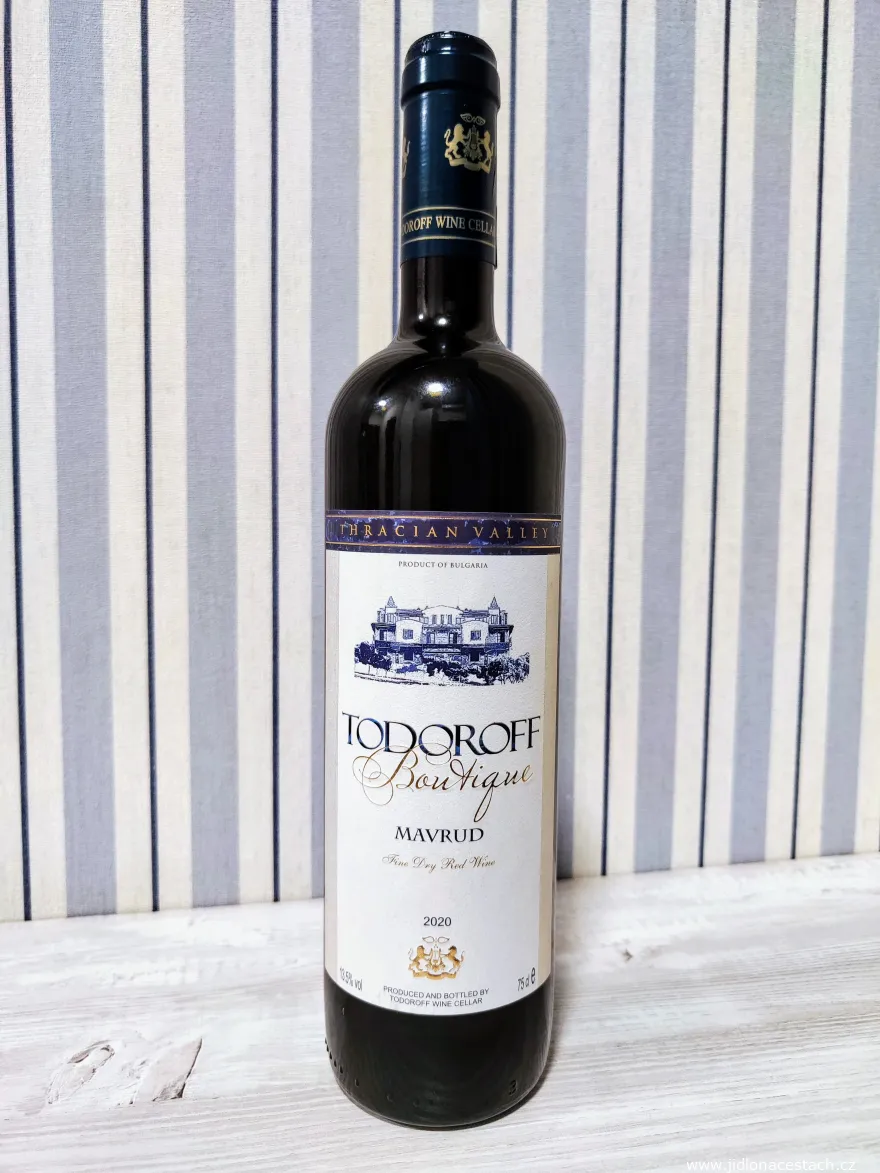
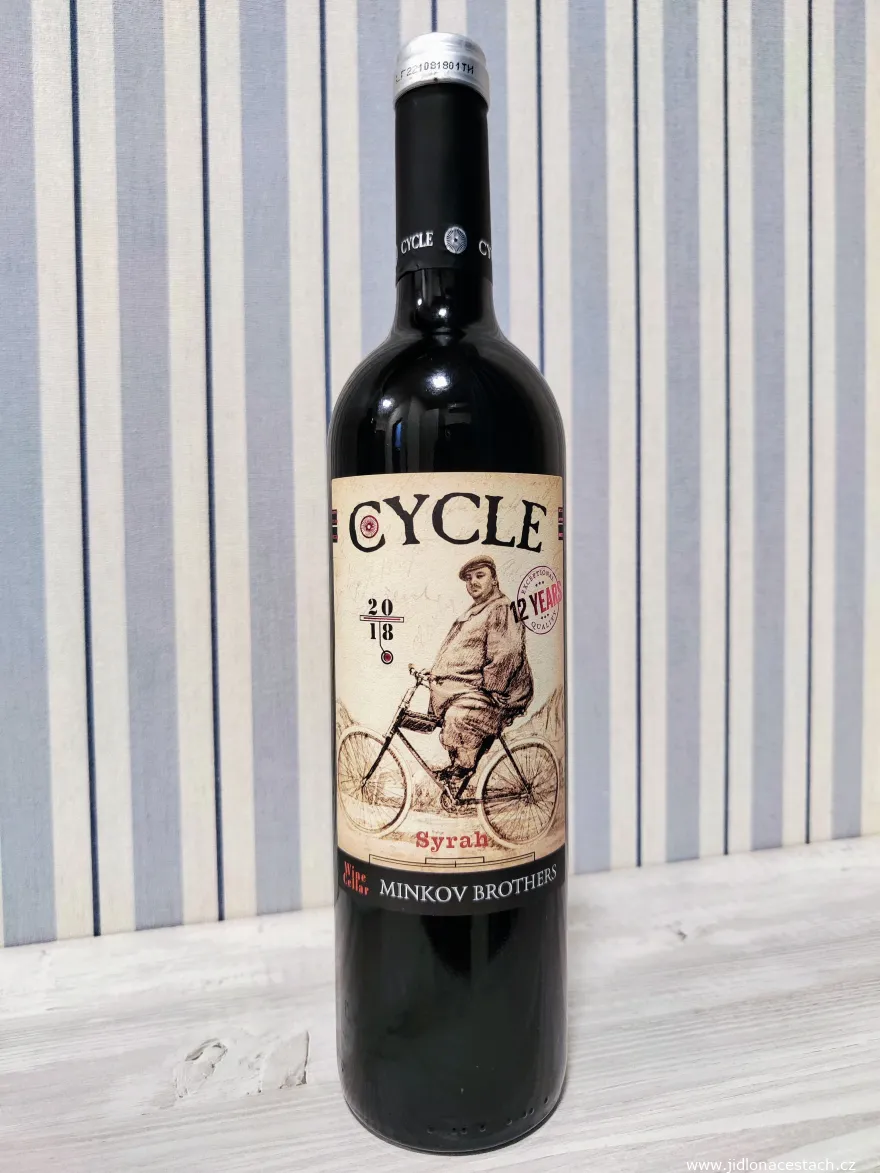
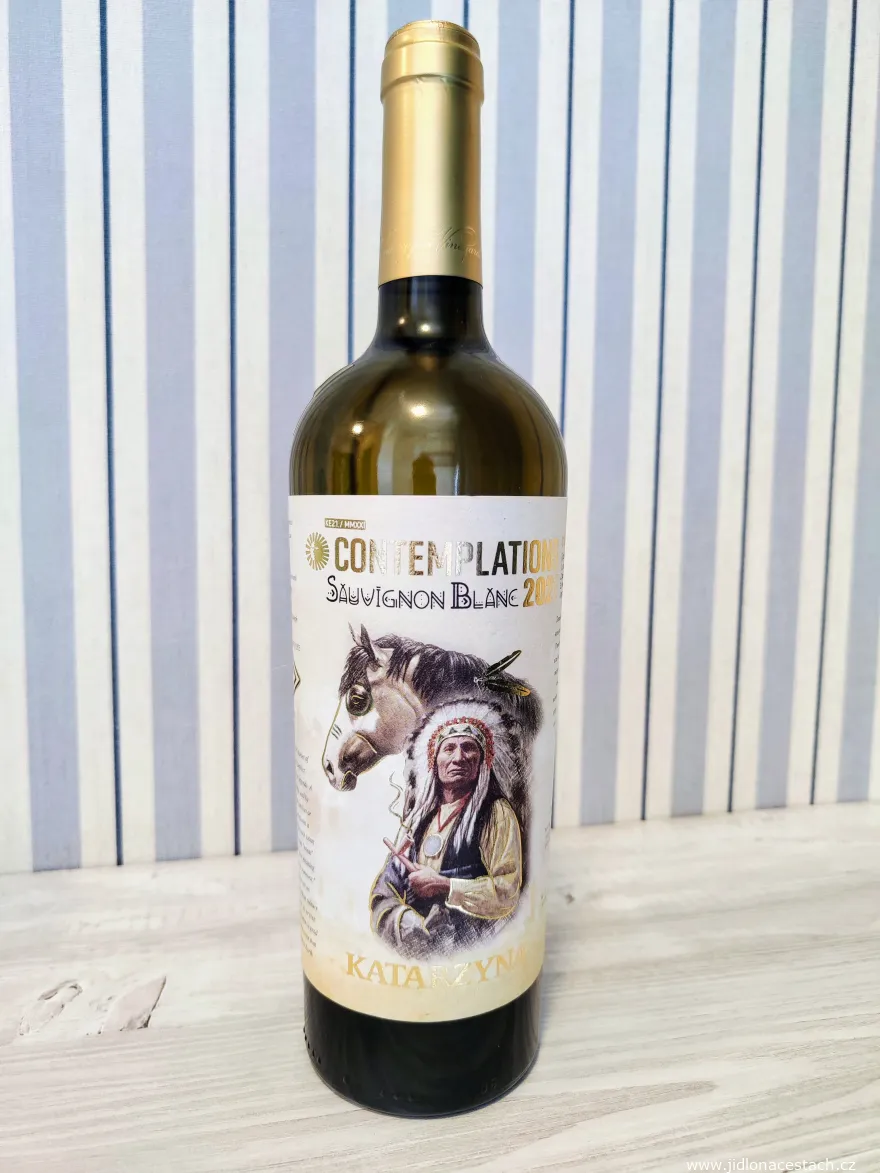
The three bottles that ended up on my table came from three corners of the country. Mavrud 2020 from the Todoroff winery in Brestovitsa near Plovdiv, which the state nationalized, then handed back to the heirs, and which Ivan Todorov turned into the first boutique winery in the country. Cycle Syrah 2018 from Minkov Brothers in Karnobat, the ones with the Brussels medal. And Contemplations Sauvignon Blanc 2020 from Katarzyna, the southernmost winery in Bulgaria, near Svilengrad, where the grapes travel down through three floors of cellar by gravity alone. The Mavrud was dense, dark to the point of purple, with tannin that lingers on the palate and a note of dried plums; the syrah had more fruit and went down more easily; the sauvignon was fresh, without the aggressive acidity that cheap southern whites tend to have. All three were very drinkable; on Vivino they sit at around 3.7 to 3.8 out of five. I haven't tried Gamza or Melnik yet - I'm saving them for the next trip. Each bottle cost about 14.50 BGN (6.80 EUR). Between them they undid the idea of Bulgarian wine that Bear's Blood once planted in my head.


