Grand Bazaar: Istanbul's Largest Marketplace
The Grand Bazaar (Kapalıçarşı) is one of the oldest and largest covered markets in the world, extending across the heart of historic Istanbul. Although most visitors associate this place primarily with endless alleys full of carpets, gold jewelry, leather goods, and unfortunately also cheap imitations of global brands, its soul is still close to gastronomy.
It is not a market with fresh ingredients in the true sense of the word, like the nearby Egyptian Bazaar, but without a constant supply of strong tea and honest lunches for thousands of local merchants, this colossus would cease to function.

The history of this place dates back to 1455, when Sultan Mehmed II the Conqueror ordered the construction of two stone buildings called bedesten, which were intended for the trade of fabrics and gems. The name Kapalıçarşı literally translates to "covered market" - it is literally a city within a city, protected by a roof from the whims of the weather. Originally, it was not a place where people went to buy dinner. It was the financial hub of the empire.
However, where money changes hands and where thousands of men spend their entire days, facilities for dining must inevitably emerge. Thus was born the culture of so-called esnaf lokantası - canteens for craftsmen and merchants. These establishments had to cook quickly, cheaply, but above all with quality, because if the food were not good, the regular customers would not return the next day. This pressure for quality in the back alleys of the bazaar has persisted to this day, even though it is often hidden behind shiny shop windows for tourists.

Today, the Grand Bazaar is a place where history mixes with hard commerce. The main arteries are full of tourists and touts, but you only need to turn into narrower, less lit corridors or enter one of the inner courtyards called han, and the atmosphere changes. It is here, in these old parts, that time has stood still. Merchants do not sit at computers here, but on small stools in front of their shops, playing backgammon and constantly gesturing to waiters distributing tea. Tea men, or çaycı, run around with suspended trays and deliver hundreds of glasses a day.
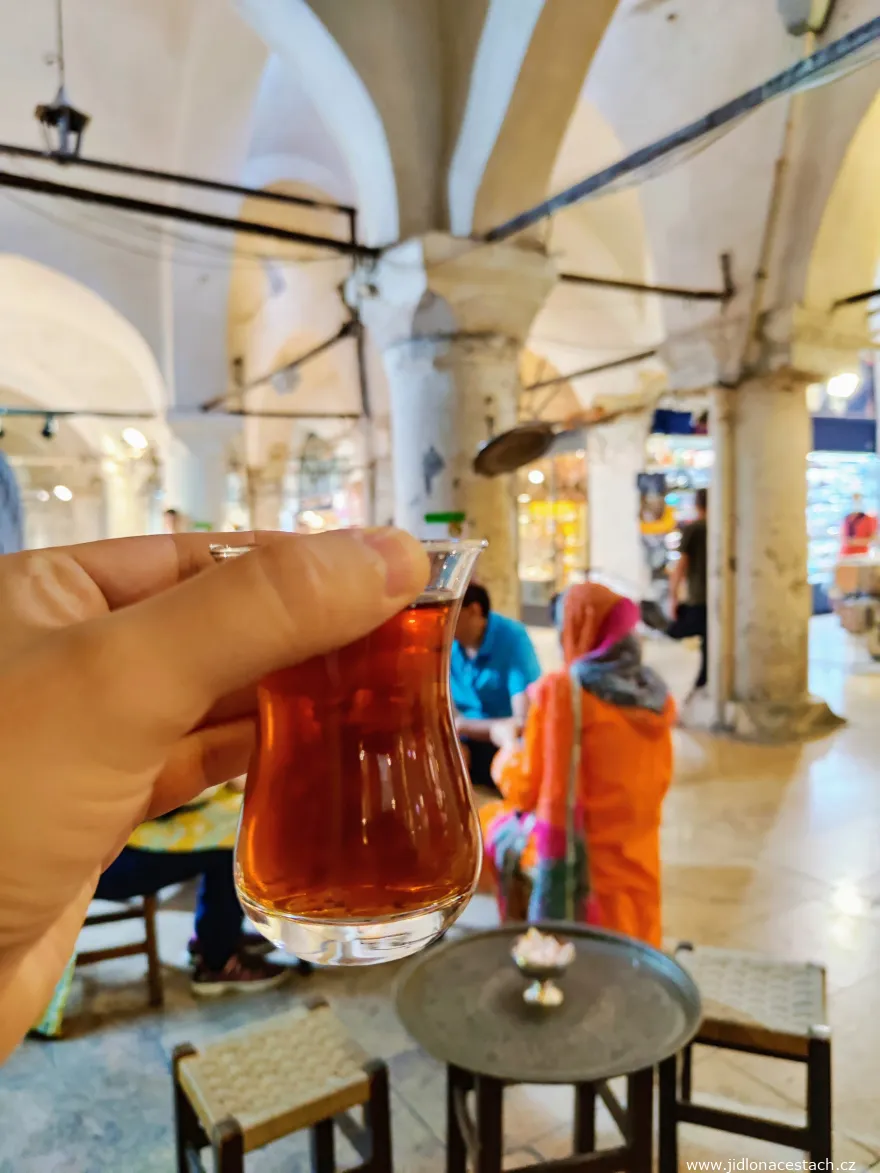
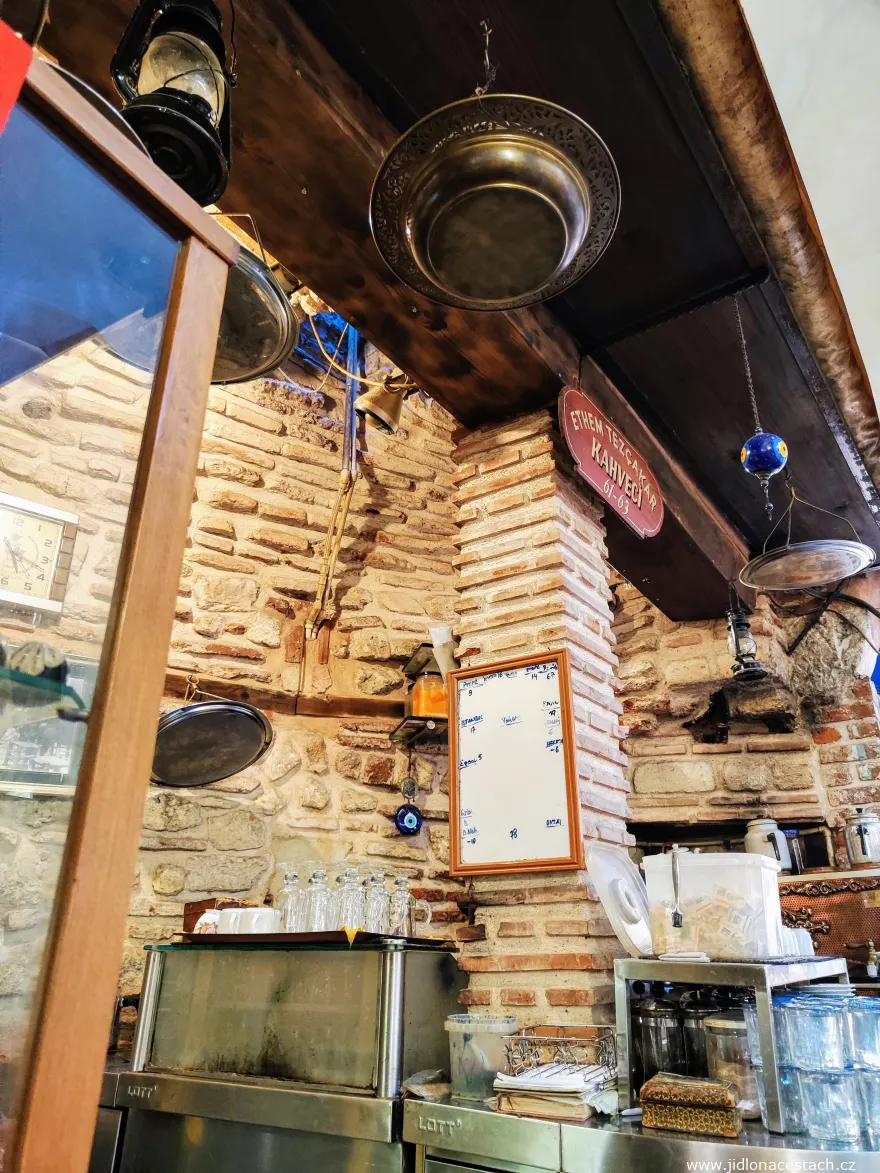
I enjoyed my cup of tea in a small, nameless cafe that is not listed on the map at all, hidden in one of the secluded corners of the oldest part of the market. The setting was simple, consisting of just a few low tables and worn chairs, but the atmosphere was all the more authentic. I paid 20 TRY (1.20 EUR) for the tea, which is a more than friendly price for such a tourist-exposed location.
The Grand Bazaar in Istanbul is a place that everyone visiting the city must see.
Happy shopping!
Grand Bazaar


