Egyptian Bazaar, Istanbul
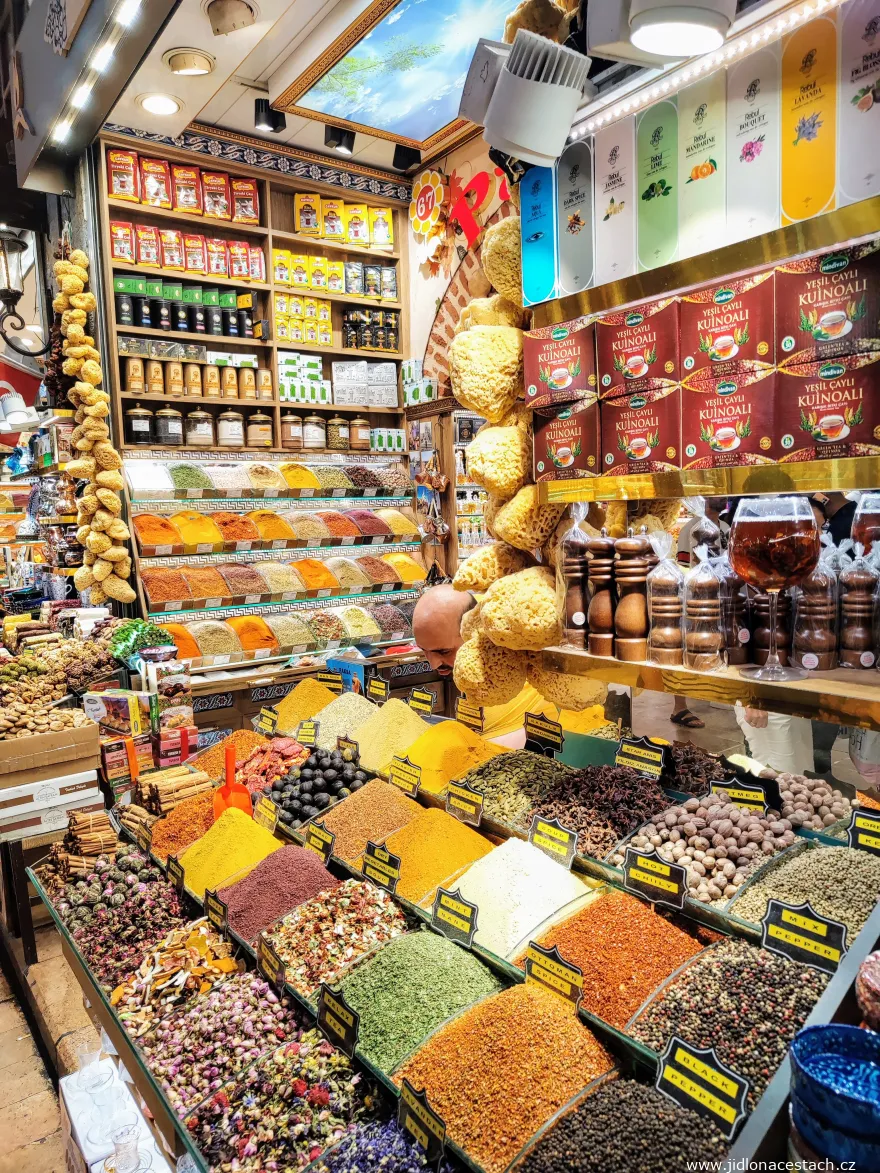
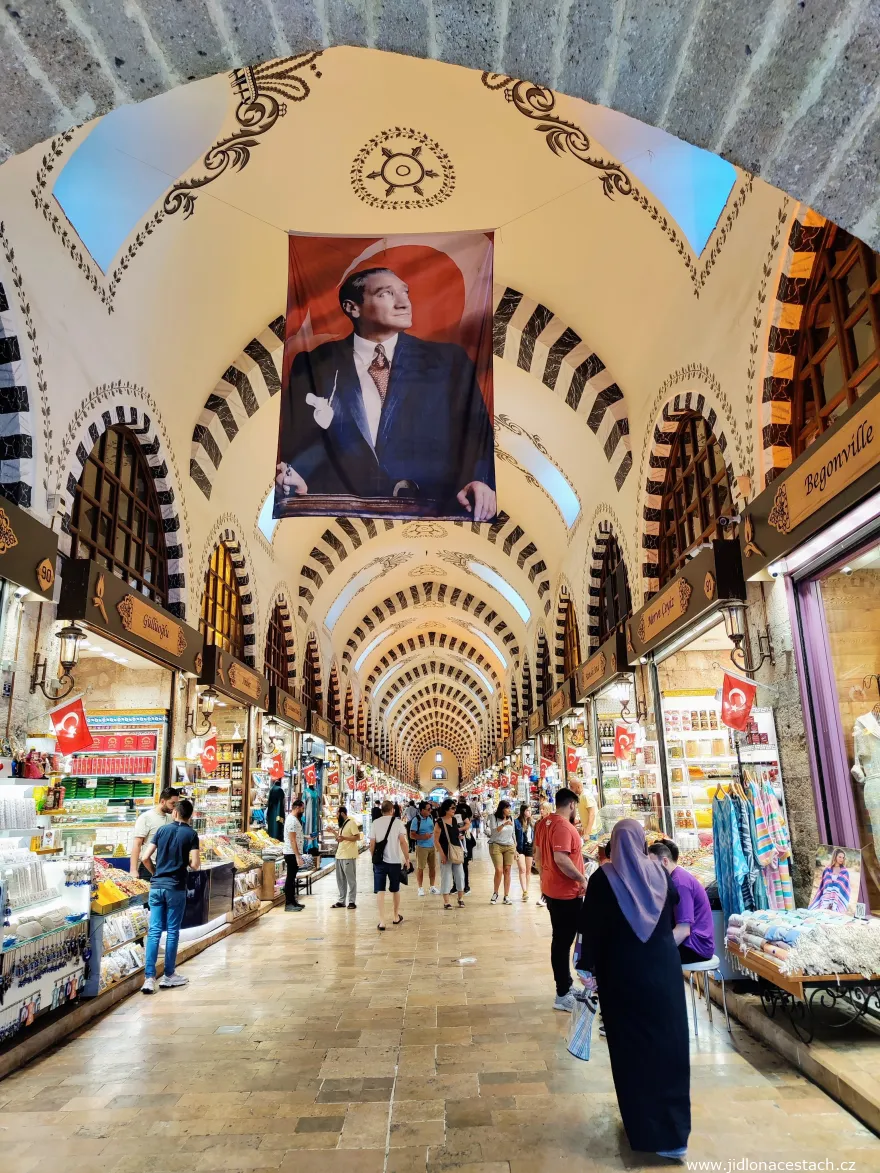
The Egyptian Bazaar (Mısır Çarşısı) is a historical market in Istanbul that has served since the seventeenth century as a place for trading spices, sweets, and dried fruits. It is not an ordinary shopping center. The market breathes with the scent of cumin, freshly ground coffee, and sweet rose water. As soon as you pass through one of the massive gates, you are immediately surrounded by the specific gloom of vaulted ceilings, beneath which shine pyramids of colorful powders, strings of dried eggplant hang, and cubes of Turkish delight glisten in display cases.
The market's roots go back to 1660, when it was built as part of the New Mosque complex. Its name refers to the pragmatic economic reality of the Ottoman Empire. The construction was, in fact, financed by taxes collected in Egypt, specifically in Cairo. It was through Egypt that caravans with rare spices from India and the Far East flowed into Istanbul, essentially making this place the pharmacy of the entire empire. In times when the line between medicine and cooking was thin, people came here for herbal blends for the stomach just as often as for pepper for soup. Unfortunately, today this assortment has given way to souvenirs.
While walking through the bazaar's alleys, you will quickly realize that the most popular spice here is pul biber, crushed and slightly oiled red pepper, which has a deep red color and a specific, warming heat. Next to it often lie piles of sumac, a dark purple powder from sumac berries, which adds acidity to salads and meat where we would use lemon. A specific category consists of dried fruits and pistachios from Gaziantep, which have smaller but flavor-wise much more intense kernels than the Californian ones. The air is also saturated with the scent of tea blends, from classic black tea from the Rize region to blends with apples and hibiscus.
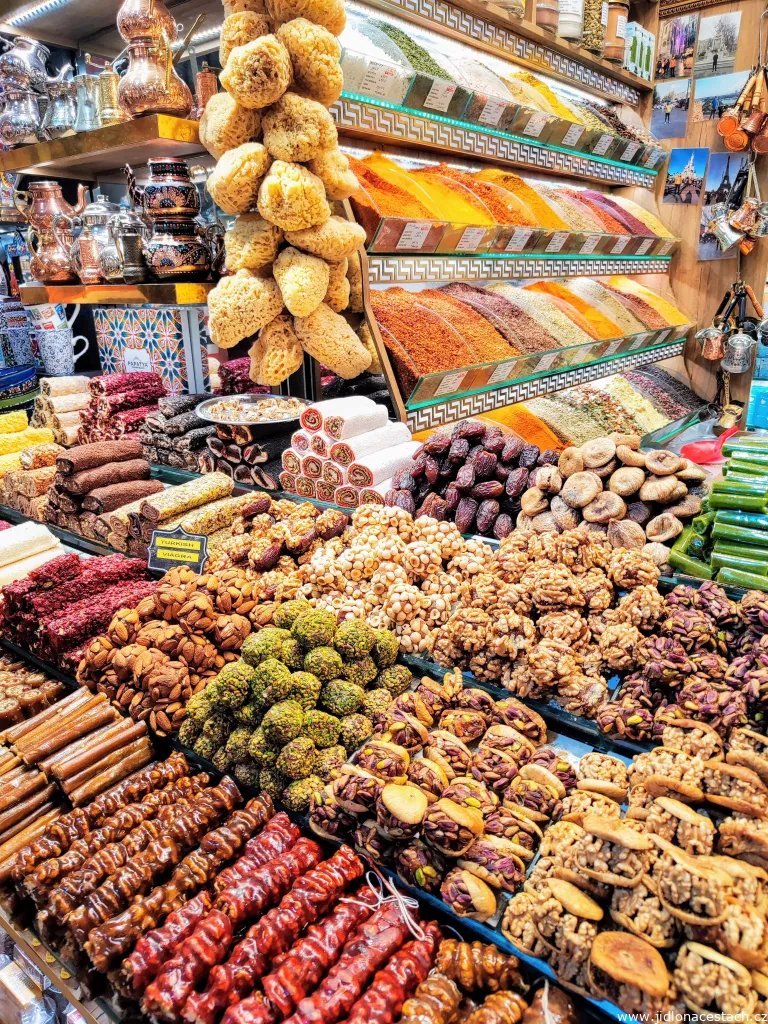
You can see confectioners here slicing huge blocks of halva with large knives; it crumbles but at the same time remains oily thanks to the sesame paste. Vendors constantly mix piles of spices so that moisture from the nearby sea does not settle in them, and they replenish the pyramids to make them look tempting. Outside, in front of the western gate, continuous roasting and grinding of coffee takes place at the legendary establishment Kurukahveci Mehmet Efendi. The beans are roasted dark and ground to a dust finer than plain flour, which is essential for the preparation of true Turkish coffee, which is not filtered. The whole bazaar functions as a huge ingredient preparation area, where care is taken to ensure that spices do not lose their scent and nuts do not go rancid. And this is despite the fact that it is nowadays filled mostly by tourists.
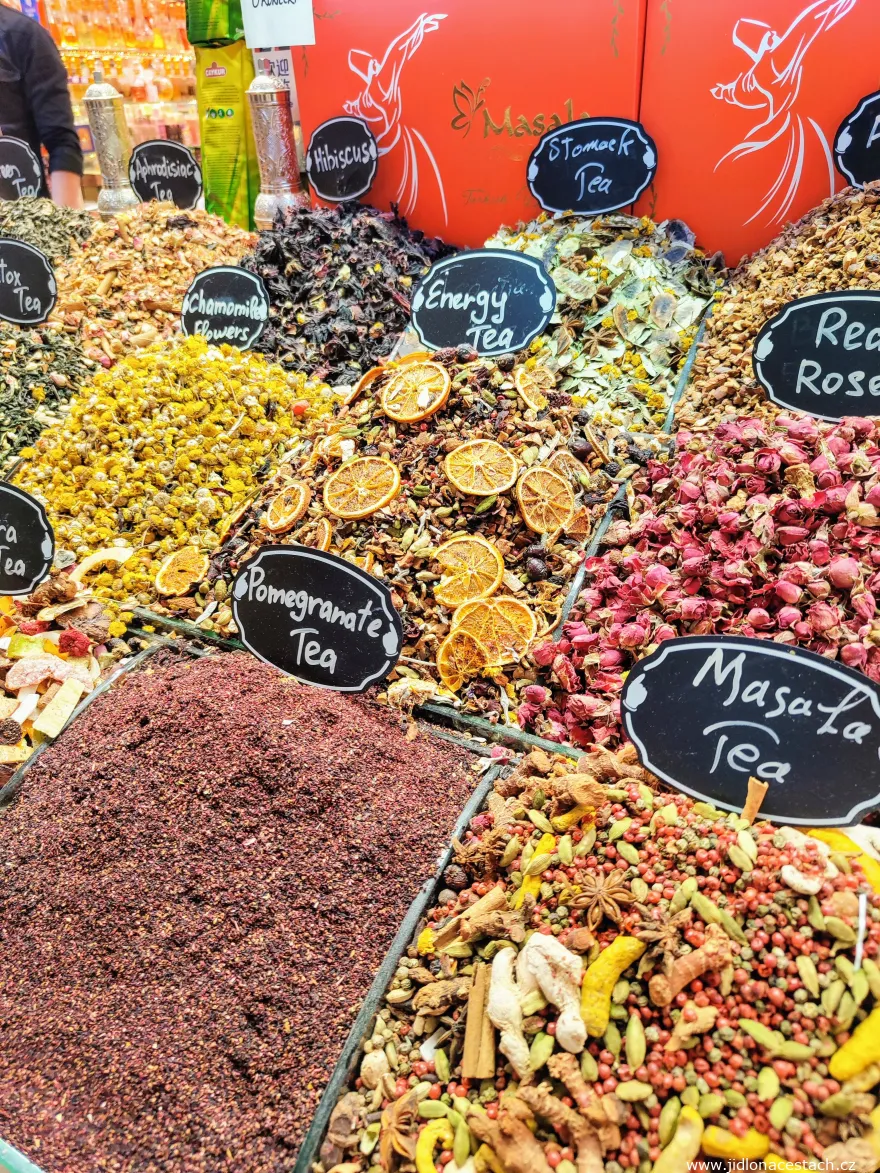
A visit to the Egyptian Bazaar is about interaction and tasting. A good vendor will automatically offer you a piece of Turkish delight. You will often get a pinch of spice in your hand so you can smell its aroma after rubbing it between your fingers. Shopping involves bargaining, sipping small glasses of strong tea, and discussing the quality of this year's saffron harvest.
You leave not only with full bags but also with the feeling that you have become part of an old and huge trade chain.
Happy shopping!
Egyptian Bazaar


