What to Eat in Iran: Typical Iranian Food and Specialties
Iranian cuisine is among the oldest and most refined cuisines in the world. Dishes from Iran (Persia) are characterized by balanced flavors, sophistication, and meticulous preparation. Iranian cuisine reflects the country’s rich history, geographical diversity, and the influences of neighboring cultures and nations.
Food in Iran
A typical Iranian dish: kabab koobideh (minced meat grilled over fire) with rice, herbs, and vegetables.
Typical ingredients in Iranian cuisine include rice, meat (especially lamb, mutton, and chicken), herbs, pomegranates, saffron, turmeric, pistachios, almonds, and dried fruits. Aromatic ingredients such as rose water, limes, and cardamom play a significant role. Iranian dishes are known for their precise balance of sweet, sour, and spicy flavors.
Iranians take great care in the presentation of their meals. Food is often garnished with colorful herbs, pomegranate seeds, or pistachios.
Iranian cuisine is an integral part of the country’s culture and reflects traditional Iranian hospitality. Guests are usually offered a richly set table with a variety of dishes, tea, and sweets.
Typical Iranian Food
Typical Iranian food includes dishes like chelow kebab (meat grilled on a skewer and served with fluffy saffron rice). Various types of kebabs are popular: koobideh (minced meat on a skewer), barg (thin slices of marinated meat), or joojeh (grilled marinated chicken). Another typical Iranian dish is fesenjan, a rich dish made with ground walnuts, pomegranate juice, and meat, which has a distinct sweet and sour flavor.
Typical Iranian cuisine also includes various rice dishes, such as tahchin (layered rice with saffron, yogurt, and chicken). Another popular dish is the hearty soup ash reshteh, made with legumes, noodles, herbs, and vegetables.
Iranian National Dish
The Iranian national dish is ghormeh sabzi. Ghormeh sabzi is one of the most traditional Iranian dishes, loved across the country. Its base consists of freshly chopped herbs (parsley, coriander, mint, leek), beans, dried limes (limoo amani), and meat cut into small pieces. Ghormeh sabzi is slowly simmered for several hours to perfectly combine the flavors and create its characteristic tangy taste. It is traditionally served with rice. Ghormeh sabzi is considered a dish that symbolizes Iranian cuisine.
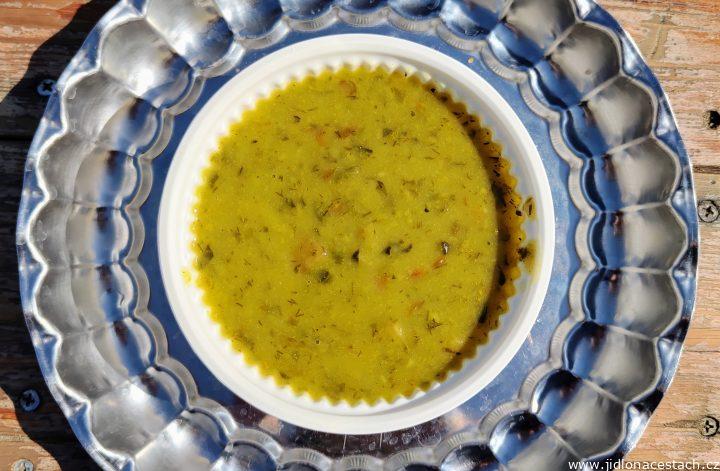
Ash-e shooli: a tangy Iranian soup, a regional specialty of the city of Yazd.
What to Eat in Iran
Chelow kabab. Grilled lamb, chicken, or beef on skewers, served with rice topped with butter and grilled tomatoes. One of the symbols of Iranian cuisine.
Ghormeh sabzi. Stewed meat with herbs (parsley, coriander, mint, leek), beans, and dried limes. It is considered Iran’s national dish, typical of rural areas and family celebrations.
Fesenjan. Stewed meat (chicken, duck, or other) in a sauce made of ground walnuts and pomegranate juice. Its appearance vaguely resembles Central European goulash.
Ash reshteh. A thick soup with noodles, beans, herbs, and fermented whey (kashk).
Zereshk polo ba morgh. Stewed chicken with rice and tangy barberries, a dish typical of festive occasions.
Tahchin. Baked rice with yogurt, saffron, and chicken, known for its crispy golden bottom layer (tahdig), a specialty of Tehran and central Iran.
Khoresht gheimeh. A dish made with meat, lentils, tomatoes, and dried limes, often served during religious ceremonies.
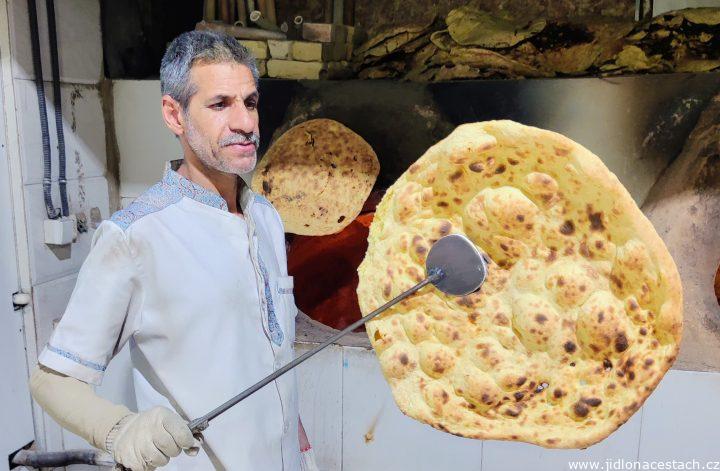
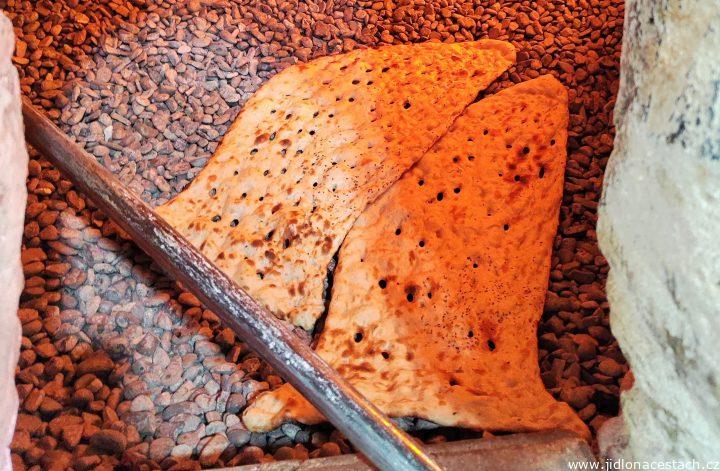
Sangak. Iran’s national bread. It is baked in a special oven on small pebbles.
Dizi/Abgoosht. A hearty lamb stew with chickpeas and potatoes, cooked in traditional clay pots (dizi). It is mashed with a special pestle.
Mirza ghasemi. A dish made of roasted eggplant, garlic, tomatoes, and eggs, typical of northern Iran, especially the Gilan province.
Kashk-e bademjan. Eggplant with fermented whey (kashk), dried mint and garlic, a popular vegetarian appetizer across the country.
Baghali polo ba Mahiche. Rice with dill, fava beans, and lamb shank, a festive dish of Iranian families.
Kuku sabzi. An omelet with fresh herbs, popular during Persian celebrations.
Mast-o khiar. A yogurt dip with cucumber, mint, and raisins, often served as a refreshing side dish during hot summer days.
Salad Shirazi. A simple salad of cucumbers, tomatoes, and onions with a lemon dressing, named after the city of Shiraz.
Ash-e doogh. A soup made from yogurt drink “doogh,” herbs, and legumes, popular in northwestern Iran, especially in Ardabil.
Doogh. A refreshing yogurt drink with mint, very popular throughout Iran as an accompaniment to meals.
Sharbat-e sekanjabin. A refreshing syrup made from sugar, mint, and vinegar, traditionally served in summer to cool the body.
Bastani sonnati. Traditional Persian ice cream with saffron, rose water, and pistachios, loved across the country.
Faloodeh Shirazi. A dessert made of frozen noodles with rose water and lime, originating from Shiraz.
Gaz. Nougat with pistachios, almonds, and rose water, typical of the city of Esfahan.
Sohan. A crispy sweet made with saffron, sugar, and pistachios, traditionally associated with the city of Qom.
Lavashak. Dried fruit leather in various flavors, a beloved homemade treat of Iranian families.
Sholeh zard. A dessert made from rice, saffron, and rose water, traditionally prepared during religious holidays.
Halva zard. A dessert made from flour, butter, sugar, and saffron, resembling a thick pudding. It can also be eaten warm.
Zoolbia & Bamieh. Sweet fried pastries in syrup, very popular during Ramadan.
Nan khamei. Iranian cream puffs resembling éclairs, popular in Tehran’s cafés.
Barbari. Traditional Iranian bread baked in stone ovens, a daily breakfast staple for many Iranians.
Gheymeh nesar. A festive dish of rice, meat, pistachios, almonds, and orange peel, a specialty of Qazvin.
Ash-e mast. A yogurt soup with rice, herbs, and legumes, typical of Esfahan.
Kale pache. Boiled lamb head and trotters, a popular traditional breakfast dish.
Loobia polo. Rice stewed with green beans, tomatoes, and meat, a common home-cooked meal.
Reshteh polo. Rice with fried noodles, meat, and raisins.
Albaloo polo. Rice with sour cherries and chicken, loved for its sweet-and-sour taste, traditionally from northern Iran.
Ash-e jo. A barley and herb soup, typical of the colder regions of western Iran.
Khoresh karafs. A dish made with celery, meat, and herbs, a traditional home-cooked meal.
Khoresh-e beh. Stewed meat with quince, a typically autumnal dish.
Masghati. A dessert made of rose water, starch, and pistachios, a specialty of Shiraz.
Kak-e Yazdi. Sweet cakes typical of Yazd, popular during Iranian celebrations.
Halim. A traditional thick porridge made from wheat, slow-cooked lamb, and flavored with cinnamon, popular as a hearty breakfast especially in colder regions of Iran, such as Tabriz.
Taftoon. A simple, soft, round bread similar to lavash. Commonly consumed as an everyday bread in Iran.
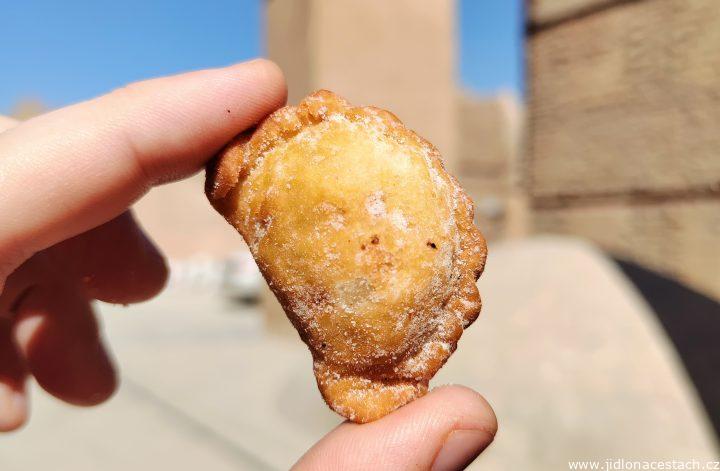
Qottab. Small fried sweet pastries filled with a mixture of nuts and almonds, a traditional specialty of Yazd, often prepared and served during Persian holidays and celebrations.
Pashmak. Iranian cotton candy with a delicate texture and various flavors, typical of Yazd, where it is still traditionally handmade.
Koloocheh. Popular cookies or pastries filled with dates or various types of nuts, available in many regional variations, with the most famous coming from northern Iran, especially the cities of Lahijan and Fuman.
A typical Iranian dish: kabab (meat grilled over fire), mast-o musir (yogurt dip), sabzi khordan (a plate of herbs), and bread.
Typical Iranian Drinks
Among the most popular and distinctive Iranian drinks is tea, which is an integral part of Iranians’ daily life. Tea in Iran is served black, often heavily sweetened. It is presented in small glasses called “estekan” and is typically accompanied by sugar cubes or nabat, a special type of sugar formed by crystallizing sugar water.
Iranian tea with nabat sugar. In the background, cookies typical of Yazd.
Drinking tea is a social event in Iran and a gesture of hospitality. Guests are always offered tea during visits, and in bazaars and shops, it is common for tea to be automatically served to customers.
Another very popular drink is sharbat, a traditional Iranian cold drink made from syrups of fruits, flowers, or herbs. The most common varieties include sharbat made from roses, violets, mint, lime, or pomegranate.
A unique Iranian drink is doogh, a refreshing yogurt-based beverage. Doogh is similar to Turkish ayran, but it is typically served with dried mint.
Yogurt-based doogh and a sweet called gosh-e fil. A combination typical of Esfahan.
In Iran, fruit juices are also very popular, especially pomegranate juice, which is considered a health elixir. Pomegranates hold special significance in Iranian culture, symbolizing fertility and abundance.
100% arabica coffee in a high-quality Iranian café in Esfahan. Price: 300,000 IRR (0.35 EUR, February 2025).
Coffee is also consumed in Iran, although it is not as popular as tea. In larger cities, you can find highly skilled baristas who can prepare excellent coffee.
Espresso preparation in a street café in the Iranian city of Esfahan. I didn’t expect to see the use of the WDT (Weiss Distribution Technique) tool here. Even this 100% arabica espresso cost 300,000 IRR (0.35 EUR, February 2025).
The Best Iranian Food
If I had to pick three personal favorites, then the best Iranian food for me is:
Joojeh kabab. Grilled meat is one of my favorite dishes, and Iranian kebab made from marinated chicken is the best I’ve ever had (yes, it even surpasses Armenian khorovats).
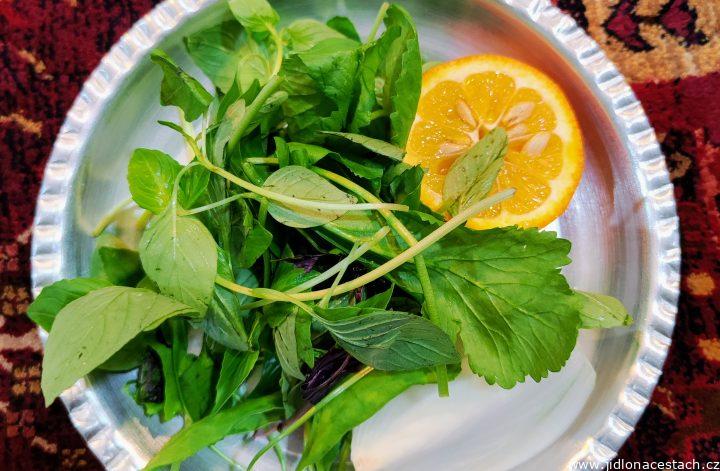
Sabzi khordan. An Iranian bowl with fresh herbs, a slice of orange, and sweet onion perfectly complements almost every grilled dish. You’ll try Sabzi khordan once and fall in love with it.
Kale pache. Yes, I like unconventional dishes, and kale pache is exactly that. It is fatty but hearty, and the meat is wonderfully tender. Kale pache is perfectly complemented by broth and freshly baked sangak bread.
How to Fully Enjoy Iranian Food
Try traditional Persian rice. Iranians are immensely proud of their rice. Sample various types such as chelow (plain white rice), zereshk polo (rice with barberries), or sabzi polo (rice with herbs). Don’t forget to taste the crispy rice layer from the bottom of the pot, called tahdig.
Have kabab. Iranian kababs are famous. They are grilled over hot coals and served with rice or flatbread and grilled tomatoes.
Enjoy incredible Iranian stews and sauces. Iran is renowned for its slow-cooked meat dishes with rich sauces. Try ghormeh sabzi (herb stew), fesenjan (meat in walnut and pomegranate sauce), or gheimeh (meat with yellow split peas and dried limes).
Explore a wide variety of sides and appetizers. Iranian cuisine offers countless delicious sides and starters. Try mirza ghassemi (eggplant with tomatoes and eggs), kashk bademjan (eggplant with yogurt), or the well-known spinach borani.
Save room for dessert. Iran abounds with delightful desserts. Sample sholeh zard (saffron rice pudding), ranginak (date cake), or various cookies, such as nan-e berenji (rice cookies).
Pair your meal with Iranian black tea. Every meal is accompanied by a cup of strong black tea. According to tradition, tea symbolizes friendship.
If you can, have locals cook for you. The best authentic Iranian meals are found in Iranian households. Iranians are incredibly hospitable and will be thrilled to introduce you to their cuisine. During invitations, don’t forget to navigate the etiquette of “taarof.”
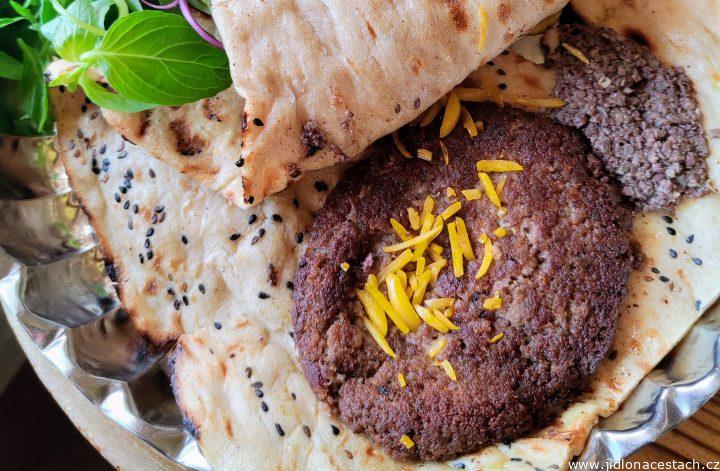
Beryani: minced lamb on flatbread. A regional specialty of Esfahan.
Iranian vs. Persian Cuisine
Iranian and Persian cuisine are often considered synonymous, but in reality, there are certain differences between them.
Persian cuisine refers to the traditions and dishes from the era of ancient Persia, which was the center of a powerful civilization long before the emergence of modern Iran. This term is often used in a historical and cultural context and includes cuisine rooted in the ancient empire that influenced surrounding regions such as Central Asia, the Caucasus, India, and the Middle East. In the West, “Persian cuisine” is frequently used as a synonym for Iranian cuisine, as it is traditionally associated with the rich culture, art, and sophistication of dishes such as kebab koobideh, ghormeh sabzi, or fesenjan. The use of this term often emphasizes the ancient origins of the recipes.
On the other hand, Iranian cuisine refers to the cuisine of modern-day Iran, which is the successor state to the ancient Persian Empire. It is a contemporary term connected to the geopolitical name “Iran.” Iranian cuisine includes not only traditional “Persian” cuisine but also regional cuisines of various ethnic groups living in today’s Iran, such as Azerbaijanis, Kurds, Arabs, Baluchis, Turkmens, or Lurs. This term therefore encompasses a broader geographical and ethnic diversity. Regional specialties such as dizi, ash reshteh, or dishes from the Khuzestan region are typical examples of foods falling under Iranian cuisine.
In practice, however, both terms are often interchangeable and refer to the same thing, especially in informal contexts.
Sholeh zard: saffron rice pudding. One of the most famous Iranian desserts.
Famous Iranian Chefs
Najmieh Batmanglij (1947). She is one of the most prominent promoters of Iranian cuisine worldwide. Born in Tehran, she later moved to the United States, where she focused on writing cookbooks and popularizing traditional Iranian cuisine. Her most famous book is “Food of Life: Ancient Persian and Modern Iranian Cooking and Ceremonies,” which is considered one of the best publications on Persian cuisine. Najmieh focuses on connecting traditional recipes with cultural and historical elements.
Hoss Zare. A well-known Iranian-American chef, born in 1964 in Tabriz, who later settled in San Francisco. He began his career in California, where he became the head chef of several prestigious restaurants. He gained the most fame with his restaurant Fly Trap, where he fused Persian flavors with modern Californian cuisine. Hoss Zare was known for his passion for combining traditional Persian ingredients (saffron, rose water, or dried limes) with modern techniques.
Samin Nosrat (1979). An Iranian-American chef, author, and television personality. Samin is famous for her book “Salt, Fat, Acid, Heat,” which became a bestseller and was also adapted into a successful Netflix series (yes, I’ve watched it myself 😊).
Iran and Alcohol
Iran is an Islamic republic where the consumption of alcohol is prohibited for most residents. This prohibition is based on Islamic Sharia law, which considers alcohol haram (forbidden). The ban includes not only consumption but also the production, distribution, and sale of alcoholic beverages. The same rules apply to tourists as to local residents. Violating this law can lead to severe penalties.
Non-alcoholic beer is allowed in Iran. The Hey Day brand is among the most popular.
However, there are exceptions. The law permits alcohol consumption for religious minorities, such as Christians, Jews, and Zoroastrians. These individuals may consume alcohol during religious ceremonies and in private, but its distribution outside these communities is strictly prohibited.
In recent years, the market for non-alcoholic beer and grape-based drinks has been growing in Iran. These products often have packaging similar to their alcoholic counterparts but contain less than 0.5% alcohol, which is tolerated under Iranian law. Non-alcoholic beer is particularly popular in Iran and is produced in a variety of flavors.
Instead of alcohol, try the local yogurt-based drink doogh.
Prices and How to Pay in Iranian Restaurants
Prices in Iranian restaurants are very low for Central Europeans. Iran is an affordable destination where you can enjoy high-quality food for a fraction of the price you would pay in Europe. However, when paying in restaurants, there are a few important things to keep in mind.
Iranian Rial and Toman The official currency in Iran is the Iranian rial (IRR), which is a very weak currency (at the end of February 2025, 1 USD was approximately 900,000 IRR). In everyday speech and transactions, a unit called the toman is often used, which represents 10 Iranian rials. So if a waiter tells you your bill is 90,000 tomans, it actually means 900,000 Iranian rials.
Cash Is Essential
International payment cards like Visa or Mastercard do not work in Iran due to its isolation. Cash is therefore absolutely essential. You should bring enough EUR or USD to Iran and exchange them for IRR locally. At the Iranian BPI bank, you can easily obtain a local prepaid card without complicated registration, load money onto it, and use it for payments if that is more convenient for you.
In Iran, it is possible to pay with a local card almost anywhere. Interestingly, the buyer often hands the card to the seller along with the PIN.
Tips in Iranian Restaurants and Taarof
Tipping is not mandatory in Iran, but if you are satisfied with the service, it is appreciated. The standard tip in Iranian restaurants ranges from 5–10% of the total amount.
It is important to note that Iran has a cultural principle called “taarof.” This custom involves polite refusals of offers, such as tips, as a gesture of respect and humility. For example, a waiter might refuse a tip, saying it is “not necessary” or that the service is “free.” This is essentially a “courtesy game.” If you encounter taarof, it is customary to insist politely several times that you wish to leave a tip. After a few repetitions, the other party will usually accept your intention. Taarof is deeply rooted in Iranian culture and is a sign of kindness and mutual respect. You will encounter taarof not only in restaurants but also in other aspects of daily life.
In Iran, you can try a wide variety of cakes. Koloocheh Fuman is one of my favorites.
Persian Calendar and Food Expiration
In Iran, the Persian calendar is used, which is shifted by 621 years (or 622 years) compared to the Gregorian calendar. Its beginning is tied to the year 622 AD, when the Hijra (the migration of Prophet Muhammad from Mecca to Medina) took place. The Persian New Year begins with the spring equinox (in 2025, it was on March 20).
On food products in Iran, the manufacturing (تاریخ تولید) and expiration (تاریخ انقضا) dates are therefore indicated according to this calendar, usually in the format YYYY/MM/DD or DD/MM/YYYY. For example, the date “1404/01/03” in the Persian calendar corresponds to March 23, 2025, in the Gregorian calendar.
Very simply, converting between the Persian and Gregorian calendars can be done by adding 621 or 622 to the Persian year.
This Iranian pistachio butter was manufactured according to the Persian calendar on 1403/10/17, which corresponds to January 8, 2025, in the Gregorian calendar. The butter expires on 1404/10/17, which corresponds to January 7, 2026. Its shelf life is exactly one year from the date of manufacture.
Interesting Facts About Iranian Food
Iran is the largest producer of pistachios in the world. It produces about half of the world’s pistachios. Iranian pistachios are considered the highest quality.
Iran is the largest producer of saffron in the world. Iranian saffron is prized for its high quality and intense aroma and flavor. Saffron is used in Iran not only for seasoning dishes but also for coloring food yellow.
Traditional Iranian bread sangak is baked on small stones. These stones are heated in an oven, and the dough is placed directly on them, giving the bread its unique texture and flavor. Sangak is the most popular type of bread in Iran.
Iran is one of the few countries in the world that still produces traditional rose water. Rose water is used in Iranian cuisine to flavor desserts, drinks, and even meat dishes. Iranian rose water is valued for its high quality and intense aroma.
The oldest sauces in the world. Iranian sauces (khoresh) – such as the famous fesenjan (made from pomegranate and walnuts) – have roots that go back thousands of years. These sauces are considered precursors to the modern concept of combining sweet and savory flavors.
Iran has a long tradition of grilling meat. Historians agree that kebab, as we know it today, likely has Persian origins. Grilling meat was common during the First Persian Empire (550–330 BCE), as confirmed by archaeological findings. Persian kebabs, such as koobideh (minced meat skewers), remain very popular to this day.
Iran is the birthplace of ice cream. The first known form of ice cream appeared in ancient Persia around 400 BCE. Ice was stored in “yakhchāl” (traditional ice houses) and mixed with fruit juices or saffron. This tradition was later adopted and refined by other cultures (are you craving Italian gelato now? 😁).
Iranian cuisine uses a special spice called “golpar” (dried Persian hogweed seeds). This spice has a distinctive lemony aroma and flavor and is used to season rice dishes, soups, sauces, and meat.
The first Iranian meal in space was ghormeh sabzi (herb stew). It was featured by Iranian-American astronaut Jasmin Moghbeli.
Iranian saffron. Iran is the largest producer in the world.
Iranian kabab is skewered grilled meat prepared over an open flame or hot charcoal. It is a cornerstone of Iranian cuisine. The most famous types include kabab koobideh made from minced meat, joojeh kabab from marinated chicken, and kabab barg made from thin slices of meat. Kabab is traditionally served with saffron-flavored rice or fresh flatbread, grilled tomatoes, herbs, and yogurt dip.
Beryani is a regional dish from Esfahan made from minced lamb that is seasoned with aromatic spices, grilled in special pans, and served on traditional Iranian sangak bread. The dish also includes minced lamb lungs. Beryani is complemented by fresh herbs (sabzi khordan) and enjoyed with a refreshing yogurt-based drink, doogh.
Sabzi khordan is a traditional Iranian side dish made up of fresh herbs and vegetables. The name literally translates to "herbs to eat"; a typical bowl may include mint, basil, coriander, parsley, tarragon, garden cress, as well as radishes, sweet onions, or citrus fruits. Sabzi khordan is an essential part of Iranian cuisine.
Sholeh zard is a traditional Iranian dessert made from rice, saffron, sugar, and rose water. It stands out for its vibrant yellow color. Sholeh zard has deep roots in Persian history and is closely associated with religious and festive occasions, such as Ramadan, weddings, and the Iranian New Year. For me, it is one of my favorite Iranian desserts.
Ash-e shooli, a traditional Iranian soup from the city of Yazd, is one of the culinary treasures of central Iran. This thick and hearty soup owes its great taste to a combination of fresh herbs, spinach, beets, legumes, onions, and garlic. The soup is typically seasoned with vinegar, which adds a delicate sourness.
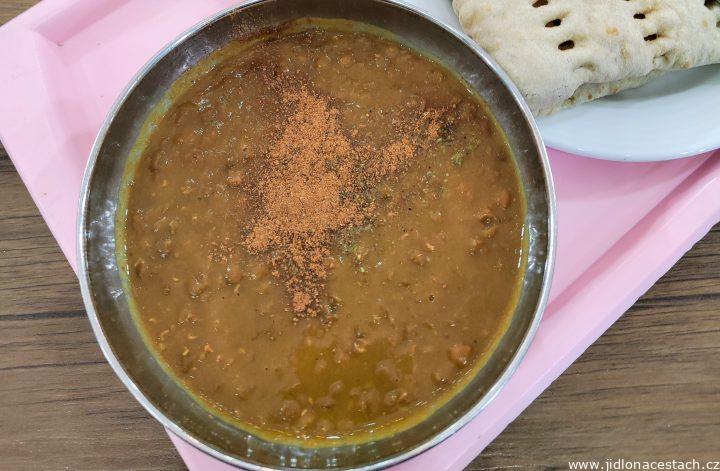
Adasi is a traditional Iranian lentil dish, particularly popular as a warm and filling breakfast. This simple and nutritious meal is made from lentils, onions, turmeric, salt, pepper, oil, and water, with its flavor enhanced by cinnamon and fresh lemon juice. Adasi is served hot with Iranian bread and is especially favored during the colder months. It comes in many regional variations.
Taftoon is one of the oldest and most widespread types of bread in Iran. This thin, slightly flexible bread is made from wheat flour, water, yeast, and salt. The dough is hand-rolled into flat disks after rising and traditionally baked on the walls of a heated tandoor oven. In modern bakeries, rotary ovens are often used to increase production. Taftoon comes in many variations.
Sangak is a traditional Iranian whole-grain bread. Its name comes from the Persian word "sang" (stone), referring to the unique baking method on hot pebbles. This thin, elongated bread, 70–80 cm long, has irregular edges and characteristic dimples on its surface. Sangak is served fresh, often still warm, and is an integral part of Iranian cuisine.
Qottab is a traditional Iranian sweet pastry made from delicate dough filled with a mixture of nuts and spices. This confection originates from Yazd, where it has been made for generations and is an integral part of holidays, celebrations, and everyday joys. Qottab is traditionally fried in oil, but its lightness and delicacy will pleasantly surprise you.
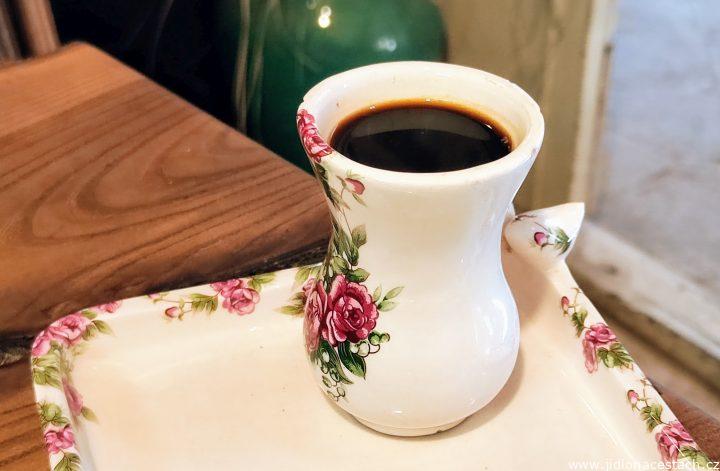
Yazd coffee, known as "mourning coffee," is a traditional drink from the Iranian city of Yazd. It is traditionally consumed on the third day after a person’s passing. The beverage became part of Iran's intangible cultural heritage in July 2019. Its preparation is time-consuming, taking 3 to 12 hours. It is served in small cups with traditional local sweets.