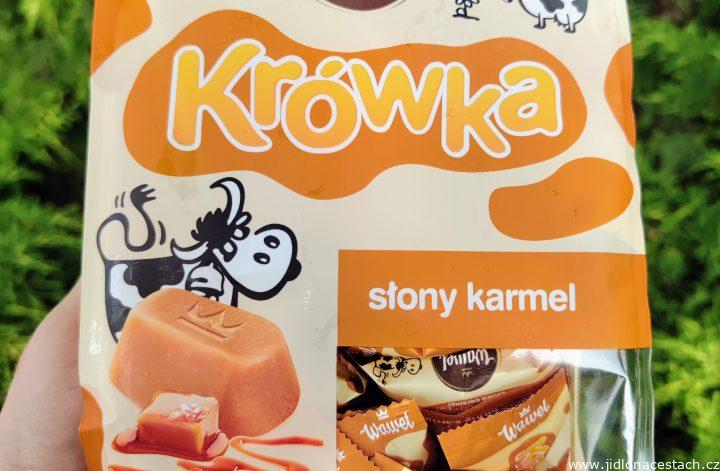
Among the most popular Polish gastronomic souvenirs are traditional sausages like kiełbasa and kabanos, renowned for their quality and taste. Sweet temptations include the beloved caramel candies called krówki and the dessert ptasie mleczko (literally "bird's milk"). My personal favorite is suska sechlońska, a smoke-dried plum with a protected geographical indication. I can also never resist the refreshing fruit dessert called kisiel.
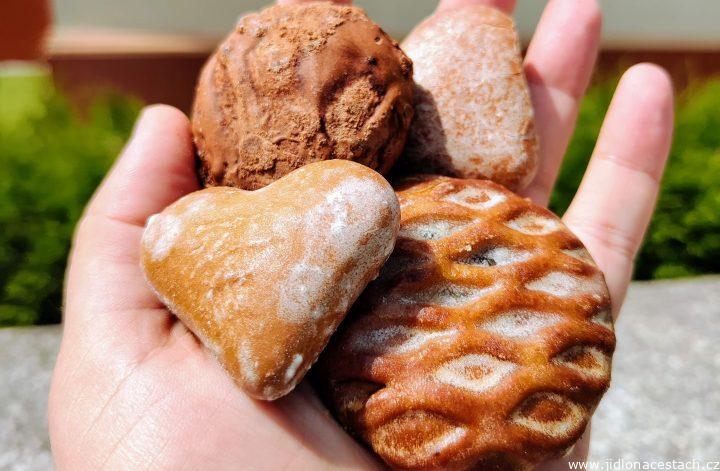
Toruń gingerbread is a traditional Polish sweet with a history dating back to the 13th century. These gingerbread cookies are inextricably linked to the city of Toruń, which is promoted at the national level under the slogan "Gingerbread City." Traditional Toruń gingerbread is characterized by a rich taste and aroma, which it acquires thanks to the use of high-quality ingredients such as rye flour, honey, and a special blend of spices. They are made in various shapes and sizes, from small figurines to large decorated sheets. The most popular variety is "katarzynki."
The bagel is a typical Polish bread roll with a history dating back to the 17th century. Its circular shape symbolizes eternity and brings good luck, while the unique preparation method, which involves boiling the dough in water before baking, gives it an unmistakable texture - a crispy crust and a soft, fluffy interior. Although bagels nearly disappeared from Poland after World War II, they made a triumphant return after the fall of communism, and today you can enjoy them in specialized bakeries and cafes throughout the country.
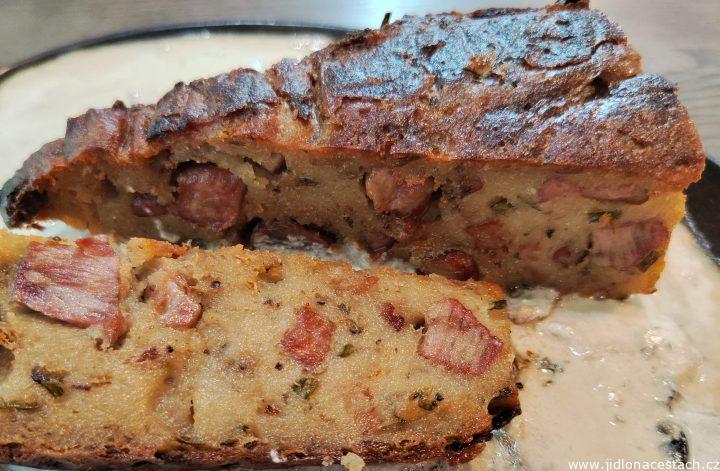
Babka ziemniaczana is a traditional Polish baked potato pie. It is prepared with grated potatoes, eggs, flour, salt, pepper, and often includes bacon or smoked meat. This tasty and filling dish originated as a way to utilize cheap and readily available ingredients, and it has become popular not only in Poland but also in neighboring countries. It is served as a side dish to meat dishes or on its own, sometimes with a creamy mushroom sauce.
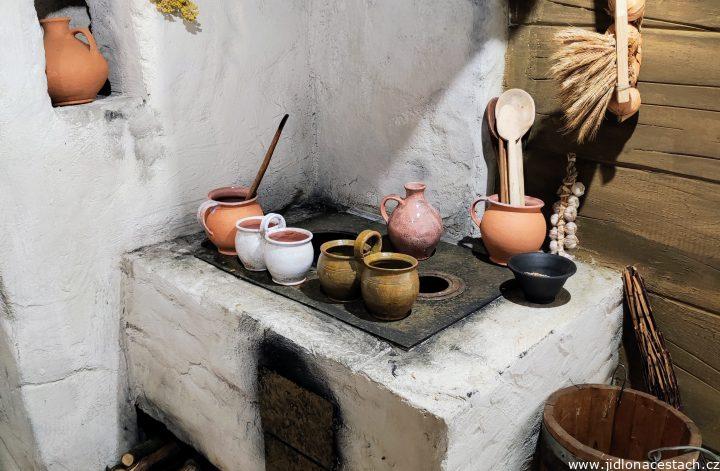
Rogalowe Muzeum Poznania is a great show that entertainingly introduces you to the preparation and history of St. Martin's croissants, one of Poznań's most famous regional specialties. Two period-costumed chefs guide you through the entire process of making the croissants, from the beginning to their baking and tasting. The show is in English. If you have a sweet tooth, I definitely recommend visiting.
The National Museum of Agriculture in Szreniawa is one of the largest and most important museums of its kind in Poland. The extensive complex offers an interesting insight into life in the Polish countryside. The collection of historical agricultural machinery, from plows to tractors, will amaze you and show you how Polish agriculture has evolved over the years. At the end of the tour, you can refresh yourself at the mini-brewery with a view of agricultural planes and helicopters.
Poznańskie Muzeum Pyry is a place that focuses in detail on potatoes, one of the most important and widespread crops in the world. The museum offers an interesting look at the history of potatoes, their origin in South America, their journey to Europe, and their gradual spread throughout the world. The guided tour is in Polish.
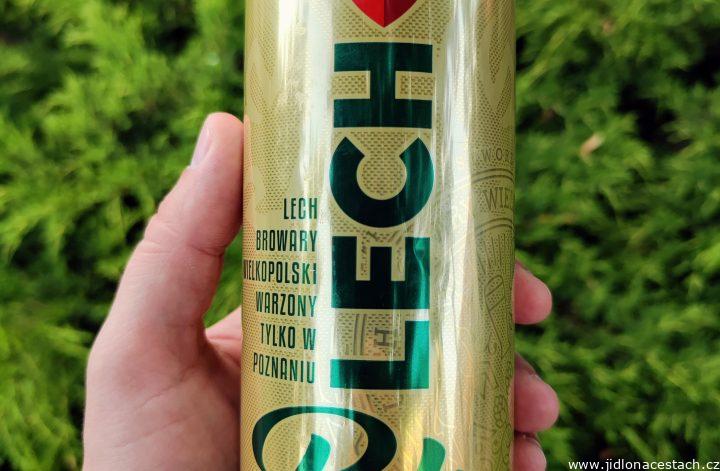
Polish beer is deeply rooted in the local culture. The most popular styles are lagers, wheat beers, and dark beers. The market is dominated by three large groups: Kompania Piwowarska, Grupa Żywiec, and Carlsberg Polska. In addition to these, there are also numerous smaller craft breweries in Poland that brew unique, high-quality beers. Beer styles that originated in Poland include Baltic porter and grodziskie. Polish craft beers are definitely worth tasting and can surprise even experienced beer connoisseurs.
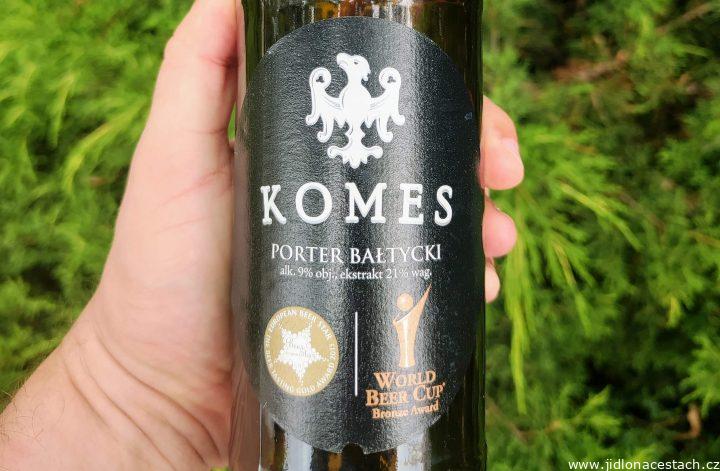
Baltic porter is a strong dark beer with a high alcohol content, often referred to as the Polish national beer style. It is characterized by a rich flavor with notes of dark chocolate, coffee, dried fruit, and caramel. It originated as a local substitute for imperial stout during the Napoleonic blockade. Baltic porter is an integral part of Polish beer culture and is definitely worth tasting.
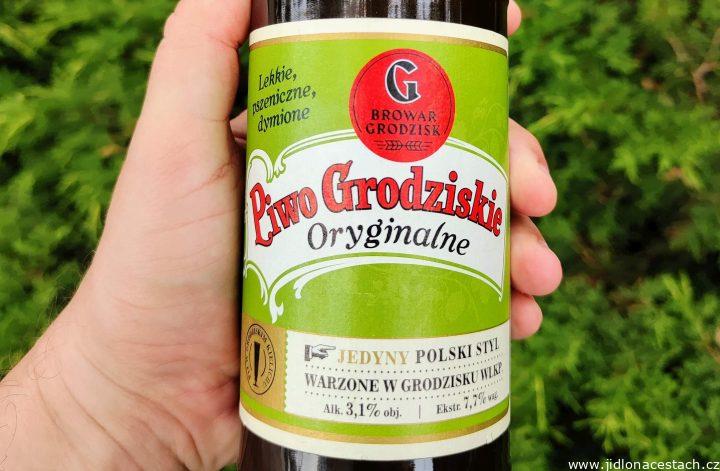
Grodziskie beer is a unique Polish beer style with a long history dating back to the 14th century. This light beer with a low alcohol content is renowned for its distinctive smoky flavor. The taste comes from wheat malt dried over oak wood smoke. Grodziskie is also characterized by high carbonation (CO₂ saturation). Although it nearly disappeared after World War II, it is currently experiencing a renaissance due to the interest of craft breweries and beer enthusiasts seeking unconventional flavors.