Rhumerie de Chamarel: A Distillery Tour and Rum Tasting in Mauritius
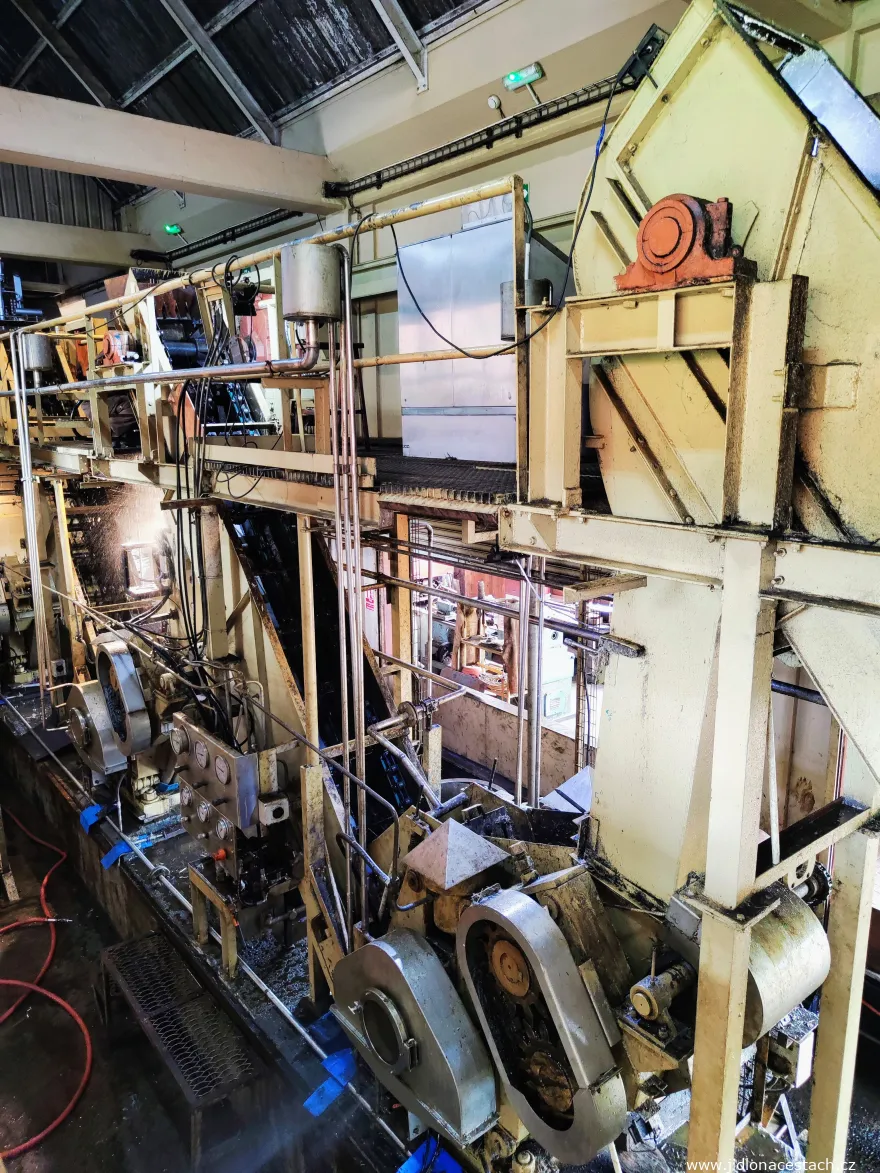
People come to the distillery for one particular spectacle: the machine takes a cane stalk, crushes it, and out runs the juice that will turn into rum. I turned up in December and the crushing line was idle - shut down, opened up, halfway through a clean. I only worked out why later: the cane here is harvested from July to December, and a distillery that only distills from fresh juice has nothing left to mill at the end of the season.
Rhumerie de Chamarel is a family distillery in the mountains of southwestern Mauritius that makes its rum solely from the juice of its own sugarcane, and it lets visitors follow the whole process, from the field to the glass. The stills were running that day and the guide was in full flow, and by the time we got to the eight glasses at the end of the tour, nobody cared that the crusher was idle.
Who Chamarel Is Named After and Who Distills the Rum Here
Chamarel is first and foremost a village, and the brand only borrowed the name from it. The village got it from the French brothers de Chazal de Chamarel, who were granted land here at the end of the 18th century. Charles-Antoine tried sugarcane, cotton, coffee and indigo on it, none of it made him any money, and in 1815 he went back to France for good. So the distillery is named after a man who failed as a planter in Mauritius - a marketing department would have picked a different biography for the label, but the village never asked anyone.
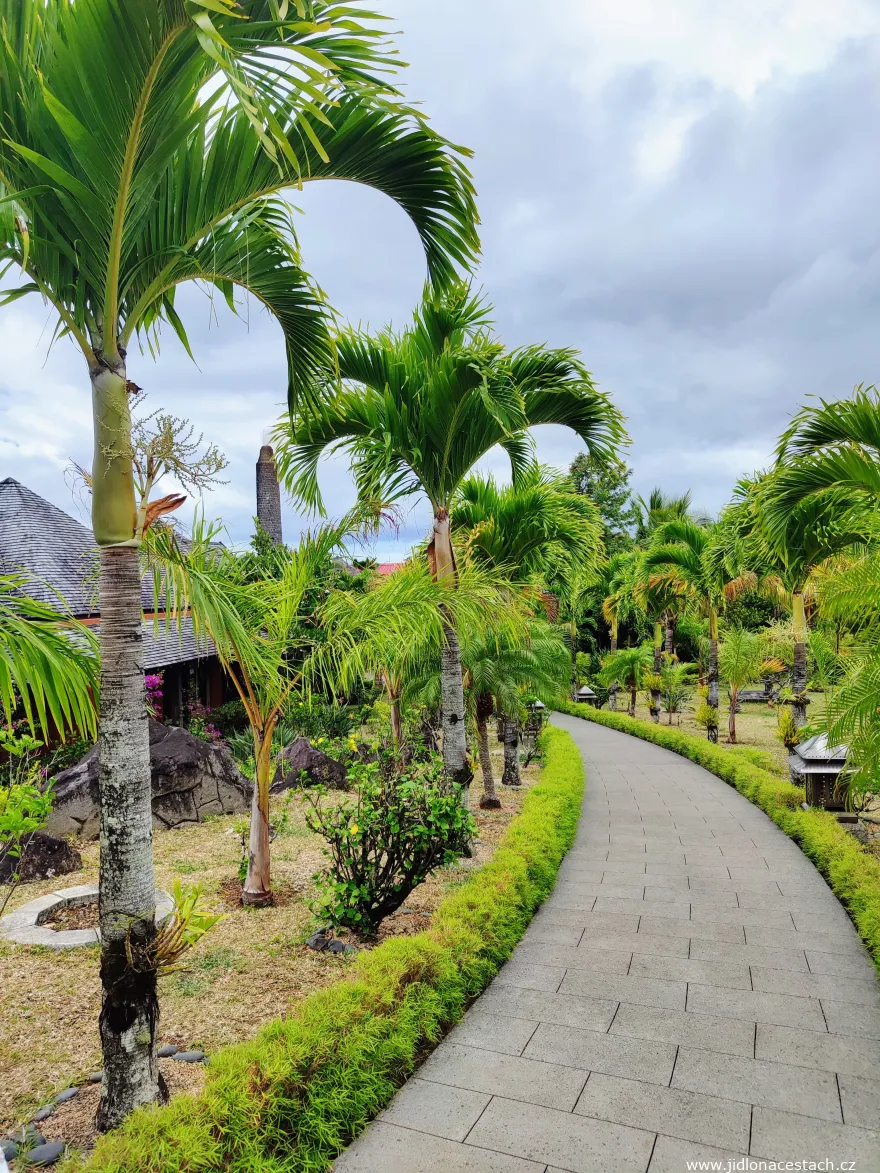
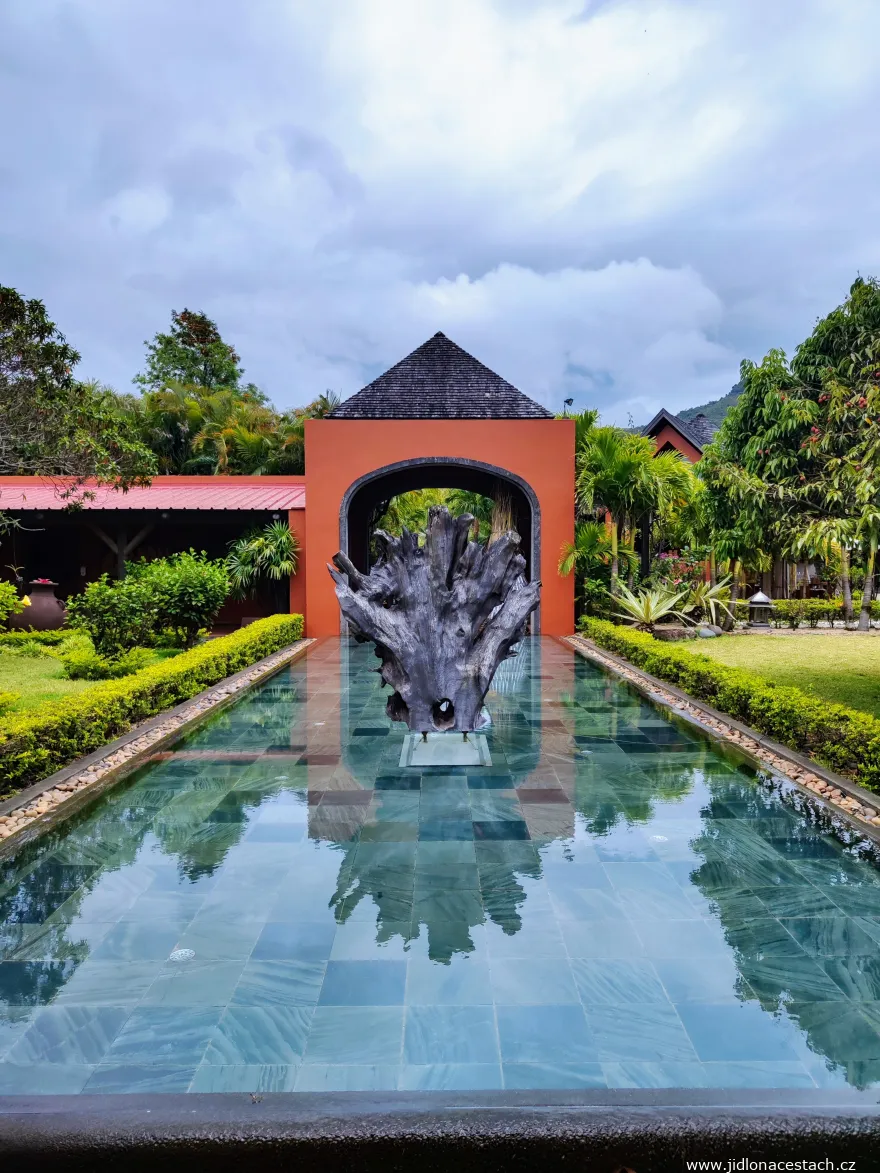
The distillery itself is two centuries younger. In 1996 the Couacaud family bought the Domaine de l'Exil estate, 220 hectares of cane at three hundred meters above sea level, and only started distilling rum from it in 2008: the cane grew here for twelve years before the first spirit ran. That wasn't laziness. Rum made from fresh cane juice was banned on the island for a long time and wasn't legalised until 2006 - the article on Mauritian rum explains why. Chamarel is therefore one of the youngest distilleries in Mauritius and one of the few that grow their own cane; most of the island's rum is made from molasses. A Mauritian architect designed the site with visitors in mind from the start: wood, stone and water instead of a sheet-metal shed. Labourdonnais in the north, Saint Aubin in the south and the L'Aventure du Sucre sugar museum run tours with tastings too. At Chamarel, though, the field and the glass sit on the same piece of land.
From the Field to the Mill in Four Hours
Sugarcane at Chamarel is cut by hand and the fields aren't burned before the harvest. The cut stalks have to be in the mill within four hours, or the juice starts to ferment on its own and the fresh, grassy aroma the whole thing is about is gone. Those four hours are the reason the distillery sits in the middle of its own fields and not down by the port. The juice ferments, it's distilled in copper pot stills and in a column, and some of the spirit goes into oak barrels, where it ages faster in the tropical heat than it would in Europe. Anyone who has ever carted their own fermented plums off to a distillery back home in Czechia will recognise the principle: you distill what you grew yourself, and the fruit should come through in the glass. Here it's cane rather than plums that comes through.
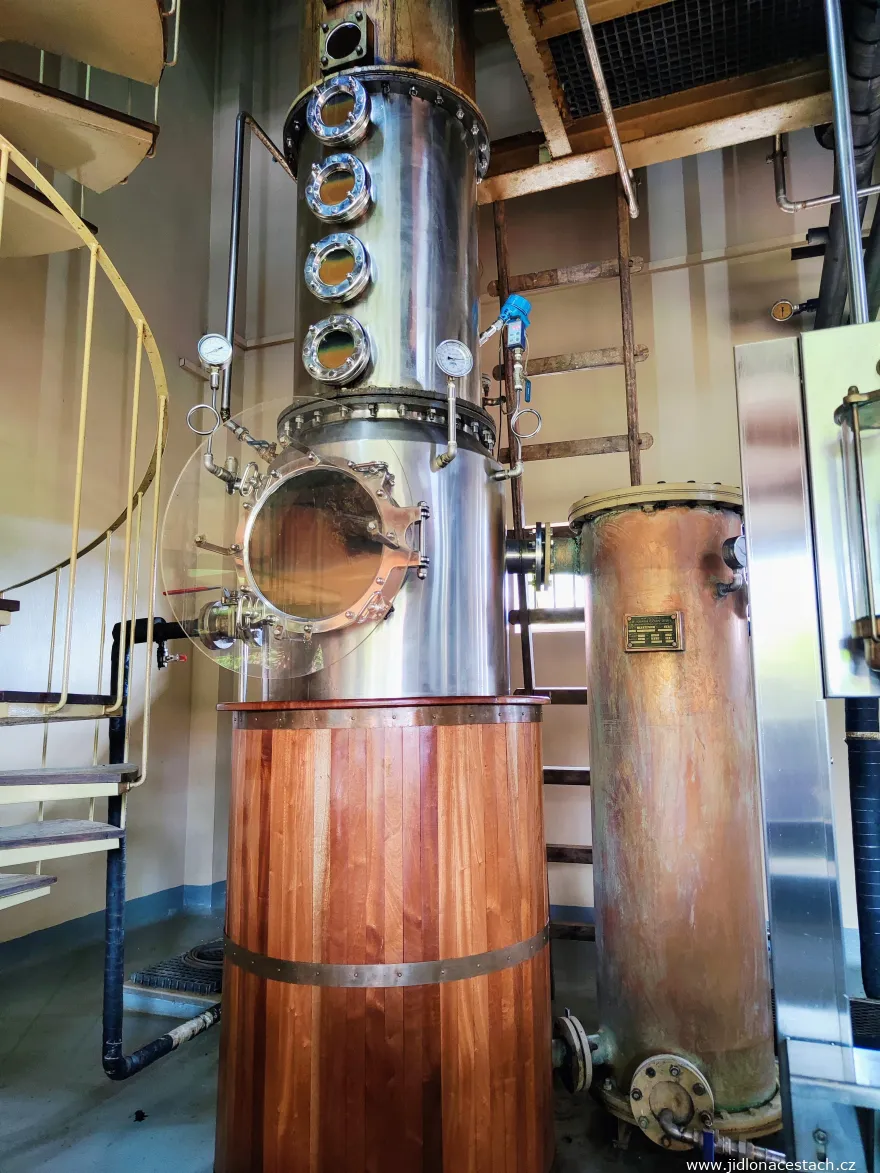
The tour follows the order of production: the guide stops with the group at the mill, at the fermentation tanks and at the stills, explains what is going on at each step, and lets people ask whatever they want. It ends at a long table lined with bottles. The tasting is included in the ticket; they pour aged rums and rums finished in different types of barrels for an extra fee. There's a shop on the site and the L'Alchimiste restaurant, open for lunch. Prices change and different sources quote different figures, so check them before you go. There is a bus to Chamarel, but it doesn't run often; most people come by taxi or rental car and combine the distillery with the colored dunes and the waterfall just up the road.
Eight Glasses at the End of the Season
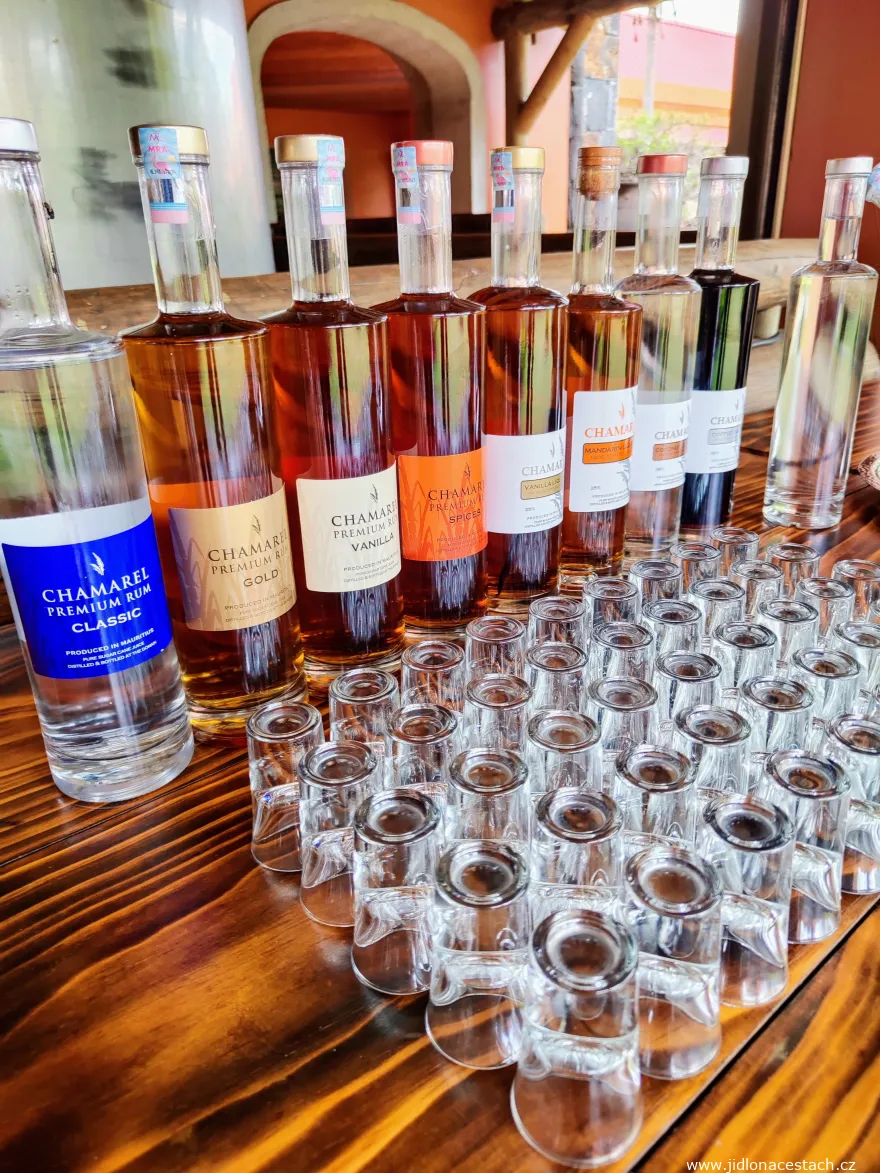
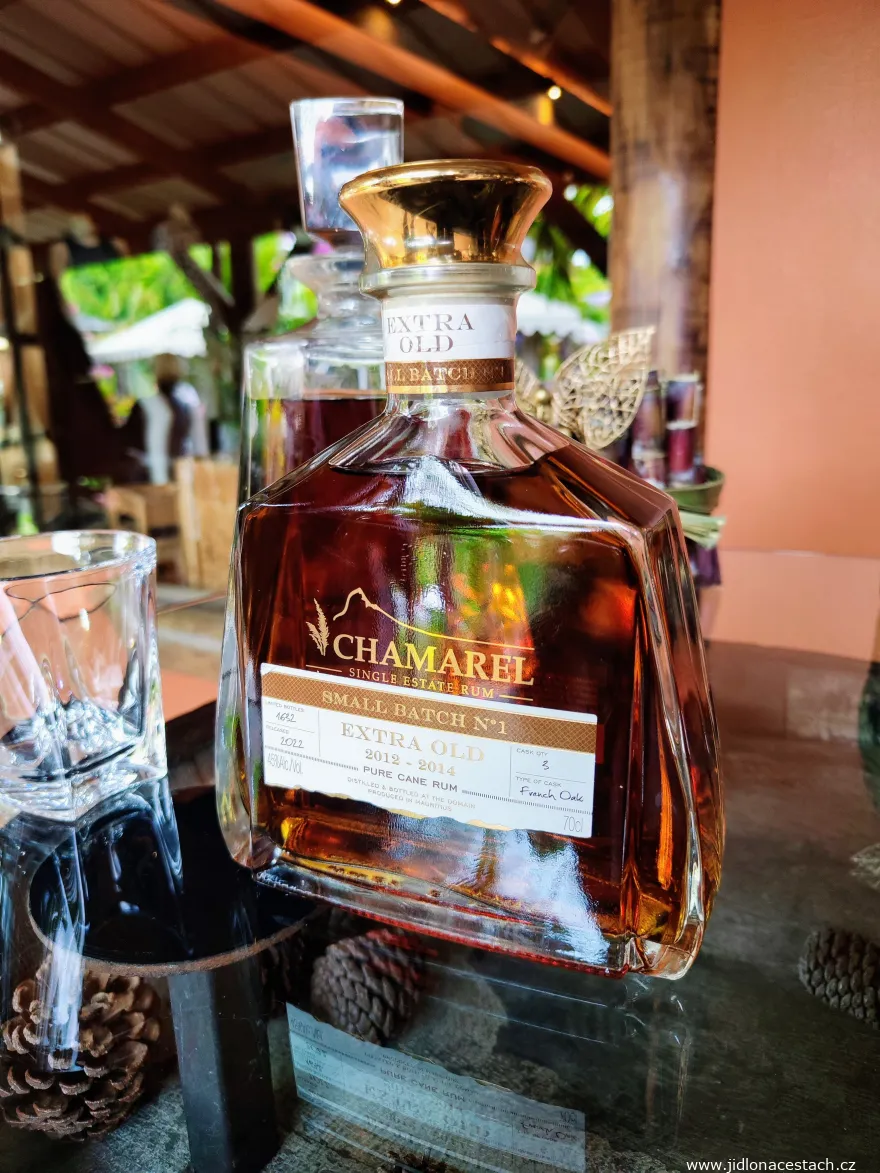
At Chamarel I walked through the distillery with a small group and a guide who stood at the idle crusher and explained what would be roaring here in season. At the end, eight samples were lined up in a row: white rum, aged rum, rum with vanilla, rum with a spice mix, and four liqueurs - vanilla, coffee, coconut and mandarin. The white smelled of fresh cane, the aged one had softened and picked up vanilla and wood from the barrel, the liqueurs had less alcohol and more sugar, and the coffee one was the pick of them. For an extra 100, 200 or 300 MUR (2-6 EUR) they poured premium aged rums from different barrels. In the shop the basic range worked out about a third cheaper than in the Winners supermarkets, while the premium bottles cost the same. The ticket was 450 MUR (9 EUR) and the tour with the tasting took somewhere between one and two hours. The man everything here is named after gave up on cane on this hill and left. Two centuries later rum runs from it here - and in December, once the harvest is in, so does the water for washing the crusher.
Rhumerie de Chamarel


