Armenian Wine: Areni, Karas and the Argument Over the Cradle of Wine
On the label of a bottle I bought in a Yerevan shop, in small print under the name Karas, it says "6200 years crafting wine". No other wine in the world would dare put a number that old on a label - and there's something behind that nerve - just something more complicated than it looks.
Armenian wine (Armenian: գինի, gini) is made from native grapes that grow nowhere else - the red Areni and the white Voskehat - in vineyards a thousand meters up, and it rests on two vessels: the clay karas, in which wine was fermenting here before writing existed, and the oak barrel, which only arrived with the modern wineries. It goes with the same things everything else in Armenian cuisine goes with: grilled meat and long toasts.

Who Invented Wine: The Areni-1 Cave and the Dispute With Georgia
The Armenian word for wine is the one word in this article that needs no translation. Gini comes from the same Indo-European root as Latin vinum and Greek oinos; Armenian just swapped the v for a g along the way. The name of the drink here isn't borrowed from the neighbors - it's as old as the language itself, which is more than you can say for the words for other Armenian dishes, taken from Turkish and Persian.
And now that number from the label. In 2007 the Armenian archaeologist Boris Gasparyan and his Irish colleague Ron Pinhasi started digging at the Areni-1 cave in Vayots Dzor and found a grape press, fermentation vats, storage jars and grape seeds all in one place - a complete winery from around 4100 BC. That's where the six thousand years on the label come from. But neighboring Georgia has chemical traces of wine in pottery from sites near Marneuli that are two thousand years older, and Iran has traces from Hajji Firuz that are a thousand years older still. So Armenia doesn't have the oldest wine in the world, it has the oldest surviving winery - and those are two different records, no matter how happily the guides blend the two into one. Armenian sources are happy to gloss over the difference and talk about the world's first cultivated vine; over my first bottle I believed them too, but no Georgian would agree, and he'd have a point.
Areni, Voskehat and Karas: What Armenian Wine Is Made Of
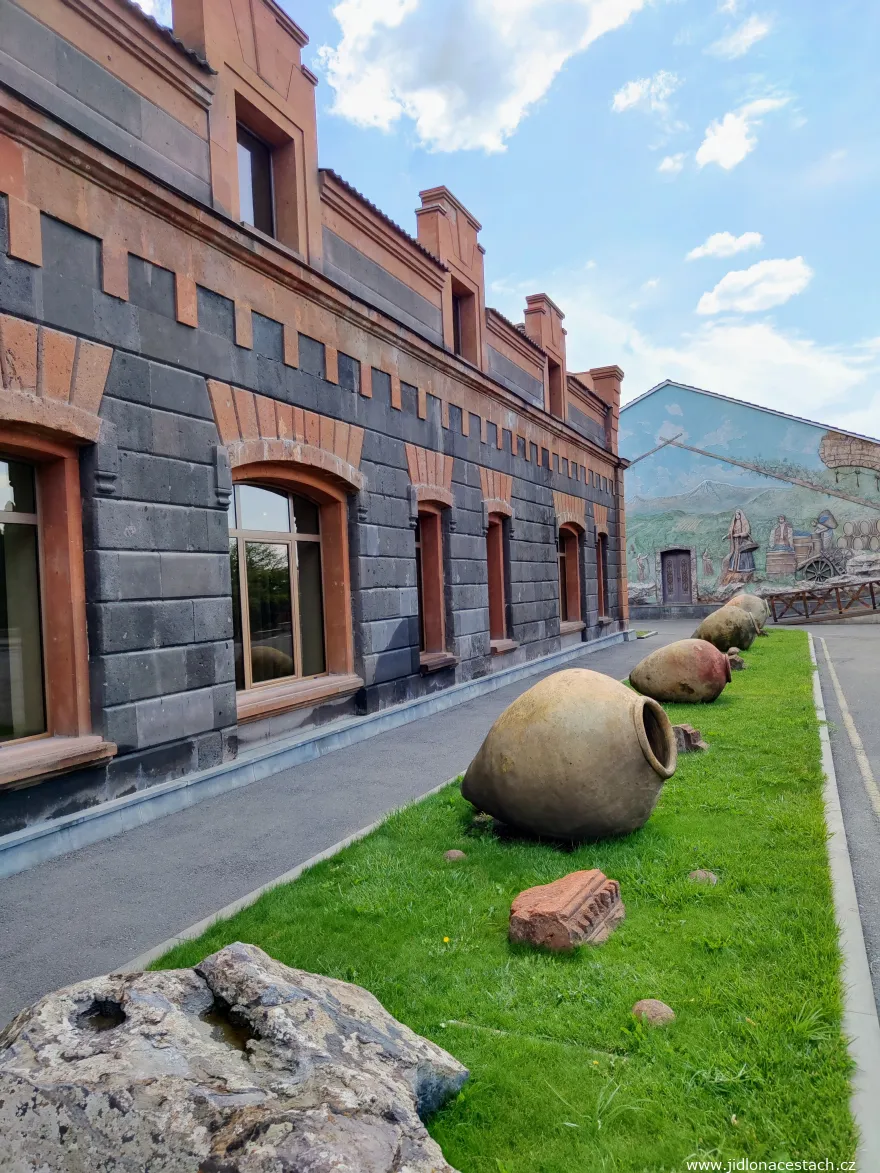
The star here is the Areni vine, named after the same village as the cave: a red variety that does well higher up than a Frenchman would ever plant, at a thousand to fifteen hundred meters on volcanic soil, and it gives wines that are fruity and lean rather than heavy. On the white side, it's Voskehat, which Armenians call the queen of their grapes and whose seeds archaeologists found even in the Urartian fortress of Karmir Blur; alongside them come the lesser-known Khatouni and Kangun and the dark Saperavi borrowed from Georgia, which gets blended half and half with Areni. The karas is a clay vessel sunk into the ground, a cousin of the Georgian qvevri, and unlike an oak barrel it has no say in how the wine tastes - vanilla and chocolate don't come out of clay. Anyone who keeps a stoneware crock for sauerkraut in the cellar knows the principle: clay holds a steady temperature, it breathes, and it leaves the flavor to whatever is inside. The vanilla and chocolate in descriptions of Armenian wines are the work of oak, not clay.
The Soviet Union turned Armenia into a brandy country and left wine in its shadow - it's not that nobody made any; in the eighties the country turned out more than a hundred and fifty million liters a year, but nobody talked it up the way they did Georgian wine. The comeback after 2000 was paid for by the diaspora: Zorik Gharibian from Italy built the Zorah winery a kilometer from the Areni-1 cave, the Argentinian Eurnekian family founded Karas in Armavir, and the Swiss winemaker Jakob Schuler founded Noa right in Areni. People whose families had left long ago came back with money and a winemaking education from Patagonia and Tuscany, and started making wine from vines their Soviet cousins had been harvesting for the still.
How Armenians Drink Wine and How to Pick a Bottle
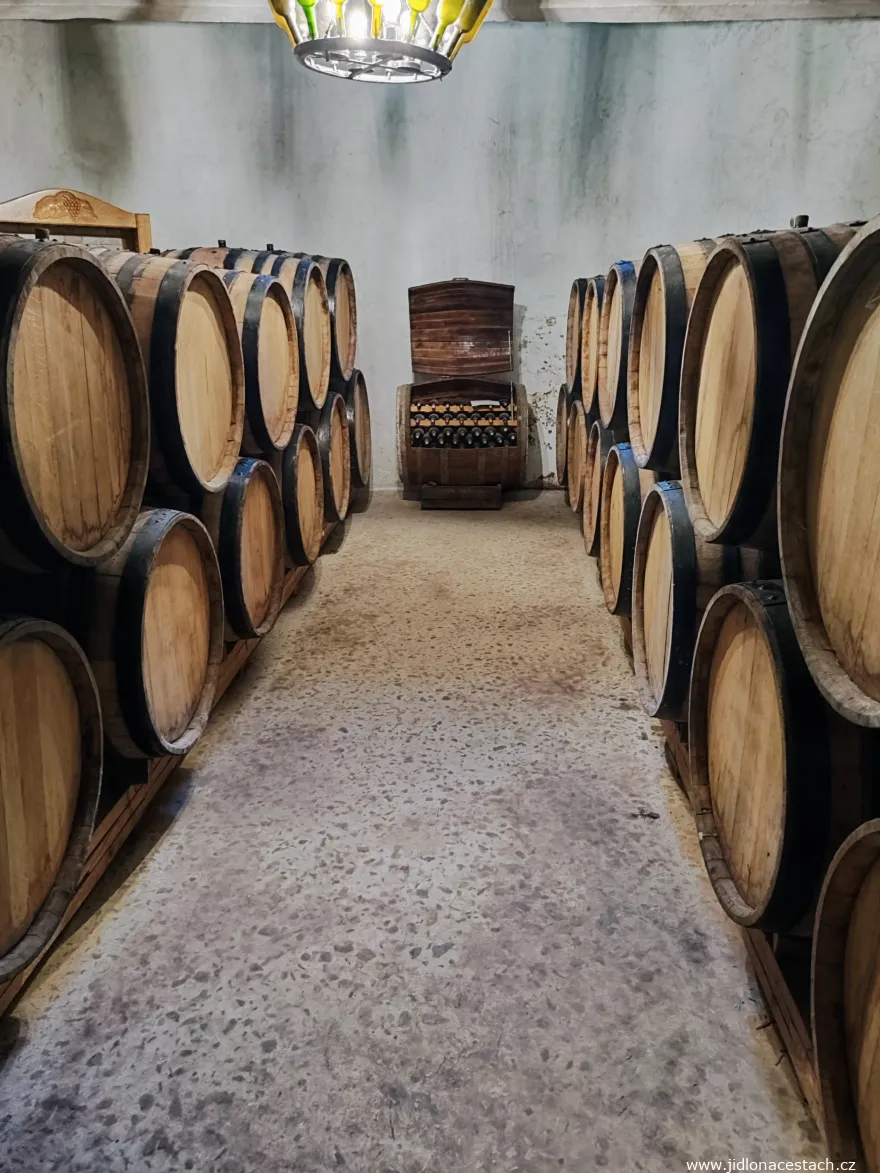
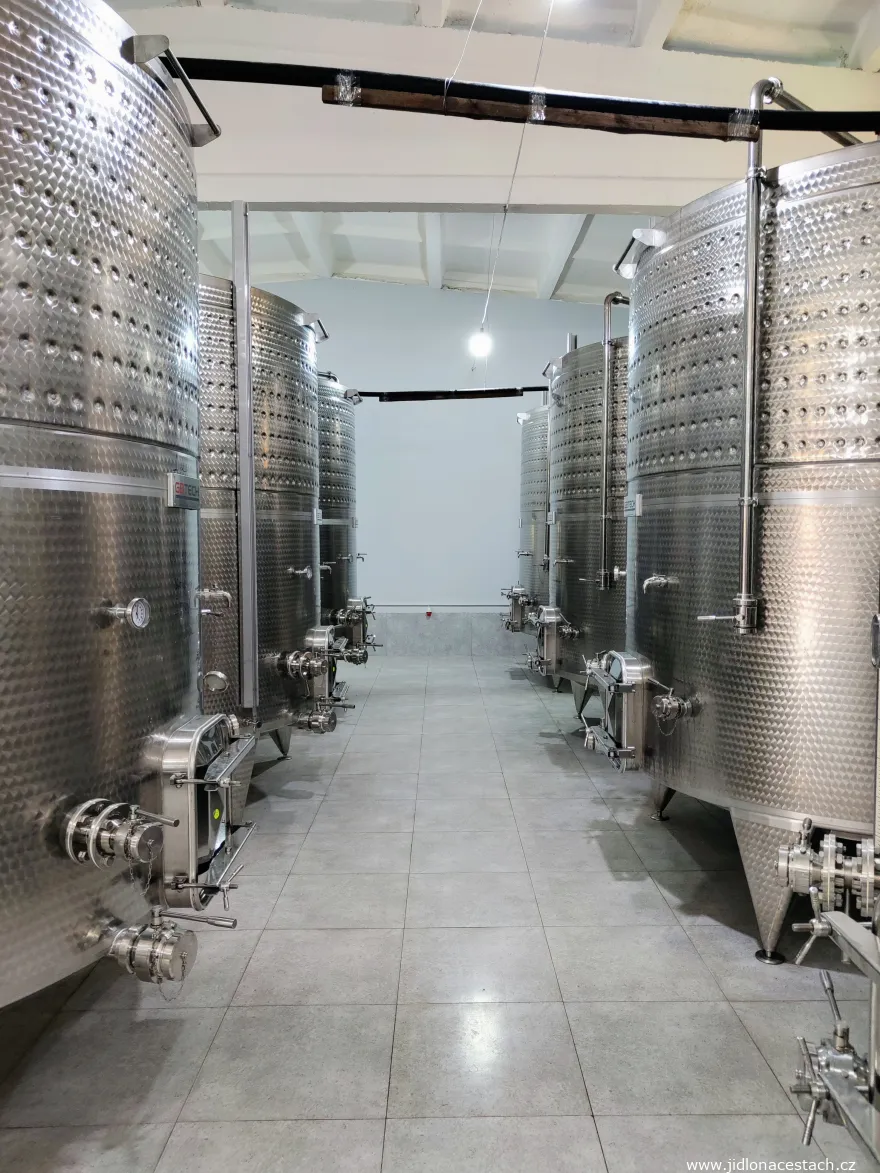
Here wine goes with khorovats, with cheese and lavash, and above all with toasts: the long speeches called kenats, run by a tamada, belong to the whole South Caucasus, not just to Armenia, and while they last the glass spends more time in your hand than at your lips. In the shop it pays to read the back label: look for the Areni or Voskehat grape and the Vayots Dzor region, the winemaking heart of the country, and don't let the word wine on bottles of pomegranate wine fool you - that's a product of the last twenty years, and I've written about it separately.
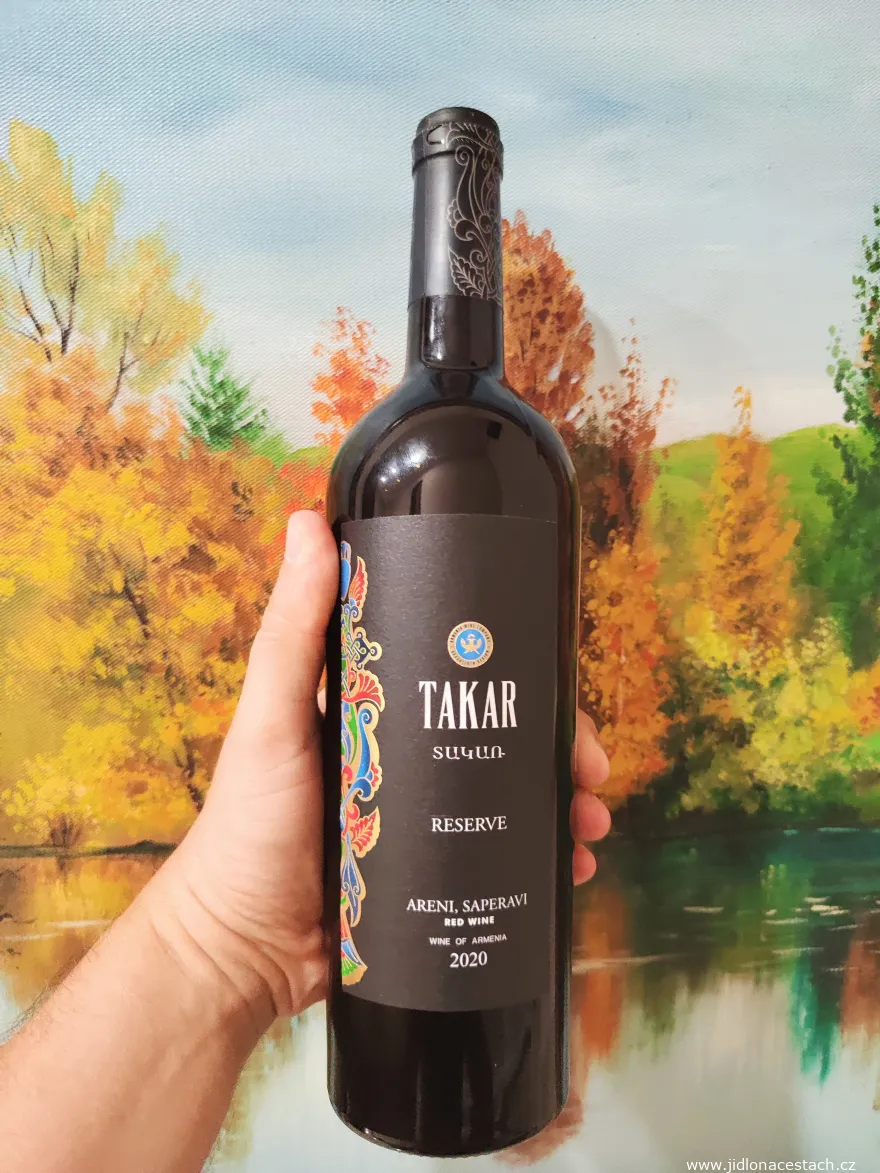
Three Bottles from a Yerevan Shop
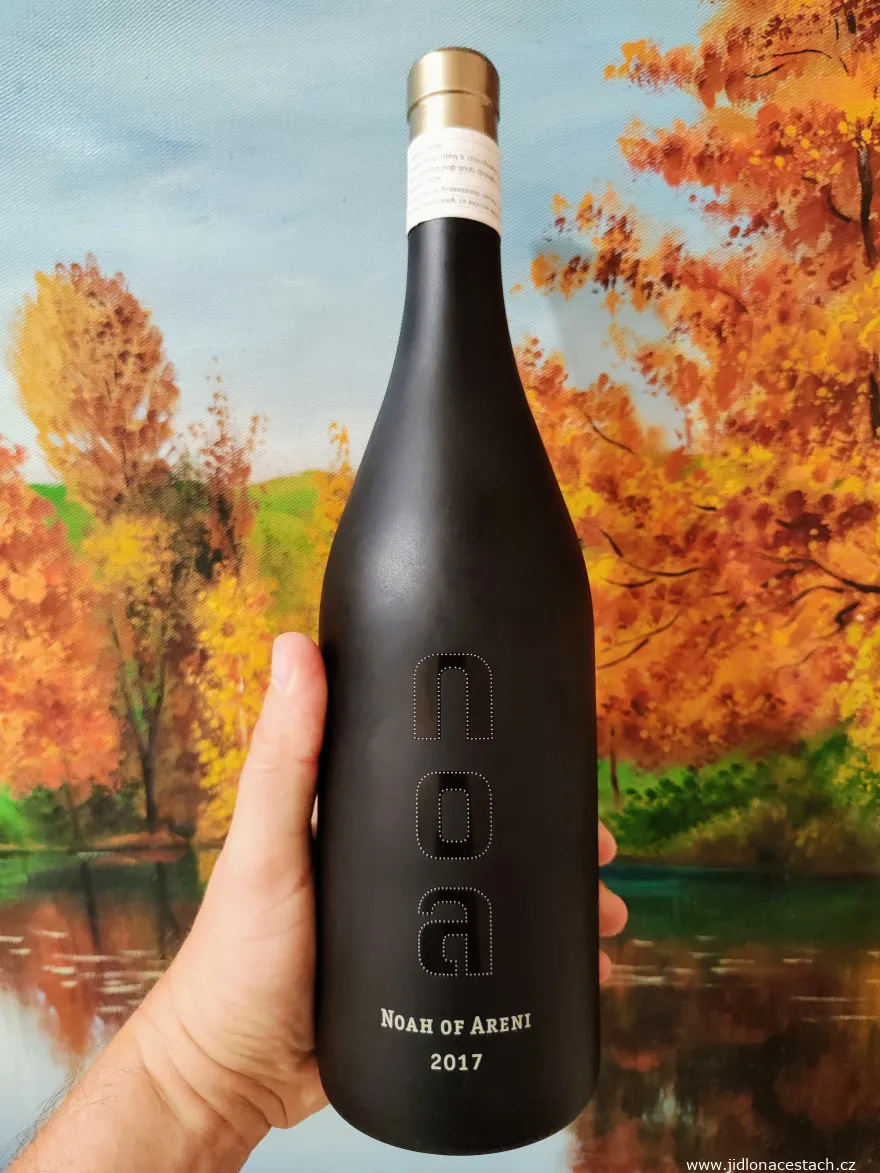
I bought three bottles in a shop in Yerevan and picked them by their labels. The Red Blend 2020 from the Karas winery, the one with the six thousand years, was the most approachable of the three: soft, round, fruit up front, a wine that isn't trying to teach anybody anything. The Areni 2017 from the Noa winery was lighter and sharper, cherry and a high-altitude tautness, and it surprised me how long the taste stayed in my mouth after I swallowed. The Takar Reserve 2020 from Armenia Wine, half Areni and half Saperavi, was the darkest and the most tannic, blackcurrant and pepper, a wine for meat rather than for conversation. Karas cost 3,500 AMD (8 EUR), Takar 4,250 AMD (10 EUR) and Noa 9,000 AMD (21 EUR), which is roughly two and a half bottles of Karas. The Vivino app gives all three the same 4.1 out of 5.


