Noy: The Armenian Brandy That Used to Be Called Ararat
Anyone in Yerevan looking for the famous brandy usually heads to the Ararat museum. That day I was standing at a different gate, where the sign read Yerevan Ararat Brandy-Wine-Vodka Factory, the year 1877, and above it all a big Noy. No, I hadn't got lost.
Noy (Armenian: Նոյ) is Yerevan's second great brandy, aging in cellars on the site of the old Erivan Fortress, and together with Ararat it makes up the pair that Armenian cuisine calls cognac without blushing. The company behind it bore the name Ararat for more than sixty years, and when it lost that name, it reached for one older still. Noah's.
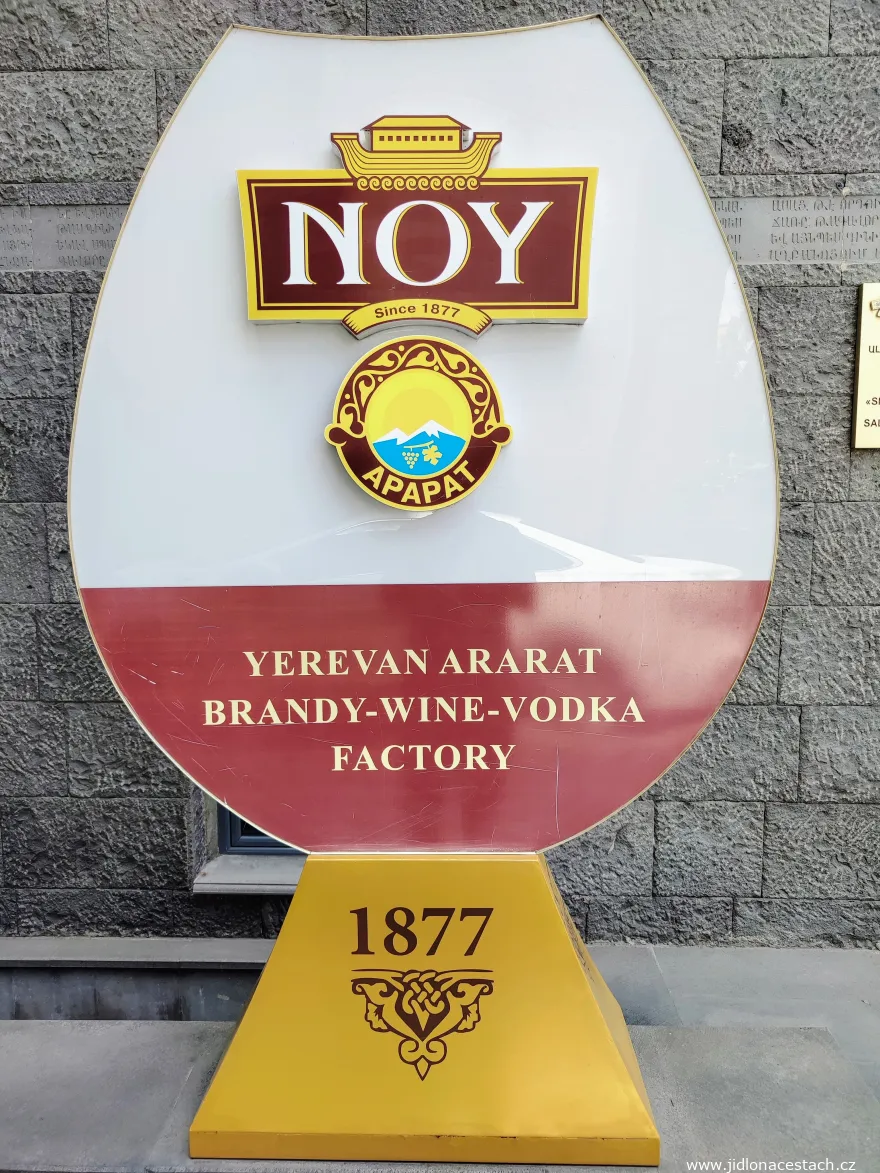
Why Noy Was Called Ararat Until 2002
Noy is the Armenian form of the name Noah. In the Book of Genesis his ark came to rest on Mount Ararat, and the first thing Noah did after the flood was plant a vine - so in this version Armenian winemaking dates from the moment the waters receded. The company didn't take the name Noy until 2002, when the factory was bought by the businessman Gagik Tsarukyan; until then, whatever aged in its cellars was simply called Ararat. That was the name Soviet planners gave the product, while the mountain's name stayed with the competition, Yerevan Brandy Company, today in French hands.
Two companies in one city and one mountain; the sign at the Noy gate still says "Ararat", the bottle no longer does. Brandy is Armenia's national drink: alongside Noy and Ararat, smaller producers distill cognac as well, in Proshyan for instance, and it belongs on the Armenian table every bit as naturally as Armenian wine or pomegranate wine.
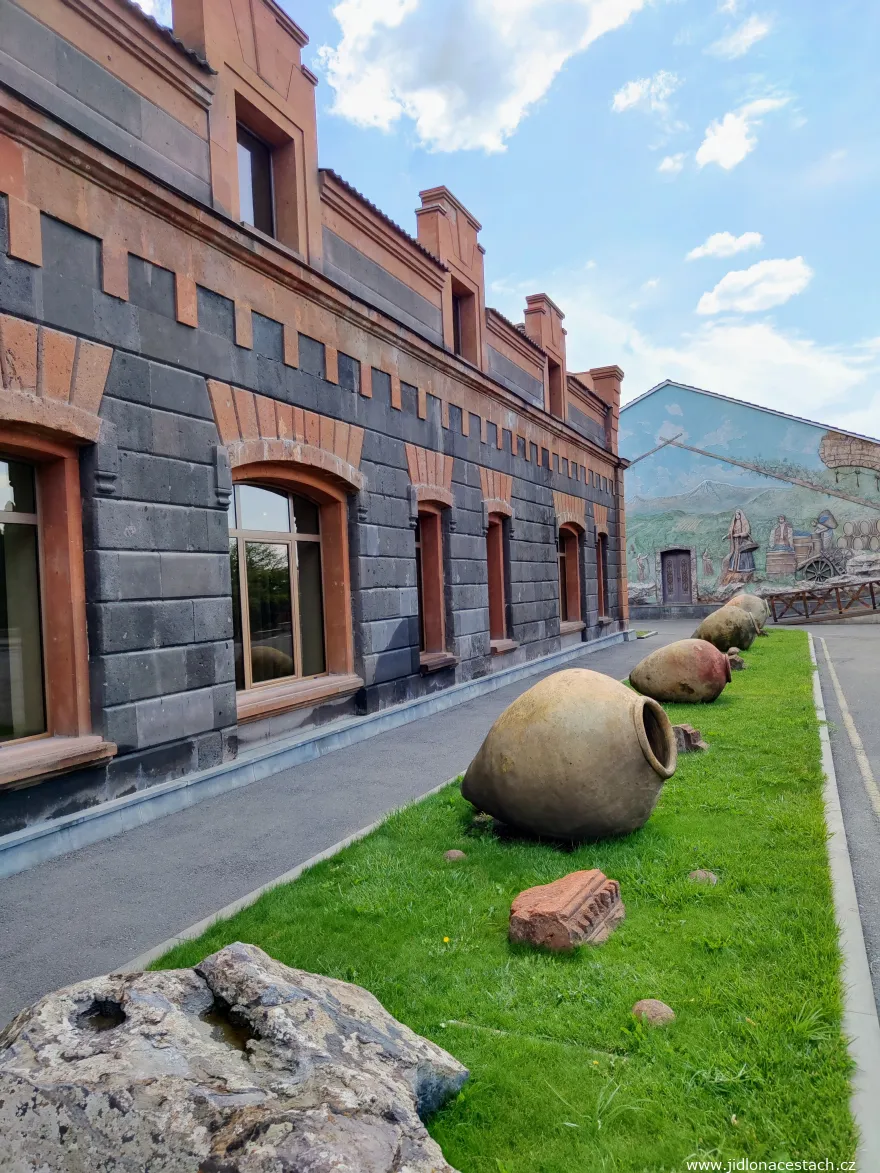
A Fortress, a Winemaker and the Merchant Who Outwitted Paris
The Erivan Fortress, on whose site the factory stands, was built by Persian rulers at the start of the 16th century. Guides like to push it back to the year 591 - but Armenia was split between Byzantium and Persia then. The factory was founded here in 1877 by the merchant Nerses Tairyan, at first for wine alone; ten years later his cousin Vasily Tairov, a viticulture expert and the publisher of a wine journal, talked him into distilling in the French manner. Tairyan soon leased the business out and then sold it to the Russian merchant Nikolai Shustov, whose company held roughly four fifths of the Russian Empire's market in spirits, wine and liqueurs. Shustov knew how to sell: in 1901 he sent samples to an exhibition in Paris with no origin given, the jury awarded them the Grand Prix, and when it learned it had been judging a distillate from the Caucasus, it made an exception and let him put the word cognac on the label. The same man is behind the story of well-dressed young men who loudly ordered Shustov's cognac in restaurants and walked out in a huff when the place didn't have it. The Soviets nationalized the factory and renamed it; after the Union broke up it fell into disrepair, and in 2002 Tsarukyan's Multi Group brought it back to life. Three names, one set of cellars.
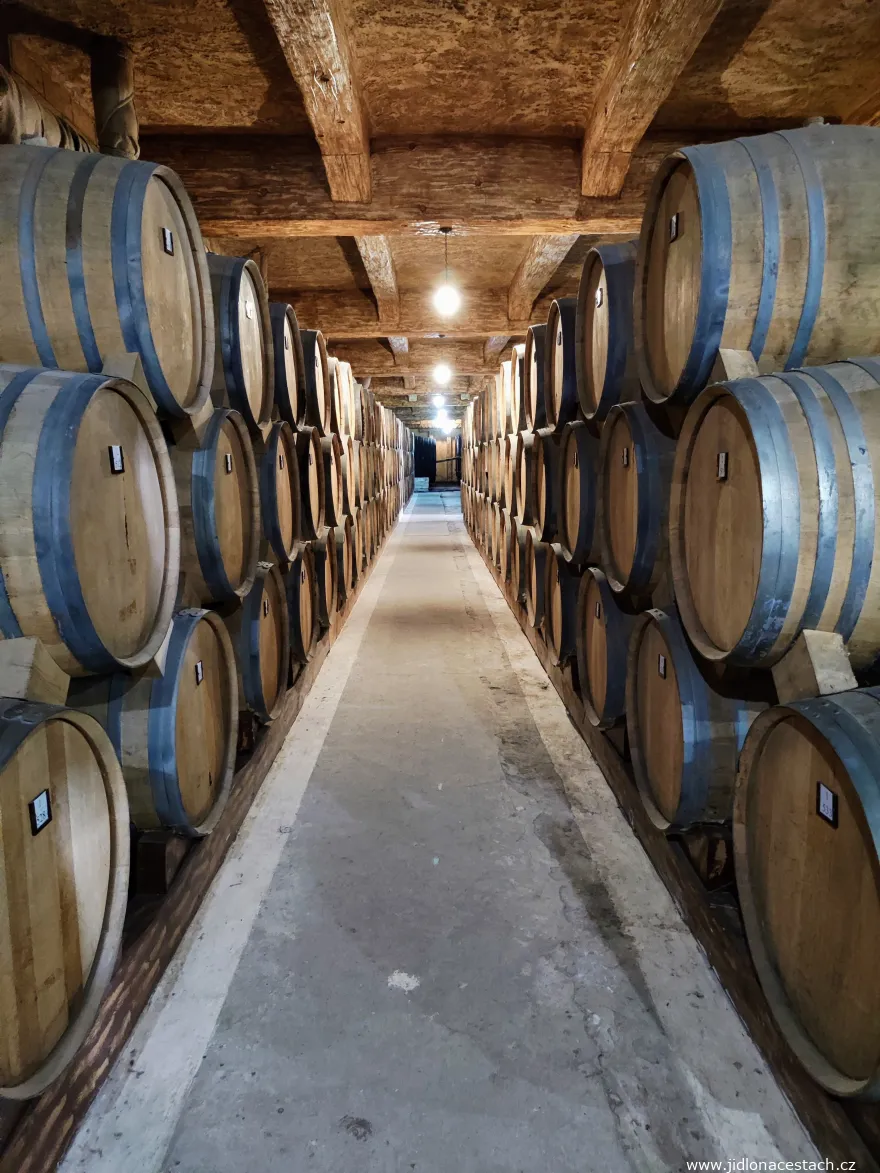

What Ages at Noy and What the Tour Is Like
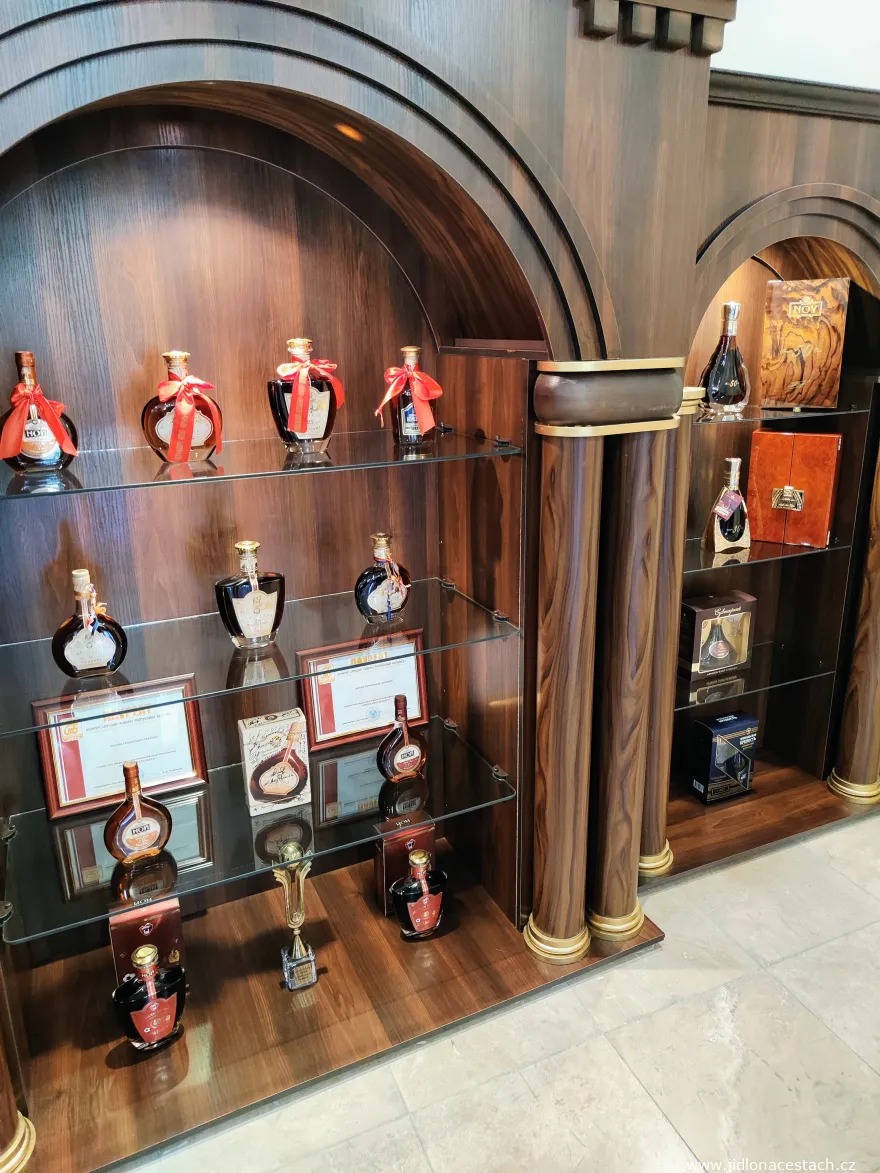
Into the barrels goes a distillate made from white grapes grown on the Armavir plain and in the Vayots Dzor valley, and then it's a matter of waiting. The Classic range comes in ages from seven to twenty years, and that time in oak is the main ingredient: the color, and the fact that the twenty-year-old doesn't burn, come from the barrel, not from the grape. The tour starts in the museum, where old bottles, diplomas and gift decanters stand behind glass, carries on down into the cellars, and only there does the tasting begin. There are two options: the tour on its own, or the tour with a tasting, where a higher price buys you older brandy and a collector's fortified wine from the archive on top of it. Every tasting comes with a plate of fresh and dried fruit and bottled water, tours run in English too, and it pays to book ahead - at the weekend the museum opens on Saturday only, and not for long.
Two Distilleries in One Day
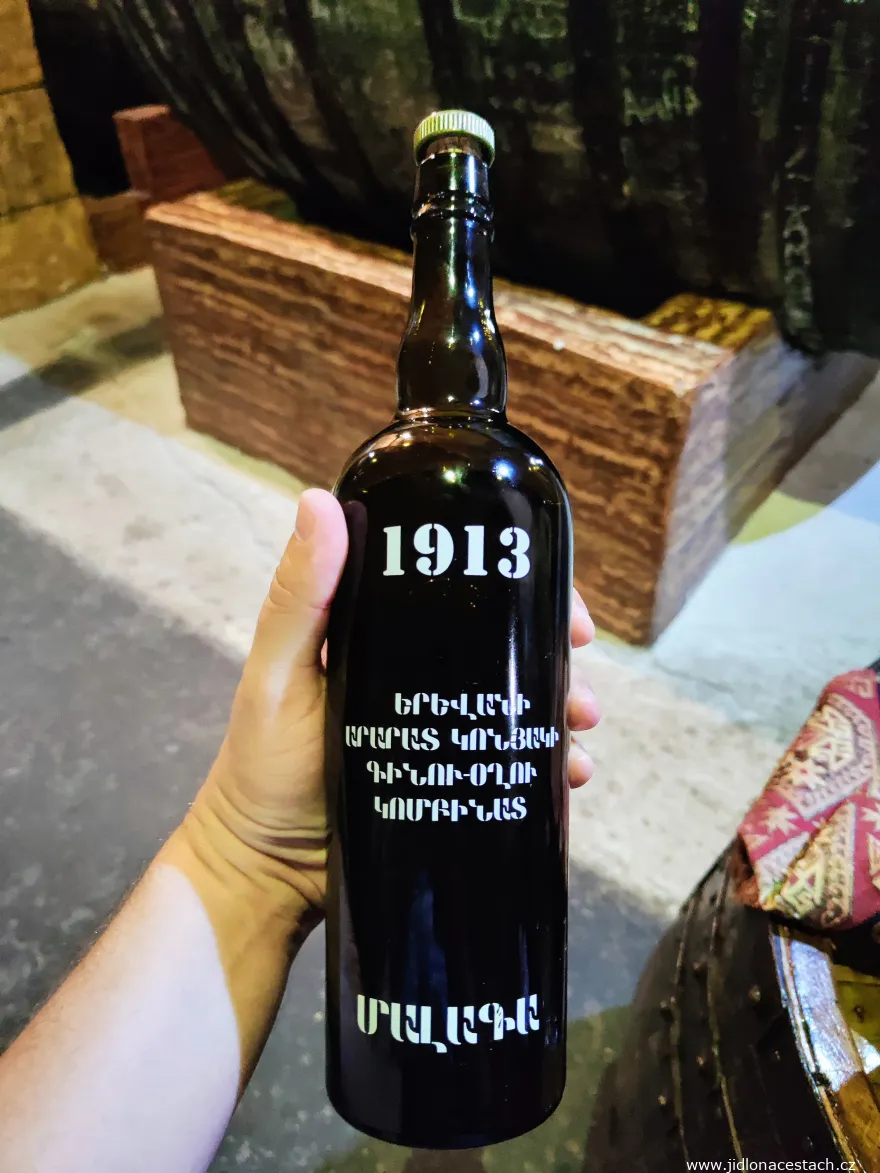
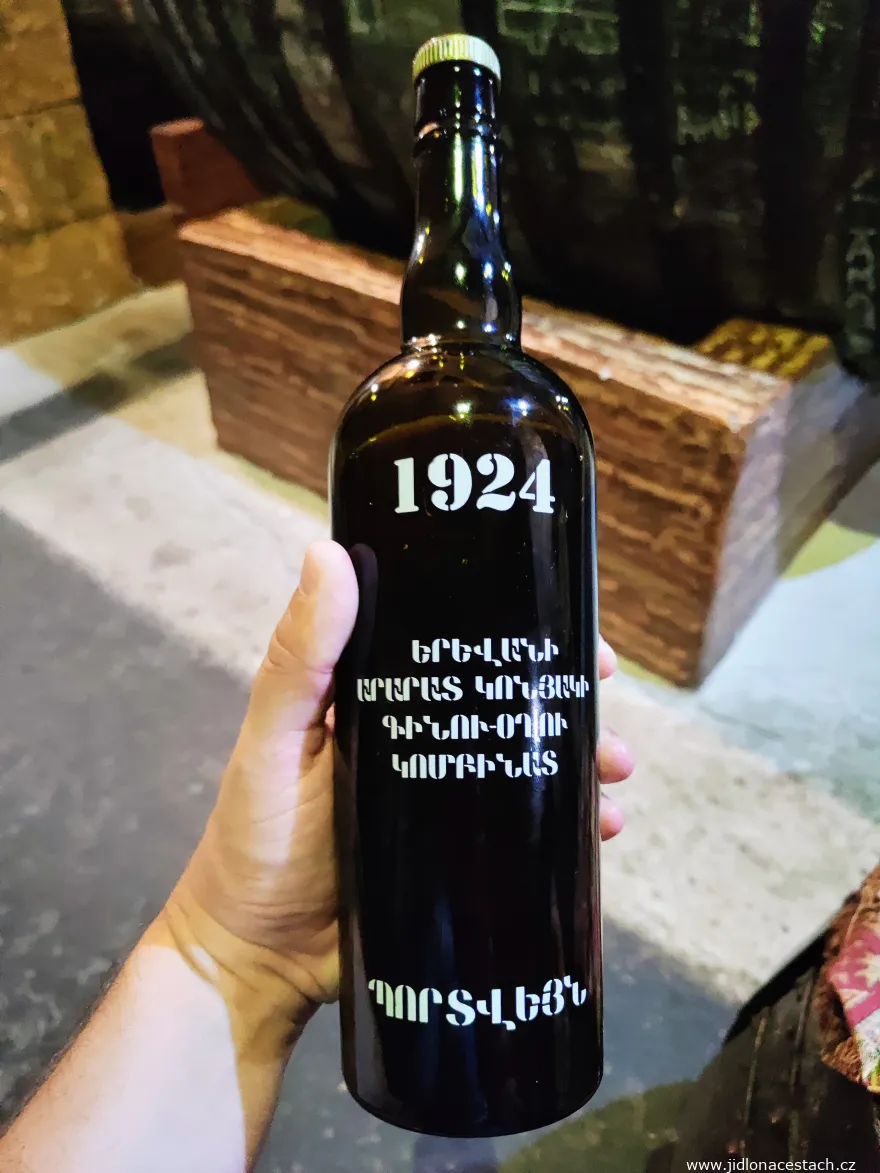
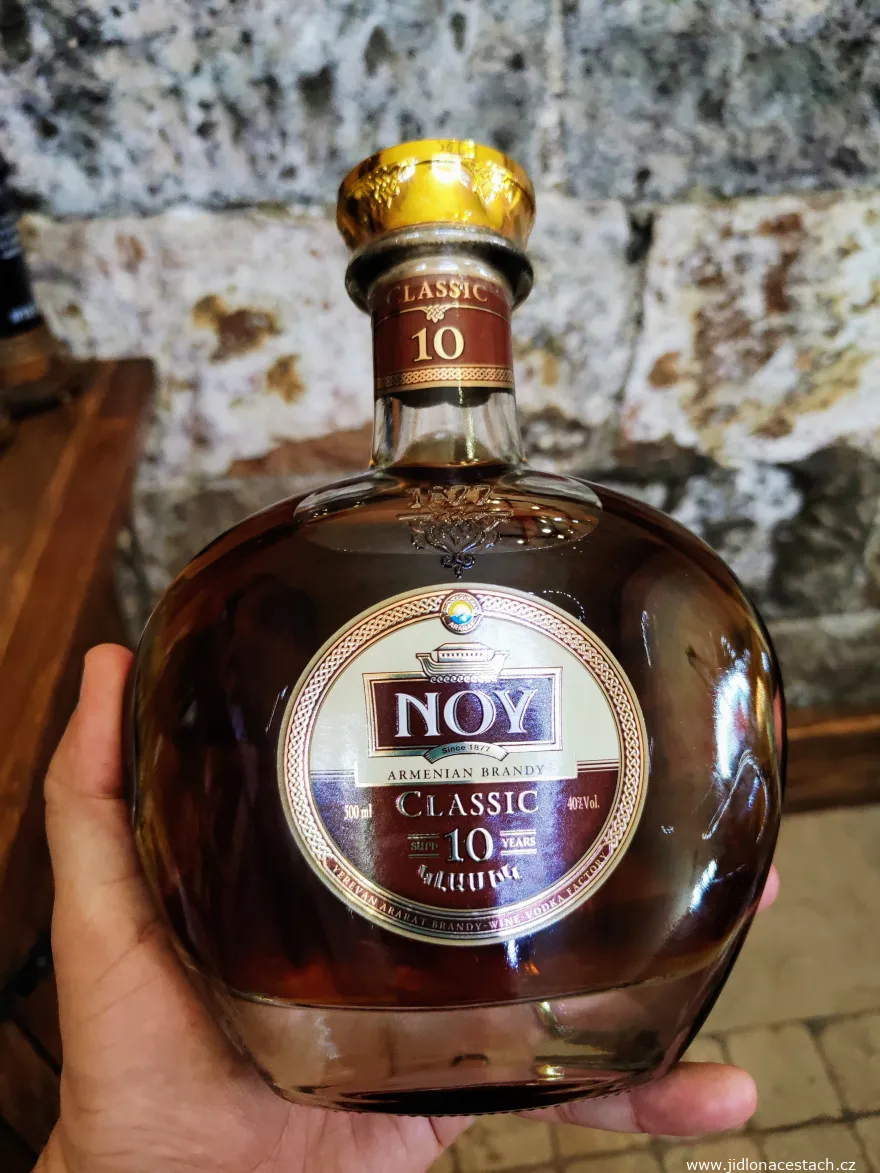
I did both Ararat and Noy in Yerevan on the same day - they stand close to each other, and I ended up comparing them whether I wanted to or not (see Where to Eat in Yerevan). At Ararat you can tell it has a Western owner: a modern museum full of interactive screens. Noy runs its tour the old way - a guide, a cellar, a barrel, a bottle in your hand. At Noy I went for the most expensive option, 15,000 AMD (36 EUR), and down in the cellars they poured me fortified wines from 1913 and 1924, a port-style drink like the ones I'd drunk in Porto itself. I'd still take the real thing. The brandy came right at the end: the ten-year Classic, lighter and with a sharp edge, and the twenty-year Classic, darker, thicker, with dried apricot and a finish that lasted longer than I expected. If I went again, I'd take the cheaper tasting - the expensive one is mostly paying for the archive wines (and those convinced me that port is simply meant to be drunk in Porto).


Noy Factory


