Baked Goods
Bread is baked in just about every country in the world, yet it hardly ever tastes the same. Baked goods are also the most affordable way into a local cuisine - they cost pocket change and are often made right before your eyes. Ever since Covid I've been baking sourdough bread at home practically every week, so bakeries draw me in all the more when I travel. And the best of the lot? A French baguette, freshly baked and still warm. The French are masters at this, and I'll never hear a word against their baguettes.

French Croissants and Italian Cornetti
Croissants mean holiday breakfast to me. Italians call them cornetti and, besides the classic, fill them with all sorts of things - the pistachio ones are my favorite, don't miss them. The cornetto in the photo is from Venice, from a cafe tucked away a few alleys off the tourist trails. I took my friends there right after we landed, before we headed out to a nearby island - it was a hit and we didn't feel much like leaving.

Bread Doesn't Have to Be a Loaf
In Europe, bread means a loaf with a crust and a fluffy crumb. In the Middle East and a good part of Asia and Africa, though, the word bread refers to flatbread. The dough, usually unleavened or only briefly risen, is stretched thin and baked in a few minutes at high heat. At the table, flatbread often stands in for cutlery - you tear it and scoop up your food with it. And the ovens these breads are baked in are a chapter of their own.
Breads from the Tandoor, the Tonir, and Hot Pebbles
Iranian sangak caught my attention most in this category. The whole-grain dough is stretched over a wooden paddle and baked directly on hot river pebbles. In the bakery where they happily let me take photos, three bakers took turns at the oven, and the finished breads cooled hanging on a hook. The most common Iranian bread, taftoon, is often simply wrapped in cloth and delivered around town by motorbike while still warm.


In Iraq I grew fond of samoon - the national bread shaped like a boat, with crispy tapered tips and a soft, wider middle. Bread there is seen as a gift from God and is never thrown away. North Africa is ruled by khobz; the Moroccan kind reminded me of our sourdough bread in texture.
Armenians bake lavash in a clay oven called a tonir sunk into the ground: they stretch the thin dough over a cushion stuffed with hay, and the whole craft has been on the UNESCO intangible heritage list since 2014. In Central Asia, no table is complete without tandyr nan - it's never cut with a knife; out of respect for the bread, it's torn by hand. I bought one hot straight from the baker at Orto Say Bazaar in Bishkek; it was perfect.

Challah for Shabbat, Simit for Tea
In Israel I bought challah at a local bakery before Shabbat. The festive braided bread is similar to the sweet braided loaf we bake back home for Christmas, but it struck me as noticeably moister, and all the more interesting for it. In Jerusalem, pair it with the elongated sesame-coated bagel - it's sold at every gate of the Old City, but I'd advise wandering into the alleys and buying it straight from one of the small bakeries.
Turkish simit has been baked since the 16th century, and the street vendors called simitçi are still part of the scene today. The sesame ring is dipped in grape molasses before baking and tastes best with tea - and being in Turkey without tasting a freshly baked simit is simply not an option.

The Balkans are a powerhouse of filled pastries; my favorite version of Albanian byrek is the one with tomatoes and onions, washed down with the yogurt drink dhallë. I also came across some unusual baking there, like the cornbread bukë misri or the unleavened kulaç. In the Romanian city of Iași I fell in love with the pretzels called covrigi. And in Poland, don't skip the bagel: it was born in 17th-century Jewish Krakow, and only from there did it conquer New York.
Breads with a Pedigree
Southern Italy takes bread seriously - officially, even. Altamura bread, made from semolina, became the first bread in Europe to earn a protected designation of origin, in 2003. I bought mine right in Altamura at the Di Gesu bakery, founded in 1842; the elderly gentleman behind the counter didn't speak a word of English and made up for it with all the more heartfelt effort. The neighboring bread from Matera, with its crown of three peaks that locals say echoes the surrounding Murgia hills, is recognizable by shape at first glance. And from Sardinia I remember the paper-thin, crispy pane carasau.
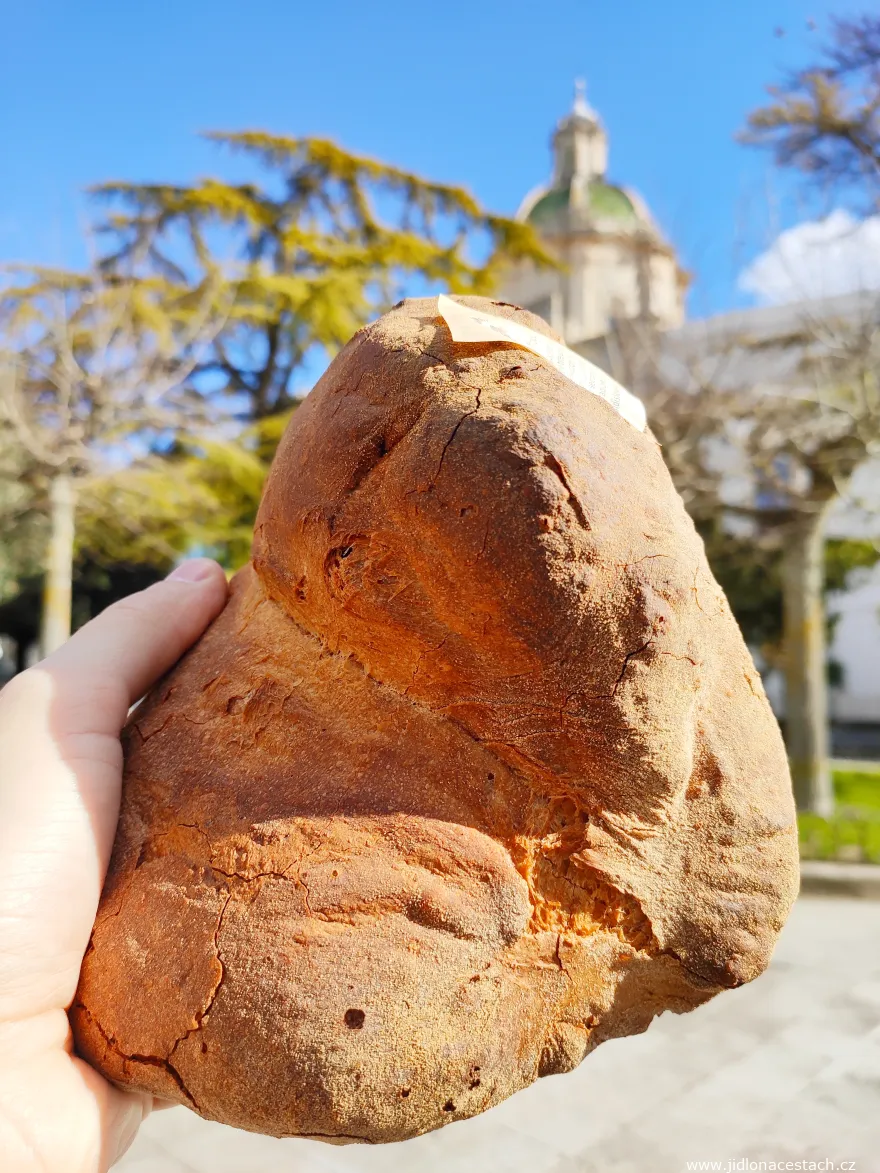
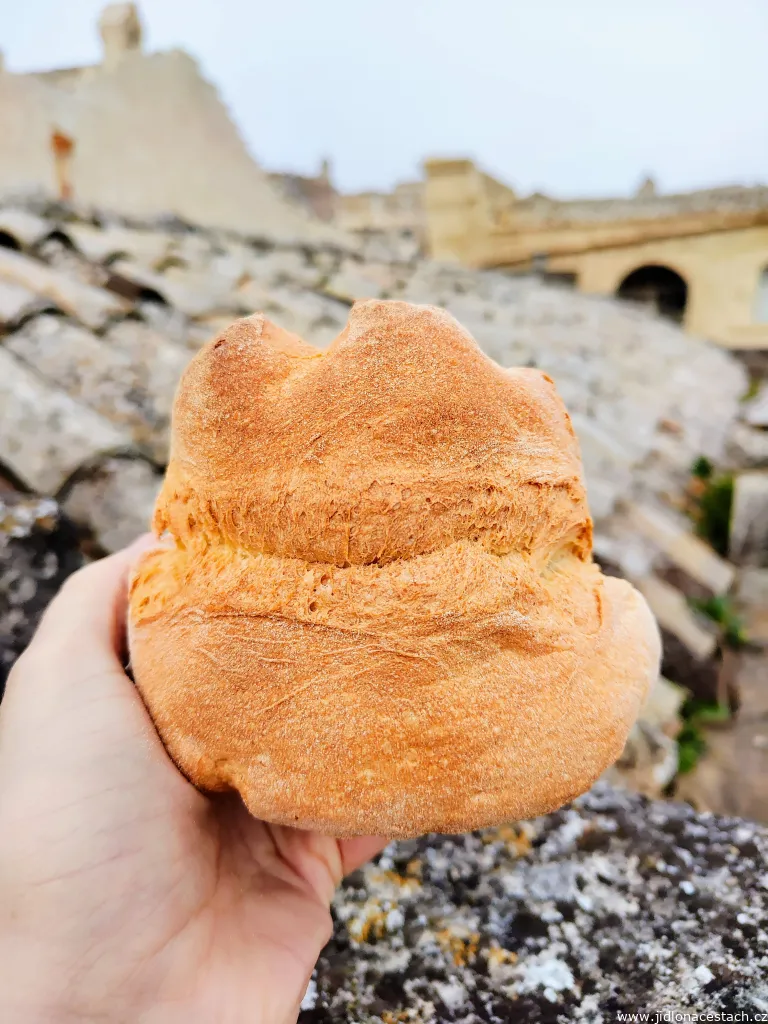
Swiss bakeries won me over with the Silserkranz, a wreath of rolls you tear off one by one, each tasting like a pretzel - a delicacy! The pretzel, usually associated mainly with Germany, is in fact just as much at home in Switzerland and France.
Bakeries: My Favorite Stops
Bakery moments are among the fondest things I bring home from my travels. In Jerusalem, two bakers showed me their entire modest workshop and threw in a gift with my bagel: za'atar wrapped in yesterday's newspaper. In Iran, I tried to buy bread from bakers many times, but they never let me pay (yes, I know about taarof!). And a baker's work is incredibly hard. So to bakers everywhere - let me at least say thank you here! ❤️
And which bread from your travels has stuck in your memory?



Burek: The Breakfast You Find All Over the Balkans
Burek belongs to the whole former Ottoman world, from Turkey across the Balkans to Tunisia, and in every country it has a different name and different rules about what can go inside. In North Macedonia it's breakfast: a huge round tray of layered pastry with meat or cheese, cut into quarters, with a cup of yogurt on the side. Why Albania hands it to you and Skopje puts it on a plate, and what Sarajevo and Niš keep arguing about.

Banica: A Balkan Filled Pastry from Hand-Stretched Phyllo
Banica belongs to the Balkan family of pastries built from paper-thin sheets of dough: crumbled white cheese with egg goes between them, often leek or spinach too, at home it is layered in a tray like a savory pie, in bakeries it is coiled into a roll. In North Macedonia the home version is called zelnik, bakeries sell it by the piece as banička, and it is eaten for breakfast with sour milk or ajran.

Kroasan so Kaškaval: Croissant with Cheese from Balkan Bakeries
Kroasan so kaškaval is a croissant with yellow kaškaval cheese, the way bakeries sell it across North Macedonia and the rest of the Balkans - filled inside or piled with grated cheese on top. It arrived in Macedonian bakeries as a modern breakfast alongside traditional burek, and in it Viennese-French pastry meets Balkan cheese.

Lisnato: Puff Pastry Baked Goods
In Macedonian bakeries, lisnato is the catch-all name for anything made of puff pastry - the word simply means "leafed" and every baker picks the filling, from cheese and ham to sour cherries. Bakeries all across the Balkans and further into Europe bake the same dough.

Lepinja: A Balkan Yeast Bread for Kebapi
Lepinja is a round flatbread made from yeasted dough, served warm in North Macedonia alongside kebapi and other grilled meats. The name is Macedonian and Serbian, but the bread itself belongs to the whole Balkans: in Bosnia it's called somun, and in Turkey its closest relative is the festive ramazan pidesi. In kebapčilnicas it sits in stacks on the counter, and nobody orders it - it just shows up.

Samoon: Iraqi National Bread
Samoon is the Iraqi national bread. This bread is characterized by its unique shape resembling a diamond or a boat; it is crispy on the surface and soft and fluffy inside.

Byrek: Traditional Balkan Savory Pastry
Byrek is a traditional Balkan pastry filled with various savory fillings. It originates from Ottoman cuisine, from where it gradually spread to many countries. The most common fillings are white cheese, minced meat, spinach, or tomatoes with onions. Byrek is prepared in different shapes. In Albania, it is eaten as fast food, breakfast, a snack, or a light lunch.

Petulla: Albanian Fried Pastry
Petulla is a traditional Albanian fried pastry made from a simple dough shaped into small balls or patties. In Albania, petulla is served mainly for breakfast. They go perfectly with Balkan white cheese, fruit jam, honey, yogurt, or chocolate spread. Thanks to the option to serve them savory or sweet, petulla ranks among the most versatile and popular Albanian homemade breakfasts.

Bukë Misri: Albanian Corn Bread
Bukë misri is a traditional Albanian corn bread. This hearty, slightly sweet bread with its typical yellow color became part of the Albanian diet in the 17th century, when corn spread to areas where wheat was not commonly available.

Kulaç: Traditional Albanian Unleavened Bread
Kulaç is a traditional Albanian unleavened bread, which is one of the oldest types of bread in Albanian cuisine. It is made without sourdough, yeast, or any leavening agents, giving it its characteristic dense texture. Most often, it is baked over an open fire, on a hot stone, or in a traditional oven called çerep.