Swiss Beer
In 1990 there were 32 breweries in Switzerland. Today there are more than a thousand, and no country in the world has more per capita - not Belgium, not Germany, not Czechia.
Swiss beer looks unassuming on the shelf: pale lagers, unfiltered cellar beers and craft labels that multiply every year and are barely known outside Switzerland. The explanation for that thirtyfold jump comes down to one word: cartel.
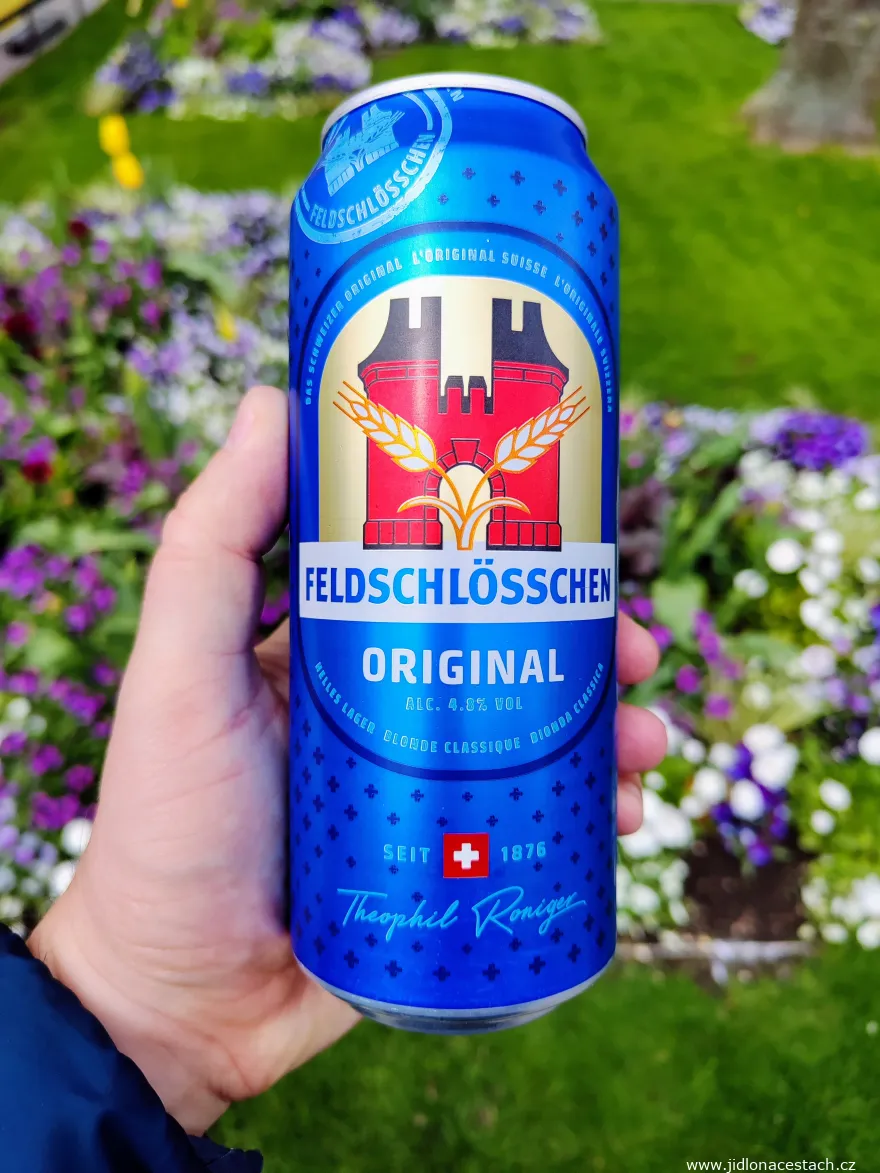
Feldschlösschen: The Castle a Brewmaster Built Himself
The country's biggest name is brewed in Rheinfelden near Basel. The Feldschlösschen brewery - literally "the little castle in the fields" - has been brewing since 1876, when brewmaster Theophil Roniger and farmer Mathias Wüthrich got it going, and the name probably wasn't describing any actual building - it was a plan: Roniger had the factory buildings put up in castle style, even though the shareholders thought it needlessly expensive. Today the site is a listed monument and the castle no aristocrat ever lived in brews roughly one in every three liters of Swiss beer; since the turn of the millennium it has belonged to Denmark's Carlsberg.
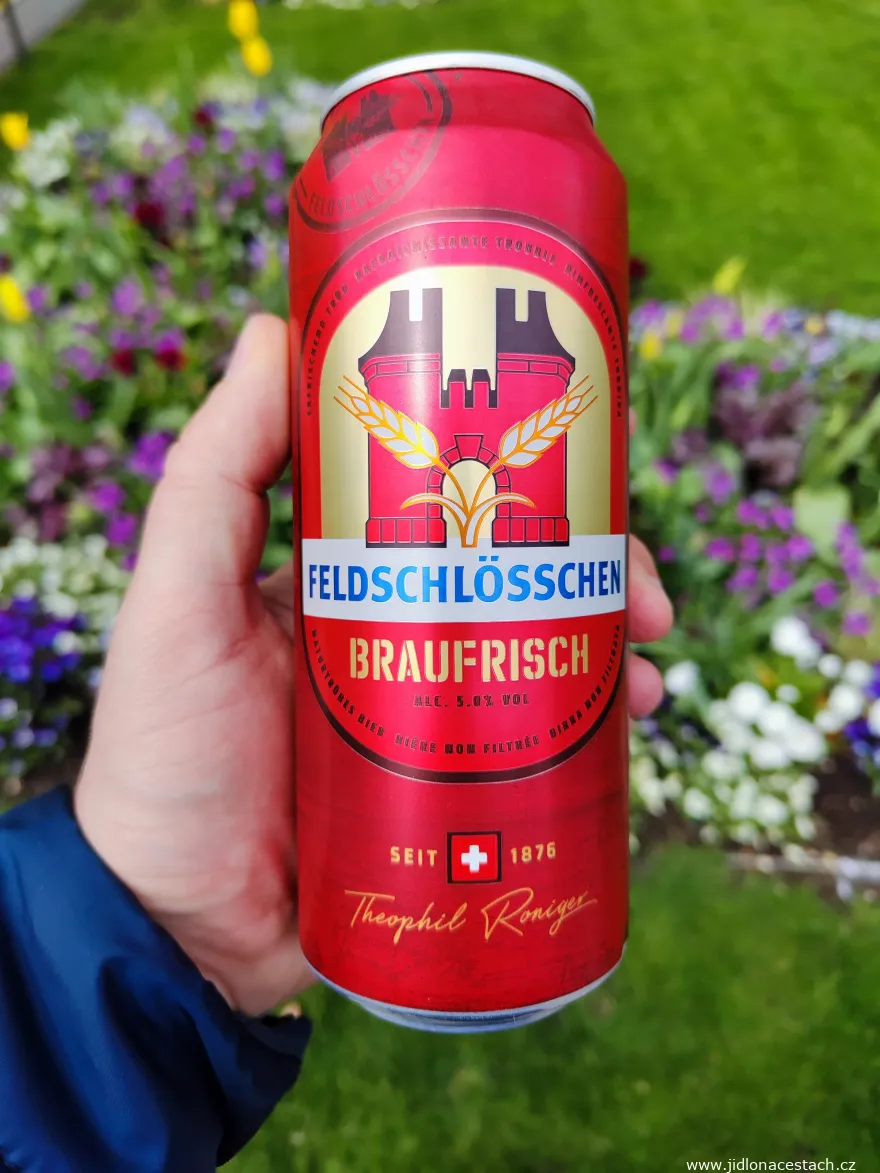
The flagship is Feldschlösschen Original, a pale lager, gently malty, discreetly hopped, a style it shares with Germany and Austria. The more interesting one is Braufrisch: an unfiltered, unpasteurized cellar beer, hazy and bready, which the brewery itself recommends with mountain cheeses like Tête de Moine.
The Cartel That Banned Pilsner
There's a simple explanation for those 32 breweries in 1990. From 1935 on, Swiss beer was run by a cartel: the breweries carved the country up into sales districts, agreed on prices and kept imports down to one percent of the market. The rules dictated what could be brewed, too - the Pilsner style was effectively banned in Switzerland, so the country developed a substitute of its own: Spezial hell, less bitter, stronger and fuller than a German pilsner. The one genuinely Swiss beer specialty was born not out of tradition, but out of a regulation.
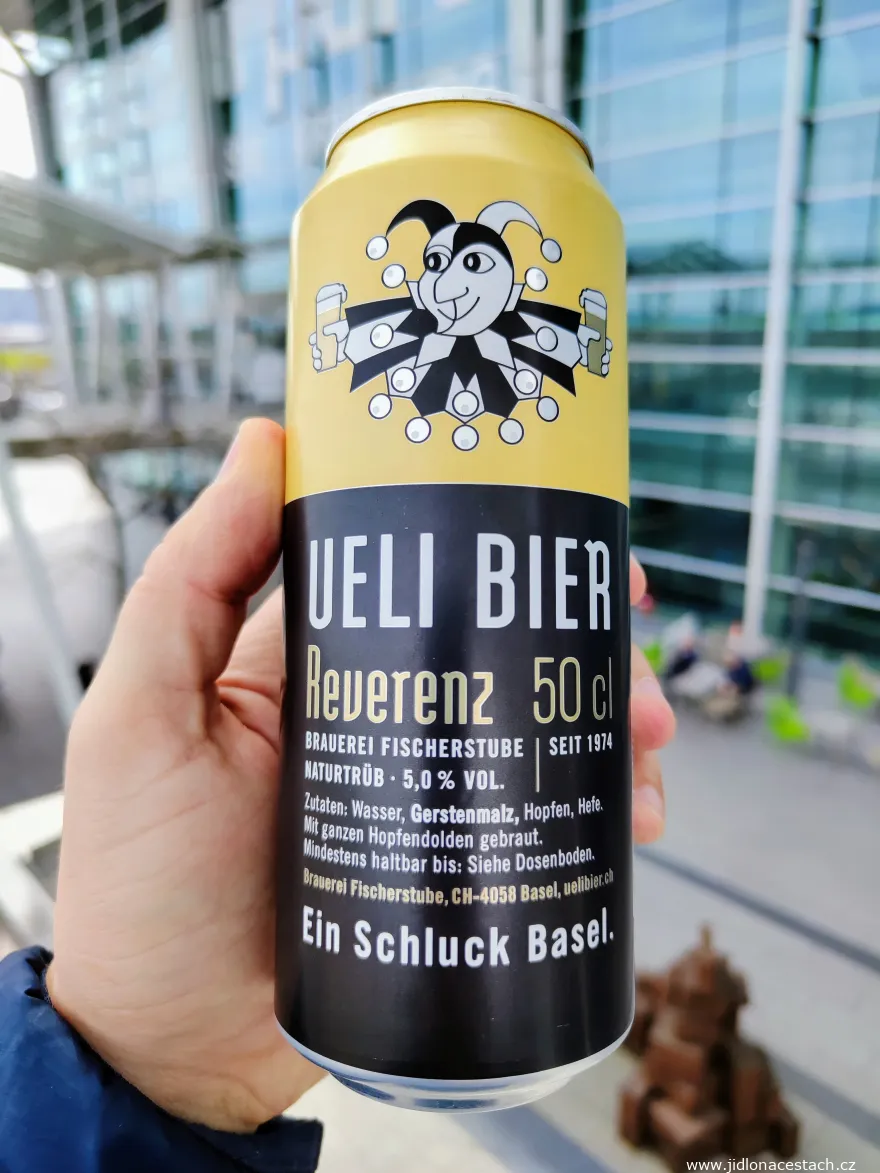
The first crack in the system came from a Basel doctor. Hans-Jakob Nidecker bought an empty pub, the Fischerstube in Kleinbasel, in 1974, only for the Warteck brewery to refuse to supply him because of the cartel. So Nidecker built a brewery right inside the pub - and Switzerland's first brewpub was born, seventeen years before the cartel fell. He named the beer Ueli after the jesters of Vogel Gryff, the Kleinbasel festival, and his unfiltered Reverenz is still brewed on the bank of the Rhine to the original recipe - if you're in Basel, you can drink it right in the Fischerstube, a few steps from the tanks where it ferments. The cartel fell in 1991, and today's thousand breweries are its epitaph.
What Chopfab Really Means
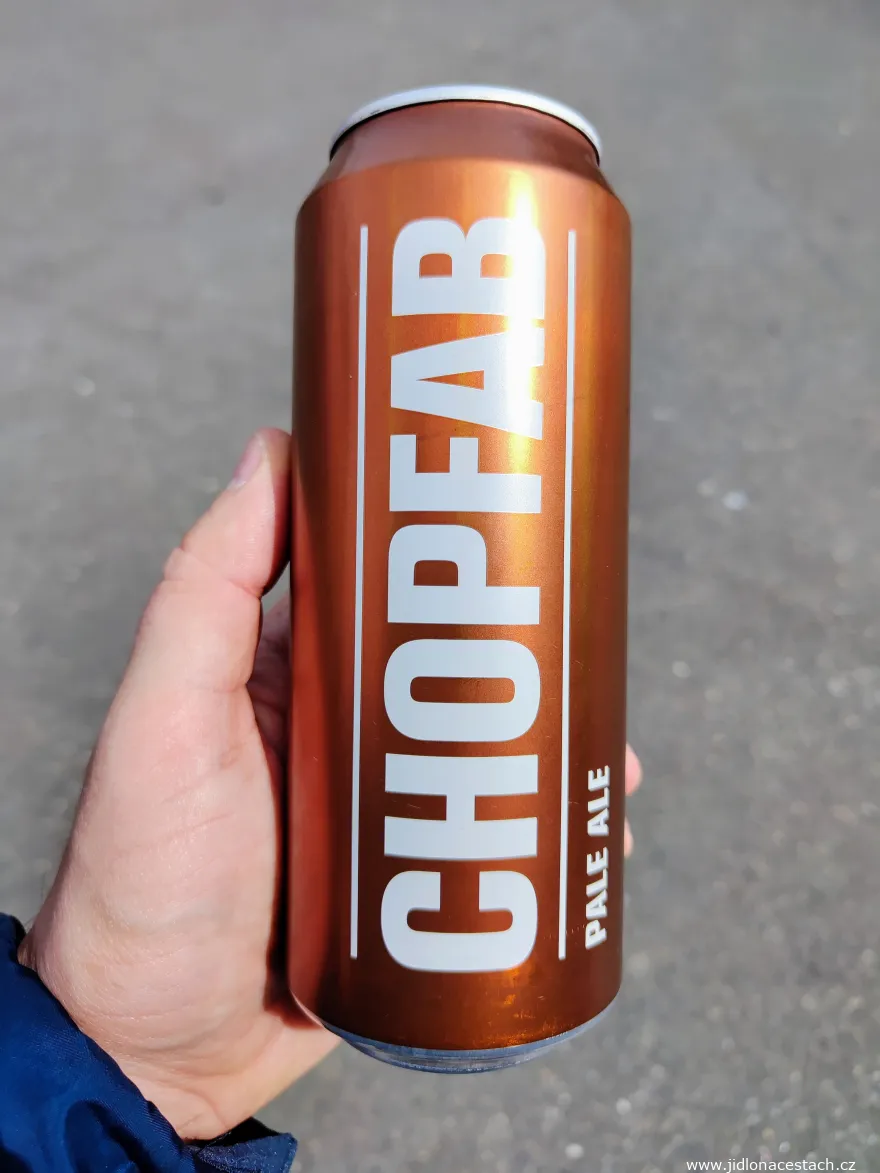
The craft wave that rose once the cartel was gone is led today by a brand from Winterthur. Engineer Philip Bucher and manager Jörg Schönberg started brewing Chopfab in 2013 in a former gasworks building, and their company is now the biggest craft brewery in the country; they brew pale ale, IPA and wheat beer - styles no more Swiss than pilsner, except that nobody ever banned them. And the name: an earlier version of this text translated it as "top hat". In fact Chopfab is Swiss German for "Kopf ab" - head off: what happens to a beer when the cap comes off. The Winterthur crowd like to throw in a legend about the beheaded patron saints of Zurich and Winterthur, but on the shelf it's the cap that wins.
A Tasting from Four Cans
I tasted my way through Swiss beer from cans: the two Feldschlösschens cost about 2 CHF (2 EUR) each, a half-liter of Chopfab 2.20 CHF (2.20 EUR) and the Ueli Reverenz 2.30 CHF (2.30 EUR). The Original tasted exactly as the label promised - clean, gently malty; Braufrisch was softer and yeasty-bready, the Reverenz fuller, with the bite you get from an unfiltered beer. And then came the Chopfab. I prefer wine, but Swiss beer struck me as very well made - and the IPA from Chopfab was downright excellent.


