Swiss Chocolate
For a chocolate superpower, Switzerland has one glaring flaw: not a single cocoa tree grows there. All of its cocoa, more than 140,000 tons a year, is shipped in from the tropics, over half of it from Ghana. And chocolate itself isn't a Swiss discovery either - Swiss diplomats like to point out that the recipe for a hot chocolate drink was carried home from Brussels in 1697 by the mayor of Zurich, that is, from the capital of the very country Switzerland now battles for the chocolate throne. But the history of food doesn't run on raw materials. It runs on ideas.
Swiss chocolate (at home nobody calls it anything but Schoggi) isn't one recipe but a whole industry built on two inventions from the end of the 19th century, the two that turned Swiss cooking into the rest of the world's shorthand for chocolate. Both inventions have exact names and addresses - and one of them a company legend to boot.
Two Neighbors in Vevey and Milk in the Chocolate Bar
The first invention began as a bit of neighborly cooperation. In Vevey on the shore of Lake Geneva, Daniel Peter ran a chocolate works, and just down the road Henri Nestlé was making Farine Lactée, an infant milk formula. Peter had spent years looking for a way to get milk into chocolate; what finally cracked it was his neighbor's condensed milk, with most of the water taken out. And so in 1875 the first commercially successful milk chocolate was born in Vevey. The flavor every child knows from behind the little doors of an advent calendar is therefore half confectionery, half baby food. For the record, the very first attempt probably belongs somewhere else: the Dresden firm Jordan & Timaeus advertised a chocolate made with donkey milk as early as 1839, but nobody followed it up and it stayed a curiosity. And one small domestic drama on top of that: rival Cailler claims the credit in its own ads, so the argument over who invented milk chocolate isn't one Switzerland has with the outside world - it's one it has with itself.
Why Swiss Chocolate Melts in Your Mouth
The second invention came four years later and one canton away. In 1879 Rodolphe Lindt opened a small chocolate works in Bern and built a machine there called a conche: a trough in which the chocolate mass is kneaded and warmed for hours on end, and for dark chocolate for days. The moisture falls below one percent, the volatile acids evaporate, and the coarse, crumbly mass suddenly becomes chocolate that melts in your mouth - the texture the whole world now takes for granted. The company legend says forgetfulness was behind the discovery: the machine supposedly ran all weekend by mistake with nobody watching, and by Monday the mass was silky. There's no proving it, but the firm still tells the story to this day - and in 1899 the Sprüngli family of Zurich paid 1.5 million gold francs for the factory, the brand and the secret recipe. Lindt & Sprüngli has sat in Kilchberg on Lake Zurich ever since and now conches for the entire chocolate world; Bern kept the claim to being first.
How Much Switzerland Has to Be in the Chocolate
Since 2017 the word "Swiss" on the wrapper has been guarded by a law known as Swissness. The milk has to be Swiss down to the last drop and the other ingredients at least 80 percent - except for the ones that don't grow in Switzerland. An elegant loophole: the single most important ingredient doesn't grow in the country at all, so the cocoa can be Ghanaian from start to finish, as long as the chocolate is made at home. Swiss chocolate is Swiss by processing, not by origin - and holding that against it makes about as much sense as telling an espresso that coffee doesn't grow in Italy.
Toblerone showed just how seriously the law is taken. When production of the small bars moved to Slovakia at the end of 2023, the brand lost the right to the words "of Switzerland" - and the Matterhorn had to go from the wrapper too, replaced by a generic, nameless peak. Main production never left Bern, and the company later expanded it there instead, so the Swiss cross came back at least to the bars made in Bern.
Tourists Buy Toblerone. What Do the Swiss Buy?
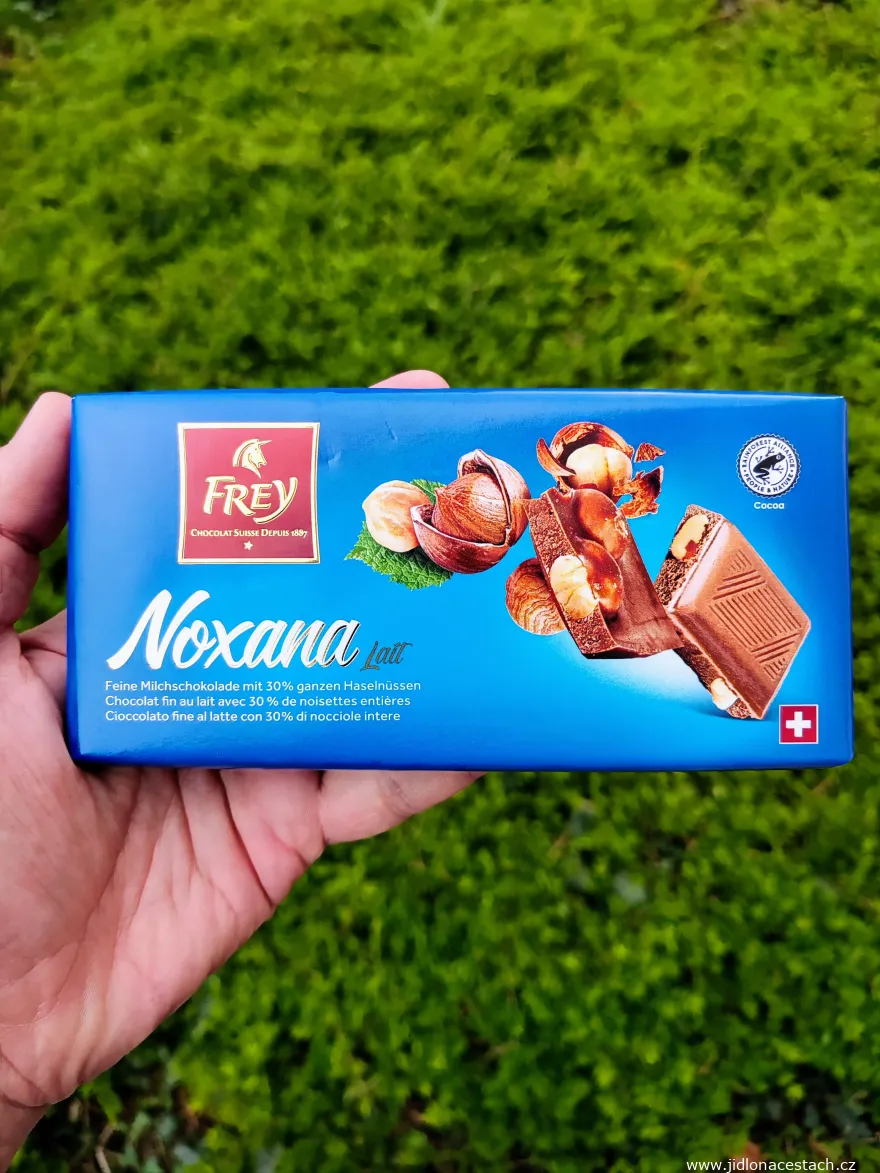
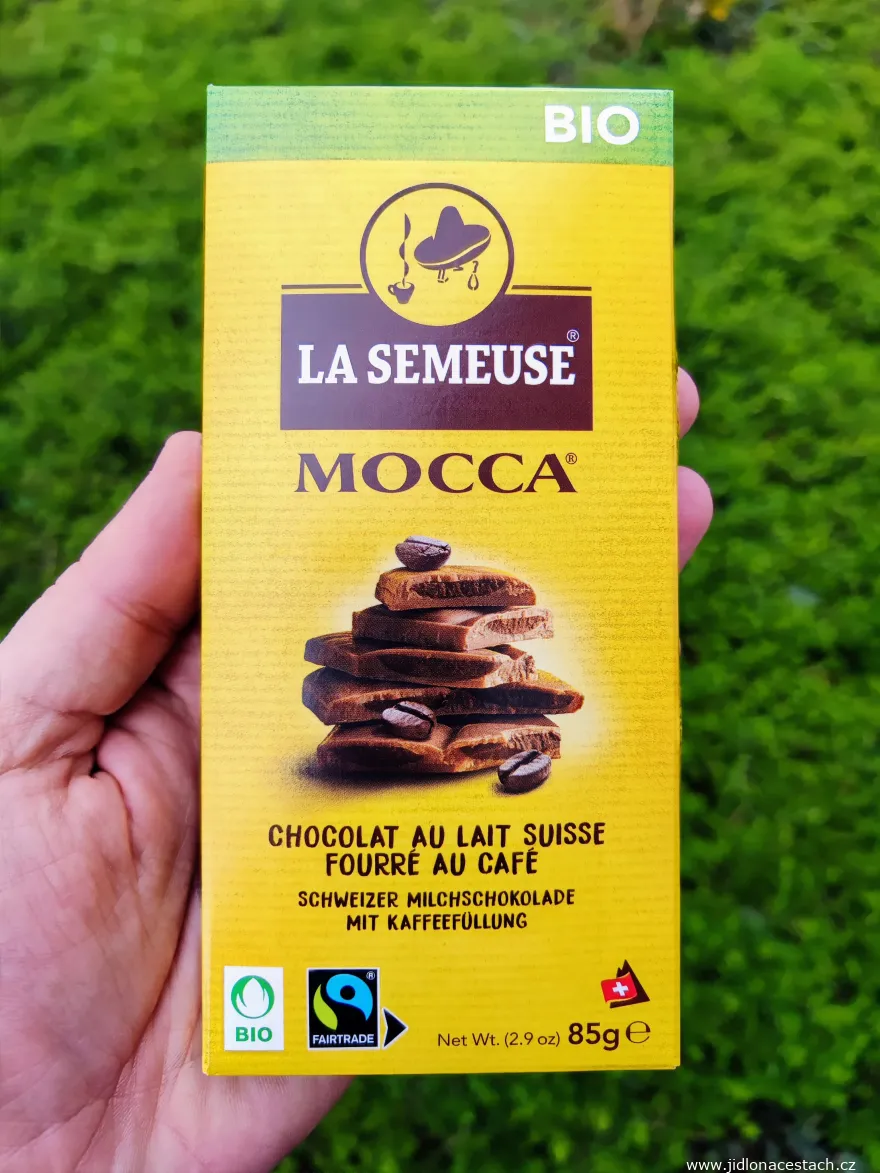
A tourist reaches for Toblerone or for Lindt; the local shopping basket looks different. Two brands almost nobody knows outside the country belong to the two biggest retail chains there - Frey to Migros and Halba to Coop. Swiss chocolate is at its cheapest on the shelf between the yogurt and the muesli: an ordinary bar starts at 2 CHF (about 2 EUR) - and the Swissness rules apply to it just as strictly as to the chocolates in the shop windows. At the other end are chocolatiers like Läderach or Sprüngli in Zurich, where a box of chocolates can easily run to hundreds of euros. And in between, the oddities: La Semeuse, a coffee roastery from the watchmaking town of La Chaux-de-Fonds, fills milk chocolate with its own Mocca coffee blend - and sells its coffee a second time that way. Chocolate also tops the list of what to bring back from Switzerland; bakeries in Basel, for instance, even bake it into sweet rolls called schoggiweggli.
The competition, meanwhile, has staked out turf of its own. Belgium bet on the praline, a filled chocolate shell from Brussels - although the founder of the most famous praline dynasty there, Neuhaus, was a Swiss pharmacist who had emigrated, which makes the endless friendly quarrel between the two countries over the best chocolate something of a family row. France takes the terroir route: Valrhona talks about cocoa the way winemakers talk about wine, in varieties and Grand Cru. And the Swiss hold on to the one discipline nobody will overtake them in: they eat more than 10 kilos of their own chocolate per person a year, more than anyone else in Europe - even if consumption has been slipping a little lately as cocoa gets more expensive. Chocolate here isn't a holiday treat, it's a regular item on the weekly shopping list.
Milk, Hazelnuts and Coffee
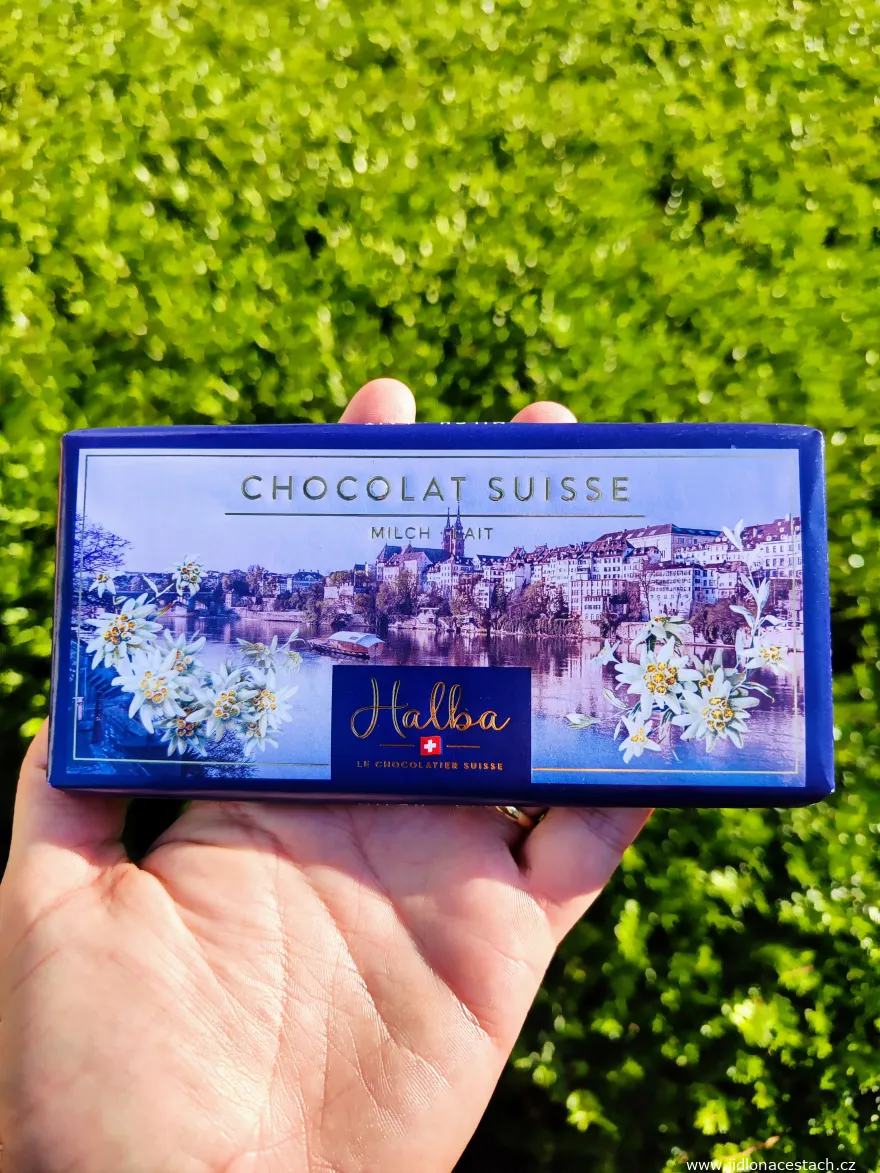
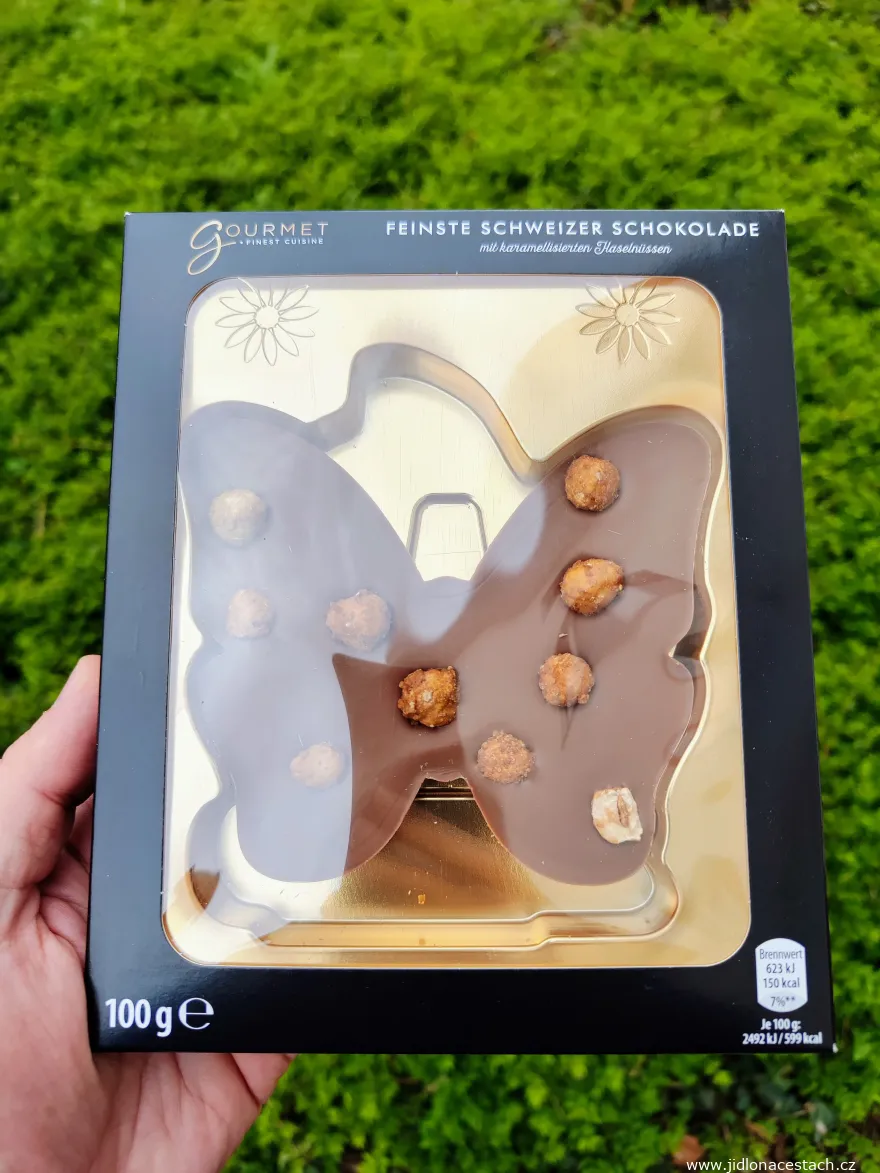
I brought four pieces home from Switzerland: a Halba milk bar with old Basel on the wrapper, Frey Noxana with whole hazelnuts, the coffee-filled La Semeuse Mocca and a chocolate decoration studded with caramelized nuts. The plain Halba milk chocolate won me over the most - exactly the smoothness that Lindt's machine once ran all weekend for: no grit, just a slow melt. The hazelnuts in the Noxana were whole, not crushed, and cracked with every bite; the Mocca smelled of coffee long before I got to the filling, and its bitterness cut pleasantly through the milky sweetness. The caramelized nuts were more of a feast for the eyes than for the teeth. Still no cocoa tree grows in Switzerland - but by your second bar you won't be thinking about that.


