Turkish tea (Türk çayı) is a strong, dark red drink made from black tea. Tea in Turkey determines the rhythm of the day, tea is a reason to pause, tea is an essential gesture of hospitality that you cannot escape here.
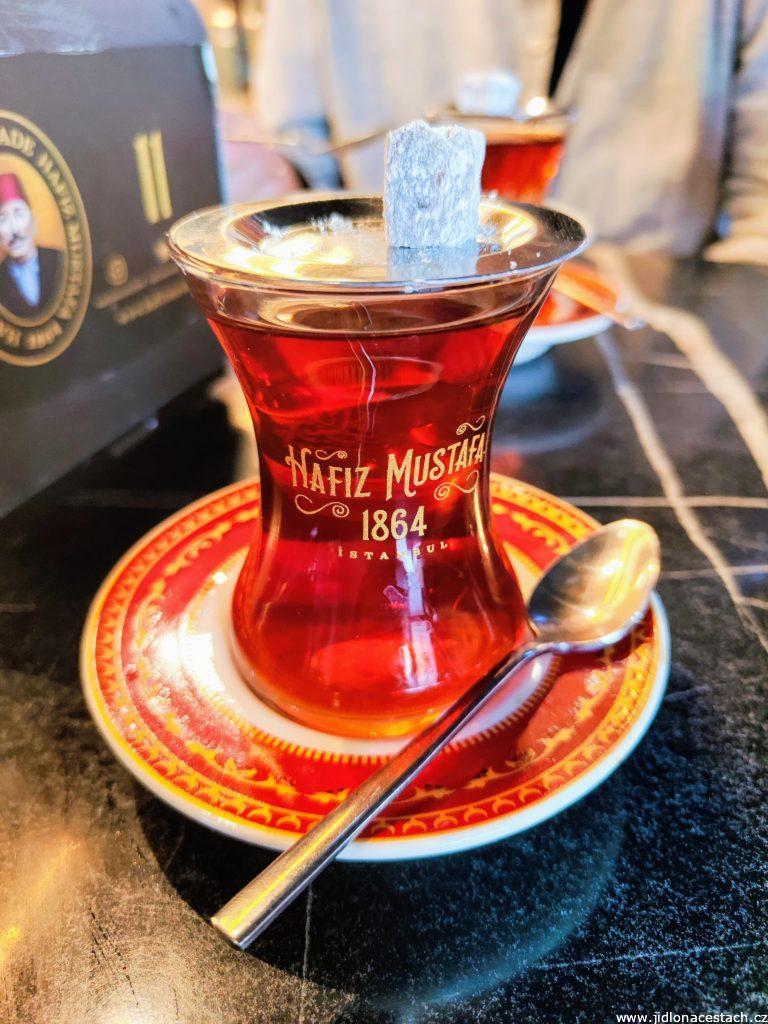
Unlike the delicate tea rituals of East Asia, Turkish tea is robust; it is drunk hot even in the greatest summer heat. It is served in small tulip-shaped glasses, which highlight its clear, mahogany color, which locals fondly call “tavşan kanı” – rabbit’s blood.
Although most of the world thinks of the famous Turkish coffee when the country’s name is mentioned, the reality on the street is different. Coffee is a “special occasion, a dessert”. Tea is water, air, and fuel.
This shift has historical roots in Turkey. After the fall of the Ottoman Empire and the loss of territories from where coffee was imported (such as Yemen), this commodity became expensive and scarce. The young republic needed a self-sufficient alternative. The humid, rainy slopes of the Black Sea region around the city of Rize proved ideal for growing tea plants. The government supported production, and within a few decades, Turkey became a tea superpower. Today, Turkey is one of the largest consumers of tea per capita in the world, far ahead of Great Britain.
In Turkey, tea is drunk by construction workers, bankers in skyscrapers, and grandmothers on their porches.

The preparation of Turkish tea requires special cookware called a çaydanlık. It is a double teapot where one sits on top of the other. Water is boiled in the lower, larger part. In the upper, smaller pot are loose tea leaves, which are first “awakened” and heated only by the steam rising from the lower vessel. Only when the water below boils are the leaves on top poured over, and the heat is turned down to a minimum. This creates a strong concentrate called “dem”. In the upper pot, the tea does not boil vigorously but steeps in the heat until the leaves sink to the bottom. The result is an extract that would be almost unpalatably bitter on its own.
Tea is poured into typical glasses with a narrow waist. This shape is not an ancient Ottoman legacy, as many think, but became popular only in the 1950s. The reason was simple: glass was cheaper than porcelain, and the tulip shape keeps the drink hot in the lower part for a long time, while the flared rim allows the tea to cool down faster so you don’t burn yourself. The host pours a little of the strong concentrate (dem) and tops it up with boiling water from the lower pot according to the guest’s taste – either “açık” (light, weaker) or “koyu” (dark, strong).

This whole ecosystem is complemented by men called “çaycı”. They are carriers who deliver tea to bazaars, offices, and shops with incredible skill. To do this, they use a silver tray suspended on three chains with a handle at the top, which acts like a pendulum. Thanks to centrifugal force and physics, they can swing the tray, and the tea will not spill even in the crowded throng of the Grand Bazaar.

How about you and Turkish tea? Does it win for you, or are you more of a proponent of local coffee?
I cannot imagine any visit to Turkey without tea.
Cheers!
🇹🇷 Discover the magic of Turkish cuisine with my newsletter! Subscribe and get a free comprehensive guide that will reveal all the secrets of Turkish dishes and drinks.