

When one mentions Turkey and alcohol, most people automatically think of the clinking of glasses with anise-flavored raki at a table groaning under bowls of meze, or perhaps a dewy bottle of Efes beer on a beach in Antalya. Wine usually comes in third place, which is paradoxical, because Anatolia is historically considered one of the cradles of winemaking. Vines have been cultivated here for thousands of years, long before the first bushes appeared in Bordeaux or Tuscany.
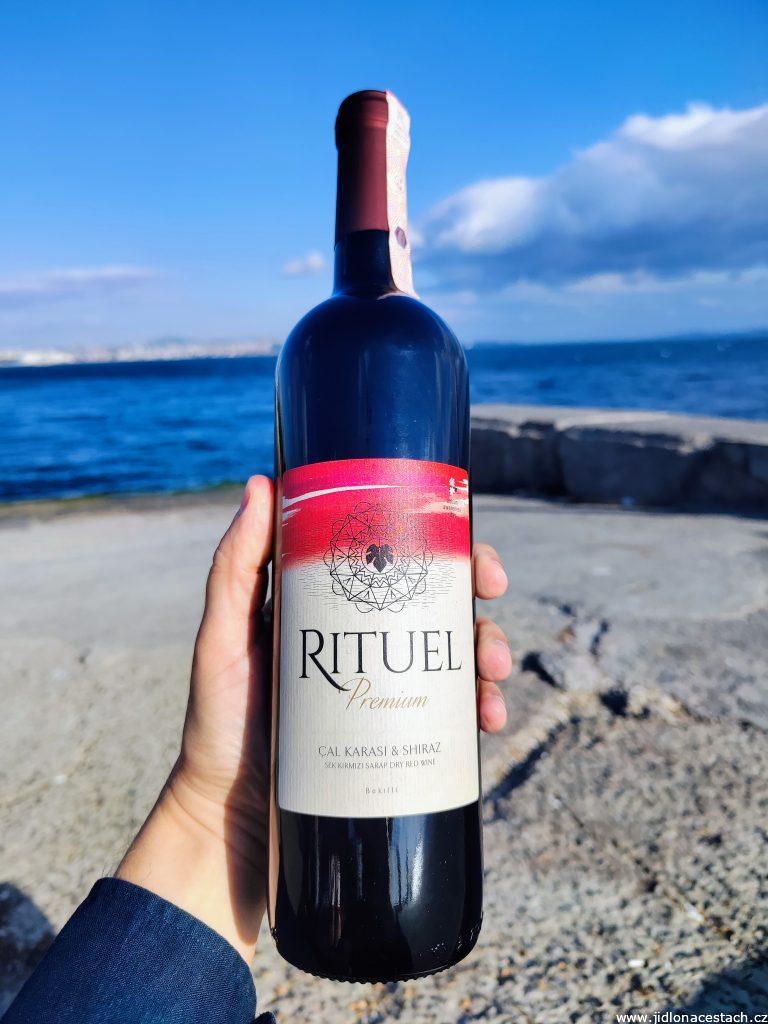
Turkey is a huge country with an incredibly varied terroir, which is reflected in the character of the local wines. It is not a uniform style, but rather a mosaic influenced by the climate, which changes from Mediterranean heat to harsh continental conditions inland. The main wine regions are scattered throughout the country, but a few stand out. Thrace on the European side by the Sea of Marmara is probably the best known and most accessible. Thanks to the proximity of the sea and the milder climate, international varieties like Cabernet Sauvignon or Merlot thrive here, but they take on a specific, spicier touch. Conversely, the Aegean region around Izmir and Denizli produces about half of all Turkish wine. It is warm here, but the vineyards often lie at higher altitudes, which helps the grapes maintain acidity and freshness. And then there is Cappadocia in Central Anatolia. Volcanic soil, hot summers, and freezing winters give rise to wines with distinct minerality and firm structure that you won’t mistake for anything else.
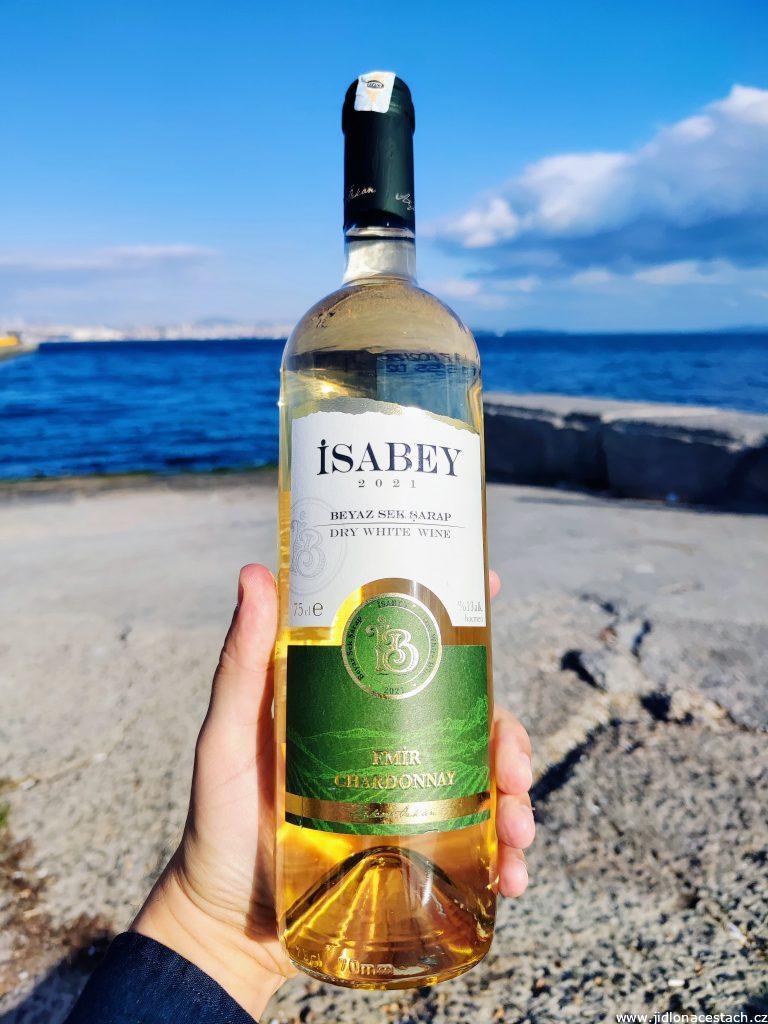
Turkey has hundreds of local varieties, but only a few dozen are used for commercial production. The king of red wines is the Öküzgözü variety. The name translates as “ox eye”, referring to the size and dark color of the berries. It yields medium-bodied wines, plenty of juicy red fruit like cherries or raspberries, and pleasant acidity that makes it a great partner for lamb or eggplant dishes. It is often blended with another autochthonous variety, Boğazkere. Boğazkere has massive tannins, is rough, dark, and needs time to soften. Among white varieties, Narince from the Tokat region is worth mentioning, resembling a fuller Chardonnay with notes of citrus and white flowers, and Emir from Cappadocia, which is a fresh, mineral wine that drinks great with fish or fried calamari.
Wine in Turkey is perceived more as a drink for the urban middle and upper class, often associated with dinner in a restaurant. Its consumption is negligible compared to European wine powers. The average Turk drinks only about a liter of wine a year, while a Frenchman or Italian consumes tens of liters. This is partly due to cultural and religious influences, but also high taxation on alcohol, which makes quality wine a relatively expensive affair. Nevertheless, interest in wine is growing, especially among the younger generation in Istanbul and Izmir, where modern wine bars are emerging and people are starting to care more about the origin of what they drink.
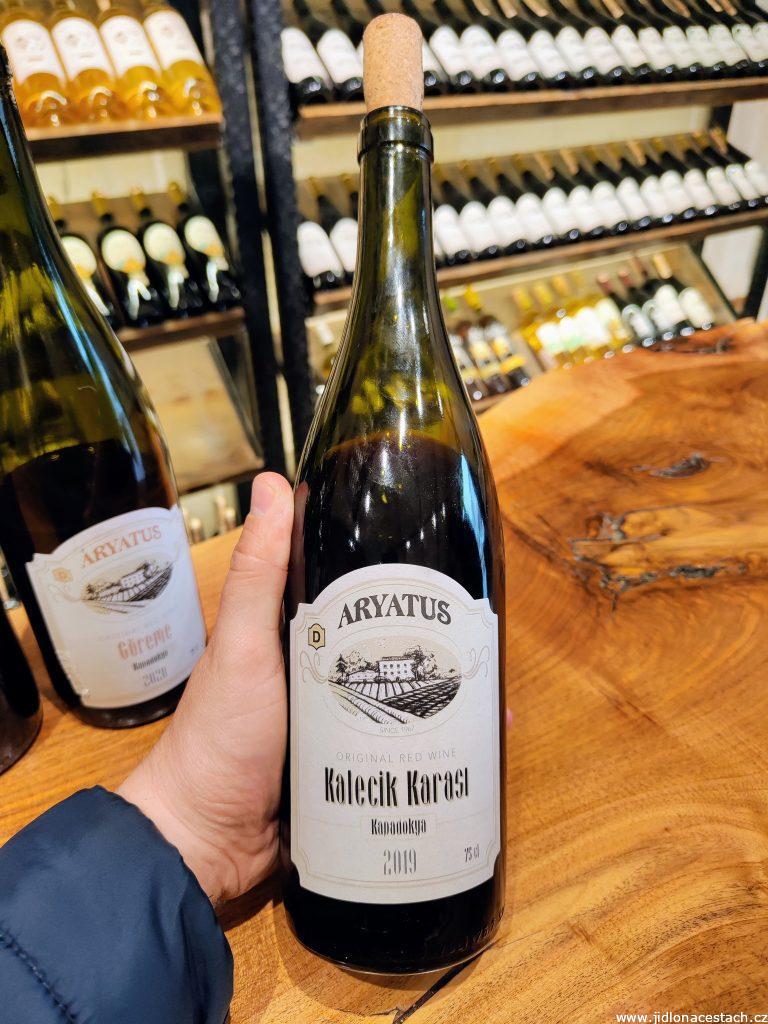
Comparing Turkish wines with European competitors is tricky. In terms of production volume, Turkey cannot match them. While France and Spain churn out millions of hectoliters annually and you can find their wines in every supermarket from Alaska to Australia, Turkish wine is a rarity on the global market. However, in terms of quality, top Turkish wineries like Kavaklıdere, Doluca, Kayra, or smaller boutique wineries like Vinkara or Chamlija are boldly catching up to the European standard. They are not afraid to invest in modern technologies, invite consultants from France or Italy, and experiment.
Marketing and legislation remain a problem for Turkish winemaking. Strict restrictions on alcohol advertising apply in the country, tying winemakers’ hands when promoting on the domestic market. They cannot hold public tastings as freely as in Europe, and online sales are complicated. This forces them to focus on export and quality.
So if you get a craving for local wine while traveling through Turkey, do not hesitate to taste it. You will get an honest piece of history and craftsmanship in your glass, which will likely surprise you very pleasantly with how naturally and effortlessly it accompanies Turkish food.
Cheers and drink responsibly!
🇹🇷 Experience the Turkish passion for food and drink! Subscribe to my newsletter and I will guide you for free through all the flavors and aromas of this amazing gastronomic destination.


