Chinatown: Cheap Chinese Food in London
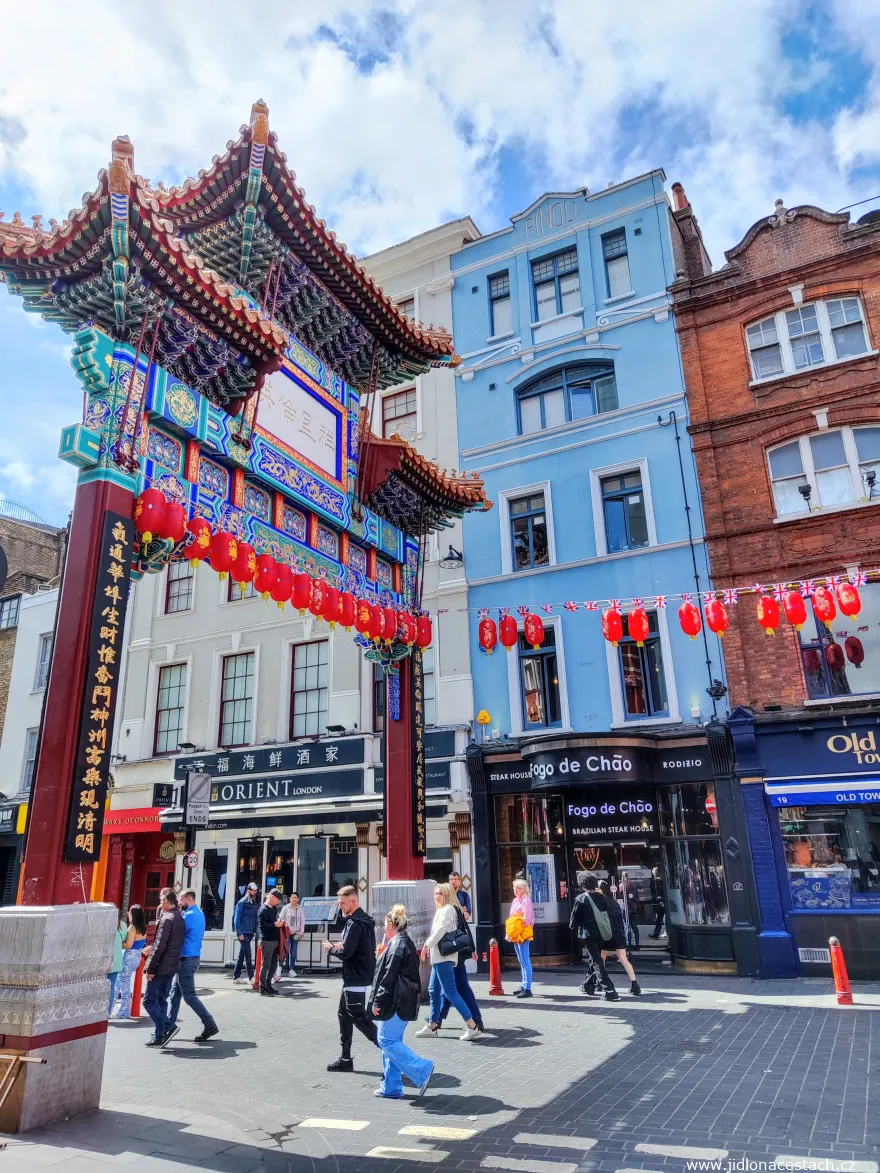
The most photographed piece of old China in London is younger than I am. The red-and-gold gates that crowds now jostle under, phones held up went up in the mid-1980s, and the biggest of them, on Wardour Street, only arrived in 2016.
Chinatown is a cluster of a few streets in the heart of London's West End: more than eighty restaurants, Chinese supermarkets and garlands of red lanterns packed into a single large city block. It is also one of the few places in the middle of the city where you can eat really cheaply - British cuisine in the streets around it is anything but cheap.
From the Limehouse Docks to Soho
London's first Chinatown wasn't in Soho but down in the docks of the East End. Chinese sailors settled in Limehouse - British shipping companies hired them because they came cheaper than British crews - and by the 1880s boarding houses, laundries, shops and cafes for crews passing through had grown up around them. The slump of the 1930s and German bombs then all but wiped the area off the map. From the 1950s onward, Chinese restaurateurs moved to Gerrard Street for the low rents - and it was mostly British servicemen, back from the Far East with a taste for Chinese food, who kept them in business. The often-repeated line that Chinatown "sprang up in the 1970s" only describes the moment when that slow move across half the city finally paid off. The gates and the stone lions came later still, a carefully planned stage set.
The Street of the Tang People
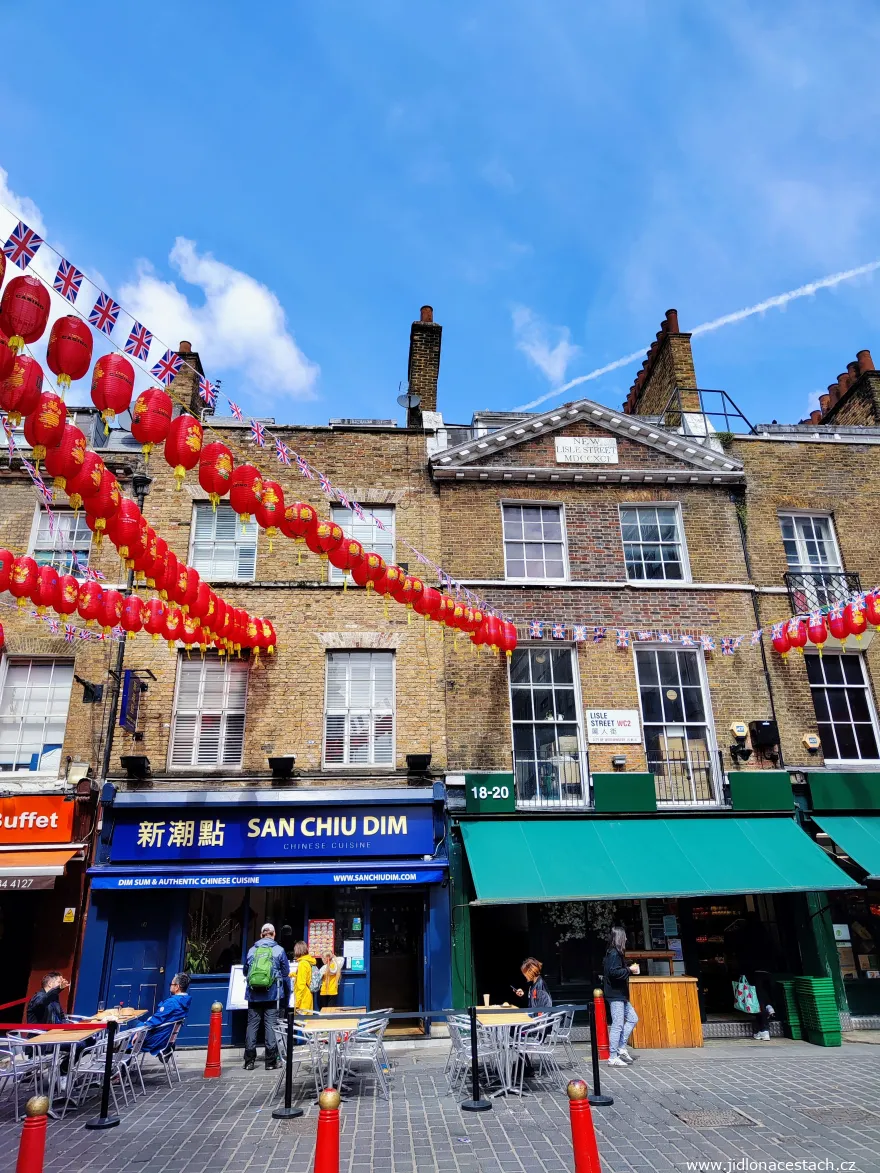
In Chinese, a quarter like this one is called 唐人街, tong jan kaai in Cantonese - "the street of the Tang people." The diaspora named itself after the dynasty it considers the golden age of its civilization, even though it had fallen a good thousand years before the first Chinatown existed at all. Gerrard Street itself is named after an English earl, on whose former military training ground it was laid out. And let me set one more thing straight: the most famous Chinatown in Europe is also one of the smallest. By far the biggest is in France, in the 13th arrondissement of Paris, with Milan in Italy behind it; second place in Britain goes to Manchester, and Europe's oldest Chinese community lives in Liverpool, which also has the largest Chinese arch outside China. London wins on one count only: the crowds.
Ducks in the Window and All You Can Eat
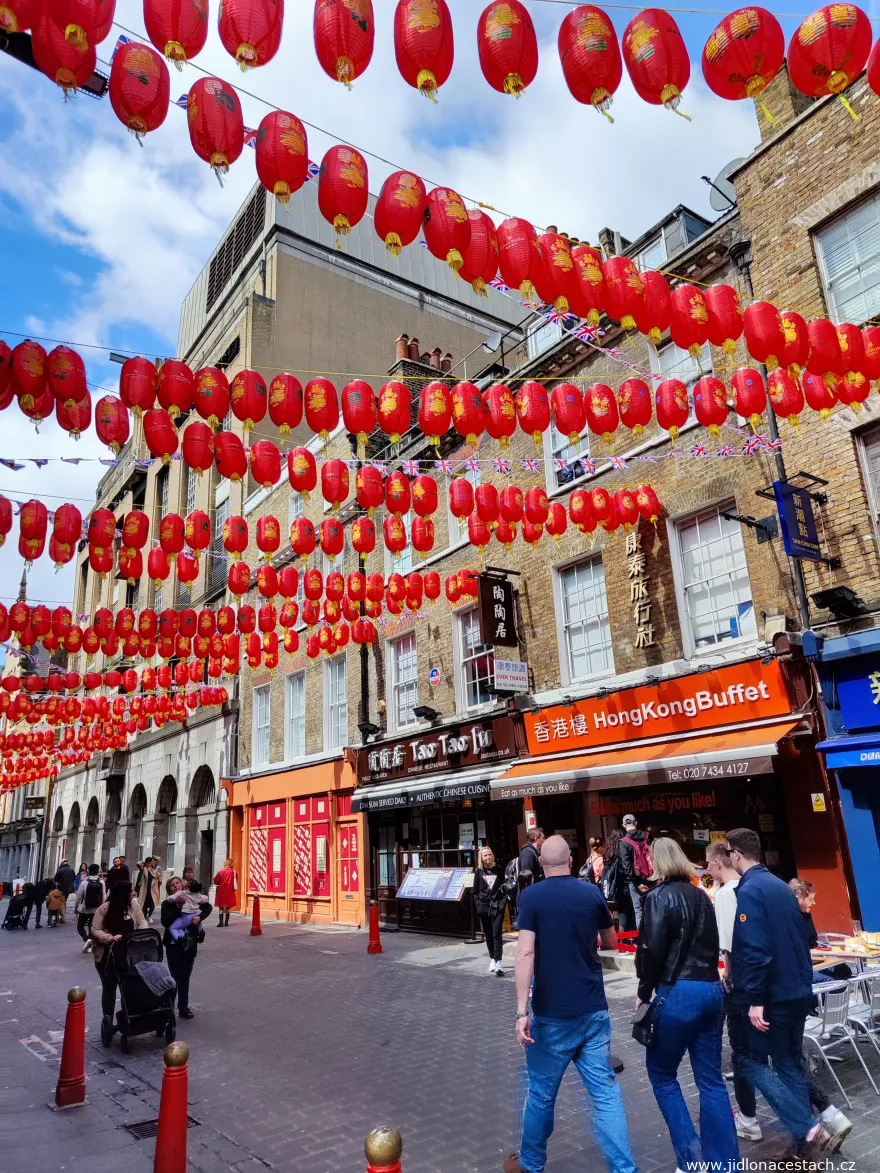
The historic core of what's on offer here is Cantonese: roast ducks glistening in the windows, dim sum, teahouses. The last few decades have added a fiery Sichuan wave, bubble tea, Korean grills and Japanese dessert shops, so today you can count around fifteen different cuisines in a handful of streets. The people behind the counters are changing too: the Cantonese of the Hong Kong families who built the quarter is gradually being joined by the Mandarin of newcomers from mainland China. London's Chinese will tell you themselves that anyone who wants to see where their community really eats these days has to follow it to where it lives - Bloomsbury, for instance. Chinatown is the shop window; sometimes literally.
What feeds a tourist most reliably, though, are the buffets that run on an "all you can eat" basis: you pay once and after that you just keep going back to the counter for more. The Chinese buffet was actually born in California in the late 1940s, but few places have taken to it the way this one has. Don't expect any surprises: fried noodles, fried rice, pieces of meat in sweet-and-sour sauce, broccoli and carrots. Expect a full plate.


What I Piled on My Plate
At one of those buffets I ate all-you-can-eat style for 14 GBP (15.20 EUR); a big takeout portion came to 7 GBP (7.60 EUR), which for London really is next to nothing. The only limit I ran into was on shrimp - how much of it you can have per visit is usually capped - everything else is up to you. Most Chinese buffets won't take cards, but you can easily get cash from the ATMs right there on the street. And the taste? Just ordinary Chinese food, nothing that stood out: if the style of the Chinese restaurants we have back home in Czechia works for you, you'll walk out happily fed. Anyone after a memorable meal should get their Chinese somewhere else. So no, it wasn't a remarkable meal. But it wasn't a remarkable bill either - and in London that second one is the harder trick to pull off.


